The Pros & Cons of Rear-Entry vs. Side-Entry Wheelchair Vans
North Georgia Mobility

Choosing between rear-entry and side-entry wheelchair vans can be a tough decision. Each type has its own set of benefits and drawbacks that can significantly impact the user experience. Whether you prioritize ease of access, comfort, or parking convenience, understanding these differences is key to making the right choice for your needs. In this article, we’ll break down the pros and cons of rear-entry vs. side-entry wheelchair vans to help you find the best fit for you or your organization.


Key Takeaways

  • Rear-entry vans often allow for larger ramps, making them suitable for bigger wheelchairs.
  • Side-entry vans provide easier curb access, which is great for quick entry and exit.
  • Parking with rear-entry vans can be more flexible since they don’t need extra space on the sides.
  • Cost-wise, rear-entry options can be more affordable compared to side-entry models.
  • Consider your specific needs, like the size of the wheelchair and how many passengers you typically transport.

Understanding Rear-Entry Wheelchair Vans

Rear-entry wheelchair vans provide an alternative to side-entry models, offering a unique set of advantages and disadvantages. They're a popular choice for many, and it's important to understand what they bring to the table. Rear-entry vans can be a great option for those who prioritize ease of parking and a less intrusive vehicle conversion.

Design Features of Rear-Entry Vans

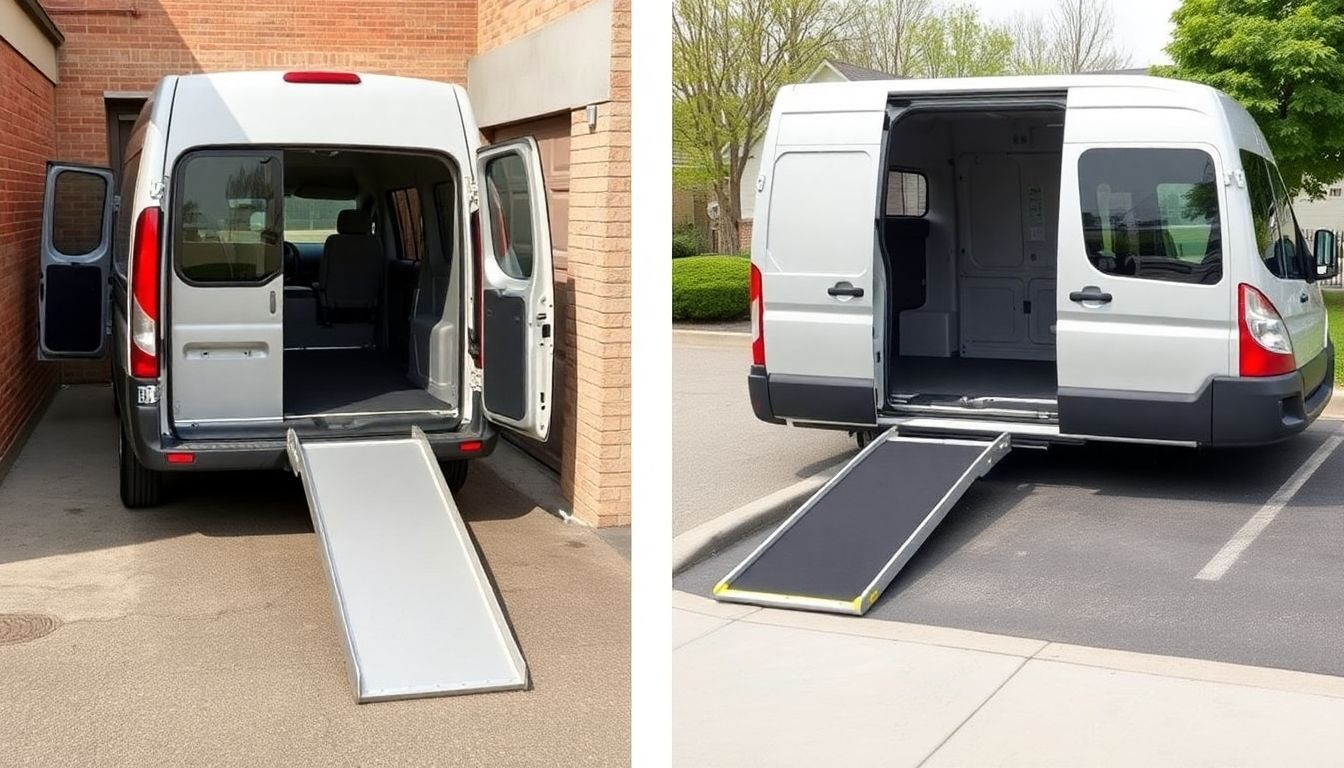
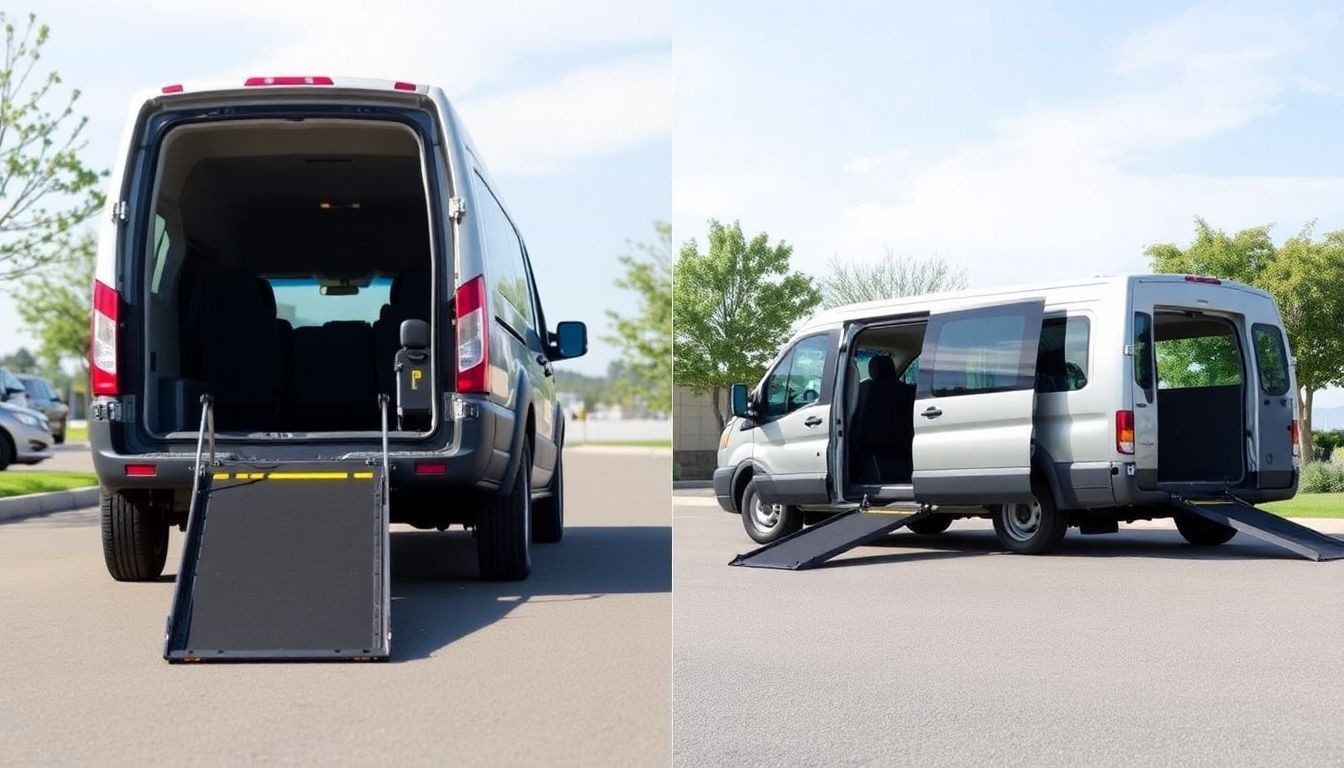
Rear-entry vans are modified to allow wheelchair access through the rear of the vehicle. This typically involves a ramp wheelchair accessible vehicle that extends from the back, allowing the wheelchair user to roll directly into the van. Here are some key design elements:

  • The floor is often lowered to increase headroom.
  • Ramps can be manual or automatic, depending on the model and conversion package.
  • Seating configurations may be altered to accommodate the wheelchair user and other passengers.
The beauty of rear-entry designs lies in their simplicity. By utilizing the rear of the vehicle, converters can often maintain more of the original vehicle structure, potentially leading to a smoother ride and fewer long-term maintenance issues.

Accessibility Considerations

When considering a rear-entry van, it's important to think about how it fits into your daily life. Here's what to keep in mind:

  • Ambulatory passengers typically enter through the side doors.
  • Rear access can be challenging in certain parking situations, like parallel parking.
  • The ramp's angle and length can affect ease of use for some wheelchair users.

Common Models Available

You'll find rear-entry conversions available on a variety of vehicles. Here are a few examples:

  1. Minivans like the Chrysler Pacifica and Chrysler Voyager are popular choices.
  2. SUVs such as the Buick Enclave and Chevrolet Traverse can also be converted.
  3. The specific models and availability may vary depending on the conversion company and your location.

Exploring Side-Entry Wheelchair Vans

Side-entry wheelchair vans are a popular choice for many, and for good reason. They offer a unique set of advantages that can make life easier for both the wheelchair user and their companions. Let's take a closer look at what makes them so appealing.

Advantages of Side-Entry Design

Side-entry vans really shine when it comes to certain aspects of accessibility and convenience. One of the biggest advantages is the ability for a wheelchair user to potentially drive the van themselves. This is often not possible with rear-entry models without power transfer seats.

Here are some other key benefits:

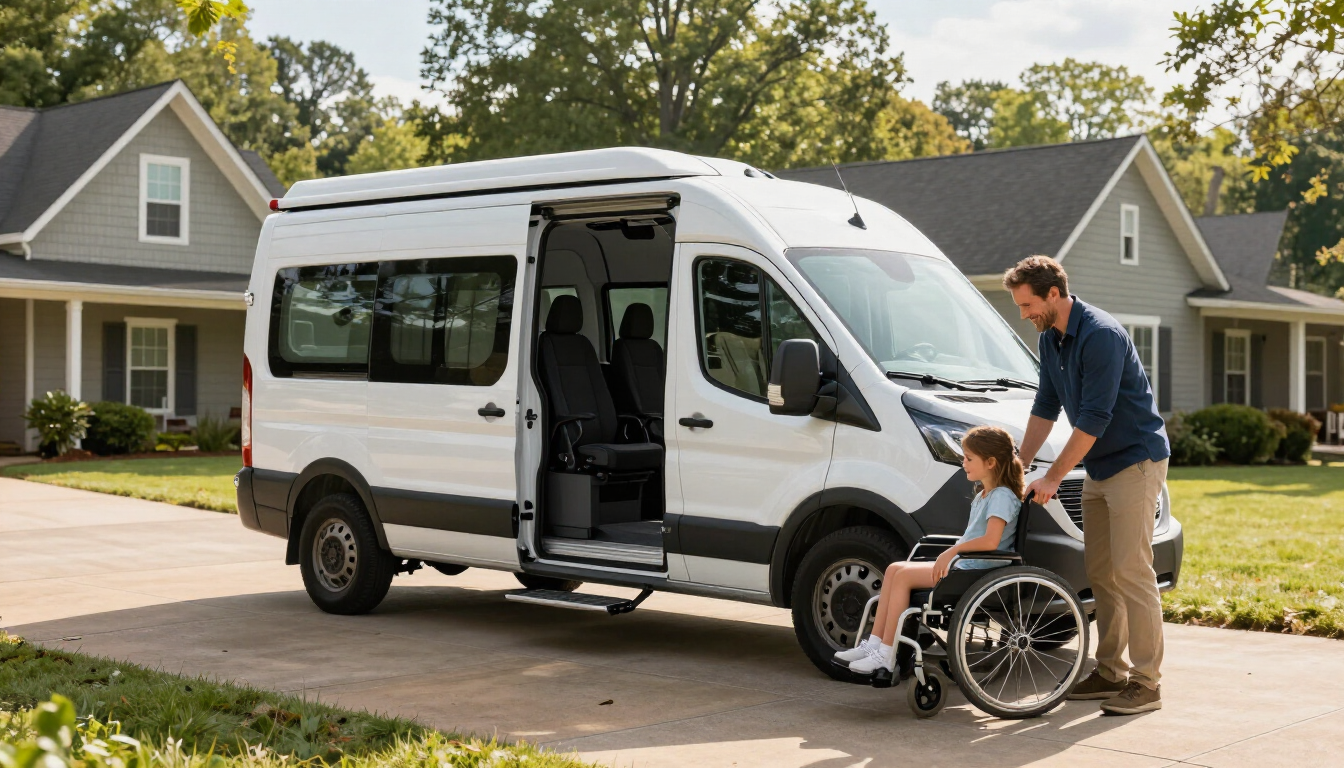
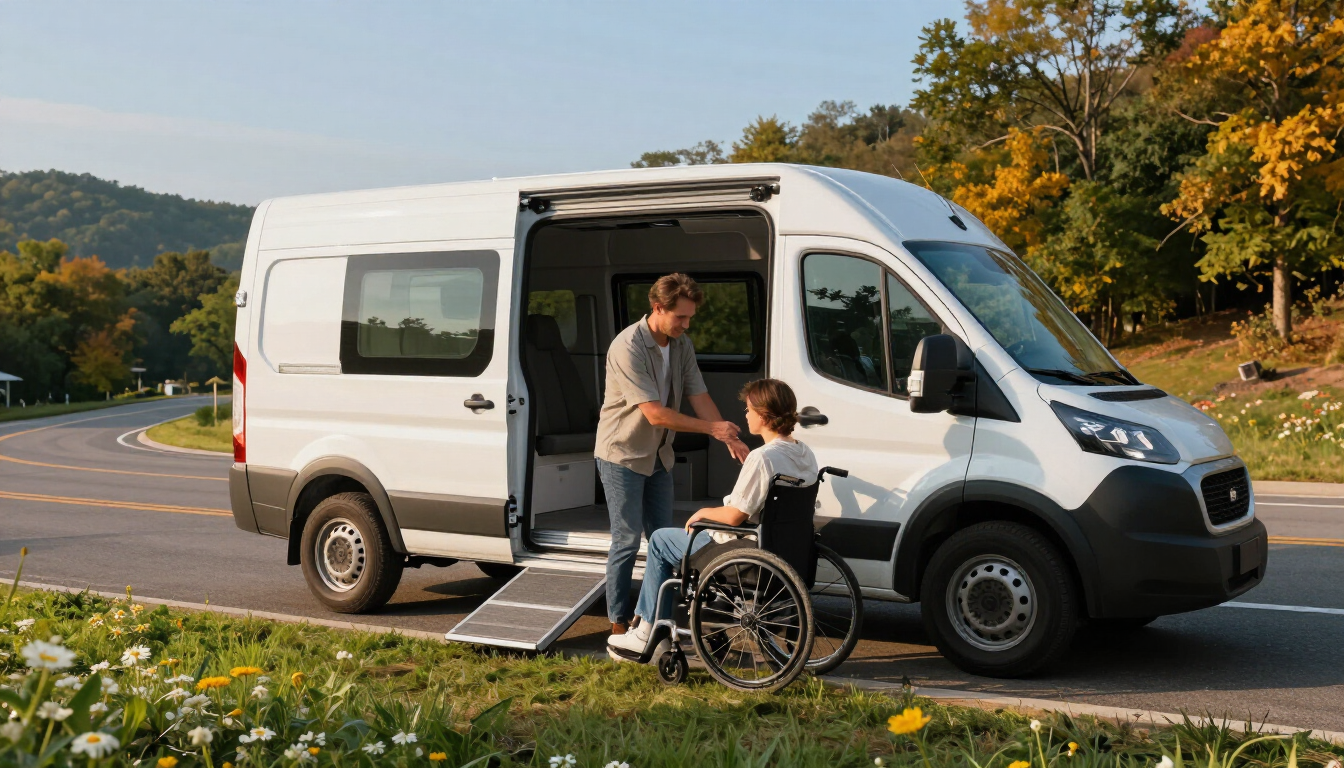
  • Curbside access: Side-entry vans allow for easy loading and unloading from the sidewalk, which can be a huge plus in busy areas.
  • Parking flexibility: You don't need extra space behind the van to deploy a ramp, making parking easier in some situations. However, you will need extra space on the side.
  • Potential for independent driving: As mentioned earlier, many side-entry vans can be modified to allow a wheelchair user to drive. Be sure to check the configuration of the vehicle you are considering.
Side-entry vans are often the go-to choice for individuals who prioritize independent driving and easy curbside access. The design allows for greater flexibility in certain parking situations and can simplify the process of entering and exiting the vehicle in high-traffic areas.

Passenger Comfort and Space

While side-entry vans offer great accessibility, it's important to consider passenger comfort and space. The ramp placement often means removing a row of seats, which can impact the number of passengers you can carry. However, once the ramp is stowed, there's usually ample room for storage. It's a trade-off, but one that many find worthwhile. The lowered floor conversion of a side-entry van allows for more headspace, comfortably fitting a passenger in a wheelchair into the vehicle.

Popular Side-Entry Models

When it comes to side-entry wheelchair vans, there are several popular models to choose from. These include the BraunAbility Dodge Grand Caravan and the Chrysler Pacifica. These vans are known for their reliability, accessibility features, and overall comfort. It's always a good idea to do your research and test drive a few different models to see which one best fits your needs.

Comparing Accessibility Options

Choosing the right wheelchair van is a big deal, and a key part of that is figuring out which entry type works best for your needs. Both rear-entry and side-entry vans have their own set of pros and cons when it comes to how easy they are to use.

Ambulatory Passenger Access

For folks who can walk but still need some assistance, side-entry vans often come out on top. The reason is simple: the standard doors make it easier to get in and out. Rear-entry vans, on the other hand, might require a bit of maneuvering around the ramp area, which isn't always ideal if you're not using a wheelchair. It really boils down to how much support someone needs when they're not in their chair.

Ease of Use for Wheelchair Users

When it comes to wheelchair users, both entry types have their advantages. Side-entry vans provide direct access to the interior, which can be great in tight parking spots. Rear-entry vans, however, sometimes offer more interior space to maneuver, especially when getting into the driver's seat. It's a trade-off, and what works best depends on the user's specific needs and abilities. When comparing wheelchair van quotes, consider how the layout affects daily use.

Ramp Configurations

Ramp design is another important factor. Here's a quick rundown:

  • Ramp Angle: A lower angle makes it easier to get in and out, especially for manual wheelchair users.
  • Ramp Width: Wider ramps offer more room to maneuver, which is helpful for larger wheelchairs.
  • Manual vs. Automatic: Automatic ramps are super convenient, but manual ramps are often more affordable and reliable.
Think about where you'll be parking most often. Will you need to deploy the ramp on a busy street? Is space tight at home? These are the kinds of questions that will help you decide which ramp configuration is the right fit.

Cost Considerations for Wheelchair Vans

Price Differences Between Entry Types

When you're looking at wheelchair vans, the price can be a big factor. Generally, rear-entry vans tend to be a bit more affordable than side-entry models. This is mainly because the conversion process is often less complex. However, don't just jump at the cheapest option without considering your needs. The price difference can depend on several things:

  • The specific model of van.
  • The extent of the conversion.
  • Any extra features you want.

Long-Term Maintenance Costs

It's not just about the initial price tag; you've got to think long-term. Side-entry vans, with their more complex conversions, might have higher maintenance costs down the road. This could be due to:

  • More intricate ramp mechanisms.
  • Lowered floor systems.
  • Potential issues with modified components.

Rear-entry vans, because they often involve less modification to the vehicle's core structure, could potentially save you money on repairs over time. But, it's always a good idea to get a clear understanding of what regular maintenance will look like for any van you're considering.

Insurance and Financing Options

Getting insurance and financing for a wheelchair van is a bit different than a regular vehicle. Because of the modifications, insurance companies might have specific requirements or higher premiums. When it comes to financing, look for lenders who specialize in adaptive vehicles. They'll understand the unique needs and costs involved, and can help you find a payment plan that works for your budget. Don't be afraid to shop around and compare rates from different insurers and lenders to get the best deal.

Here are some things to keep in mind:

  • Check with your current insurance provider first.
  • Get quotes from multiple insurance companies.
  • Explore financing options from specialized lenders.

Parking and Maneuverability Factors

Choosing between a rear-entry and side-entry wheelchair van involves thinking about where you'll be parking and how easy it is to move around in different situations. It's not just about the van itself, but also about how it fits into your daily life.

Parking Flexibility with Rear Entry

Rear-entry vans shine when it comes to parking in tight spots. You don't always need an oversized accessible parking space because the ramp deploys from the back. This means you can often park in regular spaces without worrying about blocking access for others or getting blocked in yourself. This is super helpful in crowded parking lots or older areas where accessible parking might be limited. Plus, you don't have to wait for a specific spot to open up. The ADA wheelchair requirements are important to consider when thinking about parking.

  • Park almost anywhere without needing extra space on the sides.
  • Ideal for tight parking situations.
  • Reduces the need to wait for oversized accessible spots.
With a rear-entry van, you can pull into a spot and deploy the ramp straight out the back. This can be a lifesaver in busy areas where finding a suitable parking spot feels like winning the lottery.

Curbside Access with Side Entry

Side-entry vans are designed with curbside access in mind. The ramp extends from the side, allowing easy entry and exit onto sidewalks. This is especially useful in urban environments where you're frequently loading and unloading near sidewalks. However, it does require enough space on the side of the van to fully deploy the ramp, which can be tricky in narrow streets or crowded parking areas.

  • Best suited for loading/unloading onto curbs or sidewalks.
  • Requires sufficient space on the side for ramp deployment.
  • Parallel parking can be easier with curbside access.

Impact on Urban Driving

Navigating city streets can be challenging regardless of the van type, but each has its quirks. Rear-entry vans might require more careful planning when parking on streets to ensure the rear ramp doesn't extend into traffic. Side-entry vans need enough clearance to deploy the ramp without hitting parked cars or other obstacles. Consider the typical driving and parking conditions you encounter daily. If you often find yourself in stop-and-go traffic or tight parking situations, a rear-entry van might offer more flexibility. If you frequently use curbside access, a side-entry van could be more convenient. Thinking about the wheelchair ramps is important for urban driving.

User Experience and Comfort

Driving from a Wheelchair

Okay, so let's talk about what it's really like to drive one of these vans from a wheelchair. It's not just about getting behind the wheel; it's about the whole experience. With rear-entry vans, you're often transferring to the driver's seat. This can be a pain if you're making lots of stops. Side-entry vans, on the other hand, sometimes let you roll right up to the driver's position, which is a huge plus for some people. The height and positioning of controls are also super important.

  • Ease of transfer (or lack thereof)
  • Visibility from the driver's seat
  • Accessibility of controls (steering, pedals, etc.)

Passenger Experience in Different Configurations

Think about who's riding with you. Is it just you most of the time, or do you have family and friends? Rear-entry vans can sometimes feel a bit more cramped for other passengers because of the ramp taking up space in the back. Side-entry vans often have more flexible seating, letting you arrange things so everyone's comfortable. Side-entry wheelchair vans can be a game changer for passenger comfort.


The passenger experience is often overlooked, but it's a big deal. Consider things like headroom, legroom, and the overall feeling of spaciousness. Nobody wants to feel like they're crammed into a tin can, especially on longer trips.

Noise and Ride Quality

Let's be real, nobody wants a noisy ride. The ramp mechanism can sometimes be a source of noise, especially in rear-entry vans. It's worth paying attention to how well the ramp is insulated and how smoothly it operates. Ride quality is another factor. Suspension and overall vehicle design play a big role in how bumpy or smooth the ride feels. A smoother ride is always better, especially if you're dealing with back pain or other mobility issues.

  • Ramp noise during operation
  • Suspension and shock absorption
  • Overall cabin noise levels

Specific Needs and Use Cases

Choosing Based on Wheelchair Size

Not all wheelchairs are created equal, and neither are wheelchair vans. Wheelchair size is a huge factor when deciding between rear-entry and side-entry vans. A larger, heavier power wheelchair might be a tight fit in a rear-entry van, especially if it has limited interior space. Side-entry vans often offer more headroom and wider doorways, making them better suited for bigger chairs.

Considerations for Multiple Passengers

Think about who else will be riding in the van. If you frequently travel with family or friends, a side-entry van might be the better choice. They usually have more flexible seating arrangements, allowing ambulatory passengers to enter and exit easily. Rear-entry vans can sometimes feel cramped, especially if there are multiple passengers. Here are some things to consider:

  • Number of additional passengers
  • Frequency of group travel
  • Need for flexible seating

Evaluating Personal Mobility Needs

Ultimately, the best wheelchair van depends on your individual needs and lifestyle. Consider these points:

  • Can you transfer easily from your wheelchair to a regular seat? If so, a rear-entry van might work fine.
  • Do you prefer to drive from your wheelchair? Side-entry wheelchair conversions often provide this option.
  • How important is parking flexibility to you? Rear-entry vans can be easier to park in some situations.
It's a good idea to test drive both types of vans and see which one feels more comfortable and convenient for your specific needs. Don't rush the decision; take your time and make sure you're making the right choice for your long-term mobility.

When it comes to specific needs and use cases, we understand that every situation is unique. Whether you're looking for solutions for school projects, personal tasks, or business needs, we have something for you. Don't hesitate to explore our website for more information and find the perfect fit for your requirements!

Final Thoughts on Choosing Your Wheelchair Van

In the end, picking between a rear-entry and a side-entry wheelchair van really comes down to your specific needs and lifestyle. Each option has its ups and downs. Rear-entry vans can be great for tight parking spots and larger ramps, while side-entry vans offer easier access from the curb and more flexibility for passengers. Think about how you plan to use the van, the size of the wheelchairs, and where you'll be parking most often. It’s a big decision, so take your time to weigh the pros and cons. Whatever you choose, make sure it fits your life and makes getting around easier.


Frequently Asked Questions

What are rear-entry wheelchair vans?

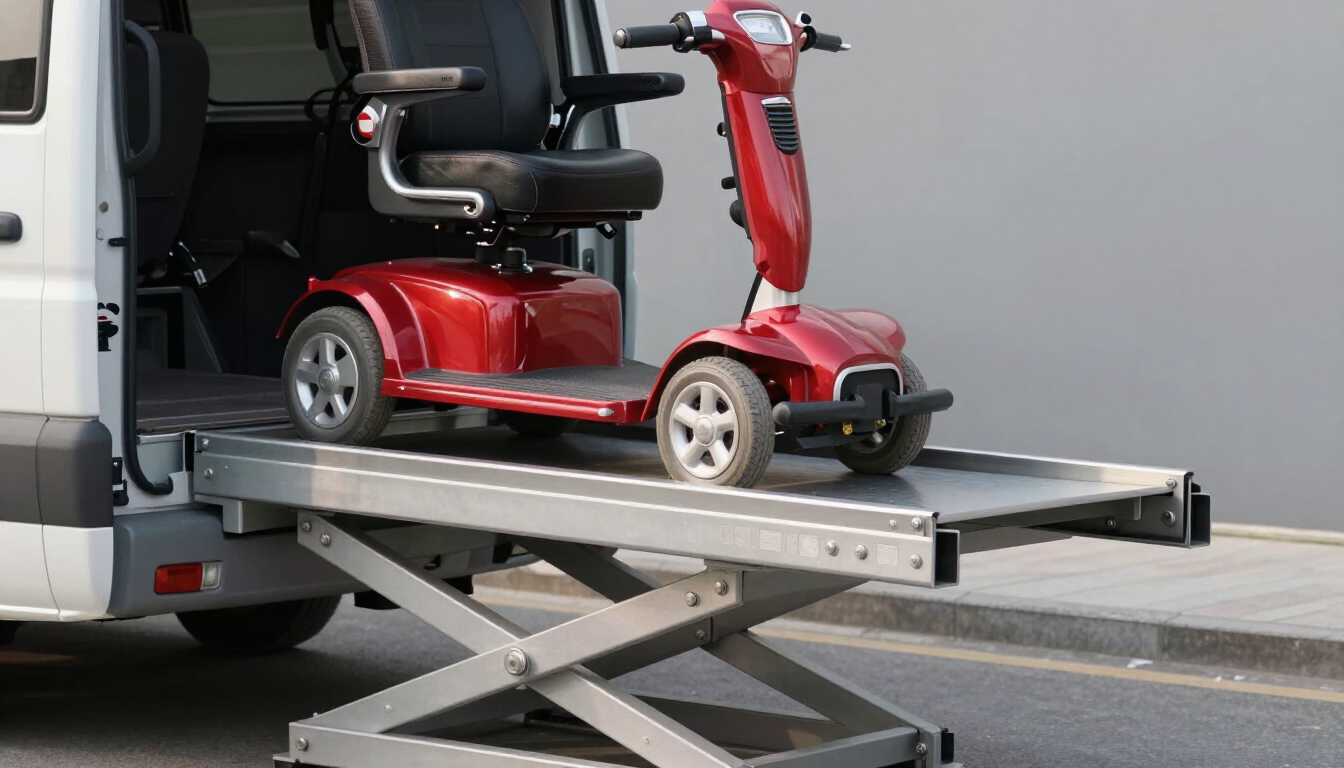
Rear-entry wheelchair vans let people in wheelchairs enter from the back of the vehicle. This design often has a ramp or lift that helps users get inside easily.

What are the benefits of side-entry wheelchair vans?

Side-entry wheelchair vans allow passengers to enter from the side. This can make it easier for ambulatory passengers to get in and out, especially when parked next to a curb.

Which type of van is better for parking in tight spaces?

Rear-entry vans are usually better for tight parking situations since they don’t need extra space on the side for the ramp.

Can you drive from a wheelchair in both types of vans?

You can drive from a wheelchair in side-entry vans, but not in rear-entry vans. Side-entry vans are designed for wheelchair users who want to drive.

How do costs compare between rear-entry and side-entry vans?

Generally, the price for rear-entry and side-entry vans is similar, but rear-entry options can sometimes be less expensive due to simpler conversions.

What should I consider when choosing between rear-entry and side-entry vans?

Think about your parking situation, the size of the wheelchair, how many passengers you need to transport, and whether anyone will be driving from a wheelchair.
mobility scooter maintenance
By Rise Design January 31, 2026
Winter can be a tough time for everyone, and sometimes that includes our trusty mobility scooters. Cold weather and damp conditions can take a toll on these devices, making them less reliable. But don't let that get you down! With a little bit of attention and some smart mobility scooter maintenance, you can keep yours running smoothly through the chilly months here in Dalton, Ringgold, and LaFayette. It's not complicated, just a few things to keep an eye on. Key Takeaways Regularly check your scooter's battery, especially in colder weather, to make sure it holds a charge and gives you the range you need. Keep an eye on your tires – make sure they have enough air and the tread isn't worn down. This helps with grip and a smoother ride. Test your brakes often to confirm they're working right. Safety first, always. Cleaning your scooter regularly and protecting it from rain and moisture will help prevent rust and keep parts working well. Know when to call a professional. If you hear strange noises, your scooter slows down a lot, or you have trouble steering, it might be time for expert help. Essential Mobility Scooter Maintenance Checks Keeping your mobility scooter in good shape means you can rely on it day in and day out. A little regular attention goes a long way, especially when the weather turns cold here in North Georgia. Let's look at some key things to check. Battery Care for Extended Range The battery is the heart of your scooter, so taking care of it is super important. Proper battery maintenance can significantly extend its lifespan and ensure you get the most range out of each charge. Charge Regularly: Don't wait until the battery is completely dead. It's best to charge it after each use, or at least every night. This keeps the battery cells healthy. Use the Right Charger: Always use the charger that came with your scooter or a manufacturer-approved replacement. Using the wrong charger can damage the battery. Avoid Extreme Temperatures: Batteries don't like being too hot or too cold. If you store your scooter outside, try to bring it inside during very cold weather. Check Connections: Make sure the battery terminals are clean and the connections are tight. Loose or corroded connections can cause charging problems and reduce power. Keeping your battery charged properly is probably the single most effective thing you can do to keep your scooter running well for a long time. It's not complicated, but it does require a bit of routine. Tire Pressure and Tread Inspection Your tires are what keep you moving smoothly and safely. Checking them regularly is a simple but vital step. Check Tire Pressure: Most scooter tires are pneumatic (filled with air). Look for the recommended PSI (pounds per square inch) on the tire sidewall. Over or under-inflated tires can affect handling and wear out faster. Inspect for Wear: Look closely at the tire tread. If it looks worn down, smooth, or has any cracks, it's time to think about replacing them. Good tread helps with grip, especially on damp surfaces. Look for Damage: Keep an eye out for any cuts, bulges, or embedded objects in the tires. Small things can become big problems if left unchecked. Brake System Functionality Your brakes are your primary safety feature. You need to know they'll work when you need them. Test Them Regularly: Before you set off on a longer trip, give your brakes a quick test. Gently apply them to feel how responsive they are. Listen for Sounds: Unusual grinding or squealing noises could mean your brake pads are worn or something is out of adjustment. Check for Smoothness: The brakes should engage smoothly without feeling jerky or sticking. If they feel weak or grabby, it's time for a closer look. Don't put off checking your brakes. They are a critical safety component, and a small issue now can become a serious hazard later. If you're unsure about how they feel, it's always better to get them checked out. Keeping Your Mobility Scooter Clean and Protected Taking care of your mobility scooter means more than just checking the battery and tires. Keeping it clean and protected, especially during the colder months, really helps it run better and last longer. It’s not a huge chore, but a little effort goes a long way. Regular Cleaning for Optimal Performance Dirt and grime can build up surprisingly fast, and this stuff can actually get into moving parts and cause problems. Think of it like not changing the oil in your car – eventually, things start to wear out faster. A good wipe-down after you use it, especially if you’ve been out on a damp day, is a good habit to get into. You don't need fancy cleaners, just a damp cloth usually does the trick for most of the scooter. For tougher spots, a mild soap and water solution works well. Just make sure to dry it off afterward so you don't get water spots or rust. Wipe down the frame and body with a damp cloth. Clean the control panel and joystick gently. Don't forget to clean the seat and armrests. Protecting Against Winter Elements Winter weather here in North Georgia can be tough on equipment. Rain, maybe some sleet, and even just damp air can lead to rust and corrosion if you’re not careful. When using a mobility scooter in winter, prioritize safety by avoiding ice, increasing your visibility, and keeping the scooter clean. It’s a good idea to cover your scooter when it’s parked outside, even if it’s just for a little while. A simple tarp or a fitted scooter cover can make a big difference in keeping the moisture out. If you do get caught in the rain or snow, try to dry your scooter off as soon as you can. This is especially important for the electrical components and the battery terminals. You can find good covers at places that sell mobility equipment, or even just use a sturdy tarp. Keeping it out of the worst of the weather helps a lot. Taking a few minutes to protect your scooter from the elements can prevent bigger headaches down the road. Think about where you park it too – a garage or covered porch is always better than out in the open. Seat and Upholstery Care Your seat is where you spend most of your time, so keeping it clean and in good shape is important for comfort. Spills can happen, and winter means bringing in more dampness from your clothes. Check the upholstery regularly for any tears or worn spots. If you have fabric seats, a gentle fabric cleaner can help with stains. For vinyl or leatherette, a damp cloth is usually enough. Make sure to let the seat air dry completely before your next ride. A clean seat just makes the whole experience more pleasant, and it helps the scooter look better too. If you notice any small rips, it might be worth looking into getting them repaired before they get bigger. You can often find replacement parts or covers for your specific model if needed. Addressing Common Mobility Scooter Issues Even with regular upkeep, your mobility scooter might throw a curveball now and then. Don't let a little hiccup stop you from getting around. Most common problems are pretty straightforward to figure out and often fixable without a trip to the shop. Troubleshooting Unusual Noises Sometimes, your scooter might start making noises it never did before. It can be a bit unsettling, but usually, it's just a sign that something needs a little attention. Listen closely to where the sound is coming from and when it happens. Squeaking or Grinding: This often points to issues with the wheels, bearings, or brakes. Check if anything is rubbing or if the wheel bearings feel loose. Sometimes, a bit of lubrication in the right spot can do wonders. Clicking Sounds: A clicking noise, especially when turning, might mean something is loose in the steering column or a component in the drivetrain needs tightening. Whirring or Humming: This could be related to the motor or gearbox. If it's louder than usual, it might be time to check the motor brushes or the gearbox oil level. When you hear a new sound, try to pinpoint its origin. Is it constant or only when you move? Does it happen when you turn, brake, or go over bumps? This information is super helpful if you end up needing to talk to a repair person. What to Do About Slower Speeds If your scooter isn't zipping along like it used to, there are a few common culprits. Don't assume it's a major breakdown right away. Battery Check: This is the most frequent reason for reduced speed. Batteries lose their charge capacity over time. If they're old or not holding a charge well, your scooter will feel sluggish. Make sure they're fully charged and consider their age. Tire Issues: Underinflated tires create more drag, making the motor work harder and slowing you down. Also, check for any debris stuck in the tires or wheels that might be causing resistance. Weight Load: Are you carrying more than usual? Exceeding the scooter's weight limit will naturally reduce its performance. Motor or Controller Problems: Less commonly, the motor itself or the electronic controller might be having issues, leading to a loss of power. Steering and Control Adjustments Feeling like your scooter isn't steering quite right? Maybe it pulls to one side, or the steering feels loose. These issues can affect your confidence and safety. Alignment: If the scooter consistently pulls to one side, it might need a steering alignment. This is often something a service center can adjust. Loose Components: Check the tiller (the steering column) and the connections to the front wheel. Sometimes, bolts can loosen over time, causing play in the steering. Tire Wear: Uneven tire wear can also contribute to steering problems. Make sure your tires are wearing evenly and are properly inflated. If you're uncomfortable making any adjustments or if the problem persists after basic checks, it's always best to get it looked at by a professional. They have the tools and knowledge to diagnose and fix these issues properly. Seasonal Mobility Scooter Maintenance Schedule Keeping your mobility scooter in good shape isn't just a year-round job; it's about adapting to the seasons. What works in the summer might not be enough when the cold and damp set in, and you'll want to get it ready for warmer weather too. Think of it like getting your car ready for winter – a little attention now saves a lot of headaches later. Pre-Winter Storage Preparations Before you tuck your scooter away for the colder months, there are a few things you should do. Proper storage can prevent damage and make sure it's ready to go when spring rolls around. Charge the Battery Fully: Make sure the battery is at 100% before storing. If you're storing it for a long time, you might need to top it up every month or so. Check your scooter's manual for specific recommendations. Clean It Up: Give your scooter a good wash and dry. Get rid of any dirt, mud, or salt that could cause corrosion. Protect Moving Parts: A light coat of lubricant on metal parts can help prevent rust. Cover It Up: Use a breathable cover to protect it from dust and moisture. Avoid plastic tarps that can trap humidity. Storing your scooter in a dry, temperature-controlled environment is best. Garages can work, but if they get really cold or damp, consider an indoor spot if possible. This helps protect the battery and electronics. Spring Tune-Up Essentials Once the frost starts to thaw and you're ready to get back outside more, it's time for a spring check-up. This is your chance to catch anything that might have happened during storage or the previous season. Battery Check: Give the battery a full charge and check its overall condition. If it's not holding a charge like it used to, it might be time for a replacement. Tire Inspection: Look for any signs of wear, cracks, or low pressure. Properly inflated tires make for a smoother ride and better battery life. Brake Test: Make sure your brakes are working effectively. Test them in a safe, open area. General Inspection: Look over all the nuts and bolts to make sure they're tight. Check the lights, horn, and any other accessories. Mid-Season Performance Checks Even during the active months, a quick check now and then can keep things running smoothly. You don't need to do a full overhaul every week, but a few minutes can make a difference. This is especially true if you're using your scooter more frequently or tackling different terrains. For example, if you've been using your scooter on paths that might be similar to those needing wheelchair ramp maintenance , it's a good idea to check for wear and tear. Listen for New Sounds: Any squeaks, rattles, or grinding noises? Try to pinpoint where they're coming from. Monitor Speed and Handling: Does it feel like it's slowing down or handling differently than usual? Quick Clean: A quick wipe-down after a dusty or muddy outing can prevent buildup. Regular checks, especially before and after seasonal changes, help keep your scooter reliable and safe for all your travels around Dalton, Ringgold, and LaFayette. When to Seek Professional Mobility Scooter Service Sometimes, even with the best care, your mobility scooter might need a little extra attention. Knowing when to call in the pros is key to keeping your ride reliable and safe. Don't wait until a small issue becomes a big problem. Signs Your Scooter Needs Expert Attention While you can handle a lot of the basic upkeep yourself, some things are best left to the professionals. Keep an eye out for these common indicators that it's time to visit a service center: Sudden or persistent strange noises: A squeak here or there might be nothing, but grinding, clunking, or loud whirring sounds usually point to something more serious, like a motor or gearbox issue. Significant loss of power or speed: If your scooter suddenly feels sluggish, struggles on inclines it used to handle easily, or its top speed has dropped noticeably, it could be a battery problem, a controller issue, or even a motor fault. Braking system feels off: If the brakes don't engage as firmly as they used to, feel spongy, or make unusual noises, this is a safety concern that needs immediate professional assessment. Steering becomes difficult or erratic: If the handlebars feel stiff, loose, or pull to one side unexpectedly, it could be a problem with the steering mechanism or even the tires. Electrical warning lights or error codes: Most modern scooters have diagnostic lights or display codes. If one pops up and stays on, consult your manual and then a technician. Finding Local Service Providers in Dalton When you do need professional help, finding a reliable local service provider is important. For those in the Dalton area, there are options available. You might find a local shop that specializes in mobility equipment. Sometimes, the place where you purchased your scooter can also handle repairs, or they can point you in the right direction. Don't hesitate to ask friends or other scooter users for recommendations. For instance, there's a provider in Dalton, GA, known for good service and products, just a short drive away mobility equipment sales. Understanding Repair vs. Replacement It's not always clear whether a repair is worth the cost or if it's time to consider a new scooter. A good technician can assess the situation and give you an honest opinion. They'll look at: The age and overall condition of your scooter. The cost of the needed repairs compared to the price of a new or gently used model. The availability of parts for your specific model. Sometimes, a seemingly minor issue can be a symptom of a larger problem that might be expensive to fix. It's always wise to get a professional diagnosis before committing to costly repairs, especially if your scooter is older. A qualified technician can help you make an informed decision that balances cost and continued mobility. If your scooter is frequently breaking down, or if the repairs are becoming more frequent and expensive, it might be more economical in the long run to invest in a newer model. However, for many common issues, a professional repair can get your scooter back in top shape, allowing you to continue enjoying your independence. Is your mobility scooter acting up? Don't wait until it completely stops working. If you notice it's running slower than usual, making strange noises, or the battery isn't holding a charge like it used to, it's probably time to get it checked out. Ignoring small issues can lead to bigger, more expensive problems down the road. For reliable repairs and maintenance, visit our website today to schedule a service appointment ! Keep Rolling Through Winter So there you have it. Taking care of your mobility scooter now means fewer headaches later, especially when the weather gets rough around Dalton, Ringgold, and LaFayette. A little bit of attention can go a long way in keeping you moving freely. If you ever get stuck or need a hand with repairs or upgrades, remember North Georgia Mobility has been helping folks out for ages. They know their stuff and are right here in Ringgold. Don't let winter slow you down – keep that scooter in good shape and enjoy your freedom all season long. Frequently Asked Questions How often should I charge my mobility scooter battery, especially during colder months? It's best to charge your scooter's battery every night, just like you would your phone. During winter, when you might use it less, keeping it fully charged is still super important. Don't let it sit with a dead battery for too long, as this can shorten its life. Think of it like keeping your car battery healthy – regular charging is key! What's the deal with tire pressure, and why does it matter for my scooter? Keeping your tires properly filled with air is like making sure your bike has the right tire pressure. If they're too low, it makes it harder to steer and can even make your scooter go slower. Too much air can make the ride bumpy. Check the sidewall of your tire for the recommended pressure and give them a squeeze now and then to make sure they feel firm but not rock hard. My scooter is making a weird noise. What could be causing it? Strange sounds can be a bit alarming! Often, it's something simple like a loose part, maybe a bolt that needs tightening. Sometimes, it could be the motor or the wheels. If it's a squeak, it might need a little lubrication. If the noise is loud or concerning, it's a good idea to have it checked out by a professional. Why is my mobility scooter not going as fast as it used to? A slower scooter can be frustrating. It could be a sign that the battery isn't holding a full charge anymore, or maybe the tires are low on air, creating more drag. Sometimes, it's just a sign that some parts need a little tune-up. Check the simple things first, like tire pressure and battery charge, before assuming it's a big problem. How should I clean my mobility scooter to keep it working well? Cleaning your scooter regularly is like giving it a bath! Use a damp cloth to wipe down the body and controls. Avoid spraying water directly onto the electrical parts or the battery. Keeping it clean prevents dirt and grime from getting into moving parts and causing issues. A clean scooter is a happy scooter! When should I think about getting professional help for my scooter? If you've tried the basic checks and your scooter is still acting up – maybe it's making loud noises, not moving well, or the brakes feel off – it's time to call in the experts. Companies like North Georgia Mobility have skilled folks who know these scooters inside and out. They can figure out if it's a simple fix or something that needs a bigger repair.
stair lift installation GA
By Rise Design January 31, 2026
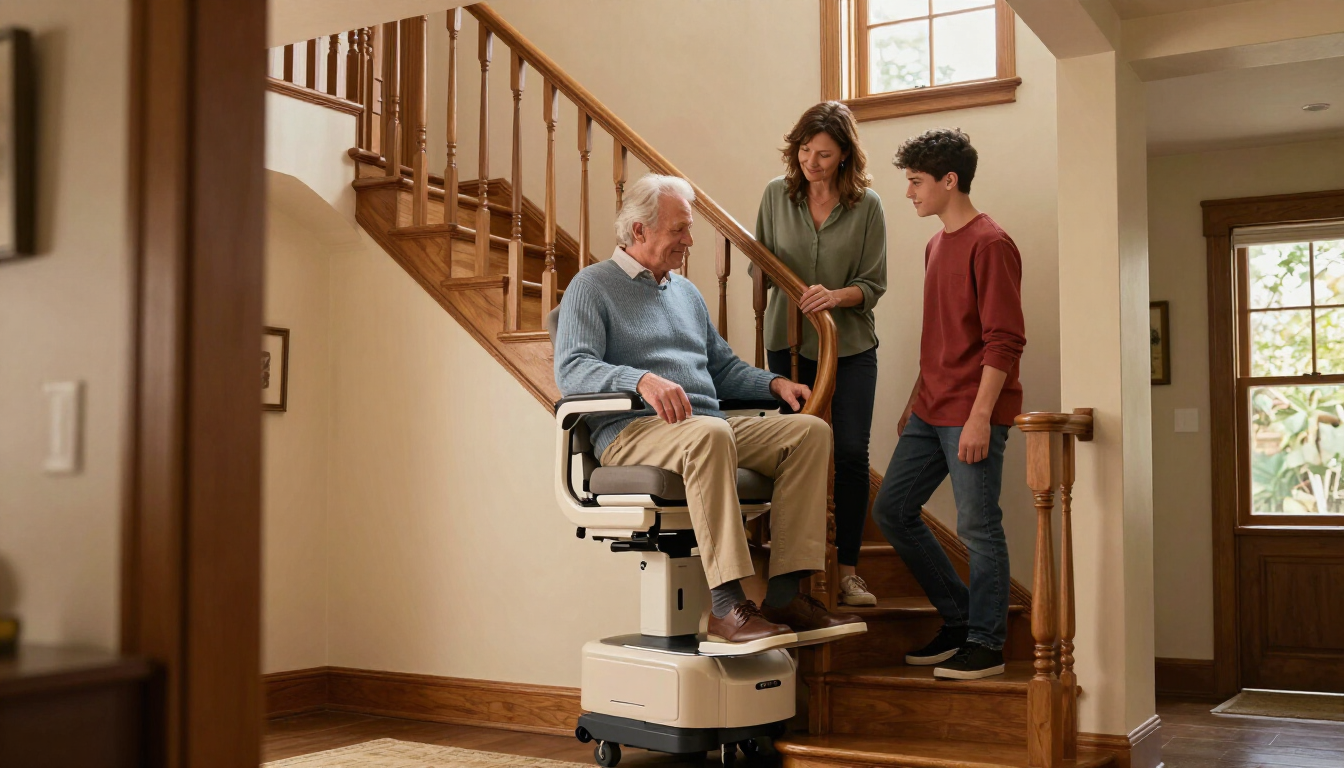
Upgrade your home with stair lift installation GA in February. Enjoy winter comfort & independence in Calhoun & LaFayette.
wheelchair winter maintenance
By Rise Design January 31, 2026
Ensure your wheelchair or scooter is ready for winter. Learn essential wheelchair winter maintenance tips for Northwest Georgia's February weather.
winter mobility safety
By Rise Design January 31, 2026
Ringgold seniors: Stay safe this February with essential winter mobility safety tips for walking, driving, and home accessibility.
adaptive driving aids
By Rise Design January 31, 2026
Choose the right adaptive driving aids for winter driving in Cleveland. Learn about traction, visibility, and more.
Valentine’s Day accessibility
By Rise Design January 31, 2026
Valentine’s Day accessibility ideas for romantic & safe outings. Discover accessible venues, dining, activities & home celebrations.
winter mobility gear
By Rise Design January 31, 2026
Fort Oglethorpe: Essential winter mobility gear for scooters & vehicle lifts. Stay mobile all season!
accessible travel Chattanooga TN
By Rise Design January 31, 2026
Black History Month is a great time to celebrate and explore. If you're thinking about a trip, especially around the Chattanooga, TN area, you might be wondering about places that work for everyone. Planning trips can be a bit tricky sometimes, but finding spots that are good for people with different needs is totally doable. This guide is all about making accessible travel Chattanooga TN a breeze, so you can focus on enjoying your time. Key Takeaways Chattanooga and its surrounding areas offer a variety of attractions suitable for all abilities, making accessible travel Chattanooga TN a real possibility. Outdoor enthusiasts can find wheelchair-friendly trails and nature centers with inclusive exhibits for a great day out. Cultural sites like museums and art galleries are increasingly offering adaptive tours and universal design features. Dining and entertainment options are available with accessible seating and welcoming environments for all guests. Resources like mobility aid rentals and vehicle modification services, such as North Georgia Mobility, are available to support your travel needs. Exploring Accessible Attractions Near Chattanooga TN Discovering Inclusive Destinations Chattanooga is really stepping up when it comes to making sure everyone can enjoy what the area has to offer. It’s not just about ramps and elevators anymore; places are thinking about the whole experience. You can find spots that are genuinely welcoming, whether you use a wheelchair, have a service animal, or just need a quiet space. It's about creating memories without the usual travel headaches. When looking for places to visit, keep an eye out for: Attractions that mention universal design principles. Locations with clear accessibility information on their websites. Community centers or visitor bureaus that can point you to inclusive spots. It’s great that more places are focusing on accessibility so everyone feels included. You can find a variety of free and low-cost activities in Chattanooga, including scenic hikes and local attractions. These budget-friendly adventures offer plenty of fun without breaking the bank. Discover local attractions . Planning ahead makes a big difference. Checking websites or even giving a quick call before you go can save a lot of time and frustration. Knowing what to expect means you can relax and enjoy your trip more. Planning Your Accessible Journey Getting ready for a trip near Chattanooga with accessibility in mind is simpler than you might think. It starts with a little research. Think about what you need to be comfortable and have fun. Do you need accessible parking? Are there quiet areas available? What about restrooms? Here’s a quick checklist to get you started: Identify your needs: What specific accessibility features are most important for your visit? Research destinations: Look for places that explicitly state their accessibility features. Check transportation: How will you get around? Are there accessible public transport options or parking? Book in advance: If you need specific accommodations or services, booking ahead is always a good idea. Resources for Accessible Travel Chattanooga TN There are some great resources available to help you plan your accessible trip around Chattanooga. Don't hesitate to use them! Chattanooga Tourism Co.: Their website often has sections dedicated to accessibility or inclusive travel. They can be a good starting point for general information. Local Disability Advocacy Groups: These groups often have up-to-date information on accessible venues and services in the area. They are a fantastic source for real-world advice. Online Accessibility Guides: Websites and apps specifically designed for accessible travel can provide reviews and details on specific locations. North Georgia Mobility, for instance, has been helping people with accessibility solutions for decades, specializing in vehicle conversion and mobility aid. They offer great support. Remember, the goal is to have a good time, and with a bit of planning, Chattanooga and its surrounding areas are very doable for travelers of all abilities. Accessible Outdoor Adventures Getting outside and enjoying nature shouldn't be a challenge. Near Chattanooga, there are some great spots that make it easier for everyone to experience the outdoors. We're talking about places where you can really connect with the natural world, no matter your mobility needs. Wheelchair-Friendly Trails Lots of parks are putting in paved or boardwalk trails, which makes a huge difference. These paths are usually pretty level and wide enough for wheelchairs and other mobility devices. You can find some really nice ones that wind through forests or along rivers. It's amazing how much more accessible nature becomes with these thoughtful additions. Cloudland Canyon State Park: While not all trails are accessible, the main overlook area and some paved paths offer stunning views without difficult terrain. Reflection Riding Arboretum & Nature Center: They have a good network of accessible trails, including some that go right by the water. It's a peaceful place to explore. Chickamauga & Chattanooga National Military Park: Certain areas within the park have paved roads and accessible viewpoints, allowing you to experience the historical landscape. Accessible Picnic Spots Finding a good picnic spot is key to a relaxing outdoor day. Many parks now have designated picnic areas with accessible tables. These are usually placed on firm, level ground and have space underneath for wheelchairs. It’s nice to be able to just pull up, set out your lunch, and enjoy the scenery without a fuss. Planning ahead can make a big difference. Check park websites or call ahead to confirm which picnic areas have accessible tables and are located near accessible restrooms or parking. Nature Centers with Inclusive Exhibits Some nature centers go the extra mile to make their exhibits welcoming. You might find interactive displays at different heights, audio descriptions, or tactile elements. These places are great for learning about local wildlife and plants in a way that everyone can engage with. It’s not just about looking; it’s about experiencing. Reflection Riding Arboretum & Nature Center: Beyond trails, their visitor center often has accessible exhibits and programs. Tennessee Aquarium: While a larger attraction, its design is generally very accessible, with ramps and elevators, and exhibits are often at varied heights. Local visitor centers: Many smaller, local nature centers are also updating their facilities to be more inclusive. A quick call can tell you what to expect. Cultural Experiences for Everyone Chattanooga and its surrounding areas offer a rich tapestry of cultural experiences that are designed with everyone in mind. It’s not just about seeing the sights; it’s about truly experiencing them, no matter your ability. Museums with Adaptive Tours Many local museums are stepping up their game when it comes to accessibility. You can often find museums offering guided tours that are adapted for different needs. This might mean tours with slower pacing, opportunities to touch exhibits, or even sign language interpretation available upon request. It's always a good idea to call ahead and ask about their specific adaptive tour options. Tennessee Valley Railroad Museum: While known for its historic trains, they often have accessible viewing areas and can sometimes accommodate specific needs for tours. Check their schedule for special events. Hunter Museum of American Art: This museum, perched on a bluff overlooking the Tennessee River, has elevators and accessible routes throughout its galleries. They are committed to making art accessible to all. Bessie Smith Cultural Museum: Dedicated to the "Empress of the Blues," this museum focuses on African American history and culture in Chattanooga. Inquire about their accessibility features for a comfortable visit. Exploring museums with adaptive tours means you can engage with history and art in a way that feels comfortable and meaningful. It’s about removing barriers so everyone can learn and appreciate the stories these institutions hold. Accessible Theaters and Performance Venues Catching a show can be a fantastic outing. Chattanooga's theaters are increasingly focused on providing a welcoming environment for all patrons. Look for venues that offer: Accessible seating locations with good sightlines. Assistive listening devices for those who are hard of hearing. Accessible restrooms and parking. Venues like the Tivoli Theatre and the Memorial Auditorium are often good starting points for checking their accessibility policies. It’s worth checking the specific event listings, as some performances might have additional accommodations like ASL interpretation. Art Galleries with Universal Design Beyond the larger museums, Chattanooga's art scene includes smaller galleries that are embracing universal design principles. This means spaces are thoughtfully laid out to be easy to move around in, with clear pathways and good lighting. Even smaller galleries are often happy to assist visitors, perhaps by bringing artwork closer for a better view or providing a place to sit if needed. A quick call to a gallery you're interested in can confirm their setup and any assistance they can provide. Dining and Entertainment Options Restaurants with Accessible Seating Finding a place to eat where everyone can comfortably join in is a big deal. Many restaurants around Chattanooga are stepping up their game when it comes to making sure their dining rooms are welcoming for all. This means wider aisles between tables, accessible restrooms, and staff who are ready to help. It’s about more than just having a ramp; it’s about the whole experience. When you’re planning a meal out, don’t hesitate to call ahead. You can ask about their seating arrangements, especially if you need space for a wheelchair or other mobility device. Most places are happy to reserve a table that works best for your group. Here are a few things to look for: Tables at a height that works for everyone. Clear pathways to get to your table and the restrooms. Staff trained to assist with seating and any special needs. When you're looking for a restaurant, think about the overall atmosphere too. Sometimes, a place that's less crowded or has a more relaxed vibe can make a big difference for people who need a bit more time or space. It’s all part of making the dining experience enjoyable for every guest. Accessible Theaters and Performance Venues Enjoying a show or a concert shouldn't be a challenge. Chattanooga has venues that are working hard to be inclusive. This includes designated seating areas for wheelchairs, accessible restrooms, and sometimes even assistive listening devices. It’s always a good idea to check the venue’s website or give them a call before you go. They can tell you about: Specific seating locations and how to book them. Parking options close to the entrance. Any special accommodations like sign language interpreters or audio descriptions, if available. Art Galleries with Universal Design Art is for everyone, and thankfully, many local galleries are designed with that in mind. You’ll find that most galleries have level entrances and plenty of room to move around. The focus is on making the art accessible, not just physically, but also in how it's presented. Look for: Well-lit spaces with clear viewing angles. Information about the art that is easy to read. Staff who can provide more details about the pieces. These places often have a welcoming spirit, making it easy to appreciate the creativity on display without any worries. Accommodations for All Abilities Finding a place to stay that works for everyone in your group is a big part of planning any trip, and the Chattanooga area has some good options. It’s not just about having a bed; it’s about making sure everyone can move around comfortably and feel at home. Hotels with Accessible Rooms Many hotels in and around Chattanooga are aware of the need for accessible rooms. These aren't just rooms with a few grab bars thrown in. They often include: Wider doorways for easier wheelchair access. Roll-in showers or accessible bathtubs. Lowered light switches and thermostats. Visual alarms for those with hearing impairments. When booking, it’s always best to call the hotel directly to confirm the specific features of their accessible rooms. Sometimes the online descriptions don’t tell the whole story, and a quick chat can save a lot of hassle. Vacation Rentals with Mobility Features If you prefer a more home-like setting, vacation rentals can be a great choice. Websites like Airbnb and VRBO often have filters that let you search for properties with specific accessibility features. You might find places with: Ramps or single-story living. Accessible bathrooms with specialized equipment. Wider hallways and open floor plans. Look closely at the property descriptions and photos. Don’t hesitate to message the host with detailed questions about the layout and any specific needs you have. Getting clear answers upfront makes a huge difference. Lodging Options for Accessible Travel Chattanooga TN Beyond standard hotels and rentals, some places focus specifically on making travel easier for people with disabilities. This might include: Bed and breakfasts that have made thoughtful modifications. Smaller inns that are more flexible with guest needs. Properties that are known for their friendly and helpful staff. Sometimes, the best lodging isn't the fanciest. It's the place where the staff genuinely cares about making your stay comfortable and stress-free. A little bit of extra attention can turn a good trip into a great one, especially when you have specific requirements. Remember to always do your homework. Check reviews, call ahead, and ask questions. Making sure your accommodation is a good fit means you can relax and focus on enjoying all that Chattanooga has to offer. Mobility Solutions and Support Vehicle Modifications for Travel Getting around Chattanooga and its surrounding areas is much easier when you have the right tools. If you're traveling with a mobility device, looking into vehicle modifications can make a huge difference. Think about things like ramps or lifts for vans. These aren't just conveniences; they can be absolute game-changers for independence. Many local businesses specialize in these types of conversions, tailoring them to your specific needs. It's worth exploring options like North Georgia Mobility if you're in the market for a vehicle that's already set up or needs some work done. Mobility Aid Rentals Not everyone wants to travel with their own mobility equipment, and that's totally fine. Renting can be a fantastic option, especially for shorter trips. You can find places that rent out wheelchairs, scooters, and even specialized power chairs. This way, you don't have to worry about transporting bulky items or dealing with airline restrictions. It's a flexible way to ensure you have the support you need while you're exploring. Wheelchairs (manual and powered) Mobility scooters Portable ramps Adaptive driving controls Local Accessibility Services Beyond equipment, there are local services that can help make your trip smoother. Some organizations offer assistance with transportation, while others might provide personal care support if needed. It's a good idea to do a little research before you arrive to see what's available. Sometimes, just knowing there's a local contact for a specific need can ease a lot of travel worries. Planning ahead is key. Don't hesitate to call venues or services in advance to confirm their accessibility features and ask any questions you might have. This proactive approach can prevent surprises and ensure a more enjoyable experience for everyone. We offer a wide range of solutions to help you get around easier. From vehicle lifts to stair lifts , we have what you need to stay mobile and independent. Explore our options and find the perfect fit for your lifestyle. Visit our website today to learn more! Ready to Explore? So, there you have it. Black History Month is a great time to get out and see new places, and thankfully, there are some really good options right around Chattanooga that work for everyone. Whether you're looking for a quiet park or a place with a bit more going on, these spots show that travel doesn't have to be complicated. Remember, North Georgia Mobility is out there too, ready to help with any gear or vehicle needs you might have. Getting out and experiencing history and culture should be for all of us, and these destinations make that a lot easier. Go make some memories! Frequently Asked Questions What does 'accessible travel' mean for Chattanooga? Accessible travel means that places and activities in and around Chattanooga are set up so that everyone, no matter their physical abilities, can enjoy them. This includes things like ramps, elevators, and special services to make visiting easier and more fun for all. Are there outdoor places near Chattanooga that are easy to get around? Yes! There are parks and nature spots with paths that wheelchairs can use, picnic areas that are easy to reach, and nature centers with exhibits designed for everyone to learn from and enjoy. Can I visit museums and cultural sites in Chattanooga if I use a wheelchair? Absolutely. Many museums offer special tours or have features like elevators and accessible restrooms. The goal is to make sure everyone can experience the art, history, and culture Chattanooga has to offer. Where can I find places to eat that can accommodate everyone? Chattanooga has many restaurants with tables that are easy to get to, and places that are known for being welcoming to all guests. You'll find plenty of spots where you can enjoy a good meal without worry. What kind of places can I stay in that are good for people with disabilities? You can find hotels with rooms designed for accessibility, like wider doorways and grab bars. Some vacation rentals also offer features like ramps or special bathrooms to make your stay comfortable. If I need help with getting around, like renting a wheelchair or modifying a vehicle, who can help near Chattanooga? Companies like North Georgia Mobility, located nearby in Ringgold, GA, specialize in helping people with mobility needs. They offer services like vehicle modifications, mobility aid rentals, and advice to make your travel smoother.
gifts for seniors with mobility issues
By Rise Design December 28, 2025
Find the best gifts for seniors with mobility issues in Dalton, LaFayette & Ringgold. Explore mobility solutions like stair lifts, wheelchairs, walkers & more.
holiday accessibility tips
By Rise Design December 28, 2025
Holiday accessibility tips for LaFayette, Ringgold, Dalton, Chickamauga & Chattanooga. Ensure safe, inclusive gatherings with our guide.