How to Choose the Right Adaptive Driving Aids for Winter Driving in Cleveland & Surrounding Areas
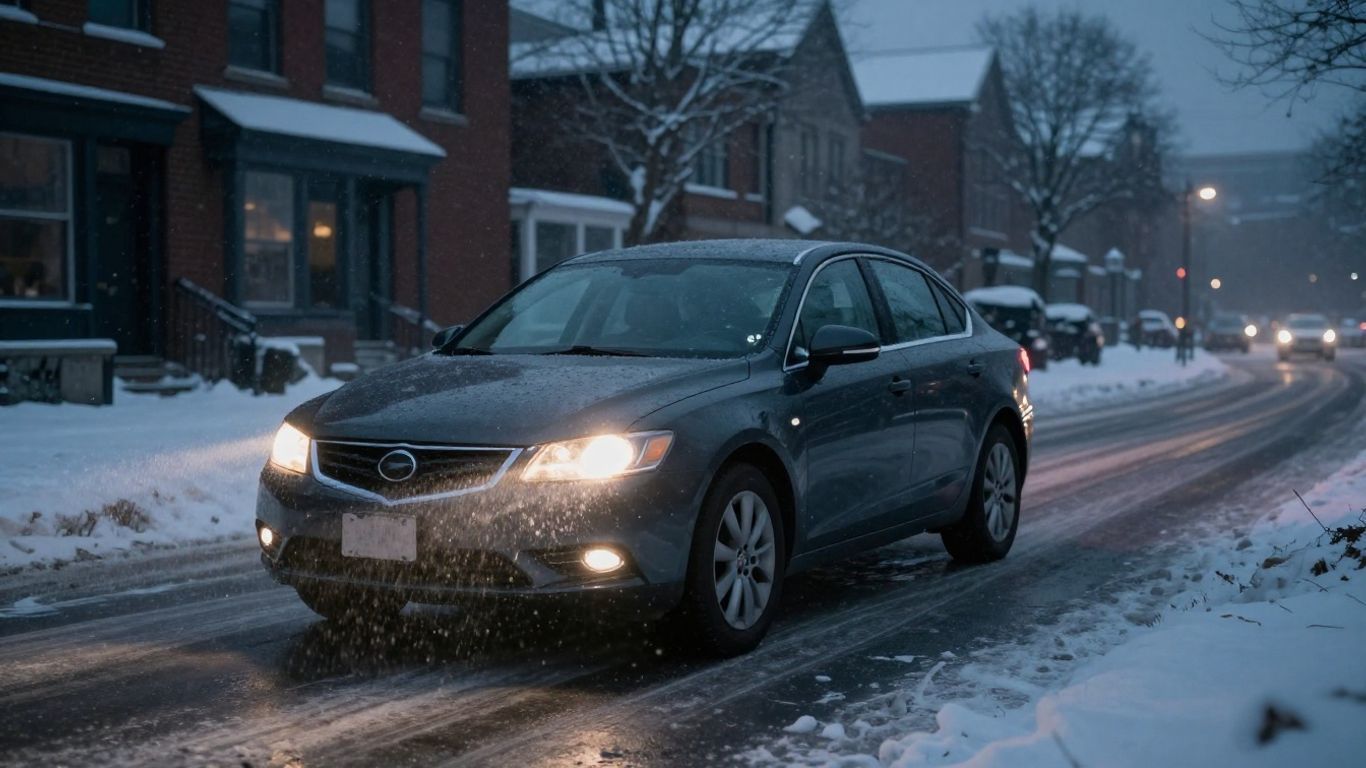
Cleveland winters can be rough. Snow, ice, and freezing rain make driving tricky, to say the least. If you're someone who needs to get around, especially during the colder months, you might be thinking about ways to make your car safer and easier to handle. That's where adaptive driving aids come in. These systems can really make a difference when the roads get slick. Let's talk about how to pick the right ones for you.
Key Takeaways
- Adaptive driving aids are car systems designed to help drivers, especially in tough weather like Cleveland's winters.
- These aids can improve control on slippery roads, help you see better in snow or fog, and warn you about potential hazards.
- When picking adaptive driving aids, think about your car, the specific winter conditions in Cleveland, and any personal needs you have.
- Common aids include systems for better traction (like stability control) and those that help with visibility (like better headlights and blind spot warnings).
- Make sure any adaptive driving aids you choose work with your car and consider professional installation and your budget.
Understanding Adaptive Driving Aids For Cleveland Winters
What Are Adaptive Driving Aids?
So, what exactly are these adaptive driving aids we keep hearing about? Basically, they're smart systems built into newer cars that help you drive better, especially when the weather gets rough. Think of them as a co-pilot that's always paying attention. They use sensors and computers to monitor what your car is doing and what's happening around it. These systems can step in to help you stay in control when things get dicey on the road. They're not magic, but they can make a big difference when you're dealing with slick streets.
Benefits of Adaptive Driving Aids in Snow and Ice
Cleveland winters are no joke. We get plenty of snow, ice, and that slushy mess that makes driving a real challenge. Adaptive driving aids are a game-changer for this kind of weather. They can help prevent skids, keep you from sliding off the road, and generally make your commute less stressful. Having these systems means you can feel a bit more confident when you have to head out, even if the forecast looks grim. They're designed to work with your car's normal functions, but give you an extra layer of safety when you really need it.
Key Features to Look For
When you're looking at cars or thinking about adding these features, there are a few things that really stand out for winter driving:
- Electronic Stability Control (ESC): This is a big one. It helps keep your car from spinning out if you have to swerve suddenly or if you hit a slippery patch.
- Traction Control: This system stops your wheels from spinning when you're trying to accelerate on ice or snow. It helps you get moving smoothly.
- All-Wheel Drive (AWD) or Four-Wheel Drive (4WD): While not strictly an
Assessing Your Winter Driving Needs
Before you even start looking at fancy gadgets, it's smart to take a good, hard look at what you actually need. Cleveland winters are no joke, and what works for one person might not be the best fit for another. Thinking about your specific situation is the first step to making sure you get the right adaptive driving aids.
Evaluating Your Vehicle's Capabilities
First off, what are you driving? Not all cars are created equal when it comes to handling slick roads. Some older models might not have the electronic nannies that newer cars come with standard. You'll want to know:
- Does your car have anti-lock brakes (ABS)?
- What about traction control or stability control systems? Check your owner's manual if you're not sure.
- How old are your tires? Are they all-season, or something more winter-ready?
Your current vehicle's built-in features are the foundation for any adaptive aids you might add. If your car is already pretty basic, you might need to consider more robust solutions. It's like building a house; you need a solid base before you start adding the fancy trim.
Considering Cleveland's Specific Winter Conditions
We all know Cleveland gets snow, but it's more than just that. We deal with lake-effect snow, which can dump a lot of the white stuff in a short period. Plus, there's ice, slush, and freezing rain. This means:
- Roads can go from clear to treacherous really fast.
- Visibility can drop to near zero during snow squalls.
- The temperature swings can make ice form and melt, creating unpredictable road surfaces.
Think about the routes you take most often. Are they major highways that get plowed quickly, or are they smaller neighborhood streets that might stay icy longer? Knowing the typical conditions you'll face helps narrow down what kind of help you'll need. For example, if you often drive in heavy snow, advanced traction systems are a big deal. If visibility is your main worry, better lighting and sensor systems might be your priority. You can find some great resources on winter driving safety from organizations that focus on accessibility, like North Georgia Mobility.
Identifying Personal Mobility Challenges
This part is super personal. Are there any physical limitations that make driving in tough conditions harder for you? Maybe it's slower reaction times, difficulty turning the steering wheel, or issues with your vision. Adaptive driving aids aren't just about the car; they're about making sure you can operate the vehicle safely.
Consider how your own physical abilities interact with the challenges of winter driving. If you have any concerns, it's always a good idea to talk to your doctor or a specialist who understands mobility needs. They might have specific recommendations that can guide your choice of adaptive aids.
Think about things like:
- How quickly can you react to sudden stops or swerving?
- Do you have any trouble seeing clearly, especially in low light or bad weather?
- Are there any physical tasks related to driving (like steering or braking) that are difficult for you?
Answering these questions honestly will help you figure out which adaptive driving aids will actually make a difference for your safety and comfort on Cleveland's winter roads.
Types of Adaptive Driving Aids for Traction Control
When the snow starts flying and the ice coats our Cleveland streets, keeping your car moving safely is a big deal. That's where traction control systems come in. They're basically smart helpers built into your car designed to stop your wheels from spinning out of control. These systems are your first line of defense against slippery roads.
Electronic Stability Control Systems
Think of Electronic Stability Control (ESC) as your car's guardian angel on slick surfaces. It's a pretty sophisticated system that does more than just prevent wheel spin. ESC actively monitors your steering and how the car is actually moving. If it senses you're starting to skid or lose control, it can automatically apply the brakes to individual wheels and even reduce engine power. This helps you steer the car back onto your intended path. It's especially helpful in situations where you might need to make a sudden maneuver to avoid an obstacle.
Traction Control Enhancements
This is the more direct sibling to ESC, focusing specifically on wheel spin. When a wheel starts to lose grip, like when you hit a patch of black ice or try to accelerate on packed snow, the traction control system kicks in. It can do a couple of things: it might lightly tap the brakes on the spinning wheel, or it might tell the engine to ease up on the power. This redistribution of power and braking helps keep your tires gripping the road. It's not about preventing a full skid like ESC, but more about maintaining forward momentum without getting stuck or spinning your wheels uselessly.
All-Wheel Drive and Four-Wheel Drive Systems
These systems are a bit different because they're about how power is sent to your wheels. Instead of just powering two wheels (like in most front-wheel or rear-wheel drive cars), AWD and 4WD systems send power to all four wheels. This means more tires are working to grip the road at any given time.
- All-Wheel Drive (AWD): Often, AWD systems are designed to automatically adjust power distribution between the front and rear axles, and sometimes even side-to-side, depending on road conditions. Many modern AWD systems are quite smart and can send most power to the wheels with the most grip.
- Four-Wheel Drive (4WD): Typically, 4WD systems offer more driver control. You might have options to engage 4WD manually, and some systems have different modes for different types of terrain or conditions. They're often found in trucks and SUVs and can be really robust for off-road or very challenging winter conditions.
While AWD and 4WD are fantastic for getting moving, remember they don't magically make your car stop better on ice. They help you go, but you still need good tires and careful driving to stop safely. It's a team effort between the vehicle's systems and your own driving habits.
Choosing the right system depends on your car and how you plan to use it. For everyday commuting in Cleveland, a good AWD system might be all you need. If you frequently drive in more remote areas or face tougher winter conditions, a capable 4WD system could be a better fit.
Adaptive Driving Aids for Visibility and Awareness
Cleveland winters can be rough, and sometimes, even with good headlights, you just can't see what's coming. That's where adaptive driving aids come in handy. They're not just about making the car go or stop better; they're also about helping you actually see and know what's around you when the weather turns nasty.
Advanced Headlight Technologies
Modern headlights do more than just shine a light. Some systems can actually adjust where the beam points based on how you're steering. If you're turning a corner, the headlights swivel a bit to light up the road ahead, not just the side. This is super helpful on those dark, winding roads outside the city or even just navigating tricky intersections.
- Adaptive Front-lighting Systems (AFS): These swivel with your steering wheel.
- Automatic High Beams: They turn on when it's dark and off when they detect other cars, so you don't have to keep flicking the switch.
- LED and HID Bulbs: Brighter and last longer than old-school halogen bulbs, giving you a clearer view.
Blind Spot Monitoring Systems
This is a big one for winter. Snowbanks can hide cars, and slush can spray up, making it hard to see in your mirrors. Blind spot monitors use sensors to detect vehicles in your blind spots. A little light usually pops up on your side mirror, letting you know someone's there. It's like having an extra set of eyes watching your back.
- Alerts you to vehicles in your blind spots.
- Often includes a visual warning on the side mirror.
- Some systems can also warn you if you try to change lanes when a car is present.
Rain-Sensing Wipers and Defrost Systems
Dealing with fogged-up windows and icy windshields is a constant battle in Cleveland. Rain-sensing wipers automatically adjust their speed based on how hard it's raining, so you don't have to fiddle with the controls. Advanced defrost systems, often tied into the climate control, work to clear your windshield and windows faster. Some cars even have heated wiper blades or a heated windshield to prevent ice buildup.
Keeping your windows clear is more than just convenience; it's about safety. When visibility is low, even small obstacles can become big problems. These systems help take some of the guesswork out of staying clear-eyed on the road.
- Automatic wiper speed adjustment.
- Faster windshield defrosting capabilities.
- Heated elements for wipers and windshields to combat ice.
Choosing the Right Adaptive Driving Aids for Your Vehicle
So, you've looked into what adaptive driving aids are and why they're a good idea for Cleveland's winter roads. Now comes the part where we figure out what actually works for your car and your situation. It’s not a one-size-fits-all deal, you know? What might be perfect for your neighbor’s SUV could be a total mismatch for your sedan, or even for your own driving habits.
Compatibility With Your Car Model
First things first, you gotta make sure whatever gadget or system you're eyeing is actually designed to work with your specific car. Not all aids are universal. Some are built right into the car's computer system from the factory, while others are add-ons. You don't want to buy something only to find out it's not compatible, right? That's just a waste of time and money. Always check the vehicle's make, model, and year against the aid's specifications. Sometimes, even within the same car model, different trim levels might have different electrical systems that affect compatibility. It’s worth doing a bit of digging or asking a professional.
Professional Installation Considerations
For some of these aids, especially the more complex electronic ones, trying to install them yourself might be a bad idea. Think about it: messing with your car's electronics can get tricky fast. Getting a professional to install your adaptive driving aids is often the safest bet. They have the tools and the know-how to connect everything properly without messing up your car's existing systems. Plus, a good installer can often calibrate the system correctly, which is super important for it to work as intended. If you're looking for vehicle modifications, a place like North Georgia Mobility has been doing this kind of work for a long time and can give you solid advice.
Budgeting for Adaptive Driving Aids
Let's be real, these things aren't always cheap. You've got to figure out what you can realistically spend. The cost can vary a lot depending on the type of aid and whether it's an aftermarket addition or an upgrade to an existing system. Here’s a quick breakdown of what to think about:
- Research Prices: Get quotes from a few different places. Don't just go with the first one you find.
- Factor in Installation: Remember that installation costs can add up, especially for more involved systems.
- Consider Long-Term Value: Think about how much safer and more confident you'll feel driving in the snow. Sometimes, spending a bit more upfront saves you headaches (and maybe even accidents) down the road.
It's easy to get caught up in all the fancy tech, but the most important thing is to choose aids that genuinely address your needs and fit within your budget. Don't overspend on features you won't use, but also don't skimp on safety if you can help it. A little planning goes a long way.
Think about what specific winter driving challenges you face most often. Are you mostly worried about slippery hills, poor visibility, or just general confidence on icy roads? Matching the aid to your personal needs is key to making a smart purchase.
Maintaining Your Adaptive Driving Aids
So you've got these fancy adaptive driving aids installed, which is great, especially with Cleveland winters. But just like anything else, they need a little TLC to keep working right. Ignoring maintenance is a surefire way to find yourself in a slippery situation. It’s not complicated, but it does require a bit of attention.
Regular System Checks
Think of this like checking the oil in your car, but for your tech. You don't want to wait until you're stuck in a snowdrift to realize something's off. A quick once-over can save you a lot of headaches.
- Visual Inspection: Take a look at sensors, cameras, and any external components. Make sure they're clean and free from ice, snow, or mud. A dirty sensor is a useless sensor.
- Functionality Test: Before you head out on a particularly nasty day, do a quick test. Does the adaptive cruise control seem to be reacting properly? Are your headlights adjusting as they should? Even a short drive in a safe area can help.
- Consult Your Manual: Seriously, that booklet that came with your car? It usually has a section on what to look for and how to check your specific systems. It’s a good starting point.
Understanding Warning Lights and Indicators
Your car's dashboard is like a little doctor's office for your vehicle. Those little lights and symbols are trying to tell you something. Don't just ignore them, especially if they relate to your driving aids.
If a warning light related to your adaptive driving systems pops up, don't just turn up the radio. It's your car's way of saying, 'Hey, something's not quite right here.' It could be a simple sensor issue, or something more involved, but it's best to get it checked out sooner rather than later. Ignoring it could mean the system won't work when you really need it.
Winter-Specific Maintenance Tips
Cleveland winters are no joke. The salt, the slush, the freezing temperatures – they all take a toll. Here’s what to focus on when the snow starts flying:
- Sensor Cleaning: This is probably the most important one. Salt spray and grime can build up quickly on cameras and radar sensors. Keep a clean microfiber cloth handy and wipe them down regularly. You can find specialized cleaning solutions if needed.
- Headlight Alignment: Snow and ice can sometimes knock headlights out of alignment. Proper alignment is key for technologies like adaptive beams adaptive driving beams to work correctly and not blind other drivers.
- Tire Pressure: Cold weather affects tire pressure. Make sure your tires are inflated to the correct PSI, as this directly impacts traction control and stability systems. Low pressure can make your car harder to control.
- Battery Health: Cold weather is tough on car batteries. A weak battery can cause all sorts of electronic systems, including your adaptive aids, to act up or fail. Get your battery tested before winter really sets in.
Keeping these systems in good shape means they'll be there for you when the roads get slick. It's about being proactive, not reactive, especially when you're dealing with challenging weather.
Keeping your adaptive driving tools in good shape is super important for staying safe and independent on the road. Regular check-ups and simple cleaning can make a big difference in how well they work. Don't wait for a problem to pop up; proactive care ensures your aids are always ready when you need them. For expert advice and services to keep your driving aids running smoothly, visit our website today!
Wrapping Up Your Winter Driving Prep
So, that's a lot to think about when it comes to getting your car ready for Cleveland's winter. It might seem like a big job, but picking the right driving aids can really make a difference. Don't just guess; take your time, look into what works best for your specific needs, and maybe even talk to someone who knows their stuff. Getting these things sorted now means less stress and more safety when the snow starts flying. Drive smart out there!
Frequently Asked Questions
What exactly are these 'adaptive driving aids' you're talking about?
Think of adaptive driving aids as smart helpers built into your car. They use technology to make driving safer, especially when the weather gets rough. They can help you steer better, stop more smoothly, and see more clearly when it's snowy or icy.
How do these aids help when Cleveland gets a lot of snow and ice?
When roads are slippery, these aids are like having an extra set of eyes and hands. Systems like traction control stop your wheels from spinning out, and electronic stability control helps keep your car from skidding. Better headlights and blind spot warnings also make it easier to see other cars and stay in your lane.
Do I need special driving aids if my car already has things like ABS?
ABS (Anti-lock Braking System) is a great start, but adaptive driving aids go further. While ABS stops your wheels from locking up when you brake hard, newer systems can help control your car's direction and prevent slides even before you need to brake. They work together to give you more control.
Are all-wheel drive (AWD) or four-wheel drive (4WD) considered adaptive driving aids?
Yes, they are! AWD and 4WD systems are a type of adaptive aid because they automatically send power to all the wheels. This helps your car get better grip on slippery surfaces like snow and ice, making it easier to move forward and maintain control.
Can I add these aids to an older car, or do I need a new one?
Some aids, like better tires or even some electronic systems, can sometimes be added to older cars. However, many advanced features like stability control are built into newer vehicles. It's best to check with a car expert or mechanic about what's possible for your specific car model.
How do I know if my car's adaptive driving aids are working correctly in the winter?
Your car usually has warning lights on the dashboard that will tell you if there's a problem with these systems. It's also a good idea to have them checked by a professional before winter really hits. Driving carefully and paying attention to how your car handles in slippery conditions will also give you clues.