Winter Mobility Safety Tips for Seniors in Ringgold, Dalton & Chattanooga This February
February in Ringgold, Dalton, and Chattanooga can bring some slick conditions. Keeping mobile and safe when it's icy or snowy is super important, especially for seniors. This guide is all about making sure you can get around without worry this winter. We'll cover how to stay steady on your feet, get your car ready, make your home safer, and plan trips smartly. Let's talk about winter mobility safety.
Key Takeaways
- Prepare your walking surfaces: Keep entryways clear of snow and ice, and consider adding grab bars inside your home for extra support.
- Dress for the weather: Wear non-slip shoes and layers when you go outside to help prevent falls.
- Check your vehicle: Make sure your car is ready for winter with good tires and a full tank of gas, and keep an emergency kit handy.
- Plan ahead for trips: Always check the weather forecast and road conditions before you leave.
- Stay connected: Let someone know where you're going and when you expect to be back, and don't hesitate to ask for help if you need it.
Navigating Icy Conditions Safely
Winter in Ringgold, Dalton, and Chattanooga can bring some slick surprises, especially in February. When the temperature drops and moisture hits the ground, things can get pretty icy. It's not just about getting from point A to point B; it's about doing it without taking a tumble.
Understanding Winter Mobility Safety Challenges
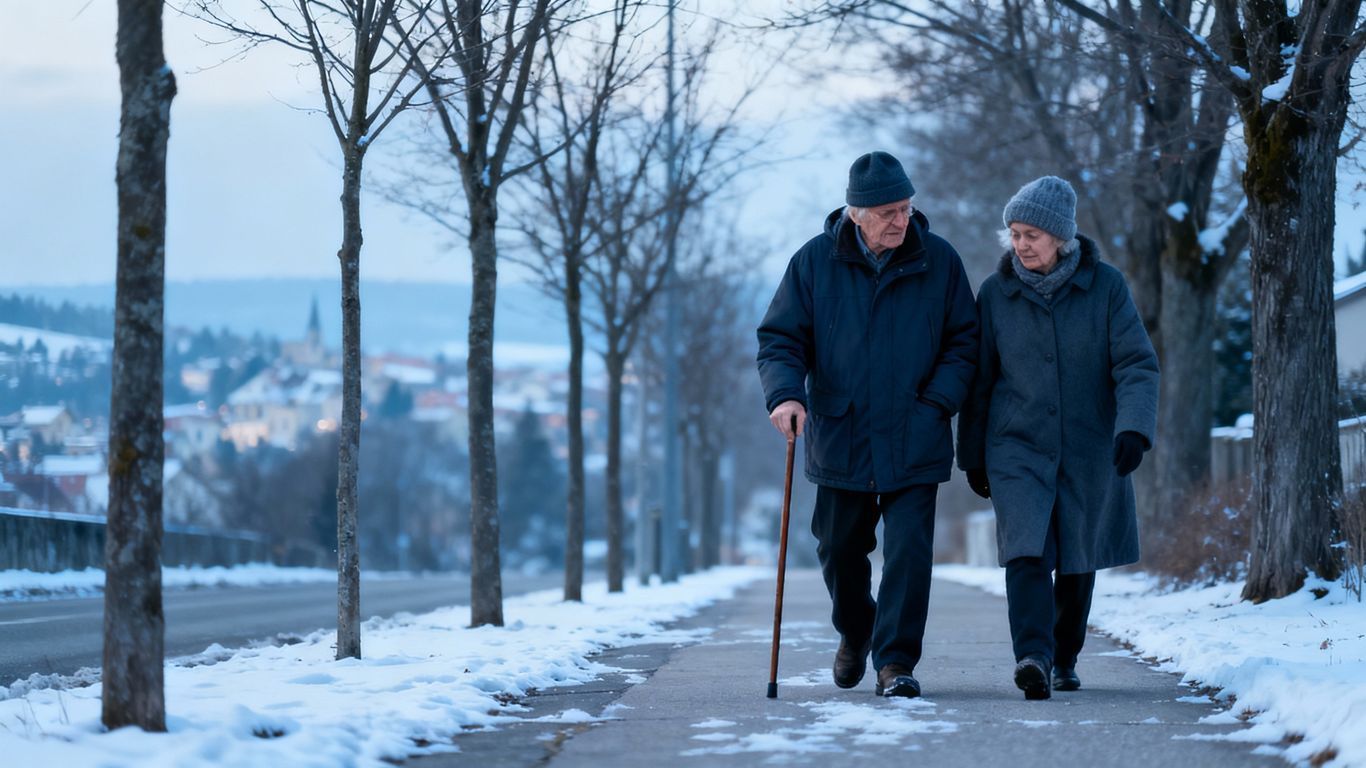
Walking on ice or packed snow is a whole different ballgame than a clear sidewalk. The main issue is traction. Your shoes just don't grip like they do on dry pavement. This can lead to slips, which for seniors, can mean more than just a bruised ego. Broken bones or head injuries are a real concern, and they can really set back your independence. Even a short trip to the mailbox can become a hazard if you're not prepared. We need to think about how the cold affects our balance and reaction times too. Everything just feels a bit slower and more precarious when it's freezing out.
The cold air itself can make muscles feel stiffer, and if you're already dealing with mobility issues, this added stiffness makes it harder to adjust your footing quickly if you start to slip. It's a combination of external conditions and internal physical responses that makes winter walking tricky.
Essential Gear for Winter Mobility
Getting the right gear makes a huge difference. You don't need a whole new wardrobe, but a few key items can make your walks much safer.
- Footwear: Look for shoes or boots with deep treads. Rubber soles are usually better than hard plastic. If your current shoes are slippery, consider adding slip-on traction devices that go over your existing shoes. These have little metal cleats that dig into the ice.
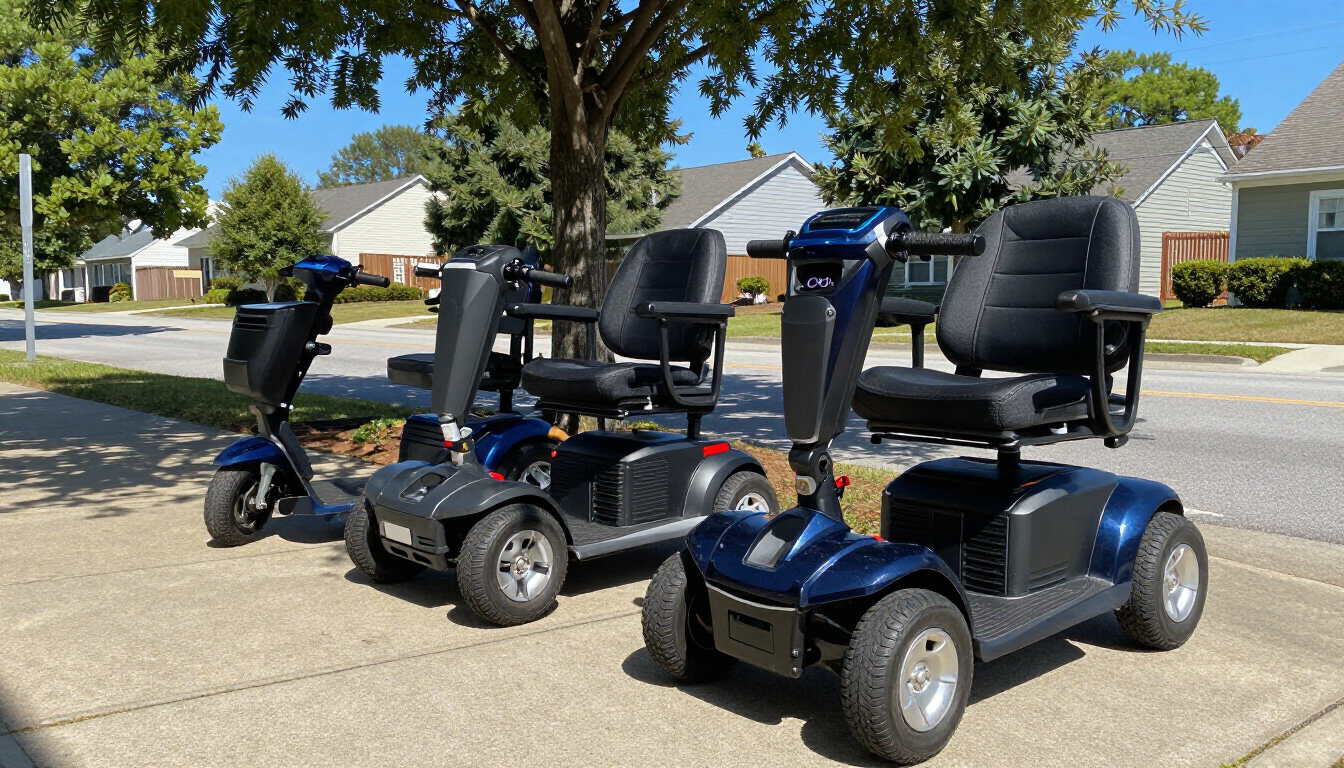
- Handheld Support: A sturdy cane or trekking poles can provide an extra point of contact with the ground. Make sure the tip has a rubber or carbide end for better grip, and consider a snow tip attachment if you'll be walking on deeper snow.
- Visibility: If you're out when it's dark or foggy, wear bright clothing or reflective gear. This helps drivers see you, which is important even if you're just on the sidewalk.
Safe Walking Techniques on Snow and Ice
Even with the right gear, how you walk matters. It's all about being deliberate and careful.
- Shorten Your Stride: Take smaller steps. This keeps more of your feet on the ground and reduces the chance of overextending and losing balance.
- Bend Slightly: Lean forward just a bit from your ankles, like a penguin. This shifts your center of gravity over your feet, making you more stable.
- Keep Your Hands Free: Avoid carrying heavy bags or holding things in both hands. You need your hands free to use a cane, poles, or to catch yourself if you start to slip.
- Watch Where You're Going: Don't just stare at your phone. Look ahead for icy patches, uneven surfaces, or other obstacles. Plan your path before you step.
Vehicle Preparedness for Winter Travel
Winter weather can really make driving tricky, especially around here with those sudden temperature drops. Making sure your car is ready for whatever February throws at it is a smart move. A little preparation goes a long way in keeping you safe on the road.
Pre-Trip Vehicle Inspections
Before you head out, especially on longer trips or if your car's been sitting a bit, give it a good once-over. It’s not just about checking the obvious stuff; think about what winter conditions demand.
- Tires: Are they properly inflated? Do they have enough tread left? Good tires are your first line of defense against slippery roads.
- Fluids: Check your antifreeze level and condition. Make sure your windshield washer fluid is topped up with a de-icing formula.
- Battery: Cold weather is tough on batteries. If yours is a few years old, get it tested. A dead battery in the cold is no fun.
- Wipers: Are your wiper blades worn out? Replace them if they're leaving streaks or not clearing the windshield effectively.
Ensuring Traction and Control
Getting around safely in snow and ice is all about having good traction. This means thinking about your tires and how you drive.
- Tire Choice: If you live in an area that gets a lot of snow, consider snow tires. They're designed for better grip in cold, slippery conditions.
- Driving Habits: Slow down. Seriously, just take it easy. Accelerate and brake gently. Avoid sudden movements.
- Four-Wheel Drive/All-Wheel Drive: While these systems help, they don't make you invincible. You still need to drive cautiously.
Remember that even with the best equipment, winter driving requires extra attention and patience. Give yourself plenty of time to get where you're going, and don't be afraid to pull over if conditions become too dangerous.
Emergency Kit for Roadside Assistance
It's always a good idea to have a basic emergency kit in your car, especially during winter. You never know when you might get stuck or need a little help.
- Warmth: Blankets, extra hats, gloves, and a warm coat.
- Light & Power: A flashlight with extra batteries, and a portable phone charger.
- Supplies: Water, non-perishable snacks, a first-aid kit, and a small shovel.
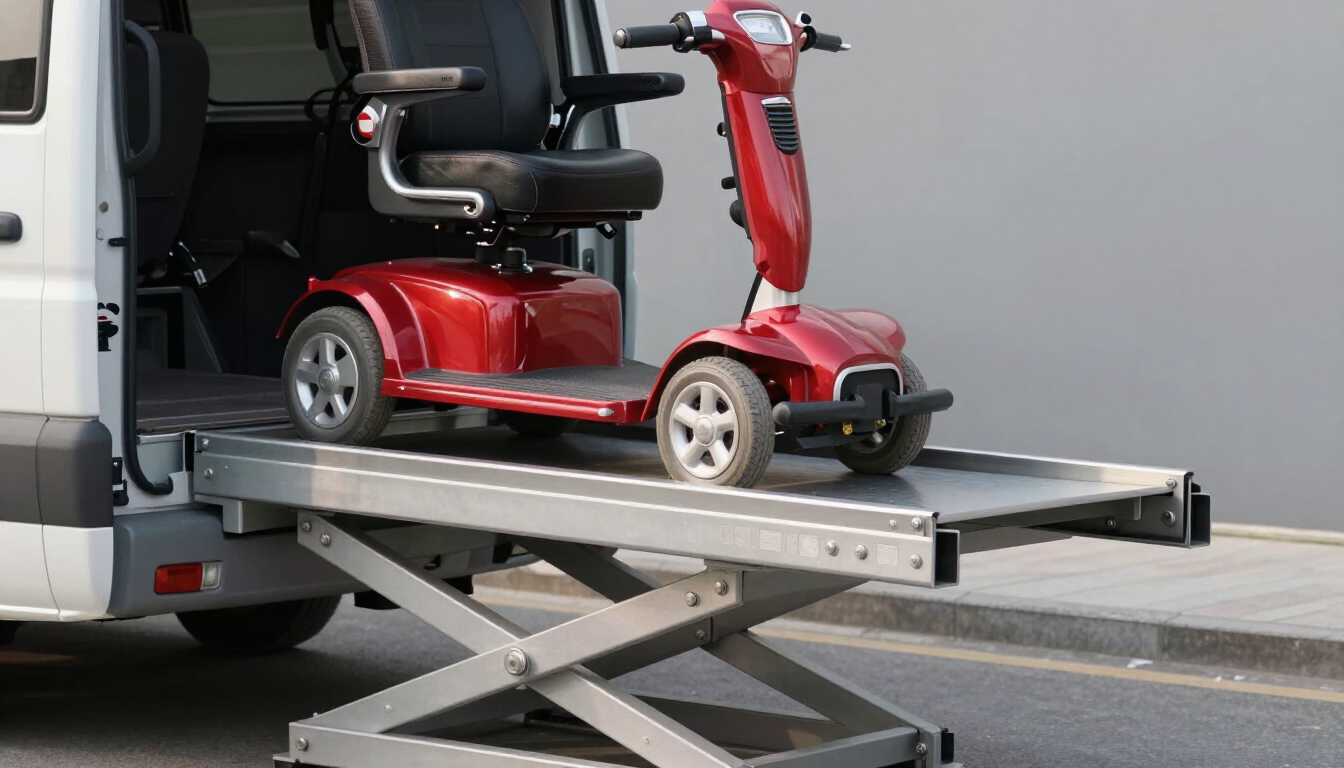
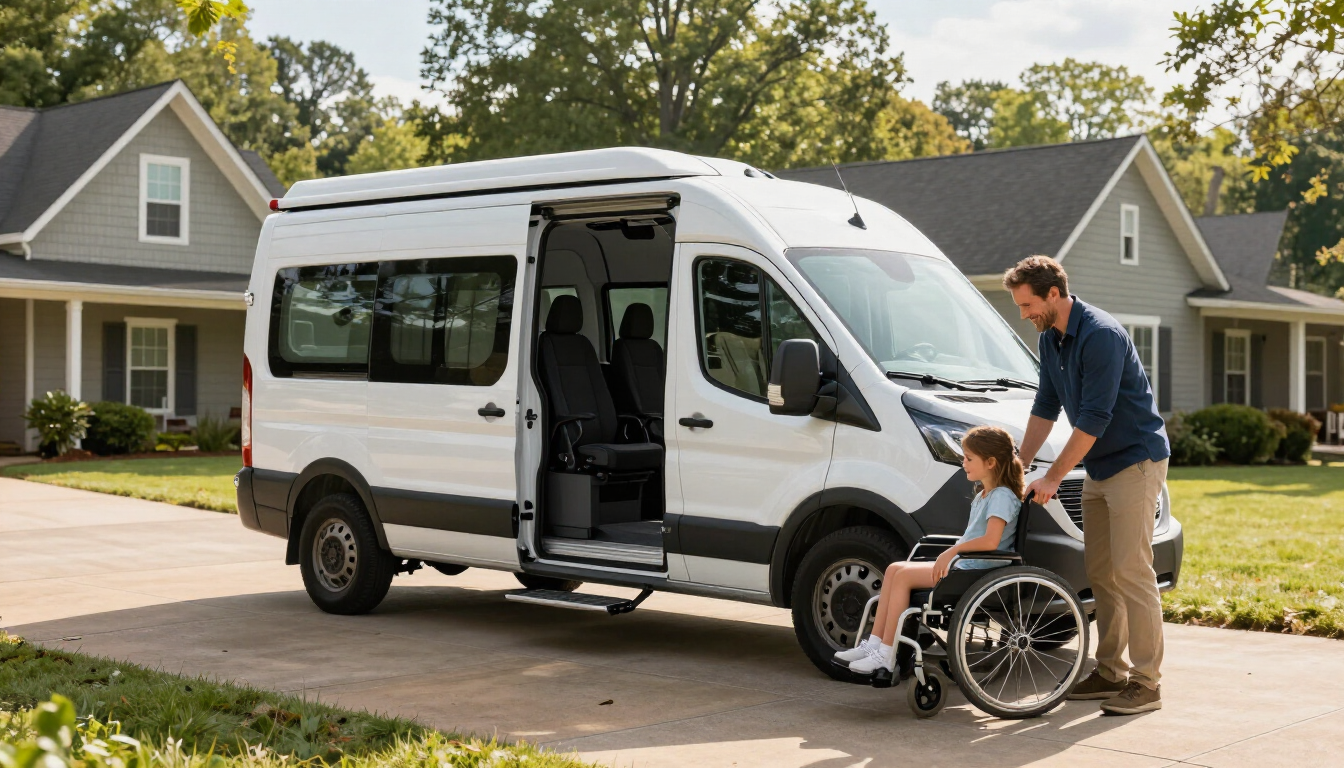
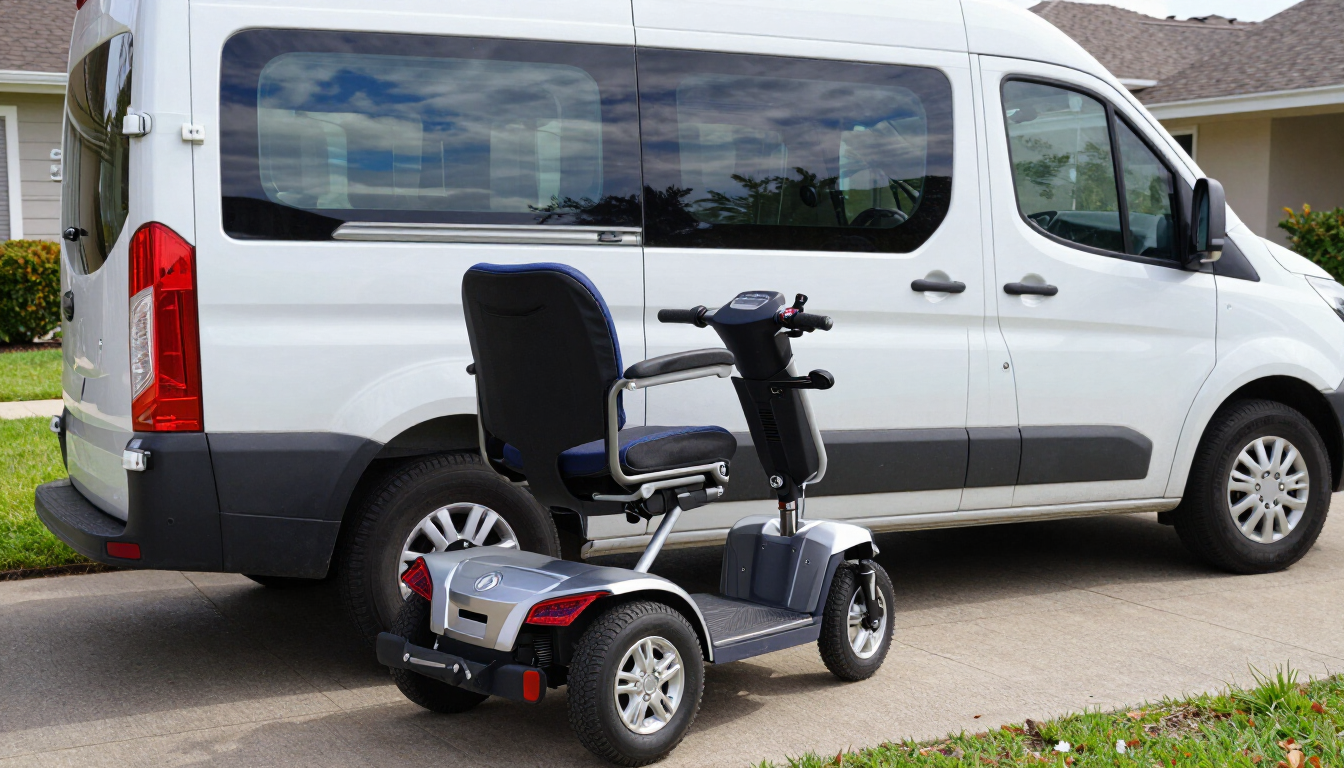
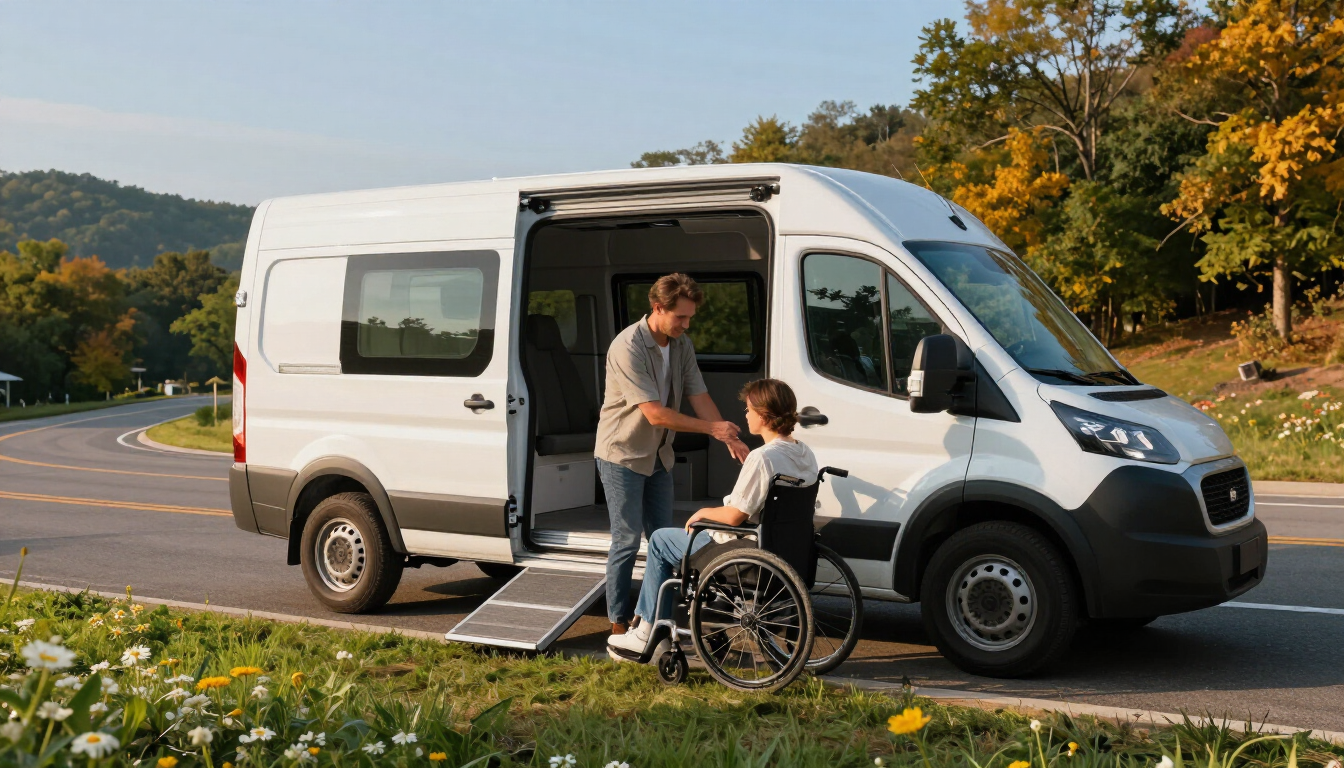
- Vehicle Help: Jumper cables, a tow rope, and a bag of sand or kitty litter for traction if you get stuck. You might also want to look into vehicle conversion services if you have specific mobility needs that winter weather exacerbates.
Home Accessibility and Winter Safety
Maintaining Clear Entryways
Keeping your home safe starts right at the front door. When snow and ice hit, those walkways and steps can become real hazards. It’s a good idea to have a plan for clearing them quickly. Think about having a good shovel and maybe some ice melt or sand on hand. Regularly checking and clearing your porch, steps, and any paths leading to your car is super important. Don't wait until it's a big pile of ice; a little bit done often makes a huge difference.
- Keep a sturdy shovel near the door.
- Stock up on ice melt or sand before the bad weather hits.
- Clear snow and ice as soon as possible after it falls.
A clear path isn't just about convenience; it's about preventing serious injuries. A fall on ice can lead to broken bones or other injuries that take a long time to heal, especially for seniors.
Indoor Mobility Aids and Support
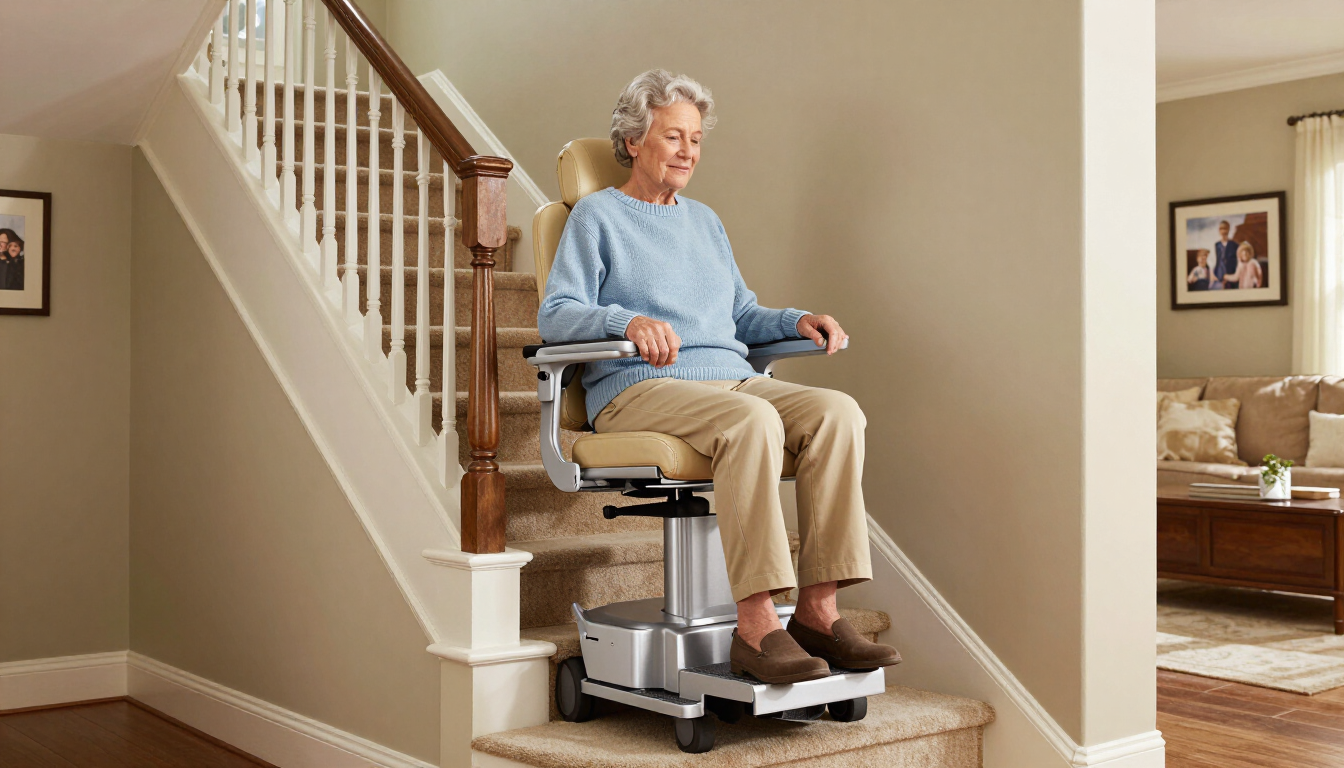
Even inside your house, winter weather can make things tricky. If you use a walker or cane, make sure it's in good shape and has good rubber tips for grip. Sometimes, just having a few grab bars installed in key spots, like near the bathroom or in hallways, can make a big difference. Think about rugs too – loose ones can be a tripping hazard, so make sure they're secured or removed if they cause problems. It’s all about making your home a safe space, no matter what’s happening outside.
Preventing Slips and Falls Indoors
Falls inside the house are more common than you might think, and winter can add to the risk. Wet shoes tracked inside can make floors slick. Consider having a mat right by the door to catch water and dirt. Also, make sure your lighting is good, especially in hallways and stairways. A well-lit home reduces the chance of tripping over something you can't see. If you have stairs inside, check that the handrails are secure. It’s the little things that add up to a safer home environment.
Planning Your Winter Excursions
Checking Weather and Road Conditions
Before you even think about heading out the door, especially in February, it's a really good idea to check what the weather's doing. Things can change fast around here, and you don't want to get caught off guard. Knowing the forecast helps you decide if it's even safe to travel. Look up local weather reports and see what's expected for your route. Sometimes, a little snow can turn into a big problem if you're not prepared.
Winter weather can be unpredictable. A quick check of the forecast can save you a lot of trouble and keep you safe on the roads or sidewalks.
Choosing Accessible Transportation Options
Getting around can be tricky when it's cold and icy. Think about how you'll travel. If you're driving, make sure your car is ready for winter, like having good tires. If you're not driving yourself, look into options that are set up for people with mobility needs. Sometimes, public transport might have delays or route changes due to weather, so having a backup plan is smart. You might want to look into services that specialize in transportation for seniors if you're concerned about getting to appointments or visiting friends.
Informing Others of Your Travel Plans
It's always a good practice, but even more so in winter, to let someone know where you're going and when you expect to be back. This is especially true if you're going somewhere new or if the weather looks iffy. A quick text or call to a family member or a trusted friend can make a big difference if something unexpected happens. They'll know to expect you and can check in if you're late. It’s a simple step that adds a layer of safety.
Staying Connected and Supported
Winter can sometimes feel isolating, especially when the weather makes it tricky to get around. It’s a good idea to have a plan for staying in touch with people and knowing where to find help if you need it. Keeping your support network close is key to safe and comfortable winter months.
Leveraging Community Resources
There are local groups and services that can really make a difference. Think about what's available right here in Ringgold, Dalton, and Chattanooga. Many communities have programs aimed at helping seniors with transportation, errands, or even just a friendly check-in. Don't hesitate to look into these options. For instance, organizations like North Georgia Mobility specialize in accessibility solutions and can help with vehicle modifications or mobility aids, making it easier to get out and about.
- Check with your local senior center for activity schedules and transportation services.
- See if there are volunteer groups that offer help with grocery shopping or home visits.
- Inquire about community transportation services that might be available for appointments.
Sometimes, just knowing there's a friendly face or a helping hand nearby can make all the difference. Reaching out to these local resources isn't a sign of weakness; it's a smart way to maintain your independence and safety.
Importance of Communication During Travel
If you do plan to go out, especially during February when weather can be unpredictable, letting someone know your plans is a simple but effective safety measure. This isn't about being overly cautious; it's about practical preparedness. If you're heading to a doctor's appointment or visiting a friend, a quick call or text can go a long way.
- Tell a family member or friend where you are going.
- Share your expected return time.
- Agree on a check-in time if you'll be out for a while.
Seeking Assistance When Needed
It's perfectly okay to ask for help. Whether it's a neighbor lending a hand with shoveling a walkway or a family member helping with a tricky task, don't feel like you have to do everything alone. If you find yourself in a situation where you're unsure or uncomfortable, reaching out is the best course of action. Remember, there are people who care and want to help you stay safe and independent. If you're ever concerned about personal safety, resources exist to support individuals who have experienced difficult situations, like those offered by organizations focused on victim support and education [b84c].
Don't go through this journey alone. We're here to offer a helping hand and make sure you have the support you need. Reach out to us today to learn how we can assist you.
Stay Safe Out There!
February can still bring some tricky weather to Ringgold, Dalton, and Chattanooga, so remember these tips. Taking a little extra time to prepare your home and your travels can make a big difference. Don't hesitate to ask for help from family, friends, or neighbors if you need it. And if you're thinking about ways to make getting around easier, especially with mobility challenges, North Georgia Mobility has been helping folks for a long time. They know their stuff when it comes to vehicle and home adaptations. Stay warm, stay safe, and enjoy the rest of your winter!
Frequently Asked Questions
What's the biggest danger for seniors walking on ice?
The main worry is falling and getting hurt. Icy sidewalks and roads can be super slippery, making it easy to lose your balance. Even a small stumble can lead to a big injury, like a broken bone, which takes a long time to heal, especially for older folks.
What kind of shoes are best for walking in winter?
You'll want shoes with good grip, like boots with deep treads. Think about shoes that are water-resistant too, so your feet stay dry and warm. Avoid smooth-soled shoes or slippery slippers when you're heading outside.
How can I make sure my car is ready for winter driving?
Before you drive, check your tires to make sure they have enough air and good tread. Make sure your windshield wipers, lights, and brakes are working perfectly. It's also smart to have a full tank of gas and keep an eye on the weather forecast.
What should I keep in my car in case of an emergency?
It's a good idea to have an emergency kit. This could include things like a warm blanket, some snacks, a flashlight, jumper cables, and maybe a small shovel. Also, make sure your phone is charged and you have a way to call for help if needed.
How can I make my home safer during winter?
Keep your walkways and steps clear of snow and ice. Inside, make sure rugs are secured so they don't slip. Using handrails on stairs and having good lighting can also prevent falls. If you have trouble getting around, consider grab bars or other helpful devices.
Who can help seniors with mobility needs in the Ringgold area?
Organizations like North Georgia Mobility in Ringgold specialize in helping people with their mobility needs. They offer vehicle conversions and can provide advice on accessibility solutions for both vehicles and homes. They've been helping the community for a long time!