Mobility Equipment for Caregivers: What to Know Before Summer

Summer is coming, and if you're a caregiver in Fort Oglethorpe, GA, you know that means more time outside and maybe some travel. Getting around can be a bit tricky, both for you and the person you care for. This article is all about making summer easier by looking at the gear that helps with moving around. We'll talk about wheelchairs, ramps, and even changes you might need for your car or home. Plus, we'll cover how to keep everything working right and where to find help.
Key Takeaways
- Think about what you need as a caregiver and what the person you care for needs when picking out equipment.
- Lightweight wheelchairs and portable ramps can make getting outside and into places much simpler during the summer.
- Modifying vehicles with lifts or ramps can make trips outside the home much easier for everyone.
- Making changes at home, like adding grab bars or looking at stair lifts, can improve daily life and safety.
- Keeping mobility gear clean and in good working order is important for safety, especially when using it often in the summer.
Choosing the Right Mobility Equipment for Caregivers in Fort Oglethorpe GA
Picking out the right mobility gear can feel like a big task, especially when you're juggling so many responsibilities as a caregiver here in Fort Oglethorpe. It's not just about getting something that works; it's about finding equipment that makes life easier and safer for both you and the person you're caring for. The goal is to find solutions that promote independence and improve daily life.
Understanding Caregiver Needs
First off, let's think about you, the caregiver. What are your physical demands? Are you lifting and transferring frequently? Do you have any back issues or other physical limitations? Your own well-being is just as important as the patient's. We need to consider equipment that reduces strain on your body. Think about:
- Your own physical strength and stamina.
- The frequency and type of assistance you provide.
- Any personal health concerns that might affect your ability to use certain equipment.
Assessing Patient Requirements
Next, we look at the person needing care. What are their specific mobility challenges? Are they able to stand with assistance, or do they require full support? What's their weight and height? Understanding these details helps narrow down the options considerably. It’s about matching the equipment to their unique situation.
- Level of mobility (e.g., walker, wheelchair, bed-bound).
- Weight and height of the individual.
- Cognitive abilities and cooperation.
- Any specific medical conditions affecting movement.
When selecting mobility aids, always prioritize safety and comfort. It's better to invest a little more time and money upfront to get equipment that truly fits the needs, rather than dealing with problems later. This could mean looking at specialized providers who can offer personalized advice.
Exploring Equipment Options
Once you've got a clear picture of both caregiver and patient needs, you can start looking at what's out there. There's a whole range of equipment available, from simple walkers to more complex lifts. Don't feel overwhelmed; think of it as finding the right tools for the job. For instance, if you're looking for vehicle adaptations, places like North Georia Mobility can show you what's possible. You might need:
- Transfer aids (e.g., gait belts, transfer boards).
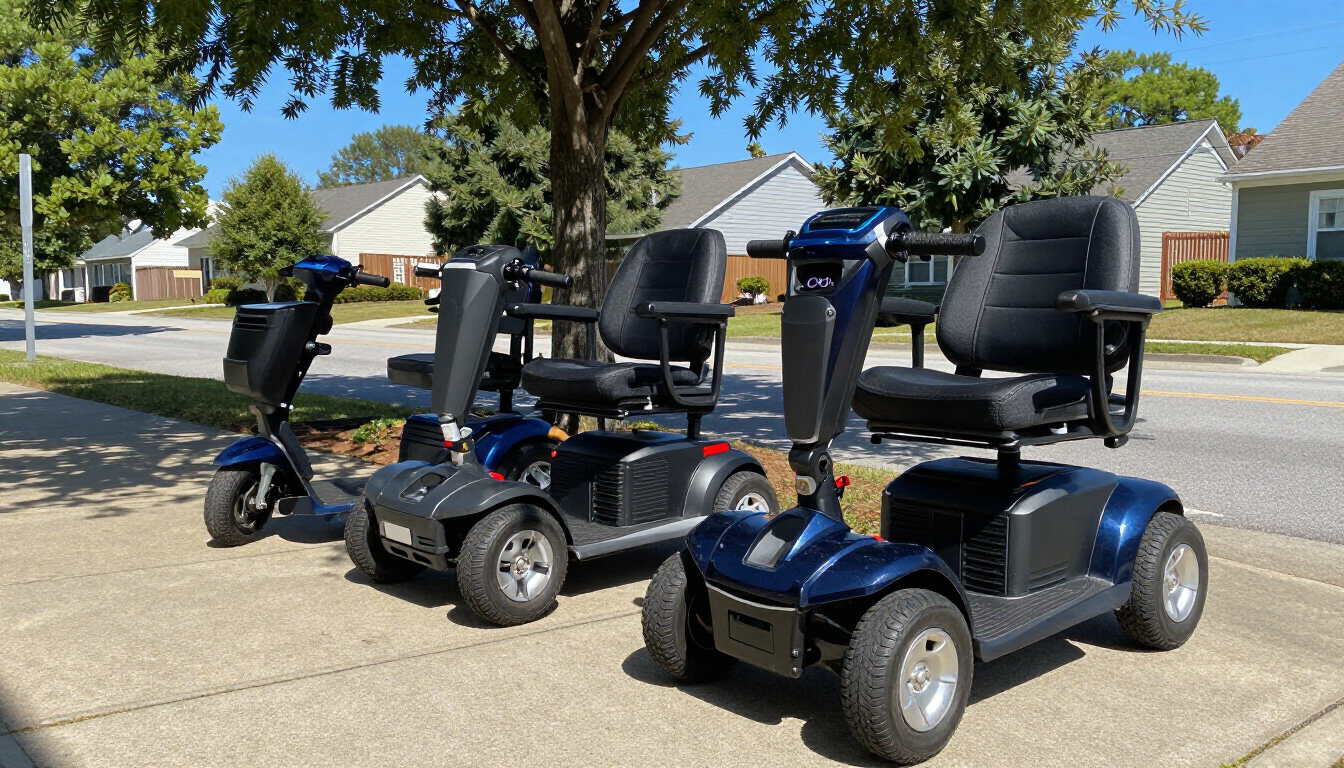
- Mobility devices (e.g., walkers, wheelchairs, scooters).
- Supportive seating solutions.
Remember, getting the right equipment isn't just about the item itself; it's about how it fits into the overall care plan. Sometimes, a simple adjustment or a different type of device can make a world of difference. If you're new to this, talking to professionals who specialize in mobility solutions can be really helpful. They often have a good sense of what works best for different situations, and they can guide you through the choices. You might even find local resources that can help with the practicalities of finding a job that fits your skills, like caregiver positions in Fort Oglethorpe.
Essential Mobility Aids for Summer Caregiving
Summer often means more time outdoors, which can be wonderful, but it also brings unique challenges for caregivers and those they assist. Getting around can become trickier with uneven terrain, warmer weather, and the desire to enjoy local parks or events. Thankfully, there are specific mobility aids designed to make these summer excursions smoother and safer.
Lightweight Wheelchairs for Outdoor Excursions
When the weather warms up, the urge to get outside is strong. For caregivers, this means needing equipment that's easy to maneuver and transport. Lightweight wheelchairs are a game-changer for summer outings. They are far simpler to push over grass or gravel than heavier models, and many fold up compactly for stowing in a car trunk. Look for models with larger rear wheels, as these tend to handle varied outdoor surfaces better. Some even come with features like sunshades, which can be a real blessing on hot days.
Portable Ramps for Easy Access
Summer activities often involve visiting places that might not be fully accessible. Think about a picnic in the park with a small step, or visiting a friend's house with a porch. Portable ramps can make a huge difference. These are usually lightweight and foldable, making them easy to carry and set up where needed. They can bridge small gaps, like a few steps or a curb, allowing a wheelchair or walker user to get around without a fuss. It's about removing those little barriers that can stop you from enjoying a day out.
Comfortable Seating Solutions
Longer days and outdoor events mean spending more time sitting. Standard chairs might not cut it, especially if you're out for an extended period. Consider portable, comfortable seating options. This could be a specialized outdoor wheelchair cushion that offers better support and breathability, or even a lightweight, foldable chair that provides more ergonomic support than a basic park bench. Making sure the person you care for is comfortable is key to enjoying any summer activity.
Planning ahead with the right gear can transform a potentially difficult outing into a pleasant experience for both caregiver and care recipient. It's about having the right tools to embrace the season.
Vehicle Modifications for Enhanced Mobility
Getting out and about with someone who uses mobility equipment can be a challenge, especially when summer rolls around and you want to enjoy the outdoors. Thankfully, there are ways to make your vehicle work better for both of you. Modifying your vehicle can make a huge difference in daily life. It's not just about getting from point A to point B; it's about making the journey comfortable and safe.
Wheelchair Lifts and Ramps
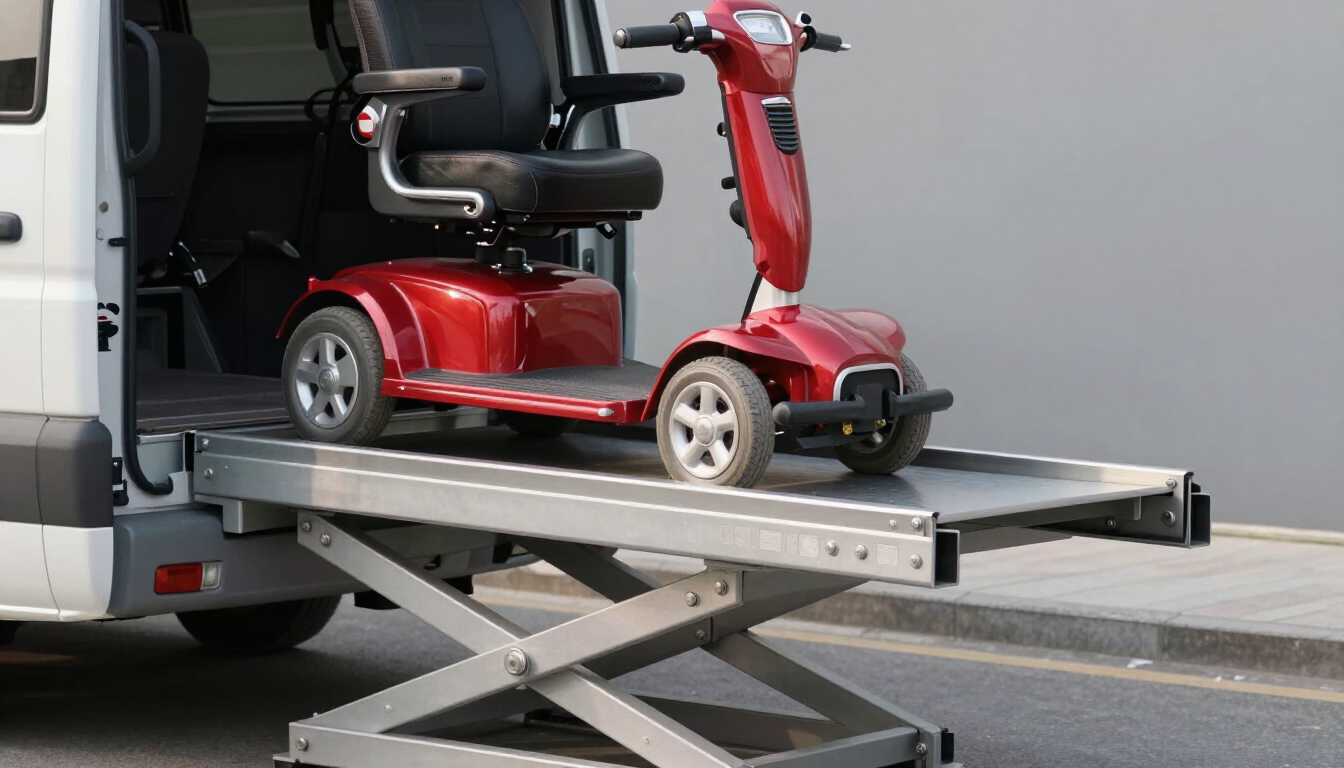
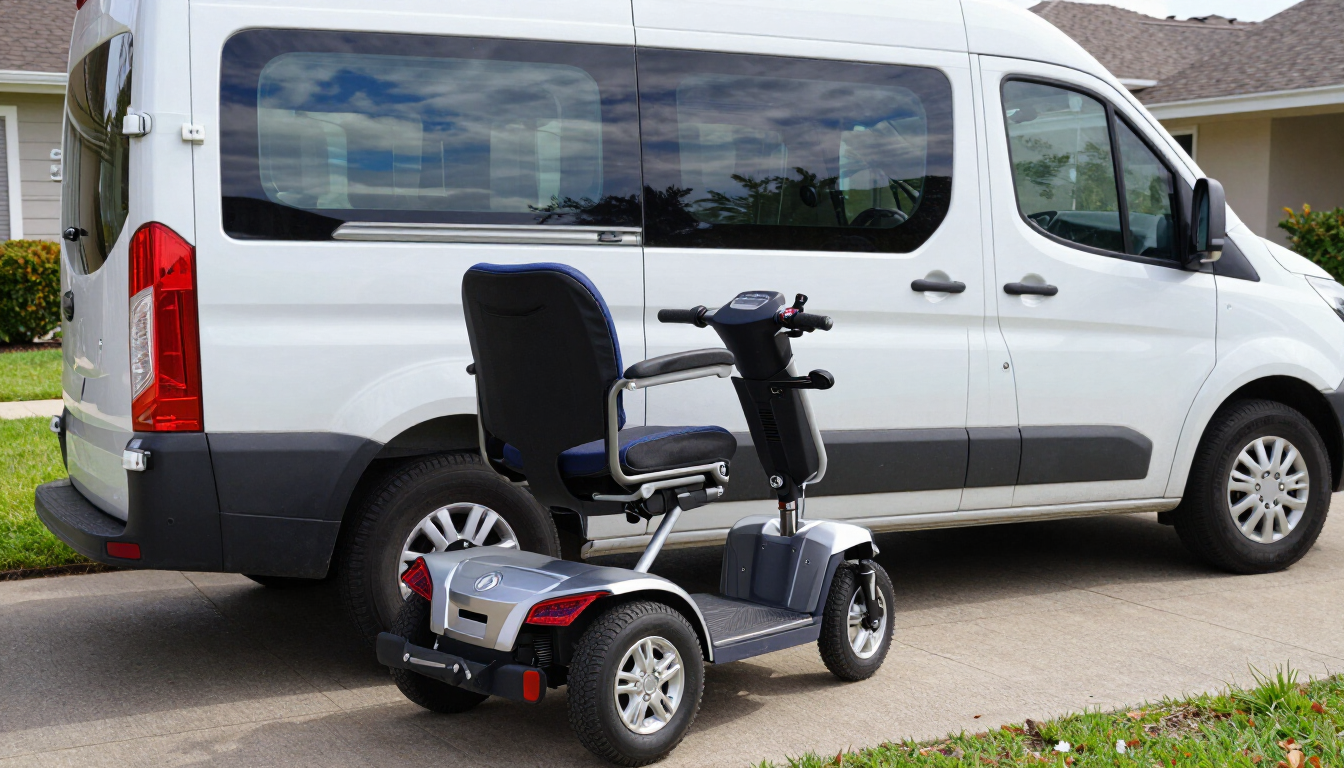
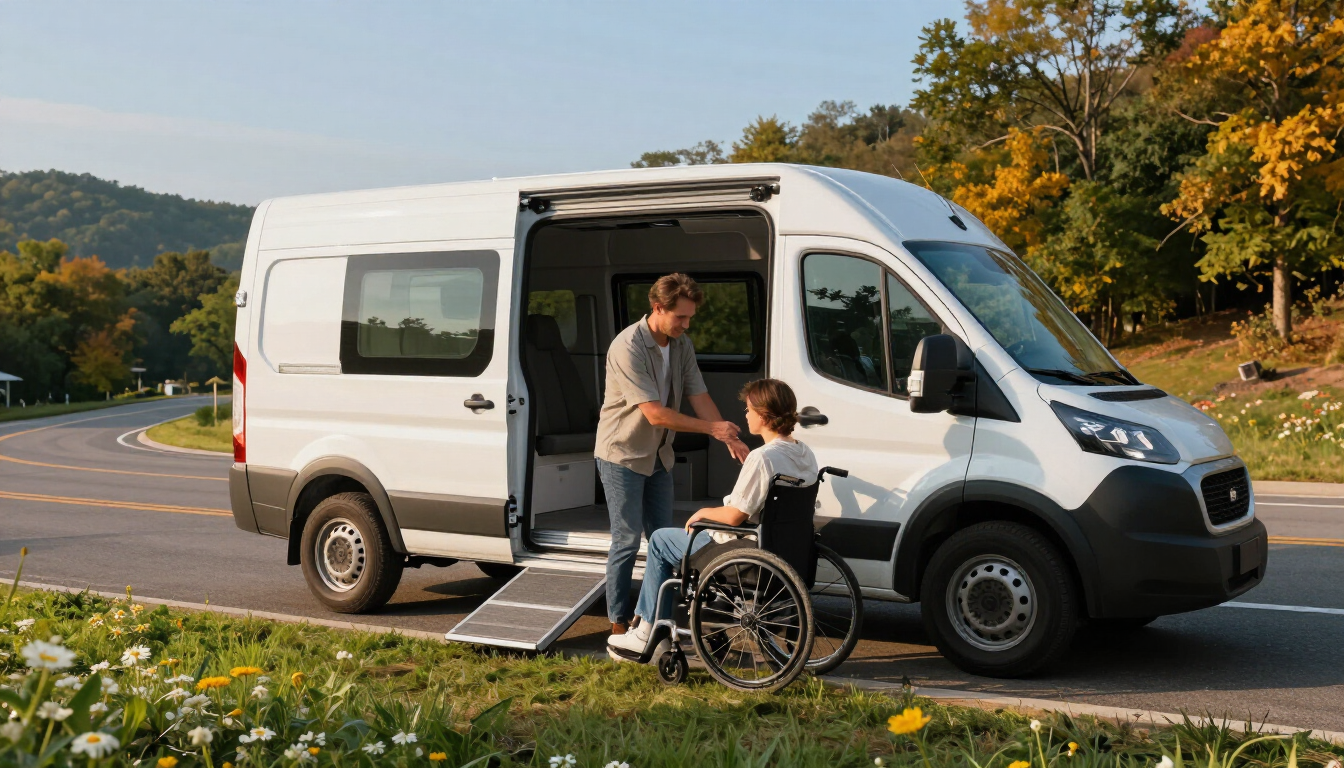
If your loved one uses a wheelchair, getting it into and out of a vehicle can be a real workout. That's where lifts and ramps come in. Lifts are great for heavier wheelchairs or scooters, hoisting them up and into the vehicle. Ramps, on the other hand, allow the wheelchair user to roll right into the vehicle themselves, or with a little help. There are different types, so you'll want to consider:
- Platform lifts: These are sturdy and can handle heavier loads.
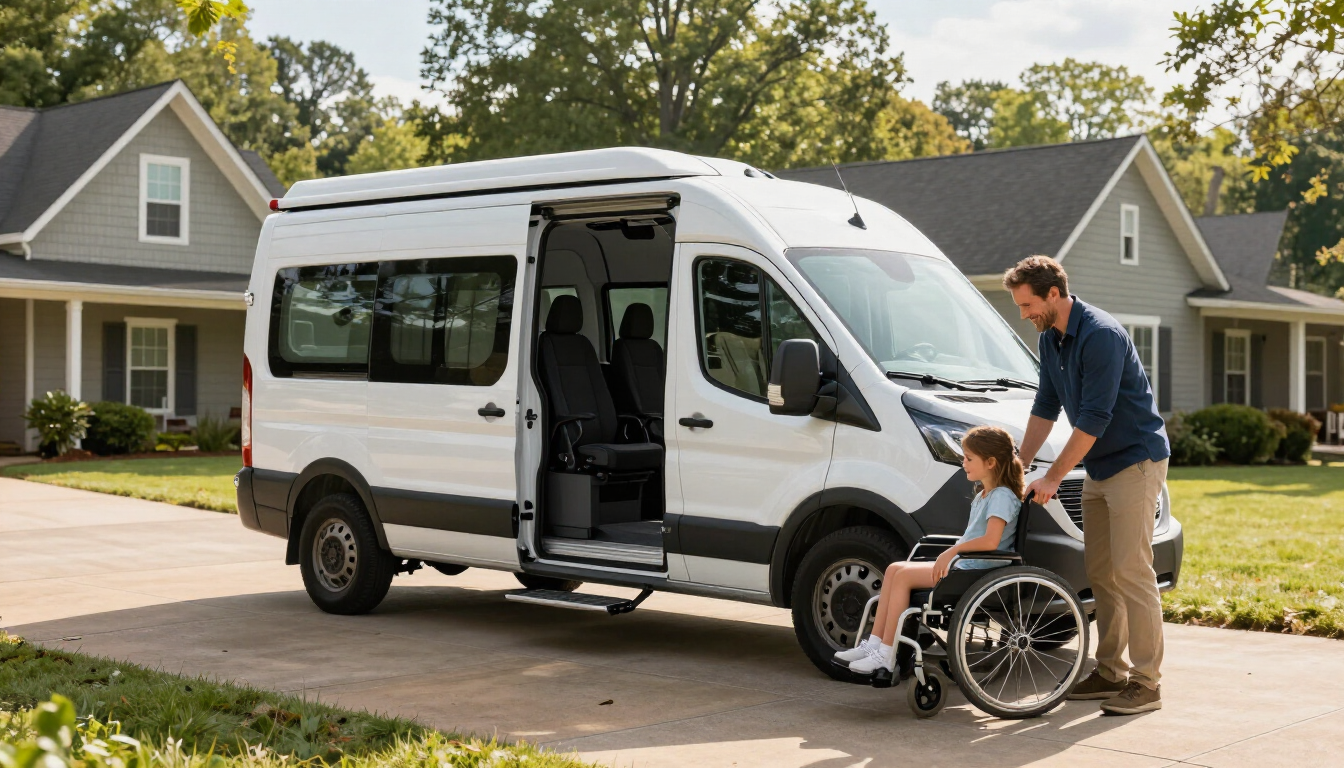
- Ramps: They can be manual or automatic, folding out of the way when not in use.
- Vehicle type: Make sure the lift or ramp fits your car or van.
Hand Controls and Steering Aids
Sometimes, the caregiver might be the one needing a little help with driving. If you have a physical limitation that makes using standard pedals difficult, hand controls can be a game-changer. These allow you to operate the gas and brakes using your hands. There are also steering aids, like spinner knobs, that make it easier to turn the wheel with less effort. It's all about making the driving experience more accessible for everyone involved.
Accessible Van Conversions
For more extensive needs, a full van conversion might be the best route. Companies specialize in taking standard vans and turning them into fully accessible vehicles. This can include:
- Lowered floors for more headroom.
- Wider doorways and automatic ramps.
- Securement systems for wheelchairs.
These conversions are a bigger investment, but they offer the most freedom for travel. You can find a wide selection of converted vehicles and adaptive solutions from places that specialize in mobility assistance.
Making these changes isn't just about convenience; it's about independence and quality of life. It means fewer barriers to enjoying family outings, appointments, and everyday errands. Think about the trips you could take, the parks you could visit, or even just the ease of getting to the grocery store without a struggle.
When looking into modifications, remember that costs can vary widely. Some simple adaptations might be quite affordable, while full conversions can be a significant expense. It's worth exploring all the options to find what fits your budget and your specific needs. You might be surprised at the range of solutions available, from basic aids to fully converted vans.
Home Accessibility Solutions for Caregivers
Making your home a safe and easy place to move around in is a big part of being a caregiver. It's not just about the patient, but also about making your own job simpler and less physically demanding. Think about the daily routines – getting around the house, using the bathroom, even just moving from room to room. Small changes can make a huge difference.
Stair Lifts and Home Elevators
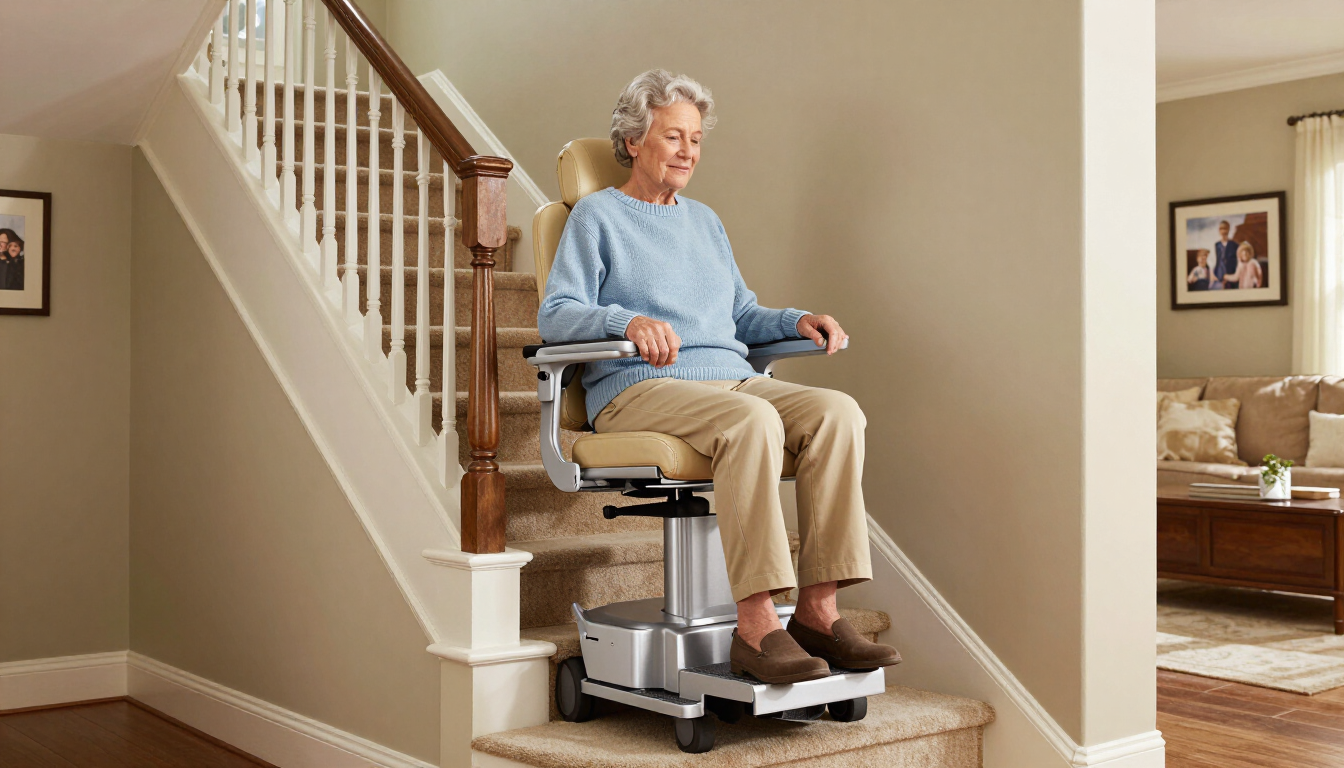
If stairs are a barrier, they don't have to be. Stair lifts are a popular choice for homes with multiple levels. They attach to your existing staircase and carry a person up or down safely. For more extensive needs, a home elevator might be an option, though this is a bigger project. These devices can significantly improve independence for both the person needing assistance and the caregiver.
Grab Bars and Safety Rails
These are simple, yet incredibly effective. Installing grab bars in key areas like bathrooms (near the toilet, in the shower or tub) and hallways can prevent falls. They give a stable point to hold onto when standing up, sitting down, or moving. Think of them as extra hands when you need them most.
Accessible Bathroom and Kitchen Upgrades
Bathrooms and kitchens are often areas where accessibility is most needed. This can include:
- Widening doorways: This makes it easier for wheelchairs or walkers to pass through.
- Installing walk-in tubs or shower seats: These make bathing safer and more comfortable.
- Adjusting counter heights or adding pull-out shelves: This helps with reaching items in the kitchen.
- Lever-style faucet handles: These are easier to operate than traditional knobs.
Making your home more accessible isn't just about adding equipment; it's about rethinking how space is used and how daily tasks are performed. It's about creating an environment that supports everyone living in it, reducing strain and increasing safety for all involved. Sometimes, even simple things like rearranging furniture can help create clearer pathways.
When looking into these kinds of modifications, it's good to know there are local businesses that can help. For example, places like North Georgia Mobility have been doing this for years and can offer advice on what might work best for your specific situation. They can also help with other accessibility needs, like vehicle modifications, which ties into getting out and about during the summer months. Another resource to consider is programs that focus on accessibility modifications, which might cover some of the costs or provide installation services for things like ramps and handrails.
Maintaining Mobility Equipment for Optimal Performance
Taking care of your mobility gear means it'll be ready when you need it, especially when the weather gets warmer and you want to get out more. Regular upkeep is key to making sure everything runs smoothly and safely. It's not just about keeping things looking nice; it's about preventing breakdowns and ensuring the person you're caring for stays comfortable and secure.
Regular Cleaning and Maintenance
Think of cleaning your equipment like giving it a good bath. Dirt and grime can get into moving parts and cause problems. For things like wheelchairs, give the frame a wipe-down and check the wheels for anything stuck in them. If you have powered equipment, pay attention to the connections.
- Wipe down frames and seating surfaces with a damp cloth.
- Check tire pressure and look for any wear and tear.
- Clean any visible dirt or debris from joints and mechanisms.
For battery-powered devices, keeping the terminals clean is a good idea. A little bit of corrosion can really mess with the power flow. You can use a soft brush to gently clean them. Proper maintenance helps your equipment last longer.
Battery Care for Powered Devices
Batteries are the heart of powered wheelchairs, scooters, and lifts. If they aren't cared for, they won't last as long, and that can really put a damper on your plans. You don't want to run out of juice halfway through an outing.
- Always follow the manufacturer's charging instructions. Don't overcharge or let them drain completely too often.
- Store powered devices in a moderate temperature. Extreme heat or cold can affect battery life.
- If you're not using a device for a while, make sure the battery has some charge before storing it.
Keeping batteries in good shape means more reliable use throughout the day. It’s worth the effort to prepare your scooter for warmer weather.
Safety Checks Before Use
Before you head out the door, especially for a longer trip or an excursion, a quick safety check is a smart move. It only takes a minute and can save you a lot of hassle.
A quick once-over can catch small issues before they become big problems. It’s about peace of mind for both you and the person you’re assisting.
- Test the brakes on wheelchairs and scooters.
- Ensure all locks and restraints are secure.
- Check that batteries are adequately charged for your planned activity.
These simple steps help make sure your equipment is ready for whatever the day brings.
Resources for Caregiver Support in Fort Oglethorpe GA
Being a caregiver can feel like a lot sometimes, and it's good to know you're not alone. There are places right here in Fort Oglethorpe and the surrounding areas that can help make things a bit easier. Finding the right support can make a big difference in your day-to-day life.
Local Mobility Equipment Providers
When you need specific gear, knowing who to call locally is key. These businesses often have a wide range of products and can offer advice tailored to your situation. They might have everything from walkers and specialized seating to ramps and lifts. It's worth checking out places that have been around for a while and have a good reputation. For instance, North Georgia Mobility has been helping people with accessibility solutions for years, working with both vehicles and home modifications. They're even VA approved, which is helpful for many families.
Support Groups and Community Services
Sometimes, just talking to other people who get it is the best medicine. Support groups offer a space to share experiences, get tips, and find emotional backing. You might find local groups that focus on specific conditions or general caregiver challenges. The Caregiver Action Network (CAN) is a great place to start, offering education and peer support nationwide. They have a lot of information that can help you on your caregiving journey.
Don't underestimate the power of community. Connecting with others who are facing similar challenges can provide practical advice, emotional comfort, and a sense of belonging. It's a way to recharge your own batteries so you can continue to provide the best care.
Financial Assistance Programs
Mobility equipment and home modifications can add up. It's good to know there are programs that might help ease the financial burden. Depending on your situation, there could be grants, loans, or specific aid available. If you're a veteran or have a veteran in your care, the VA often has programs that can assist with equipment and modifications. Reaching out to your local VA facility's caregiver support team is a good step to see what might be available to you.
- Check with local charities and non-profits.
- Inquire about state and federal programs.
- Ask providers about payment plans or financing options.
Finding support for caregivers in Fort Oglethorpe, GA, can make a big difference. You don't have to go through the challenges of caregiving alone. There are local resources available to help you and your loved ones. Explore the options that can provide assistance and peace of mind.
Ready for Summer Adventures
So, as summer gets closer, remember that getting the right mobility gear can make a big difference. It's not just about getting around; it's about enjoying those sunny days and making memories. Taking a little time now to look into what works best for you or the person you care for will pay off. Think about what you want to do this summer – picnics, trips to the park, visiting family – and find the equipment that helps make it happen. Don't let mobility challenges keep you from enjoying the season. A little planning goes a long way.
Frequently Asked Questions
What kind of mobility gear is best for taking someone outside in the summer?
For summer outings, think about lightweight wheelchairs that are easy to move around. Also, consider portable ramps that make it simple to get over small steps or curbs. Comfortable seating is important too, especially if you'll be out for a while.
Do I need to change my car to help someone with mobility issues?
Yes, sometimes modifying your vehicle can make a big difference. Things like wheelchair lifts or ramps can help get a wheelchair into the car easily. Special controls for driving or even full van conversions can make travel much smoother for everyone.
What can I do to make my home easier to navigate for someone with mobility challenges?
You can install stair lifts if there are stairs, or even home elevators for more significant changes. Adding grab bars and safety rails in places like bathrooms and hallways provides extra support. Making bathrooms and kitchens more accessible, with features like lower counters or walk-in showers, is also very helpful.
How often should I check the mobility equipment?
It's a good idea to do regular cleaning and checkups on all mobility gear. For anything with batteries, make sure they are charged and working well. Always do a quick safety check before each use to make sure everything is secure and functioning properly.
Where can I find help or resources for caregivers in the Fort Oglethorpe area?
There are local businesses like North Georgia Mobility that offer solutions for accessibility. You can also look for support groups in your community. Sometimes, there are programs that can help with the cost of equipment or modifications, so it's worth looking into those too.
What are the main things to think about when picking out mobility equipment?
First, think about what the person you're caring for really needs. What are their daily activities like? Then, look at the different types of equipment available, like wheelchairs, walkers, or ramps. Considering how easy it is to use and transport is also key, especially for summer activities.