Is a Mobility Scooter Right for You? A Beginner’s Guide

Thinking about getting a mobility scooter? It can feel like a big step, and honestly, there's a lot to consider. You want to make sure you pick the right one for your life, not just any scooter. This guide is here to help you figure out if a mobility scooter is a good fit for you and what to look for. We'll break down how to think about your needs, the different kinds of scooters out there, and what features really matter. Plus, we'll touch on buying and using your new scooter safely. Let's get started on finding the best mobility solution for you.
Key Takeaways
- Figure out what you need a scooter for: daily tasks, indoor trips, outdoor rides, and how far you'll go.
- Know the main types: three-wheelers are nimble, four-wheelers offer more stability, and there are portable and heavy-duty choices.
- Look at the details: battery life, how much weight it can hold, its size, and how easy it is to turn and move around.
- Do your homework before buying: check brands, think about your budget, and find a good mobility scooter guide or store.
- Be safe and prepared: learn how to use your scooter, practice in a safe spot, and know how to take care of it.
Understanding Your Mobility Needs
Before you even start looking at different scooter models, the most important thing is to really think about what you need it for. It's not just about wanting one; it's about figuring out how it's going to fit into your life and make things easier. This self-assessment is the first step to finding the right fit.
Assessing Daily Activities
Think about your typical day. What do you do most often? Do you mostly stay home, or do you go out a lot? What kinds of places do you visit? Knowing this helps figure out what kind of scooter will work best.
- Home tasks: Will you use it just to get around the house, maybe from the bedroom to the kitchen?
- Errands: Do you need to go to the grocery store, the post office, or doctor's appointments?
- Socializing: Do you visit friends or family, or go to community centers?
It's easy to get caught up in all the cool features a scooter might have, but if it doesn't actually help you with the things you do every day, it's not the right choice. Focus on how it will improve your daily routine.
Considering Indoor vs. Outdoor Use
This is a big one. A scooter that's great for zipping around a large house or a shopping mall might not be the best for bumpy sidewalks or uneven terrain. You need to match the scooter's capabilities to where you'll be using it most.
- Indoor use: Usually requires a smaller, more nimble scooter with a tighter turning radius. Think about doorways and furniture.
- Outdoor use: Might need larger wheels, better suspension, and more power to handle different surfaces and inclines. You'll want something sturdy.
- Both: If you plan to use it both inside and outside, you'll need a versatile model that can handle both environments reasonably well. This often means finding a balance in size and features. Choosing the right mobility scooter involves considering its primary use.
Evaluating Distance Requirements
How far do you typically need to travel on a single charge? This is directly tied to battery life, which we'll get into later, but it's a key part of your needs assessment. If you're just going a few blocks to the corner store, you won't need the same range as someone planning longer trips to the park or to visit relatives across town.
- Short trips: A few miles might be enough.
- Medium trips: Maybe 5-10 miles.
- Longer excursions: You'll need a scooter with a more robust battery system.
Thinking through these points will give you a much clearer picture of what you're looking for. It's about making sure the scooter fits your life, not the other way around. Some places even have regulations about needing a medical assessment before getting a scooter, so it's good to be aware of that too. This new regulation aims to ensure safe use.
Types of Mobility Scooters Available
When you start looking into mobility scooters, you'll quickly see there isn't just one kind. They're designed for different situations and needs, so figuring out which type fits you best is a big step. It's not a one-size-fits-all situation.
Benefits of Three-Wheel Models
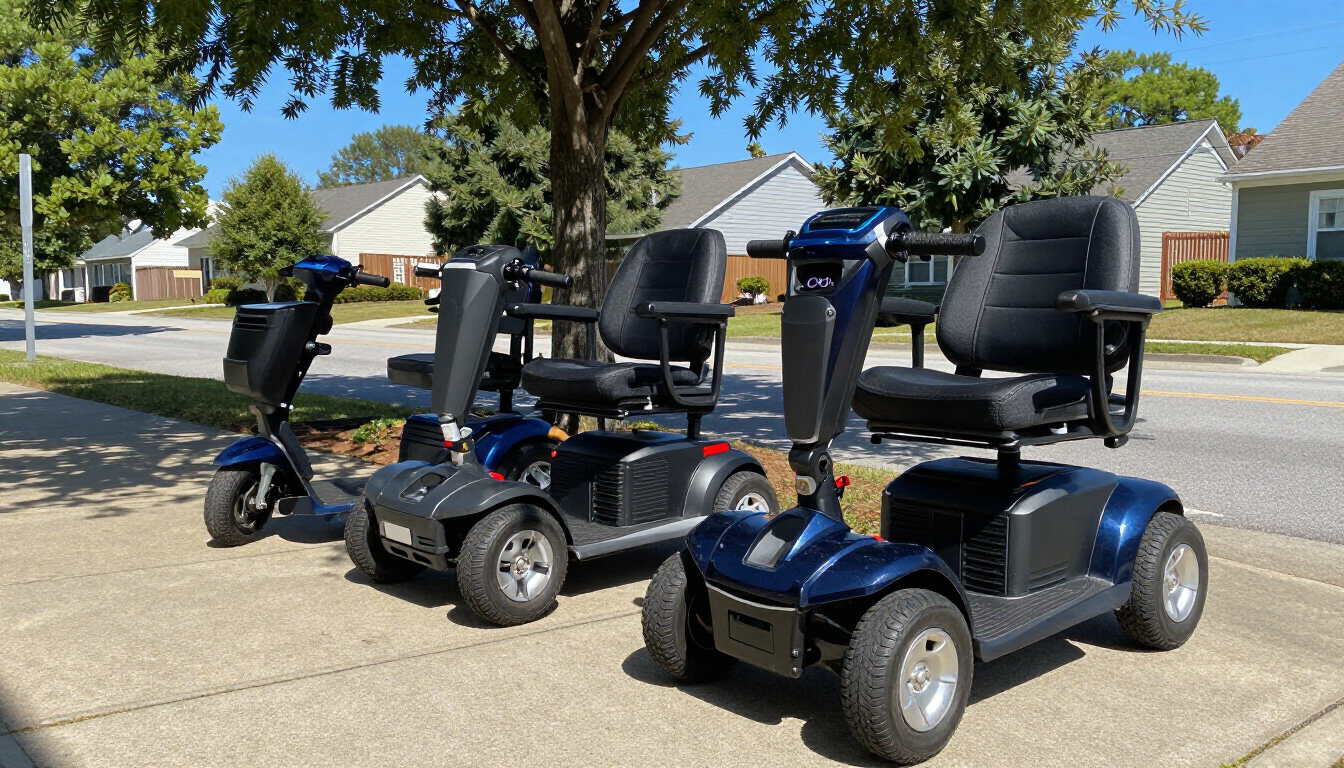
Three-wheel scooters are often the go-to for people who want something nimble. They have a tighter turning radius, which is super helpful if you plan on using your scooter mostly indoors, like in your home, at the grocery store, or in shopping malls. Think about maneuvering around tight corners or narrow aisles – a three-wheeler makes that much easier.
- Agility: Great for indoor use and tight spaces.
- Leg Room: Often provides more legroom for the user.
- Visibility: The front wheel is not obstructed, offering a clearer view ahead.
While they're fantastic for indoor maneuverability, three-wheel scooters might not be as stable on uneven outdoor terrain compared to their four-wheel counterparts. It's something to keep in mind if you're planning on tackling bumpy sidewalks or grassy areas regularly.
Advantages of Four-Wheel Models
If stability is your main concern, especially for outdoor adventures, a four-wheel scooter might be your best bet. They offer a more solid base, making them feel more secure on varied surfaces. This extra stability is a big plus for longer trips or when you're not on perfectly smooth ground. You can often find four-wheel scooters with higher weight capacities too, which is good to know.
- Stability: Superior stability, especially on outdoor terrain.
- Weight Capacity: Often designed to handle heavier loads.
- Comfort: Can provide a more comfortable ride over longer distances and rougher patches.
Exploring Portable and Heavy-Duty Options
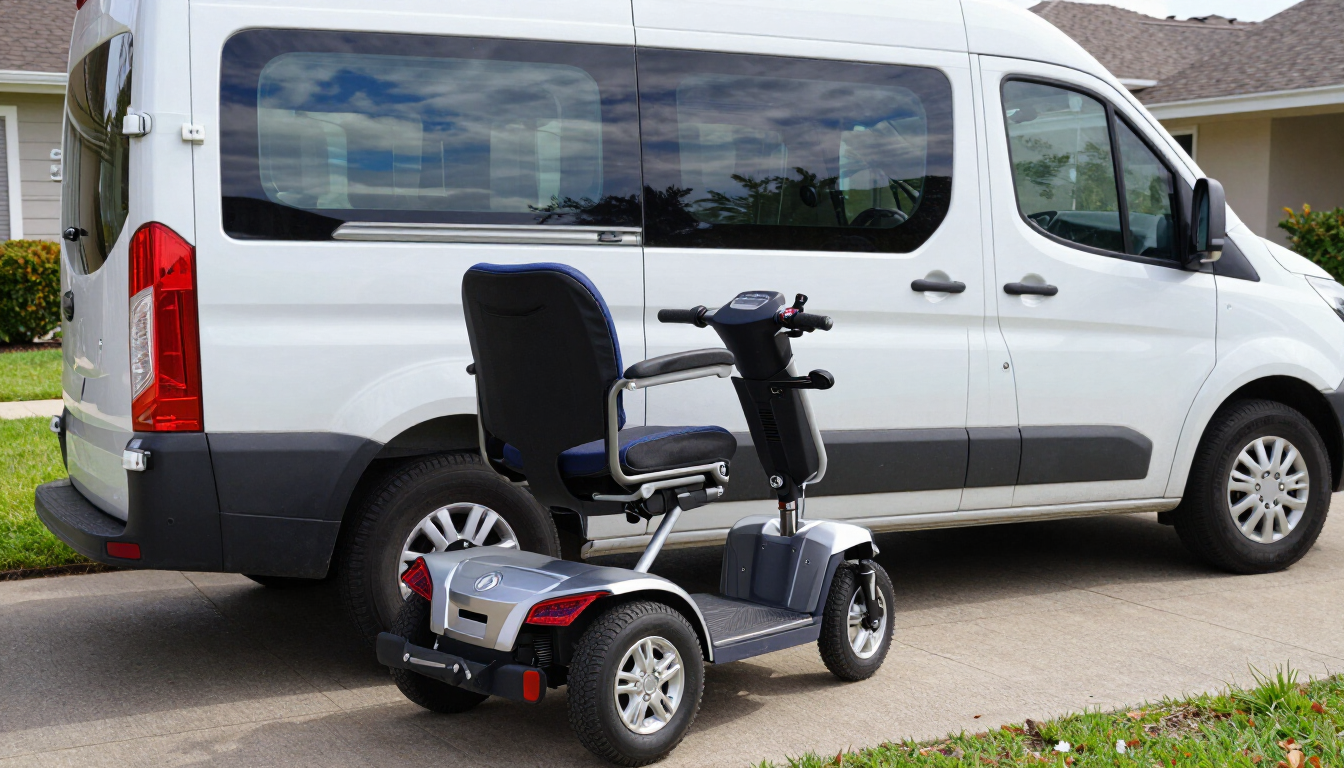
Beyond the wheel count, scooters also come in different sizes and strengths. Portable scooters, sometimes called travel scooters, are designed to be lightweight and easy to disassemble or fold. This makes them ideal for taking on trips, fitting into car trunks, or storing away easily. On the other hand, heavy-duty scooters are built for more demanding use. They typically have larger batteries, more powerful motors, and sturdier frames, making them suitable for longer distances and tougher outdoor conditions. If you're looking to explore places like the Blue Ridge Mountains, a heavy-duty model might be more appropriate.
- Portable: Lightweight, easy to transport, often foldable.
- Heavy-Duty: Robust construction, longer battery life, better for outdoor use and rougher terrain.
- Specialty: Some models are designed for specific uses, like all-terrain capabilities.
Key Features to Look For
So, you're thinking about a mobility scooter. That's great! But before you get too excited, let's talk about what really matters when you're picking one out. It's not just about the color, you know. There are some pretty important things to consider to make sure you get the right fit for your life.
Understanding Battery Life and Charging
This is a big one. You don't want to get stuck halfway to the store because your battery died, right? Think about how far you usually go in a day. Scooter batteries are rated in amp-hours (Ah), and the higher the number, the longer it'll likely last on a single charge. Also, check how long it takes to recharge. Some can take all night, while others are quicker. It's also good to know if the battery is easily removable for charging indoors, which can be a real convenience.
- Consider your typical daily travel distance.
- Look at the manufacturer's estimated range per charge.
- Factor in charging time and convenience.
Assessing Weight Capacity and Dimensions
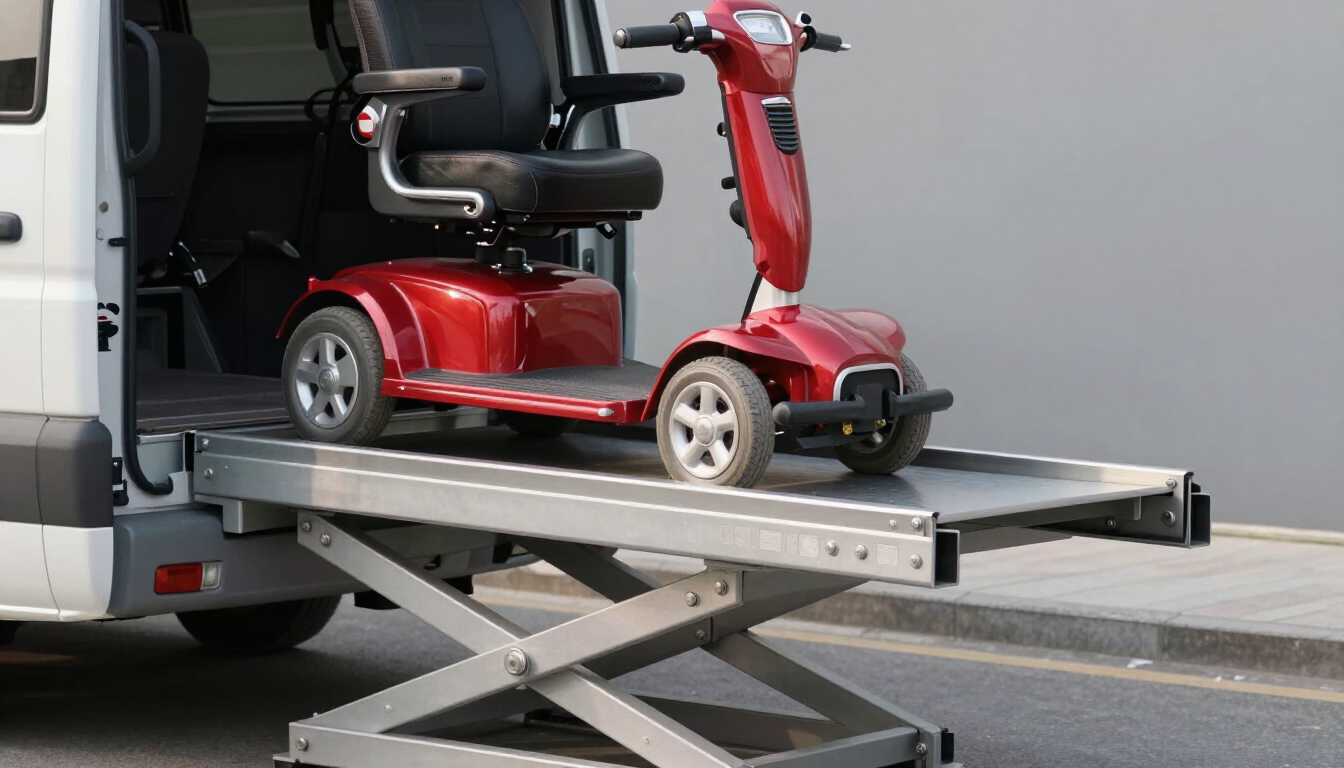
This might seem obvious, but you need to make sure the scooter can handle your weight comfortably. Most have a specific weight limit, and going over it can damage the scooter and be unsafe. Beyond that, think about where you'll be using it. If it's mostly indoors, you'll want something that can fit through doorways and around furniture. If you plan on taking it in your car, check the dimensions and how easily it disassembles or folds. Some scooters are designed for easy transport, while others are more permanent fixtures.
Don't just glance at the weight capacity; really think about your daily needs and the spaces you'll be moving through. A scooter that's too big or too small can make things more difficult, not less.
Evaluating Maneuverability and Turning Radius
This is all about how easy the scooter is to steer. For tight spaces, like navigating a crowded grocery store aisle or a small kitchen, a scooter with a tight turning radius is a lifesaver. Three-wheel models generally offer better maneuverability in confined areas compared to four-wheel models, though four-wheel scooters tend to be more stable. Think about the terrain you'll encounter most often. If it's mostly smooth, flat surfaces, maneuverability might be less of a concern than stability. If you'll be going over bumps or uneven ground, you'll want a model built for that. Finding a local mobility provider can help you test out different options to see what feels best for you personalized assessments.
When you're looking at different models, pay attention to:
- The number of wheels (three vs. four).
- The turning radius specifications.
- The types of tires (solid, pneumatic, etc.) and how they handle different surfaces.
Choosing the right mobility equipment is about more than just getting from point A to point B; it's about regaining confidence and independence. Making sure your scooter has the right features for your specific needs can significantly improve your safety and reduce the risk of falls increases security and reduces the risk of falls.
Making the Purchase Decision
So, you've figured out what kind of scooter might work best for you. That's a big step! Now comes the part where you actually have to pick one out and buy it. It can feel a little overwhelming, but breaking it down makes it much easier.
Researching Reputable Brands
When you're looking at scooters, you'll notice some brand names pop up more than others. It's a good idea to stick with brands that have a solid reputation. Think about it like buying a car – you want something reliable, right? Companies that have been around for a while and have good customer reviews are usually a safe bet. They tend to stand behind their products and have better support if something goes wrong. Don't just go for the cheapest option you see online without doing some homework.
Considering Your Budget and Financing
Mobility scooters can range quite a bit in price. You'll want to figure out how much you can comfortably spend. Some places might offer payment plans or financing options, which can be helpful if you need a bit more time to pay. It's also worth checking if your insurance or any local programs might help cover some of the cost. Sometimes, you can find good deals on refurbished models too, if that's something you're open to.
Where to Find a Mobility Scooter Guide
Finding the right scooter is a big decision, and you don't have to go it alone. Many local dealers or specialized stores have staff who know a lot about these devices. They can often let you test drive different models, which is super helpful. You can also find a lot of information online, but be sure to check the source. Looking for reviews and comparisons can give you a clearer picture of what different scooters are like in real life. It's all about finding a good mobility aid resource that fits your specific needs.
Buying a mobility scooter is an investment in your independence. Take your time, ask questions, and make sure you feel confident with your choice. It's better to spend a little longer researching than to end up with a scooter that doesn't quite work for you.
Preparing for Scooter Use
So, you've picked out the perfect mobility scooter. That's fantastic! But before you head out and explore, there are a few important things to get sorted. It’s not just about hopping on and going; a little preparation makes a big difference in safety and enjoyment.
Safety Features and Operation
First off, get to know your scooter's safety features. Most have lights, turn signals, and a horn, just like a car, but on a smaller scale. Understanding how to use these properly is key to being seen and heard by others. You'll also want to familiarize yourself with the controls – how to speed up, slow down, and steer. Most scooters have a speed limiter, which is great for keeping things under control, especially when you're first starting out. It's also a good idea to know where the emergency brake is and how it works. Don't be shy about asking the dealer to walk you through everything; they're there to help you feel confident.
Practicing in a Safe Environment
Before you tackle busy sidewalks or grocery store aisles, find a quiet, open space to practice. A large, empty parking lot or a park with wide paths can be ideal. Try making turns, stopping, and starting. Get a feel for the scooter's turning radius – how tight a circle it can make. This is especially important if you plan on using it indoors or in crowded places. Practicing helps you build muscle memory so operating the scooter becomes second nature. You might even want to try reversing a bit, just to get the hang of it. Remember, it's better to make mistakes in a safe zone than out in the real world.
Understanding Maintenance and Care
Like any vehicle, your mobility scooter needs a little TLC to keep running smoothly. The most important part is the battery. Make sure you know how to charge it correctly – usually, this means plugging it in overnight. Don't let the battery run completely dead if you can help it; it's better for its lifespan. Also, check the tires regularly to make sure they have enough air and aren't showing signs of wear. Keep the scooter clean, especially if you use it outdoors, as dirt and debris can affect its performance. A quick wipe-down after a dusty ride can go a long way. For more involved maintenance, like checking the brakes or electrical components, it’s best to consult your owner's manual or a professional service center. Many places offer regular check-ups to keep your scooter in top shape, which can be a good idea after the first few months of use.
Taking the time to learn your scooter's ins and outs, practicing your skills, and keeping up with basic maintenance will make your experience so much better. It's about more than just getting around; it's about doing it safely and confidently, allowing you to enjoy the freedom your new mobility device provides. Think of it as getting to know your new travel companion.
If you're planning any trips, it's wise to check airline policies for traveling with your scooter. Different companies have different rules, so a quick call ahead can save a lot of hassle.
Getting ready to use your scooter is important for a smooth and safe ride. Make sure you know how to operate it properly and have all the necessary accessories. For more tips and to see our selection of scooters, visit our website today!
So, Is a Mobility Scooter for You?
Figuring out if a mobility scooter is the right move can feel like a big decision, and honestly, it is. We've gone over what they are, who they help, and what to think about before you buy. It's not just about getting around; it's about getting your independence back, or keeping it. Take your time with this. Talk to your doctor, try out different models if you can, and really think about your daily routine. Getting the right scooter means you can keep doing the things you love, maybe just in a slightly different way. It could open up a lot of possibilities, and that's pretty great.
Frequently Asked Questions
How do I know if I really need a mobility scooter?
Think about your daily life. Do you find it hard to walk long distances, like around a big store or to your mailbox? If getting around makes you tired or causes pain, a scooter could make things much easier. It's about regaining your independence and comfort.
What's the difference between a 3-wheel and a 4-wheel scooter?
A 3-wheel scooter is generally easier to turn and can get around tighter spots, making it great for indoors or places with narrow paths. A 4-wheel scooter is more stable, especially on uneven ground or outdoors, and often has a larger turning radius.
Can I take my scooter anywhere?
Some scooters are designed to be taken apart easily and fit in your car trunk, perfect for trips. Others are bigger and built for longer distances outdoors. Consider where you'll use it most – at home, around town, or on vacations – to pick the right type.
How far can a scooter go on one charge?
Battery life varies a lot! Some scooters can go for many miles on a single charge, while others are better for shorter trips. Always check the battery specs and think about how long you'll be out and about before needing to recharge.
What if I'm too heavy for a scooter?
Don't worry, scooters come with different weight limits. You need to find one that can safely support your weight. Most manufacturers clearly state the maximum weight capacity, so you can choose a model that fits you perfectly and safely.
Is it hard to learn how to drive a scooter?
Not at all! Most mobility scooters are very simple to operate, often using just a few controls. It's a good idea to practice in a safe, open area first to get comfortable with steering and stopping before you head out on longer journeys.