Adaptive Driving Equipment for Summer Road Trips in Georgia & Tennessee

Planning a summer road trip through Georgia and Tennessee? That sounds like fun! But if you use adaptive driving equipment, you might wonder how to make sure your trip goes smoothly. Getting the right gear can make all the difference, letting you enjoy the open road without a hitch. It’s all about making sure your vehicle works for you, so you can focus on the sights and sounds of the Peach State and the Volunteer State.
Key Takeaways
- Adaptive driving equipment can make summer road trips in Georgia and Tennessee much easier and more enjoyable.
- Different types of equipment exist, like hand controls, lifts, ramps, and steering aids, to help drivers with various needs.
- Choosing the right adaptive driving equipment involves looking at your personal mobility needs, talking to experts, and checking if it fits your vehicle.
- Georgia's roads, with their hills, and Tennessee's scenic routes require equipment that can handle different driving conditions and ensure comfort on long drives.
- Regular checks and upkeep of your adaptive driving equipment are important for safety and reliability on your travels.
Enhancing Your Summer Road Trip Experience
Getting ready for a summer road trip through Georgia and Tennessee? It’s a fantastic idea, but if you use adaptive driving equipment, a little planning goes a long way. Making sure your vehicle is set up right means you can focus on the fun, not the fuss.
Understanding Adaptive Driving Equipment
So, what exactly are we talking about when we say adaptive driving equipment? It's basically any modification made to a vehicle to help someone drive or ride more comfortably and safely, especially if they have a mobility challenge. Think of things like special controls that let you steer or brake with your hands, or lifts that help get a wheelchair into the car. It’s all about making travel possible and enjoyable.
- Hand controls for gas and brake
- Wheelchair lifts and ramps
- Modified steering wheels or pedals
- Lowered floors for easier entry
These tools aren't just about getting from point A to point B; they're about independence and the freedom to explore. For folks in areas like Dalton or Chattanooga, having reliable mobility solutions can make a big difference in daily life and for longer journeys. Companies like North Georgia Mobility have been helping people with these kinds of needs for years.
Benefits for Georgia and Tennessee Travel
Why is this especially important for a summer trip in these states? Well, Georgia has some winding mountain roads, and Tennessee has plenty of scenic byways that can be long drives. Having the right equipment means you can handle these different terrains and enjoy the views without added stress.
Proper setup means you can handle everything from city driving to those long stretches of highway, all while staying comfortable and in control.
It’s about more than just convenience. It’s about being able to take that spontaneous detour to see a waterfall or stop at a roadside attraction. Having the right gear, like vehicle lifts and mobility accessories, can really open up your travel possibilities. It means less worry about how you'll manage getting in and out of the car, or how you'll operate it, and more time soaking in the sights and sounds of your destination.
Key Adaptive Driving Equipment Options
When planning a road trip, especially through the varied landscapes of Georgia and Tennessee, having the right adaptive driving equipment can make all the difference. These tools are designed to make driving accessible and comfortable for everyone, regardless of mobility challenges. It's all about finding what works best for your specific needs.
Hand Controls for Accessible Driving
Hand controls are a popular modification that allows drivers to operate the gas and brake pedals using their hands instead of their feet. This is a game-changer for many individuals. There are different types available, so it's worth looking into which might suit your driving style and vehicle best. Some systems are designed for primary use, while others can be used in conjunction with foot pedals. Getting familiar with how hand controls work is a good first step.
Wheelchair Lifts and Ramps
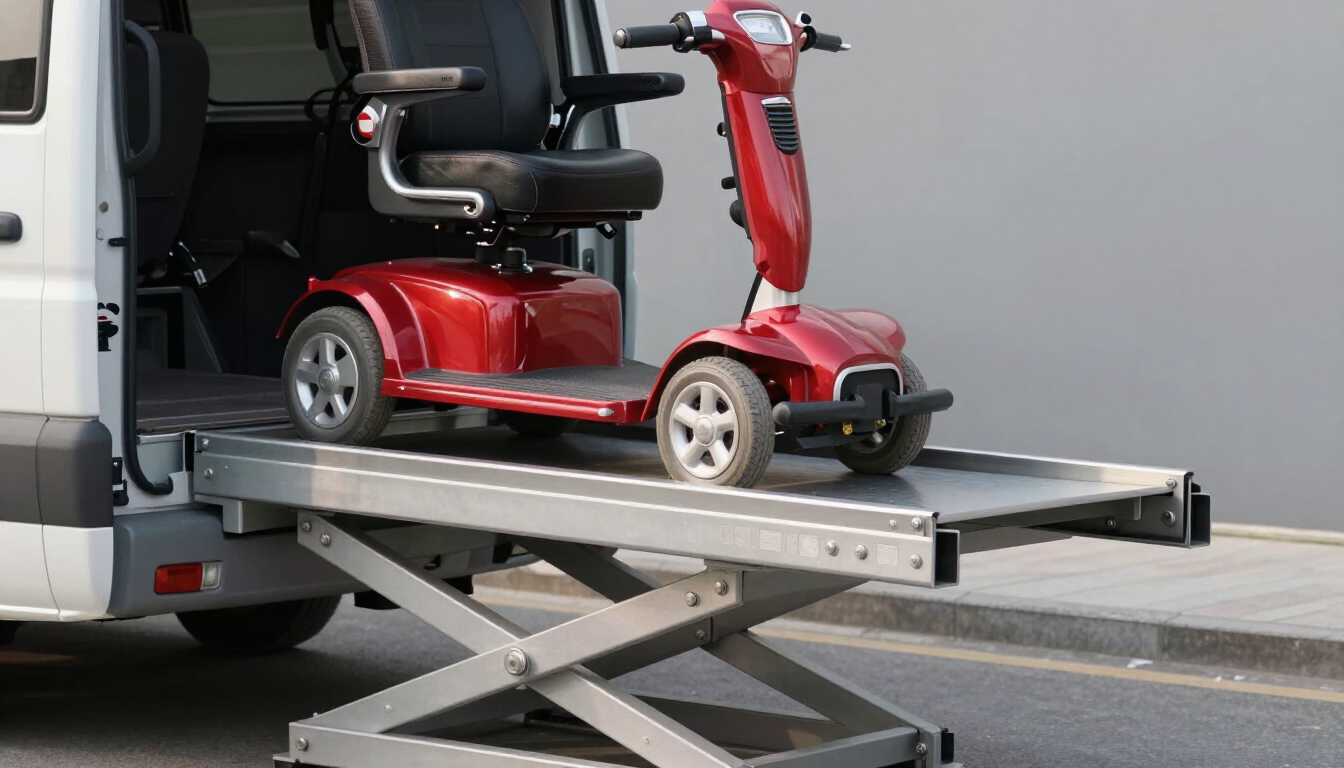
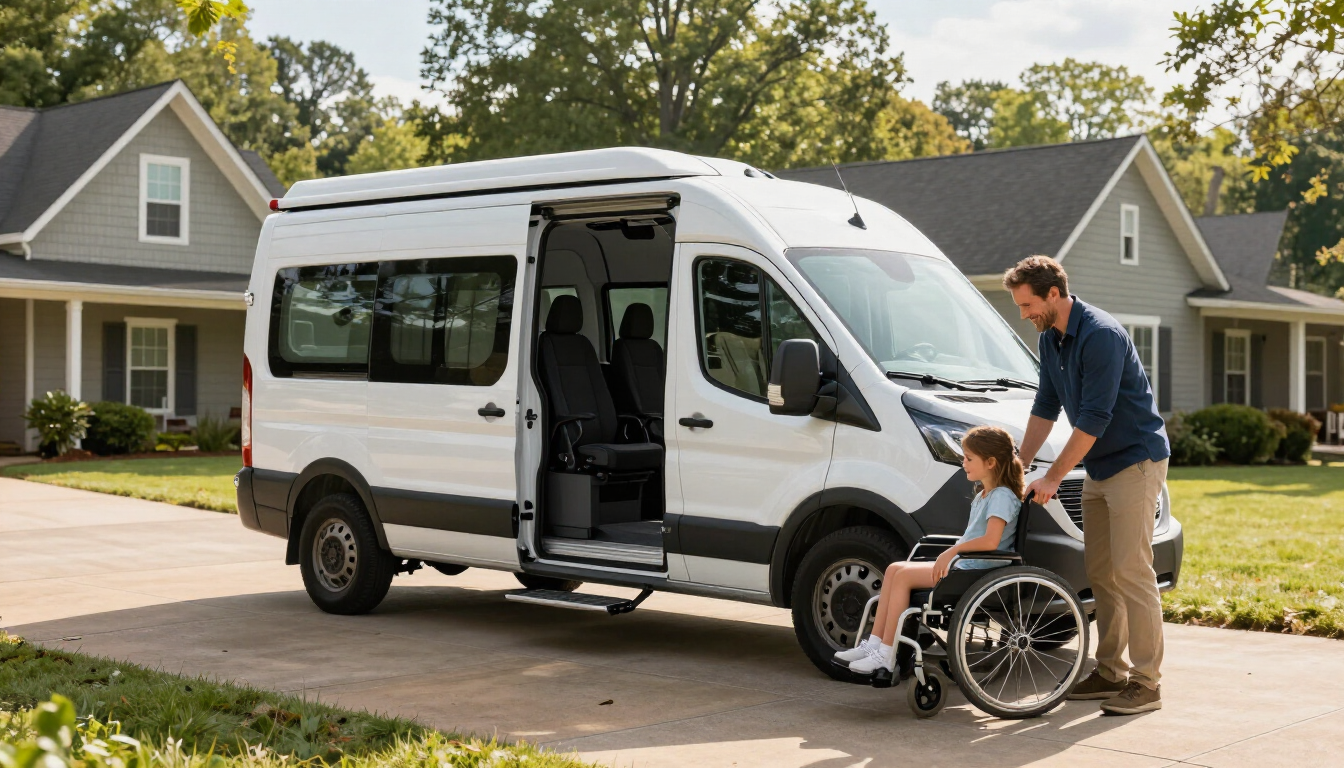
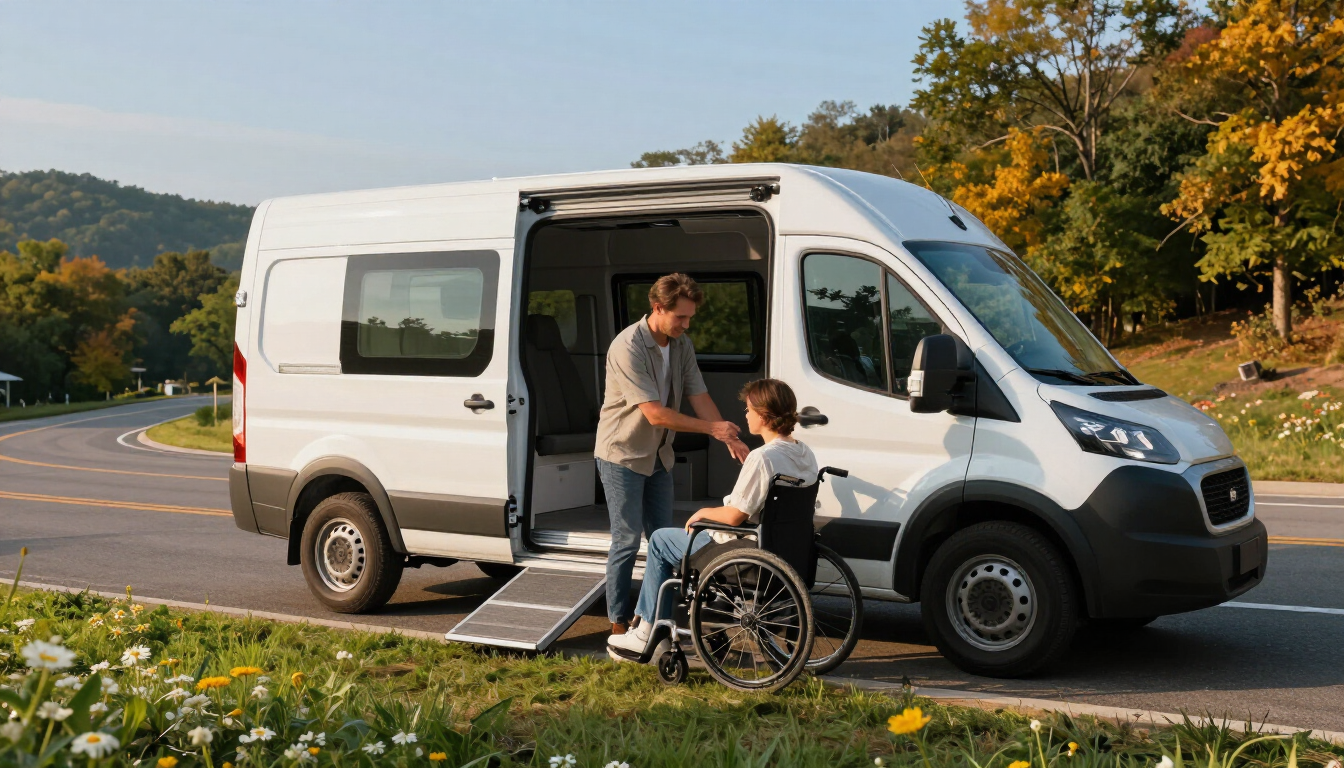
For those who use wheelchairs, getting in and out of a vehicle can be a major hurdle. Wheelchair lifts and ramps are designed to solve this problem. Lifts use a platform to raise and lower a wheelchair into the vehicle, while ramps provide a sloped surface to roll onto. Both options significantly increase independence and make travel much more feasible. They come in various sizes and weight capacities, so you'll want to consider the type of wheelchair and the vehicle's dimensions.
Steering Wheel Modifications
Steering can also be adapted. This might involve adding spinner knobs to the steering wheel, which allow for one-handed steering, or even more involved systems that alter the steering column itself. These modifications can reduce the physical effort required to maneuver the vehicle, making longer drives less tiring and more manageable. It's important to discuss these options with a professional to find the most ergonomic and safe setup for you.
Choosing the right equipment often involves a bit of research and professional advice. Think about your daily driving habits and what you'll be doing on your trip. Are you mostly sticking to highways, or will you be tackling some winding country roads? Your answers will help guide you toward the most suitable adaptations.
Choosing the Right Equipment for Your Needs
So, you're thinking about getting some adaptive driving equipment for your summer road trip adventures. That's a smart move! But with so many options out there, how do you pick what's best for you? It's not a one-size-fits-all situation, that's for sure. The key is to really think about what you need and what will make your trip smoother and safer.
Assessing Your Mobility Requirements
First things first, let's talk about you. What are your specific mobility needs? Think about:
- How do you get in and out of a vehicle now? Do you use a walker, a wheelchair, or something else?
- How much assistance do you need with transfers?
- What kind of driving do you plan to do? Mostly city streets, or are you planning on tackling some of those winding mountain roads?
- Are there any specific physical limitations that might affect how you operate a vehicle or use certain equipment?
Consulting with Specialists
Don't try to figure this all out alone. There are people who know this stuff inside and out. Talking to a mobility specialist or an occupational therapist can make a huge difference. They can look at your situation, understand your physical needs, and suggest equipment that will actually work for you. They've seen it all and can guide you toward the best solutions. Some places even offer vehicle assessments to see what modifications are possible. You might even find out about coverage options, like whether Medicare provides coverage for mobility vans and equipment in Georgia and Tennessee.
Considering Vehicle Compatibility
Once you have a better idea of what you need, you have to think about your vehicle. Not all adaptive equipment fits into every car or truck. You'll want to consider:
- The size and type of your current vehicle. Can it handle the weight and space requirements of a lift or ramp?
- Are you looking to modify your existing car, or are you considering a new vehicle purchase?
- What's the overall cost of the equipment and installation?
Picking the right gear isn't just about getting from point A to point B. It's about regaining independence and making sure your journey is comfortable and stress-free. Taking the time to assess your needs and get expert advice upfront will save you a lot of headaches down the road. It’s about finding the perfect match between your abilities and the technology available.
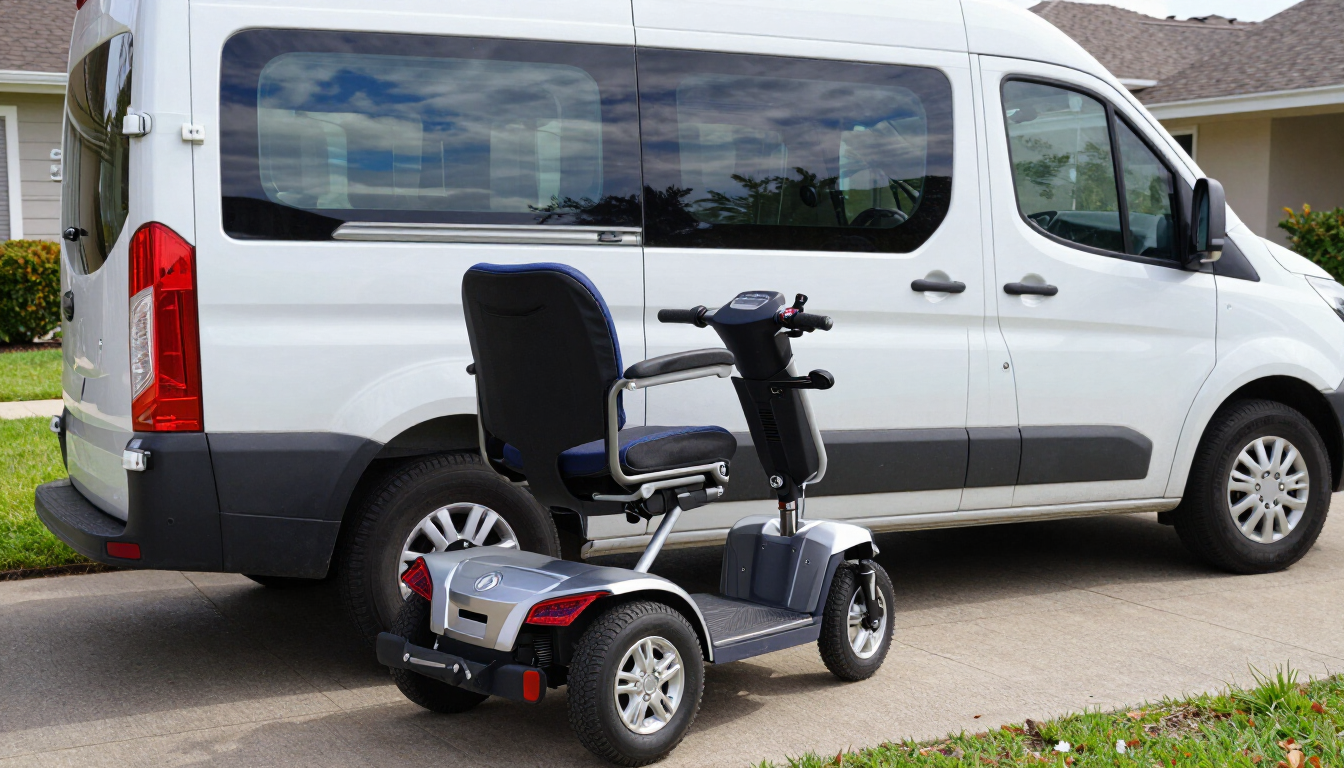
Think about things like wheelchair lifts and ramps. There are different types, and some are more suited for certain vehicles or mobility devices than others. For example, portable scooter lifts offer a lot of flexibility if you switch vehicles often, but a permanently installed ramp might be better for daily use.
Adapting Your Vehicle for Georgia's Roads
Navigating Mountainous Terrain
Georgia's landscape can throw some curveballs, especially if you're heading into the northern parts with those rolling hills and mountain roads. If you've got adaptive driving equipment, it's good to know how it'll handle steeper grades or winding paths. For folks using hand controls, you'll want to make sure they're responsive and easy to manage, even when you need to slow down on a downhill stretch. Think about how much control you have and if the equipment feels solid under pressure. It's not just about getting there; it's about feeling secure while you do it.
When planning your trip, consider the specific demands of the terrain. Some adaptive equipment might require a bit more physical input, so knowing your limits and the equipment's capabilities is key. It's always better to be prepared and comfortable.
- Check your equipment's performance on inclines and declines. Does it feel stable?
- Ensure your controls are easy to reach and operate smoothly.
- Consider if any modifications might be needed for particularly challenging routes.
Summer Heat Considerations
Georgia summers are no joke – it gets hot and humid. This can affect both you and your vehicle. If you have equipment like power lifts or ramps, extreme heat can sometimes impact their performance. Batteries might drain faster, and some electronic components could overheat. It's a good idea to:
- Keep your vehicle parked in the shade whenever possible.
- Monitor your vehicle's temperature gauge.
- If you have a wheelchair lift, try to avoid leaving it exposed to direct sun for long periods.
Staying cool and keeping your equipment in good working order is a big part of a comfortable trip. If you're looking for vehicles suited for longer journeys, especially in areas like North Georgia, there are some great wheelchair vans for long-distance travel that are designed with comfort and accessibility in mind, even in tough weather.
It's also worth thinking about how the heat might affect your personal comfort. Make sure your air conditioning is working well and that any seating or support modifications are breathable. For those planning adventures that go off the beaten path, understanding how your vehicle handles different conditions is part of the fun, similar to overlanding enthusiasts preparing their rigs.
Adapting Your Vehicle for Tennessee's Scenery
Tennessee offers some truly breathtaking drives, from the rolling hills of the east to the wide-open spaces in other parts of the state. Making sure your vehicle is set up right means you can really soak it all in without any extra hassle.
Exploring Scenic Byways
When you're planning to hit those famous scenic routes, like the Natchez Trace Parkway or parts of the Great Smoky Mountains National Park, comfort is key. You want to be able to focus on the views, not on how you're positioned in your seat or how easy it is to get in and out of the car. Think about what makes a drive enjoyable for you. Maybe it's having easy access to snacks and drinks, or perhaps it's being able to adjust your seating position frequently.
- Consider seat cushions or back supports if you find yourself getting stiff on longer journeys.
- Look into swivel seats if getting in and out of the driver's or passenger's seat is a challenge.
- Think about storage solutions for maps, water bottles, or any personal items you like to have handy.
Planning ahead for these smaller comforts can make a big difference on a long scenic drive. It's all about making the journey as pleasant as the destination.
Comfort During Long Drives
Longer drives, especially those that take you through winding roads or up and down hills, can be tiring. Adaptive equipment isn't just about getting around; it's about making those extended periods behind the wheel or as a passenger much more comfortable. For instance, if you use a wheelchair, a reliable wheelchair lift can make all the difference in your ability to take spontaneous trips. It means less worry about the logistics of getting in and out of the vehicle.
- Test drive any vehicle modifications before your trip to get used to them.
- Pack comfort items like a favorite blanket or travel pillow.
- Plan for frequent, short stops to stretch and move around, even if your equipment makes it easy to stay seated for longer periods. This is good advice for anyone, really.
Making sure your vehicle is comfortable and accessible means you can truly appreciate the beauty of Tennessee without any added stress. It's about freedom and enjoying the ride.
Maintaining Your Adaptive Driving Equipment
Getting your vehicle ready for a summer road trip is exciting, but don't forget about the special equipment that makes driving possible for you. Keeping your adaptive driving aids in good shape is super important, especially when you're planning to cover a lot of miles. Regular checks and upkeep will help prevent unexpected issues and keep you rolling smoothly.
Pre-Trip Inspections
Before you head out on those Georgia and Tennessee highways, give your adaptive equipment a good once-over. It doesn't have to be a full mechanic's overhaul, but a few simple checks can make a big difference. Think of it like checking your tire pressure before a long drive.
- Visual Check: Look for any loose wires, worn-out parts, or obvious damage. Make sure everything is securely attached.
- Function Test: Operate each piece of equipment. Test your hand controls, run the wheelchair lift or ramp through its cycles, and check any steering modifications to make sure they move freely.
- Cleanliness: Dust and grime can sometimes interfere with moving parts. Give your equipment a good wipe-down.
A little bit of attention before you leave can save you a lot of hassle on the road. It's about peace of mind, knowing your equipment is ready for the journey ahead.
Regular Servicing for Reliability
Beyond the quick pre-trip check, your adaptive driving aids will benefit from periodic professional attention. These systems are complex, and a qualified technician can spot potential problems before they become major headaches. Think about scheduling a service appointment at least once a year, or more often if you use your vehicle extensively. This is where specialists can really help you out, making sure everything is calibrated correctly and functioning at its best. For example, if you're looking for help with vehicle conversions, places like North Georgia Mobility have been doing this for a long time and know what to look for. Keeping up with this kind of maintenance is key to enjoying the freedom that adaptive driving aids provide, letting you focus on the fun parts of your trip, like exploring scenic byways or just enjoying the drive. Consulting with mobility specialists is a smart move to keep your equipment reliable.
Keeping your adaptive driving gear in good shape is super important for staying safe and independent on the road. Regular check-ups and simple upkeep can make a big difference in how well your equipment works. Don't wait for a problem to pop up; be proactive! Visit our website today to find out more about how to care for your adaptive driving equipment and keep your journeys smooth and worry-free.
Ready for Your Trip?
So, hitting the road for a summer adventure in Georgia or Tennessee? Don't let mobility challenges put a damper on your plans. Thinking about adaptive driving equipment is a smart move. It's all about making sure you can get out there and enjoy those scenic drives and local sights comfortably and safely. If you're in the area, companies like North Georgia Mobility have been helping folks for years with all sorts of vehicle modifications and accessibility solutions. They know their stuff and can help you figure out what works best for your specific needs. Taking that step to get the right equipment means more freedom and more memories made on the open road. Happy travels!
Frequently Asked Questions
What are adaptive driving tools?
Adaptive driving tools are special parts you can add to a car to make it easier to drive if you have trouble using the regular controls. Think of them like helpful gadgets that let more people get around safely and comfortably.
Why would I need these tools for a Georgia or Tennessee trip?
These tools can make your trip smoother. Georgia has some hilly areas, and Tennessee has beautiful, winding roads. Adaptive equipment can help you handle different driving situations, like steep hills or long drives, with more ease and less worry, especially during hot summer weather.
What are some common types of adaptive equipment?
Some common types include hand controls, which let you use your hands to steer and control speed instead of your feet. There are also wheelchair lifts and ramps to help you get your wheelchair in and out of the vehicle easily. Sometimes, the steering wheel itself might be changed to be easier to grip.
How do I pick the best equipment for me?
First, think about what makes driving hard for you. Then, it's super important to talk to experts who know about these tools. They can help you figure out what will work best for your body and your car. North Georgia Mobility, for example, has been helping people for almost 30 years!
Can any car be fitted with adaptive equipment?
Not every car is the same, so compatibility is key. Experts will check if the equipment you need can be safely installed in your specific vehicle. They want to make sure everything works well together for your safety and comfort.
How do I make sure my adaptive equipment works during my trip?
Before you head out on your big summer road trip, it's smart to get your adaptive equipment checked. Like getting an oil change for your car, regular check-ups and maintenance will keep your special driving tools working right so you don't have any problems on the road.