Top 5 Ways to Prepare Your Wheelchair or Scooter for February Weather in Northwest Georgia
North Georgia Mobility

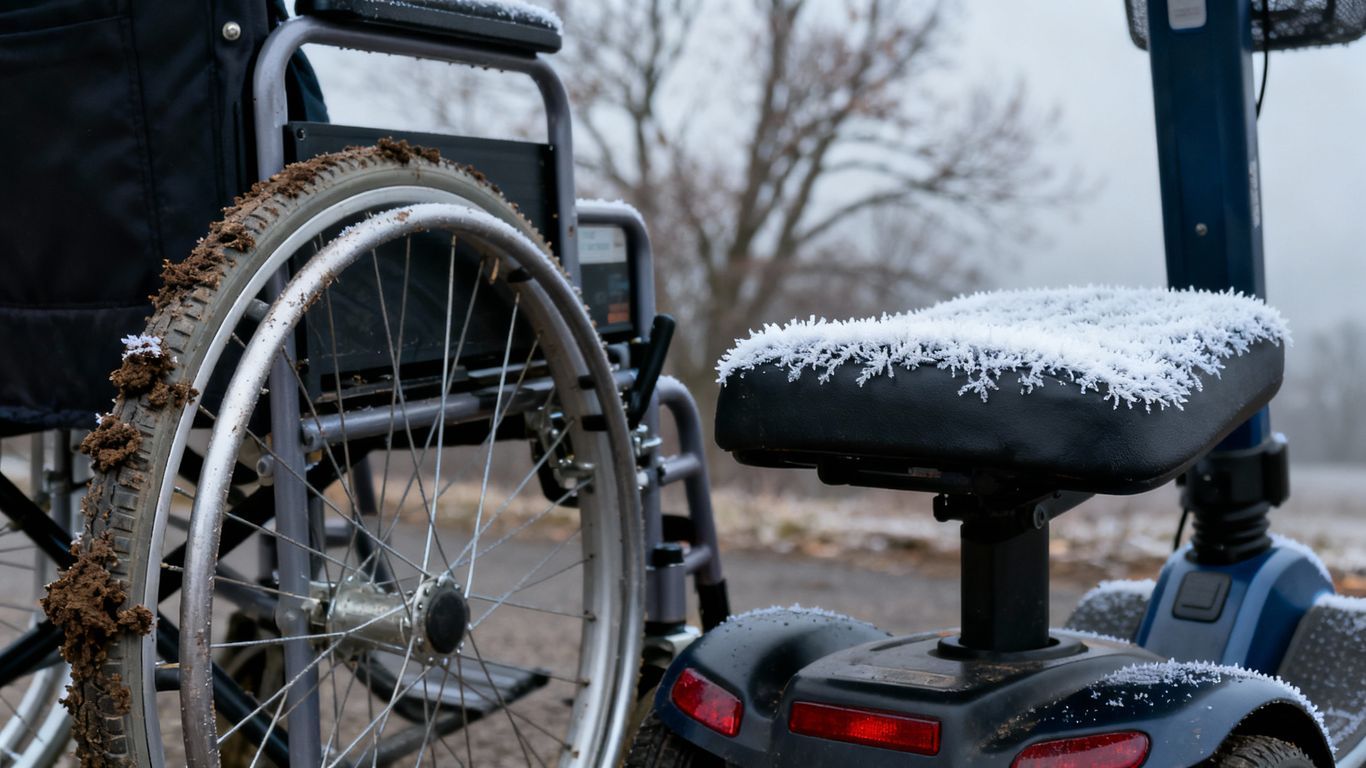
February in Northwest Georgia can bring some chilly days, and maybe even a bit of ice or rain. If you rely on a wheelchair or scooter, making sure it's ready for this kind of weather is a good idea. We're talking about wheelchair winter maintenance here, and it's not too complicated. A little bit of upkeep can go a long way in keeping you moving smoothly when you need to get out. Let's look at five simple things you can do.

Key Takeaways

  • Check your tire pressure regularly, especially when the temperature changes. Underinflated tires can make it harder to move and might get damaged more easily.
  • Keep your batteries charged and clean. Cold weather can affect battery life, so it's good to give them a little extra attention. Make sure connections are clean and tight.
  • Inspect the frame for any signs of rust or damage. A quick look over can catch small issues before they become big problems, especially if your chair has been exposed to moisture.
  • Test your brakes to make sure they work well. Wet or icy conditions can make stopping trickier, so knowing your brakes are reliable is important.
  • Protect your seat cushion from the elements. Use a waterproof cover when you can, and make sure it dries out if it gets wet to prevent mold or mildew.

1. Tire Pressure Check

February in Northwest Georgia can bring some unpredictable weather, and that includes damp roads and maybe even a bit of ice. Before you head out, taking a moment to check your wheelchair or scooter's tire pressure is a really good idea. Properly inflated tires make a big difference in how your mobility device handles, especially on slick surfaces.

When your tires are underinflated, they can feel sluggish and harder to push or steer. This is even more noticeable when the ground is wet. Overinflated tires, on the other hand, might give you a bumpier ride and can sometimes lose traction more easily. Finding that sweet spot is key.

Here’s a quick rundown on what to look for:

  • Check the Sidewall: Most tires have a recommended pressure range printed right on the side. It's usually in pounds per square inch (PSI).
  • Use a Gauge: Don't just eyeball it. A simple tire pressure gauge is inexpensive and gives you an accurate reading.
  • Adjust as Needed: Add air if it's low, or let some out if it's too high, aiming for the middle of the recommended range.

Think about how your tires interact with the ground. A little extra attention here can make your journeys smoother and safer when the weather isn't cooperating.


Keeping your tires at the right pressure isn't just about comfort; it's about control. When you're out and about, especially with the damp conditions February can bring, having good grip and easy maneuverability is super important for staying safe and independent.

2. Battery Maintenance

February in Northwest Georgia can bring some chilly days, and that means your wheelchair or scooter battery needs a little extra attention. Cold weather really affects battery performance, making them work harder and drain faster. It's a good idea to check your battery's charge level more often than usual.

Here’s what you should keep in mind:

  • Charge Regularly: Don't let your battery sit around with a low charge, especially when it's cold. Try to charge it fully after each use, or at least every night. This helps keep the battery healthy.
  • Inspect Connections: Look at the wires and terminals connecting to your battery. Make sure they're clean and tight. Corrosion can build up, and loose connections mean less power gets where it needs to go.
  • Store Smartly: If you won't be using your mobility device for a few days, make sure it's stored in a place that isn't freezing. Extreme cold can really damage the battery over time. Keeping it in a garage or indoors is best.

Think of your battery like your phone – it needs consistent power to run smoothly. A little bit of care now can save you a lot of hassle later. If you're noticing your battery just isn't holding a charge like it used to, it might be time to look into a replacement. You can find more information on keeping your equipment in good shape at North Georgia Mobility.


Cold temperatures can reduce the capacity of your battery. This means it might not last as long on a single charge as it does in warmer weather. It's not necessarily a sign that the battery is failing, but something to be aware of when planning your outings.

3. Frame Inspection

February in Northwest Georgia can bring dampness and temperature swings, and your wheelchair or scooter's frame is the backbone that keeps everything working right. It's a good idea to give it a good look-over before the worst of the winter weather hits.

Think of it like checking the foundation of a house. If the frame isn't solid, nothing else will function as it should. You want to make sure there are no cracks, bends, or signs of wear that could get worse with the cold and moisture.

Here’s what to look for:

  • Loose Bolts or Fasteners: Give all the visible bolts and screws a gentle wiggle. If any feel loose, tighten them up. This is especially important around joints and where different parts connect.
  • Corrosion or Rust: Keep an eye out for any spots that look rusty, particularly on metal parts. If you see some, try to clean it off gently with a soft cloth. For more stubborn spots, a little bit of metal polish might help, but be careful not to scratch the finish.
  • Cracks or Bends: Carefully inspect the main structural parts of the frame. Look for any hairline cracks or areas that seem bent out of shape. Even a small bend can affect how the whole device handles.
  • General Stability: Once you've checked the individual points, just give the whole frame a good shake (gently, of course). Does it feel solid? Or does it seem wobbly?
Sometimes, a little bit of grime can hide problems. Make sure to wipe down the frame thoroughly before you start your inspection. You might be surprised what you find once everything is clean and dry. A clean frame is easier to check for any structural issues.

Taking a few minutes to do this frame check can save you a lot of hassle down the road, especially when you rely on your mobility device every day.

4. Brake System Test

February in Northwest Georgia can bring some slick conditions, and you don't want your brakes to be a weak link. Making sure your brakes are working right is super important for safety.

When was the last time you really checked them? It's easy to forget, but they need attention, especially with the dampness and potential for ice.

Here’s a quick rundown on what to look at:

  • Listen for noises: Any squealing, grinding, or scraping when you apply the brakes? That's a sign something's up.
  • Feel the lever/pedal: Does it feel spongy or go all the way to the floor? It should feel firm and responsive.
  • Visual check: Look at the brake pads or shoes if you can. Are they worn down thin? You might need to replace them.

Don't put this off. A little check now can save you a lot of trouble later.


Sometimes, the cables that connect your brake lever to the actual braking mechanism can get stiff or even freeze up a bit in cold, wet weather. If you notice your brakes aren't engaging as smoothly as they used to, it might be worth checking those cables for any signs of damage or needing a bit of lubrication.

5. Seat Cushion Protection

February in Northwest Georgia can bring a mix of dampness and chill, and your wheelchair or scooter's seat cushion is right there in the thick of it. Keeping it dry and clean is more important than you might think. A wet cushion isn't just uncomfortable; it can lead to skin irritation and even breakdown, especially if you spend a lot of time seated. Plus, moisture can encourage mold and mildew growth, which nobody wants.

Here are a few things to think about:

  • Water-Resistant Covers: These are a lifesaver. Look for covers made from materials like nylon or vinyl that can be easily wiped down. They act as a barrier against rain, sleet, or even just damp air. Some are designed to fit snugly, while others are more like a simple drape.
  • Quick Drying: If your cushion does get wet, try to dry it as soon as possible. Blot it with a towel rather than rubbing, and if you can, let it air dry in a warm, well-ventilated spot. Avoid direct heat, as it can damage some cushion materials.
  • Regular Cleaning: Even without getting soaked, cushions can pick up dirt and grime. A gentle cleaning with a mild soap and water solution, followed by thorough drying, will keep things fresh and prevent buildup. Always check the manufacturer's instructions for your specific cushion type.

Think of your seat cushion as part of your overall mobility setup. Taking care of it means taking care of yourself. If you're looking for durable accessories or need advice on maintaining your equipment, local specialists like North Georgia Mobility can offer guidance.


Protecting your seat cushion isn't just about comfort; it's about maintaining hygiene and preventing potential skin issues. A little proactive care goes a long way in making your daily journeys more pleasant, no matter the weather.

Keep your mobility equipment looking its best with our top-notch seat cushion protection. These covers are designed to shield your cushions from spills, wear, and tear, ensuring they stay clean and comfortable for longer. Don't let everyday accidents ruin your investment. Visit our website today to explore our selection and find the perfect protection for your needs!

Stay Rolling This Winter

So there you have it, five simple steps to get your wheelchair or scooter ready for whatever February throws at us here in Northwest Georgia. A little bit of upkeep goes a long way, especially when the weather gets a bit rough. Keeping your equipment in good shape means you can keep getting out and about, no matter the rain or chill. If you ever need a hand with repairs or want to chat about the best ways to maintain your mobility device, North Georgia Mobility in Ringgold is always here to help. They've been doing this for a long time and really know their stuff when it comes to keeping folks moving.

Frequently Asked Questions

Why is checking tire pressure important in cold weather?

Cold air can make your tires lose pressure. Keeping them pumped up right helps your wheelchair or scooter roll smoothly and safely, especially when roads might be a bit slick.

How often should I charge my scooter's battery in winter?

It's a good idea to charge your battery more often during colder months. Batteries don't work as well when it's chilly, so giving them a boost more frequently keeps them ready to go.

What should I look for when inspecting the frame?

Give the main body of your mobility device a good look. Make sure there are no cracks or loose parts. You want everything to be sturdy and secure, especially with winter weather potentially adding extra stress.

Why test the brakes before heading out?

Testing your brakes is super important, especially when it might be wet or icy. You need to know they'll stop you reliably when you need them to. A quick test ensures they're working their best.

How can I protect my seat cushion from rain or snow?

You can use a waterproof cover or even a large plastic bag to keep your seat cushion dry. Nobody likes sitting on a soggy seat! This simple step makes a big difference.

Where can I get help if my wheelchair or scooter needs repairs?

If you're in the Ringgold, Georgia area, North Georgia Mobility has been helping people with their mobility needs for almost 30 years. They can help with repairs and making sure your equipment is ready for any weather.
home accessibility GA
By Rise Design February 28, 2026
Spring cleaning tips for home accessibility in GA. Make your home safer & more accessible with mobility solutions.
spring mobility safety
By Rise Design February 28, 2026
Spring mobility safety tips for seniors in Ringgold & Chattanooga. Enhance safe travel & home accessibility.
mobility scooters GA
By Rise Design February 28, 2026
Explore North Georgia's spring beauty with mobility scooters GA. Find the perfect scooter for outdoor adventures & local resources.
adaptive driving aids
By Rise Design February 28, 2026
Explore adaptive driving aids to regain independence this spring. Learn about options, installation, and maintenance.
post-winter mobility
By Rise Design February 28, 2026
Overcome post-winter mobility challenges with tips on stiffness, balance, strength, home mods, vehicle access & professional help.
stair lift installation GA
By Rise Design February 28, 2026
Spring is the perfect time for stair lift installation in GA. Enhance home accessibility & mobility. Get expert service!
mobility equipment maintenance
By Rise Design February 28, 2026
Ensure your mobility equipment is spring-ready with our maintenance checklist. Essential checks for scooters, wheelchairs, lifts & more.
mobility solutions GA
By Rise Design February 28, 2026
Discover local mobility solutions GA for independence. Vehicle & home modifications. Serving Northwest Georgia for 30 years.
mobility scooter maintenance
By Rise Design January 31, 2026
Winter can be a tough time for everyone, and sometimes that includes our trusty mobility scooters. Cold weather and damp conditions can take a toll on these devices, making them less reliable. But don't let that get you down! With a little bit of attention and some smart mobility scooter maintenance, you can keep yours running smoothly through the chilly months here in Dalton, Ringgold, and LaFayette. It's not complicated, just a few things to keep an eye on. Key Takeaways Regularly check your scooter's battery, especially in colder weather, to make sure it holds a charge and gives you the range you need. Keep an eye on your tires – make sure they have enough air and the tread isn't worn down. This helps with grip and a smoother ride. Test your brakes often to confirm they're working right. Safety first, always. Cleaning your scooter regularly and protecting it from rain and moisture will help prevent rust and keep parts working well. Know when to call a professional. If you hear strange noises, your scooter slows down a lot, or you have trouble steering, it might be time for expert help. Essential Mobility Scooter Maintenance Checks Keeping your mobility scooter in good shape means you can rely on it day in and day out. A little regular attention goes a long way, especially when the weather turns cold here in North Georgia. Let's look at some key things to check. Battery Care for Extended Range The battery is the heart of your scooter, so taking care of it is super important. Proper battery maintenance can significantly extend its lifespan and ensure you get the most range out of each charge. Charge Regularly: Don't wait until the battery is completely dead. It's best to charge it after each use, or at least every night. This keeps the battery cells healthy. Use the Right Charger: Always use the charger that came with your scooter or a manufacturer-approved replacement. Using the wrong charger can damage the battery. Avoid Extreme Temperatures: Batteries don't like being too hot or too cold. If you store your scooter outside, try to bring it inside during very cold weather. Check Connections: Make sure the battery terminals are clean and the connections are tight. Loose or corroded connections can cause charging problems and reduce power. Keeping your battery charged properly is probably the single most effective thing you can do to keep your scooter running well for a long time. It's not complicated, but it does require a bit of routine. Tire Pressure and Tread Inspection Your tires are what keep you moving smoothly and safely. Checking them regularly is a simple but vital step. Check Tire Pressure: Most scooter tires are pneumatic (filled with air). Look for the recommended PSI (pounds per square inch) on the tire sidewall. Over or under-inflated tires can affect handling and wear out faster. Inspect for Wear: Look closely at the tire tread. If it looks worn down, smooth, or has any cracks, it's time to think about replacing them. Good tread helps with grip, especially on damp surfaces. Look for Damage: Keep an eye out for any cuts, bulges, or embedded objects in the tires. Small things can become big problems if left unchecked. Brake System Functionality Your brakes are your primary safety feature. You need to know they'll work when you need them. Test Them Regularly: Before you set off on a longer trip, give your brakes a quick test. Gently apply them to feel how responsive they are. Listen for Sounds: Unusual grinding or squealing noises could mean your brake pads are worn or something is out of adjustment. Check for Smoothness: The brakes should engage smoothly without feeling jerky or sticking. If they feel weak or grabby, it's time for a closer look. Don't put off checking your brakes. They are a critical safety component, and a small issue now can become a serious hazard later. If you're unsure about how they feel, it's always better to get them checked out. Keeping Your Mobility Scooter Clean and Protected Taking care of your mobility scooter means more than just checking the battery and tires. Keeping it clean and protected, especially during the colder months, really helps it run better and last longer. It’s not a huge chore, but a little effort goes a long way. Regular Cleaning for Optimal Performance Dirt and grime can build up surprisingly fast, and this stuff can actually get into moving parts and cause problems. Think of it like not changing the oil in your car – eventually, things start to wear out faster. A good wipe-down after you use it, especially if you’ve been out on a damp day, is a good habit to get into. You don't need fancy cleaners, just a damp cloth usually does the trick for most of the scooter. For tougher spots, a mild soap and water solution works well. Just make sure to dry it off afterward so you don't get water spots or rust. Wipe down the frame and body with a damp cloth. Clean the control panel and joystick gently. Don't forget to clean the seat and armrests. Protecting Against Winter Elements Winter weather here in North Georgia can be tough on equipment. Rain, maybe some sleet, and even just damp air can lead to rust and corrosion if you’re not careful. When using a mobility scooter in winter, prioritize safety by avoiding ice, increasing your visibility, and keeping the scooter clean. It’s a good idea to cover your scooter when it’s parked outside, even if it’s just for a little while. A simple tarp or a fitted scooter cover can make a big difference in keeping the moisture out. If you do get caught in the rain or snow, try to dry your scooter off as soon as you can. This is especially important for the electrical components and the battery terminals. You can find good covers at places that sell mobility equipment, or even just use a sturdy tarp. Keeping it out of the worst of the weather helps a lot. Taking a few minutes to protect your scooter from the elements can prevent bigger headaches down the road. Think about where you park it too – a garage or covered porch is always better than out in the open. Seat and Upholstery Care Your seat is where you spend most of your time, so keeping it clean and in good shape is important for comfort. Spills can happen, and winter means bringing in more dampness from your clothes. Check the upholstery regularly for any tears or worn spots. If you have fabric seats, a gentle fabric cleaner can help with stains. For vinyl or leatherette, a damp cloth is usually enough. Make sure to let the seat air dry completely before your next ride. A clean seat just makes the whole experience more pleasant, and it helps the scooter look better too. If you notice any small rips, it might be worth looking into getting them repaired before they get bigger. You can often find replacement parts or covers for your specific model if needed. Addressing Common Mobility Scooter Issues Even with regular upkeep, your mobility scooter might throw a curveball now and then. Don't let a little hiccup stop you from getting around. Most common problems are pretty straightforward to figure out and often fixable without a trip to the shop. Troubleshooting Unusual Noises Sometimes, your scooter might start making noises it never did before. It can be a bit unsettling, but usually, it's just a sign that something needs a little attention. Listen closely to where the sound is coming from and when it happens. Squeaking or Grinding: This often points to issues with the wheels, bearings, or brakes. Check if anything is rubbing or if the wheel bearings feel loose. Sometimes, a bit of lubrication in the right spot can do wonders. Clicking Sounds: A clicking noise, especially when turning, might mean something is loose in the steering column or a component in the drivetrain needs tightening. Whirring or Humming: This could be related to the motor or gearbox. If it's louder than usual, it might be time to check the motor brushes or the gearbox oil level. When you hear a new sound, try to pinpoint its origin. Is it constant or only when you move? Does it happen when you turn, brake, or go over bumps? This information is super helpful if you end up needing to talk to a repair person. What to Do About Slower Speeds If your scooter isn't zipping along like it used to, there are a few common culprits. Don't assume it's a major breakdown right away. Battery Check: This is the most frequent reason for reduced speed. Batteries lose their charge capacity over time. If they're old or not holding a charge well, your scooter will feel sluggish. Make sure they're fully charged and consider their age. Tire Issues: Underinflated tires create more drag, making the motor work harder and slowing you down. Also, check for any debris stuck in the tires or wheels that might be causing resistance. Weight Load: Are you carrying more than usual? Exceeding the scooter's weight limit will naturally reduce its performance. Motor or Controller Problems: Less commonly, the motor itself or the electronic controller might be having issues, leading to a loss of power. Steering and Control Adjustments Feeling like your scooter isn't steering quite right? Maybe it pulls to one side, or the steering feels loose. These issues can affect your confidence and safety. Alignment: If the scooter consistently pulls to one side, it might need a steering alignment. This is often something a service center can adjust. Loose Components: Check the tiller (the steering column) and the connections to the front wheel. Sometimes, bolts can loosen over time, causing play in the steering. Tire Wear: Uneven tire wear can also contribute to steering problems. Make sure your tires are wearing evenly and are properly inflated. If you're uncomfortable making any adjustments or if the problem persists after basic checks, it's always best to get it looked at by a professional. They have the tools and knowledge to diagnose and fix these issues properly. Seasonal Mobility Scooter Maintenance Schedule Keeping your mobility scooter in good shape isn't just a year-round job; it's about adapting to the seasons. What works in the summer might not be enough when the cold and damp set in, and you'll want to get it ready for warmer weather too. Think of it like getting your car ready for winter – a little attention now saves a lot of headaches later. Pre-Winter Storage Preparations Before you tuck your scooter away for the colder months, there are a few things you should do. Proper storage can prevent damage and make sure it's ready to go when spring rolls around. Charge the Battery Fully: Make sure the battery is at 100% before storing. If you're storing it for a long time, you might need to top it up every month or so. Check your scooter's manual for specific recommendations. Clean It Up: Give your scooter a good wash and dry. Get rid of any dirt, mud, or salt that could cause corrosion. Protect Moving Parts: A light coat of lubricant on metal parts can help prevent rust. Cover It Up: Use a breathable cover to protect it from dust and moisture. Avoid plastic tarps that can trap humidity. Storing your scooter in a dry, temperature-controlled environment is best. Garages can work, but if they get really cold or damp, consider an indoor spot if possible. This helps protect the battery and electronics. Spring Tune-Up Essentials Once the frost starts to thaw and you're ready to get back outside more, it's time for a spring check-up. This is your chance to catch anything that might have happened during storage or the previous season. Battery Check: Give the battery a full charge and check its overall condition. If it's not holding a charge like it used to, it might be time for a replacement. Tire Inspection: Look for any signs of wear, cracks, or low pressure. Properly inflated tires make for a smoother ride and better battery life. Brake Test: Make sure your brakes are working effectively. Test them in a safe, open area. General Inspection: Look over all the nuts and bolts to make sure they're tight. Check the lights, horn, and any other accessories. Mid-Season Performance Checks Even during the active months, a quick check now and then can keep things running smoothly. You don't need to do a full overhaul every week, but a few minutes can make a difference. This is especially true if you're using your scooter more frequently or tackling different terrains. For example, if you've been using your scooter on paths that might be similar to those needing wheelchair ramp maintenance , it's a good idea to check for wear and tear. Listen for New Sounds: Any squeaks, rattles, or grinding noises? Try to pinpoint where they're coming from. Monitor Speed and Handling: Does it feel like it's slowing down or handling differently than usual? Quick Clean: A quick wipe-down after a dusty or muddy outing can prevent buildup. Regular checks, especially before and after seasonal changes, help keep your scooter reliable and safe for all your travels around Dalton, Ringgold, and LaFayette. When to Seek Professional Mobility Scooter Service Sometimes, even with the best care, your mobility scooter might need a little extra attention. Knowing when to call in the pros is key to keeping your ride reliable and safe. Don't wait until a small issue becomes a big problem. Signs Your Scooter Needs Expert Attention While you can handle a lot of the basic upkeep yourself, some things are best left to the professionals. Keep an eye out for these common indicators that it's time to visit a service center: Sudden or persistent strange noises: A squeak here or there might be nothing, but grinding, clunking, or loud whirring sounds usually point to something more serious, like a motor or gearbox issue. Significant loss of power or speed: If your scooter suddenly feels sluggish, struggles on inclines it used to handle easily, or its top speed has dropped noticeably, it could be a battery problem, a controller issue, or even a motor fault. Braking system feels off: If the brakes don't engage as firmly as they used to, feel spongy, or make unusual noises, this is a safety concern that needs immediate professional assessment. Steering becomes difficult or erratic: If the handlebars feel stiff, loose, or pull to one side unexpectedly, it could be a problem with the steering mechanism or even the tires. Electrical warning lights or error codes: Most modern scooters have diagnostic lights or display codes. If one pops up and stays on, consult your manual and then a technician. Finding Local Service Providers in Dalton When you do need professional help, finding a reliable local service provider is important. For those in the Dalton area, there are options available. You might find a local shop that specializes in mobility equipment. Sometimes, the place where you purchased your scooter can also handle repairs, or they can point you in the right direction. Don't hesitate to ask friends or other scooter users for recommendations. For instance, there's a provider in Dalton, GA, known for good service and products, just a short drive away mobility equipment sales. Understanding Repair vs. Replacement It's not always clear whether a repair is worth the cost or if it's time to consider a new scooter. A good technician can assess the situation and give you an honest opinion. They'll look at: The age and overall condition of your scooter. The cost of the needed repairs compared to the price of a new or gently used model. The availability of parts for your specific model. Sometimes, a seemingly minor issue can be a symptom of a larger problem that might be expensive to fix. It's always wise to get a professional diagnosis before committing to costly repairs, especially if your scooter is older. A qualified technician can help you make an informed decision that balances cost and continued mobility. If your scooter is frequently breaking down, or if the repairs are becoming more frequent and expensive, it might be more economical in the long run to invest in a newer model. However, for many common issues, a professional repair can get your scooter back in top shape, allowing you to continue enjoying your independence. Is your mobility scooter acting up? Don't wait until it completely stops working. If you notice it's running slower than usual, making strange noises, or the battery isn't holding a charge like it used to, it's probably time to get it checked out. Ignoring small issues can lead to bigger, more expensive problems down the road. For reliable repairs and maintenance, visit our website today to schedule a service appointment ! Keep Rolling Through Winter So there you have it. Taking care of your mobility scooter now means fewer headaches later, especially when the weather gets rough around Dalton, Ringgold, and LaFayette. A little bit of attention can go a long way in keeping you moving freely. If you ever get stuck or need a hand with repairs or upgrades, remember North Georgia Mobility has been helping folks out for ages. They know their stuff and are right here in Ringgold. Don't let winter slow you down – keep that scooter in good shape and enjoy your freedom all season long. Frequently Asked Questions How often should I charge my mobility scooter battery, especially during colder months? It's best to charge your scooter's battery every night, just like you would your phone. During winter, when you might use it less, keeping it fully charged is still super important. Don't let it sit with a dead battery for too long, as this can shorten its life. Think of it like keeping your car battery healthy – regular charging is key! What's the deal with tire pressure, and why does it matter for my scooter? Keeping your tires properly filled with air is like making sure your bike has the right tire pressure. If they're too low, it makes it harder to steer and can even make your scooter go slower. Too much air can make the ride bumpy. Check the sidewall of your tire for the recommended pressure and give them a squeeze now and then to make sure they feel firm but not rock hard. My scooter is making a weird noise. What could be causing it? Strange sounds can be a bit alarming! Often, it's something simple like a loose part, maybe a bolt that needs tightening. Sometimes, it could be the motor or the wheels. If it's a squeak, it might need a little lubrication. If the noise is loud or concerning, it's a good idea to have it checked out by a professional. Why is my mobility scooter not going as fast as it used to? A slower scooter can be frustrating. It could be a sign that the battery isn't holding a full charge anymore, or maybe the tires are low on air, creating more drag. Sometimes, it's just a sign that some parts need a little tune-up. Check the simple things first, like tire pressure and battery charge, before assuming it's a big problem. How should I clean my mobility scooter to keep it working well? Cleaning your scooter regularly is like giving it a bath! Use a damp cloth to wipe down the body and controls. Avoid spraying water directly onto the electrical parts or the battery. Keeping it clean prevents dirt and grime from getting into moving parts and causing issues. A clean scooter is a happy scooter! When should I think about getting professional help for my scooter? If you've tried the basic checks and your scooter is still acting up – maybe it's making loud noises, not moving well, or the brakes feel off – it's time to call in the experts. Companies like North Georgia Mobility have skilled folks who know these scooters inside and out. They can figure out if it's a simple fix or something that needs a bigger repair.
stair lift installation GA
By Rise Design January 31, 2026
Upgrade your home with stair lift installation GA in February. Enjoy winter comfort & independence in Calhoun & LaFayette.