New Year Home Safety Tips for Seniors in Ringgold, Dalton, LaFayette, Chickamauga & Chattanooga
As a new year begins, it's a good time to think about keeping our homes safe, especially for seniors in Ringgold, Dalton, LaFayette, Chickamauga, and Chattanooga. Little changes can make a big difference in preventing accidents and making daily life easier. This guide covers some important new year safety tips for seniors, focusing on common areas where risks can arise. Let's make this year a safe and comfortable one.
Key Takeaways
- Prevent falls by keeping walkways clear and securing stairs. Good lighting is also a big help.
- Be extra careful in the kitchen and bathroom to avoid slips, especially in wet areas. Safe cooking habits are important too.
- Install and test smoke and carbon monoxide detectors. Know how to handle heating safely and keep emergency contacts handy.
- Look into home changes and aids that make moving around easier, like ramps or grab bars. Vehicle options are also available.
- Keep medications organized and know when to take them. Staying in touch with others and checking in with your doctor regularly are also key.
Enhancing Home Safety For The New Year
x
As we kick off the new year, it's a good time to think about making our homes safer, especially for seniors living in Ringgold, Dalton, LaFayette, Chickamauga, and Chattanooga. A few simple changes can make a big difference in preventing accidents and keeping everyone comfortable.
Fall Prevention Strategies
Falls are a big concern, and often they happen because of things that are easily fixed. The goal is to make your living space as hazard-free as possible.
- Clear the clutter: Loose rugs, electrical cords, and stacks of mail can all be tripping hazards. Try to keep floors clear.
- Good lighting: Make sure hallways, stairs, and rooms are well-lit. Consider motion-sensor lights for areas you use at night.
- Non-slip surfaces: Add non-slip mats in the bathroom and kitchen, and consider non-slip treads for stairs.
Keeping your home tidy and well-lit is one of the most effective ways to prevent falls. It's about being mindful of potential obstacles and addressing them before they become a problem.
Maintaining Clear Pathways
This ties right into fall prevention. Think about the main routes you take through your home – from the bedroom to the bathroom, to the kitchen, and to the front door. Are these paths clear and easy to walk?
- Furniture placement: Arrange furniture so there are wide, unobstructed walkways.
- Remove temporary hazards: Don't leave items like walking canes, shopping bags, or pet toys in the middle of the floor.
- Secure rugs: If you have area rugs, make sure they don't curl up at the edges. Using double-sided tape or non-slip backing can help keep them flat. You can find more holiday safety tips for seniors that cover similar ground here.
Securing Stairways And Hallways
Stairs and hallways can be tricky spots. They're often where falls happen, especially if lighting is poor or there are things to trip over.
- Handrails: Make sure handrails are sturdy and run the full length of the stairs, on both sides if possible.
- Stair treads: Check that stair treads are in good condition and not worn down. Non-slip strips can add extra grip.
- Hallway lighting: Hallways should be just as well-lit as stairways. Consider nightlights that turn on automatically.
Making these adjustments can really help seniors maintain their independence and feel more secure in their homes throughout the year. It's not about making drastic changes, but rather thoughtful improvements that address common safety issues.
Kitchen And Bathroom Safety Upgrades
These rooms are often where accidents happen, especially for seniors. Let's look at how to make them safer.
Preventing Slips In Wet Areas
Water and slippery surfaces are a recipe for falls. In the bathroom, this means looking at the tub or shower area. Non-slip mats are a good start, but make sure they have a good backing so they don't slide themselves. Consider installing grab bars near the toilet and in the shower. These give you something solid to hold onto when you're getting up or down, or just need a little extra balance.
- Install sturdy grab bars in the shower and near the toilet.
- Use non-slip mats with rubber backing on bathroom floors and in the tub/shower.
- Consider a shower chair or bench to make bathing easier and safer.
A little bit of planning can go a long way in preventing a serious fall. Think about where water tends to collect and make those spots more secure.
Safe Cooking Practices
The kitchen is another area that needs attention. It's easy to get distracted while cooking, and that can lead to trouble.
- Keep flammable items like dish towels and oven mitts away from the stovetop.
- Turn pot handles inward so they don't accidentally get knocked off the counter.
- If you have trouble reaching things, consider rearranging your kitchen so frequently used items are within easy reach.
Always stay in the kitchen while cooking, especially when frying or using the broiler. If you have to leave, even for a moment, turn off the stove. It's a simple step that can prevent a fire.
Accessibility Aids For Daily Tasks
Sometimes, simple modifications can make a big difference in how easy and safe it is to use the kitchen and bathroom. Think about things like:
- Easy-to-grip faucet handles or lever-style handles.
- Pull-out shelves in cabinets to avoid bending down too far.
- Motion-sensor lights in hallways leading to these rooms, so you don't have to fumble for a switch in the dark.
These small changes can help maintain independence and reduce the risk of accidents.
Fire Prevention And Emergency Preparedness
When the new year rolls around, it’s a good time to think about keeping your home safe from fires and making sure you’re ready if something unexpected happens. It’s not about being scared, but about being smart and prepared.
Smoke And Carbon Monoxide Detectors
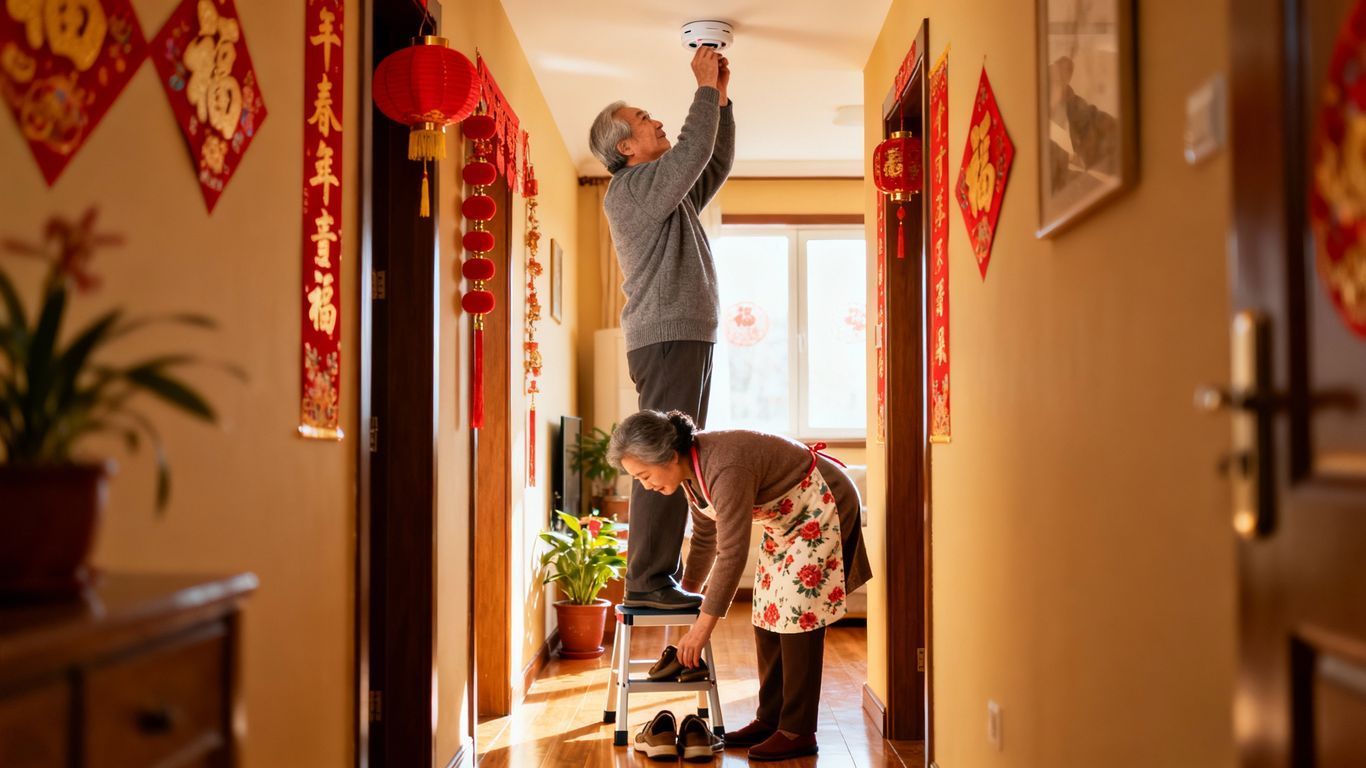
These little gadgets are your first line of defense. They can wake you up if there's a fire or a dangerous gas leak, giving you precious time to get out safely. Make sure you have working detectors on every level of your home, and inside and outside sleeping areas. Test them monthly by pressing the test button. If they beep when you test them, they're working! Replace the batteries at least once a year, or when the detector chirps to let you know the battery is low. It’s also a good idea to replace the whole unit every 10 years, as they do have a lifespan.
Safe Heating Practices
As the weather gets colder, we tend to use heating systems more. It’s important to use them safely. Keep anything that can burn, like blankets, curtains, and furniture, at least three feet away from space heaters, fireplaces, and wood stoves. Never leave portable heaters running when you leave the room or go to sleep. If you have a furnace or a fireplace, get them checked by a professional before you start using them heavily for the season. This helps prevent chimney fires or furnace malfunctions.
Emergency Contact Information
Having a plan and knowing who to call is really important. Keep a list of important phone numbers near your phone or on your refrigerator. This should include:
- 911 (for immediate emergencies)
- Your local fire department (non-emergency number)
- Your doctor’s office
- A trusted neighbor or family member
- Poison control
It’s also a good idea to have a family meeting, even if it’s just you and a loved one, to talk about what to do in case of a fire. Where will you meet outside? Who will call 911? Having these simple steps figured out can make a big difference.
Being prepared doesn't have to be complicated. Simple checks and clear plans can make your home a much safer place for everyone, especially as we start the new year.
Mobility And Accessibility Solutions
As we step into the new year, thinking about how we move around our homes and get out and about is really important, especially for our senior neighbors in Ringgold, Dalton, LaFayette, Chickamauga, and Chattanooga. It's not just about getting from point A to point B; it's about doing it safely and with as much independence as possible.
Home Modifications For Easier Movement
Sometimes, small changes at home can make a big difference. Think about things like:
- Grab bars: Installing these in bathrooms, especially near the toilet and in the shower, can prevent a lot of nasty falls. They give you something solid to hold onto.
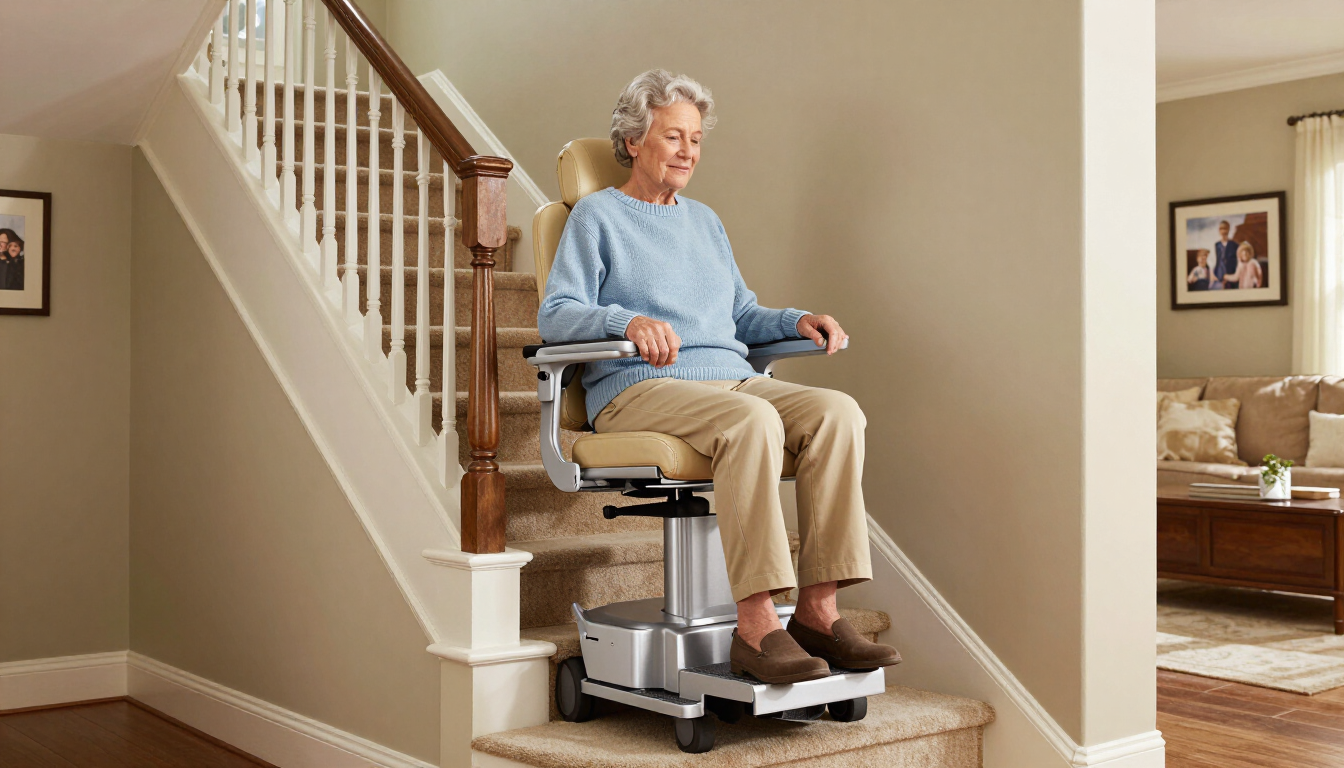
- Ramps and stairlifts: If stairs are becoming a challenge, a ramp for a few steps or a stairlift can make a huge difference in getting around your house.
- Wider doorways: This might seem like a big job, but if you use a walker or wheelchair, wider doorways make it so much easier to get through rooms.
- Lever-style door handles: These are easier to grip and turn than traditional doorknobs, which can be tough on arthritic hands.
Making your home work for you, rather than against you, is a smart move. It's about creating a space where you feel secure and can move freely without constant worry.
Vehicle Accessibility Options
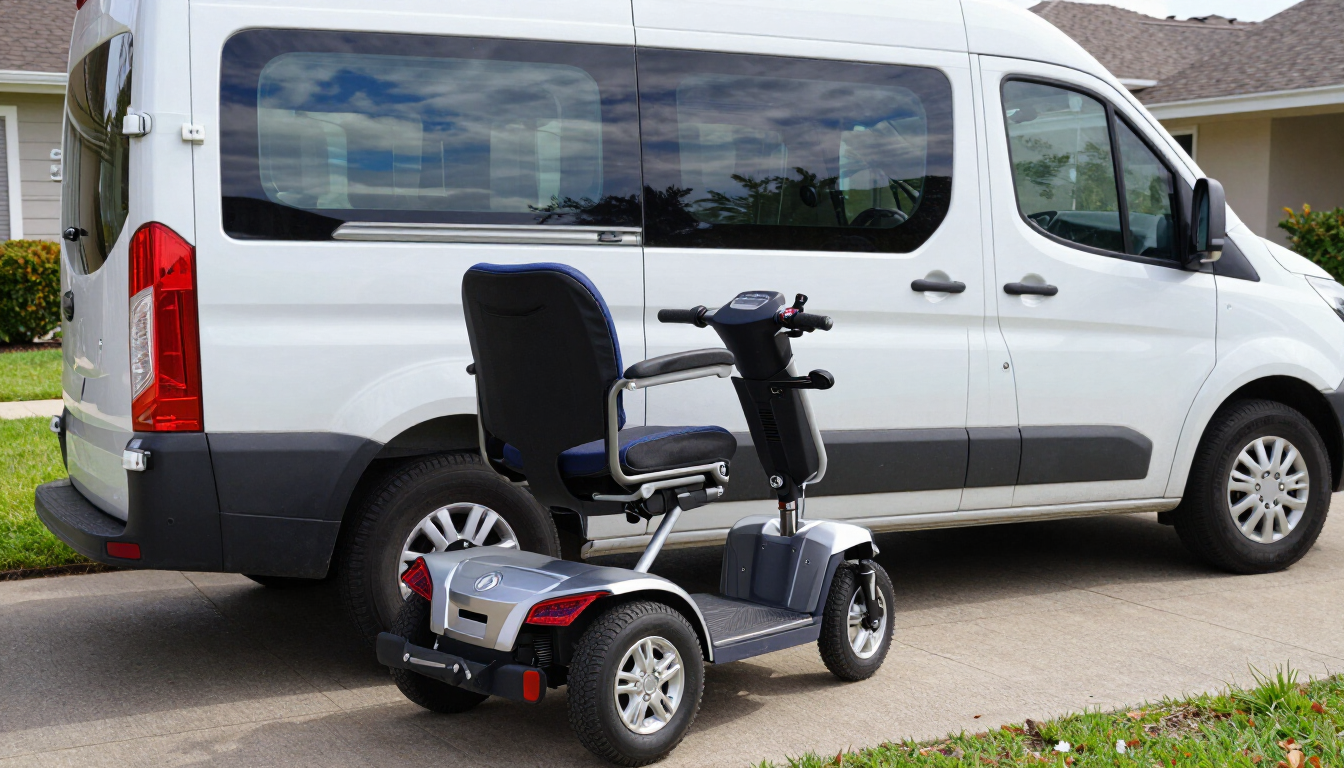
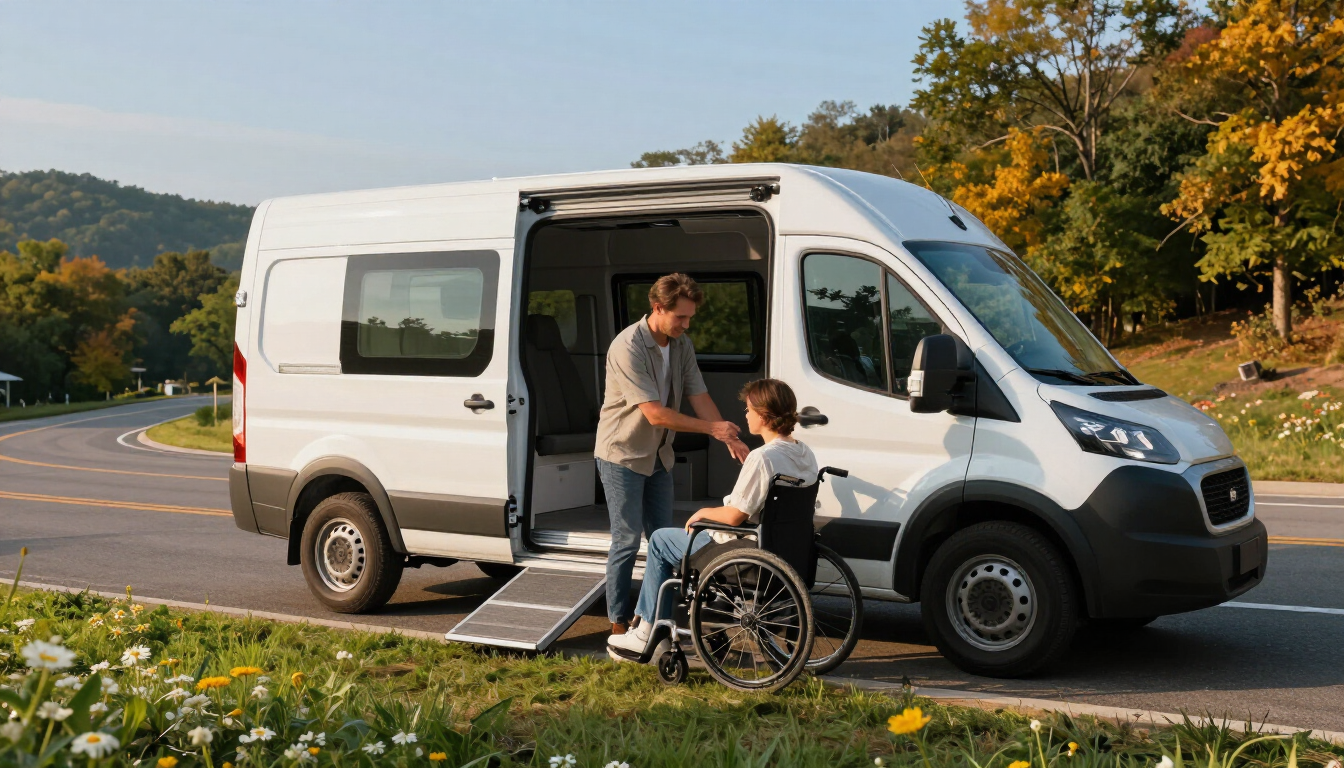
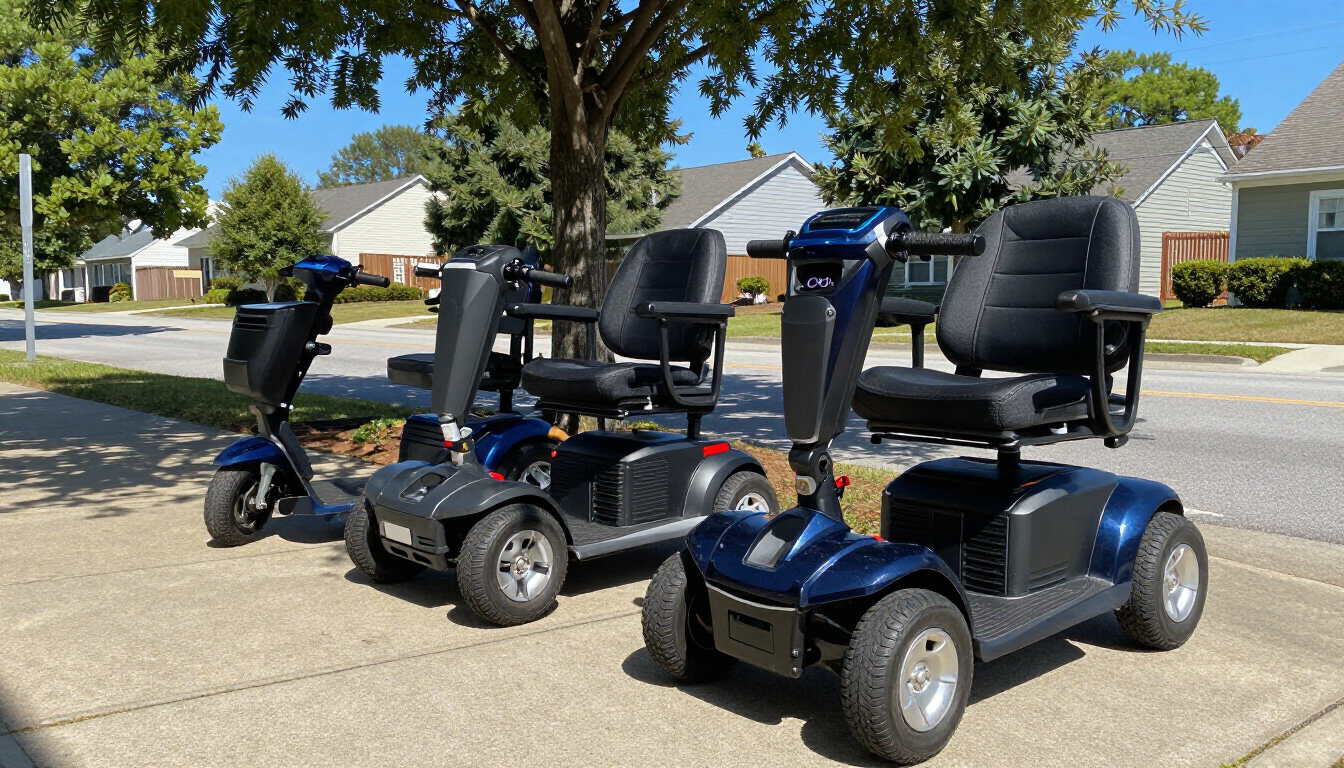
Getting out to appointments, visiting friends, or just running errands is key to staying connected. For those who drive or ride with others, vehicle modifications can be a game-changer. Companies like North Georgia Mobility, right here in Ringgold, specialize in this. They can help with:
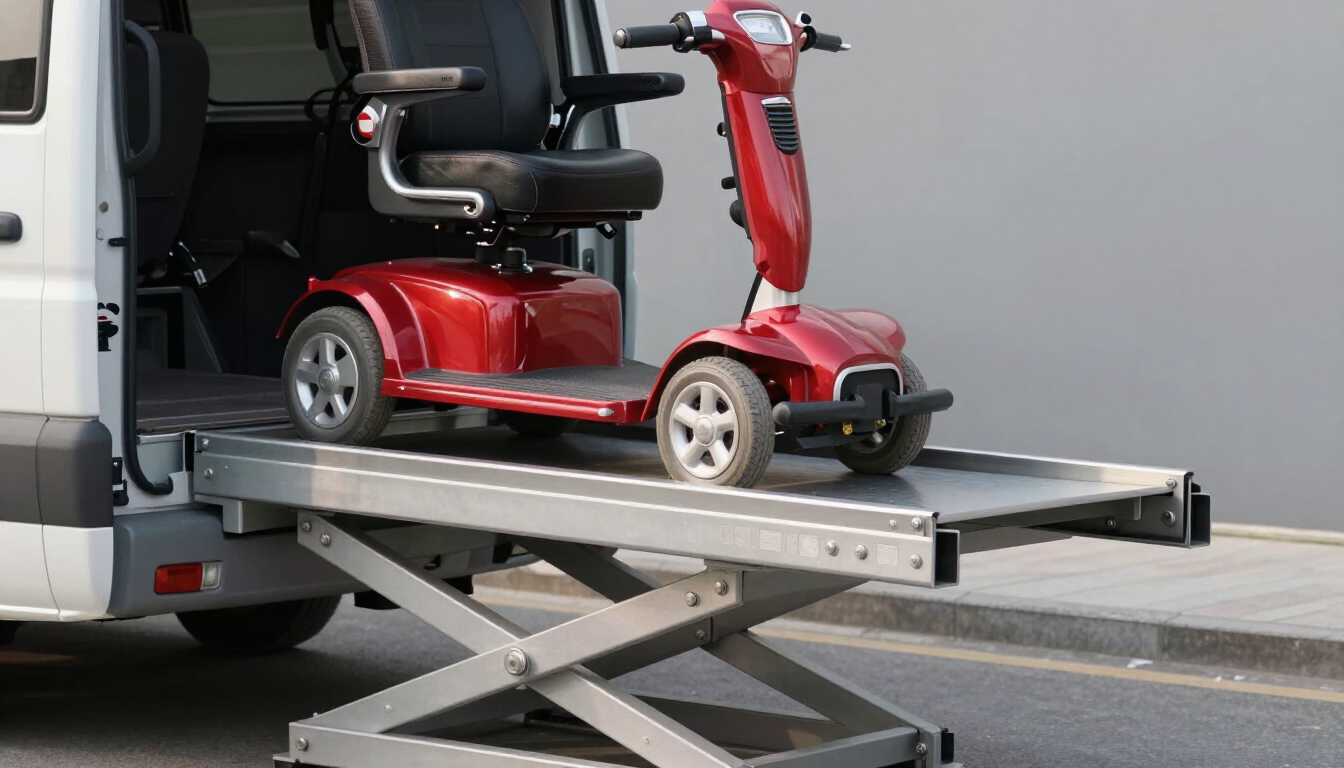
- Wheelchair lifts and ramps: These can be fitted to vans and cars, making it simple to get a wheelchair in and out.
- Hand controls: For individuals who have difficulty using their feet, hand controls allow them to operate the gas and brakes.
- Swivel seats: These seats can turn outwards, making it easier to get into and out of the car.
Exploring these options can really open up your world again.
Leveraging Assistive Devices
Beyond home and vehicle modifications, there's a whole range of gadgets and tools that can help with daily tasks. These aren't just for people with major mobility issues; sometimes, a little bit of help is all that's needed.
- Reachers and grabbers: These are fantastic for picking up dropped items without bending down.
- Long-handled shoehorns and dressing aids: Simple tools that make getting dressed less of a struggle.
- Canes and walkers: When used correctly, these provide stability and reduce the risk of falls. It's important to make sure they are the right height for you.
- Magnifying glasses with lights: For reading mail or seeing small print on labels, these can be a real help.
Medication Management And Health Monitoring
Keeping track of medications and staying on top of your health is a big part of staying safe and independent, especially as we get older. It might seem like a small thing, but getting this right can make a huge difference in how you feel day-to-day.
Organizing Prescriptions
It's easy to get mixed up with different pills and schedules. A good system can prevent mistakes. Having a clear way to manage your medicines is key to avoiding problems.
- Use a pill organizer: These come in daily, weekly, or even monthly versions. Fill them up once a week so you know you're taking the right dose at the right time.
- Keep a list: Write down all the medications you're taking, including over-the-counter ones and supplements. Include the dosage and why you take it.
- Talk to your pharmacist: They can help you understand your prescriptions and might offer services like pre-packaged doses.
Understanding Medication Schedules
Sometimes, the instructions on the bottle can be confusing. It's important to know exactly when and how to take each medicine.
Don't guess if you're unsure about a medication. Always ask your doctor or pharmacist for clarification. Taking medicine incorrectly can lead to serious health issues or make your condition worse.
- Ask "why" and "how": When you get a new prescription, ask your doctor why you need it and how it should be taken. Ask about potential side effects too.
- Set reminders: Use alarms on your phone, a kitchen timer, or even sticky notes to remind you when it's time to take your pills.
- Know what to do if you miss a dose: Your doctor or pharmacist can tell you the best course of action if you forget to take a pill.
Regular Health Check-Ins
Staying in touch with your doctor isn't just for when you're sick. Regular check-ups help catch potential problems early and keep your overall health in good shape. It's about proactive care, not just reactive.
- Schedule annual physicals: These appointments are a good time to review your health, discuss any concerns, and get necessary screenings.
- Don't delay appointments: If you notice a new symptom or something feels off, call your doctor's office. It's better to get it checked out sooner rather than later.
- Prepare for your visits: Bring your updated medication list and any questions you have. This makes your appointment more productive.
Staying Connected And Socially Engaged
Combating Isolation
It's easy to feel a bit cut off sometimes, especially as we get older. Life changes, friends move, and sometimes just getting out can feel like a big effort. But staying connected is really important for our well-being. Loneliness can affect your health, so making an effort to keep in touch is a good idea. It doesn't have to be complicated; even small interactions can make a difference.
Utilizing Communication Tools
Technology can be a real help here. If you're not super tech-savvy, don't worry, there are simpler ways to use it. Think about:
- Video calls: Apps like FaceTime or Zoom let you see your grandkids or friends, making it feel like they're right there with you. It's a lot more personal than just a phone call.
- Social media: Even just checking in on Facebook can keep you updated on what your friends and family are up to. You don't have to post a lot, just seeing updates can help.
- Email: A good old-fashioned email is still a great way to send longer messages or share photos.
- Simple phones: If smartphones feel overwhelming, many basic phones now have larger buttons and simpler menus, making them easier to use for calls and texts.
Sometimes the simplest tools are the best. Don't feel pressured to learn every new gadget. Focus on what makes connecting easier for you.
Community Resources For Seniors
Our local areas like Ringgold, Dalton, LaFayette, Chickamauga, and Chattanooga have resources that can help you stay involved. Look into:
- Senior centers: These places often have activities, classes, and social events specifically for older adults. It's a great way to meet new people with similar interests.
- Local libraries: Beyond books, libraries often host talks, workshops, and clubs. They can also be a quiet place to connect with others.
- Volunteer opportunities: Giving your time to a cause you care about is a fantastic way to meet people and feel a sense of purpose.
- Transportation services: If getting around is a challenge, check if there are local services that can help you get to appointments or social gatherings. North Georgia Mobility, for example, helps with accessibility and can be a good starting point for understanding local options.
It's important to stay connected and keep your social life active. Finding ways to engage with others can make a big difference in how you feel every day. Whether it's joining a club, visiting friends, or simply chatting with neighbors, these connections matter. We can help you find the right tools and resources to make staying in touch easier and more enjoyable. Visit our website today to explore how we can support your active social life!
Stay Safe and Enjoy the New Year!
So there you have it – a few simple things to think about as we kick off the new year. Keeping your home safe is a big deal, especially for our older neighbors in Ringgold, Dalton, LaFayette, Chickamauga, and Chattanooga. Little changes can make a big difference in preventing accidents and making sure everyone feels secure. If you're looking for ways to make your home or vehicle more accessible, remember there are local folks ready to help. North Georgia Mobility, for instance, has been doing this for years and really cares about helping people. Don't hesitate to reach out if you need a hand. Wishing everyone a happy, healthy, and safe start to the new year!
Frequently Asked Questions
What are the most common home accidents for seniors, and how can I prevent them?
Falls are a big concern for older adults. To prevent them, keep floors clear of clutter, use non-slip mats in bathrooms and kitchens, and make sure stairs have sturdy handrails. Good lighting throughout the house is also super important.
How can I make my kitchen and bathroom safer, especially during wet conditions?
In the kitchen, be careful with hot surfaces and keep things you use often within easy reach. In bathrooms, install grab bars near the toilet and in the shower. Non-slip mats are a must for bathtubs and shower floors to avoid slippery situations.
Why are smoke and carbon monoxide detectors so important for seniors?
These detectors are lifesavers! They alert you to dangerous fires or invisible gas leaks, giving you precious time to get out safely. Make sure they are installed on every level of your home and test them regularly to ensure they're working.
What kind of home changes can help seniors move around more easily?
Simple changes like adding ramps or stairlifts can make a huge difference. Wider doorways can help with walkers or wheelchairs. Inside, think about rearranging furniture to create clear paths. Companies like North Georgia Mobility can help with vehicle and home accessibility.
How can seniors better manage their medications to avoid mistakes?
Using a pill organizer that sorts pills by day and time is a great start. Keep a list of all your medications handy and talk to your doctor or pharmacist if you have any questions about how or when to take them. Setting reminders can also be very helpful.
What are some ways seniors can stay connected and avoid feeling lonely?
Staying in touch with family and friends is key. Phone calls, video chats, and even social media can help. Many communities offer senior centers or groups that provide activities and a chance to meet new people. Don't hesitate to reach out for support.