Top Winter Safety Tips for Seniors in LaFayette, Dalton, Ringgold & Ft. Oglethorpe
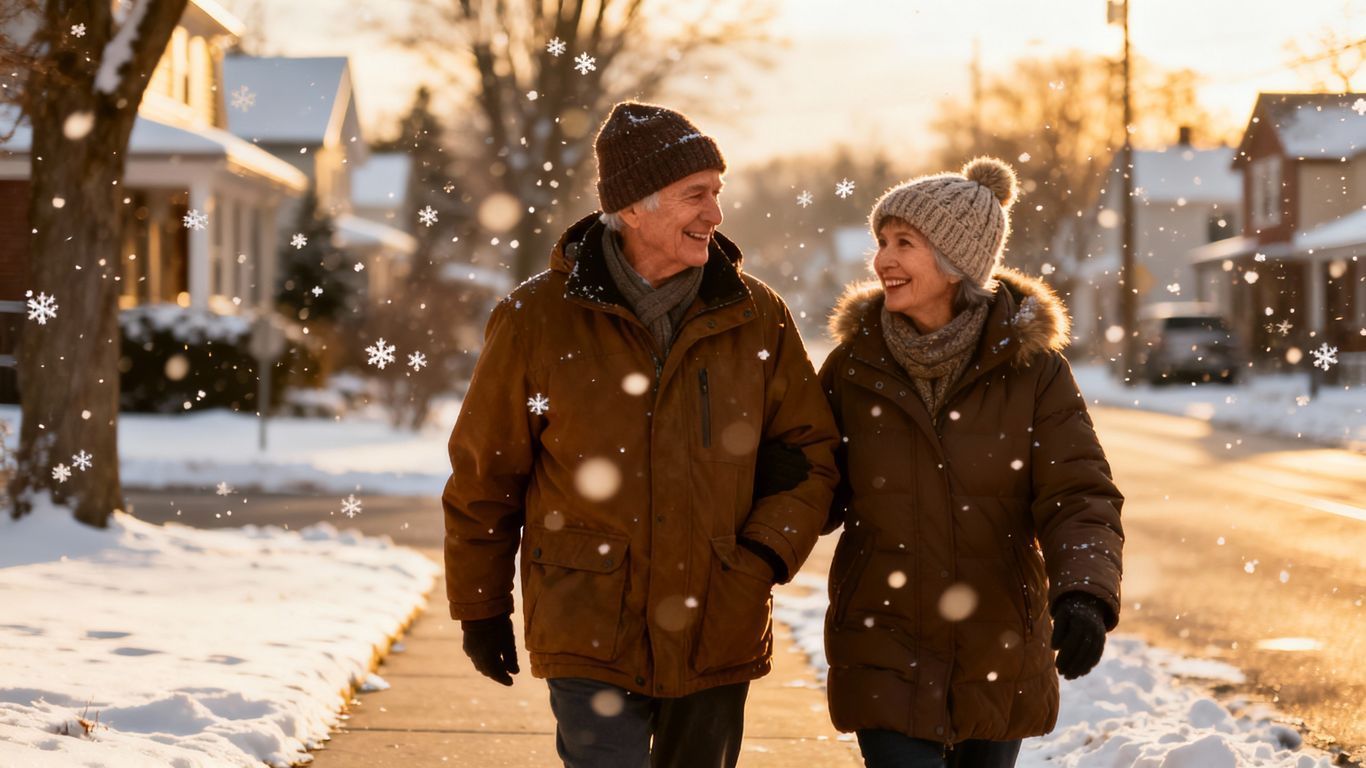
Winter can be tough, especially for our older neighbors in LaFayette, Dalton, Ringgold, and Ft. Oglethorpe. Cold weather brings its own set of challenges, but with a little preparation, we can all stay safe and comfortable. This article covers some important winter safety tips for seniors, focusing on how to handle the cold, stay healthy, and keep moving safely. Let's make sure everyone in our community has a good winter.
Key Takeaways
- Keep your home warm and check your heating system regularly to avoid issues.
- Be extra careful to prevent slips and falls, both inside and outside your home.
- Stay prepared for possible power outages by having supplies ready.
- Maintain good health by eating well, staying hydrated, and getting necessary vaccinations.
- If you need to drive, do so with caution, and remember to check in on your neighbors.
1. Stay Warm Indoors
When the temperatures drop around LaFayette and Dalton, keeping your home cozy is a big deal, especially for seniors. It's not just about comfort; it's about staying healthy. Making sure your living space is adequately heated can prevent a lot of winter-related health issues.
Here are a few things to think about:
- Layer up: Don't just rely on your thermostat. Wear layers of clothing, like thermal underwear, sweaters, and warm socks. A hat can make a surprising difference too, even indoors.
- Use blankets and throws: Keep extra blankets handy on the couch and in the bedroom. A warm quilt or a fleece throw can be a lifesaver on a chilly evening.
- Seal drafts: Check windows and doors for any drafts. You can use weather stripping or even a rolled-up towel at the bottom of a door to keep the warm air in and the cold air out. It’s a simple fix that really works.
- Warm drinks: Sipping on hot tea, coffee, or even just warm water can help raise your body temperature from the inside out.
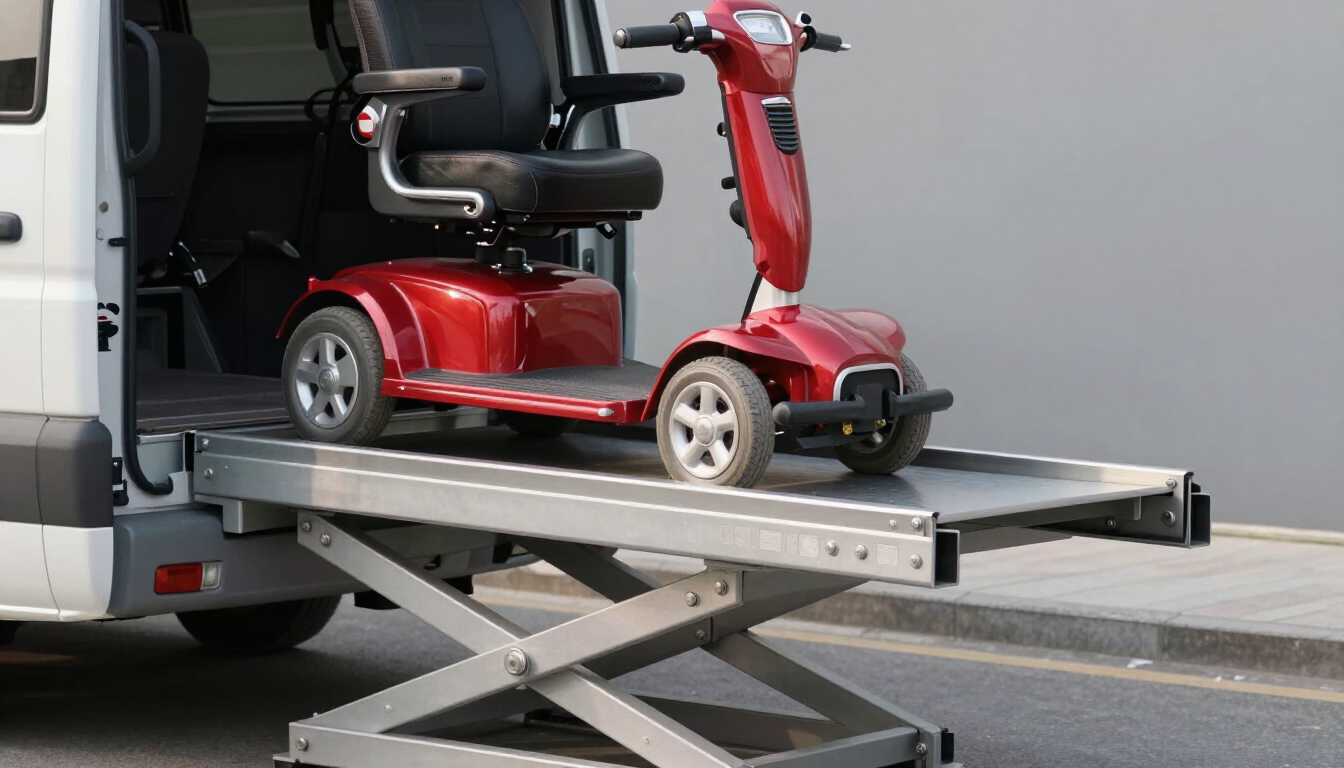
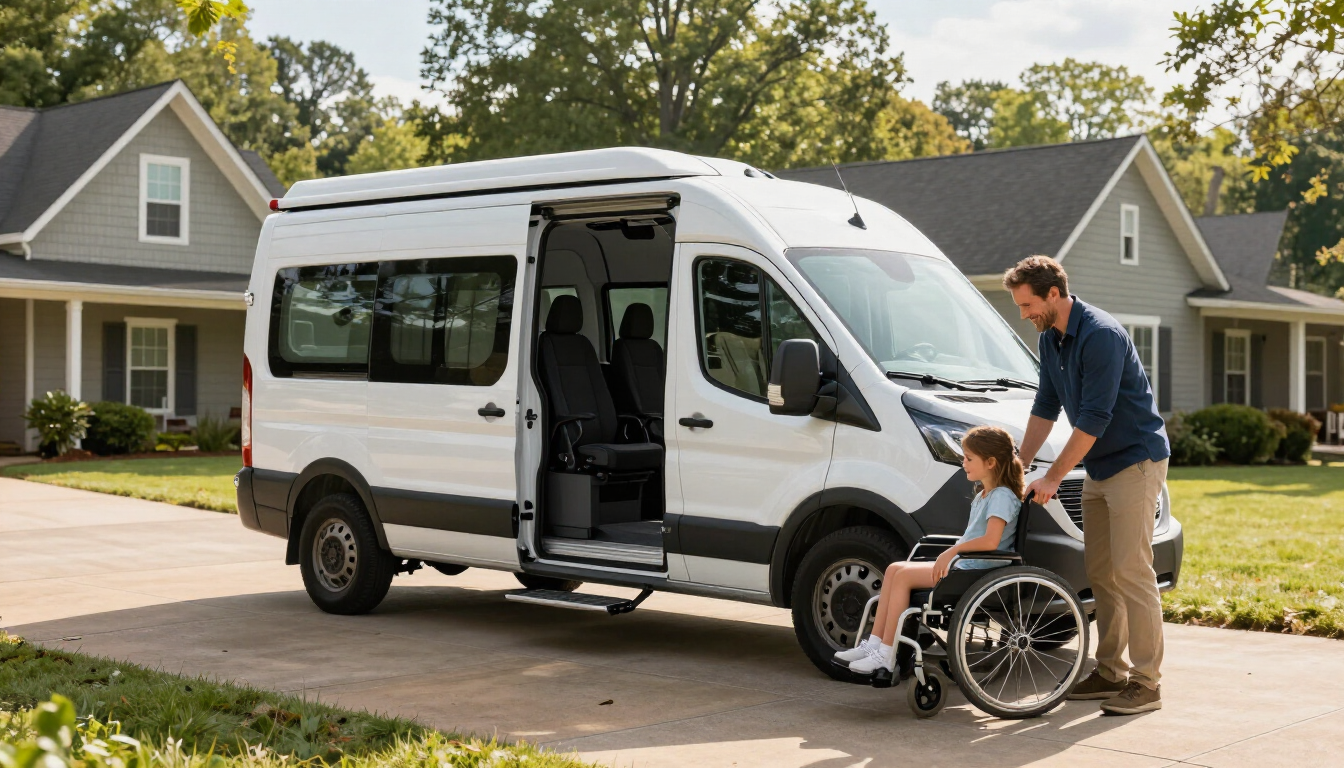
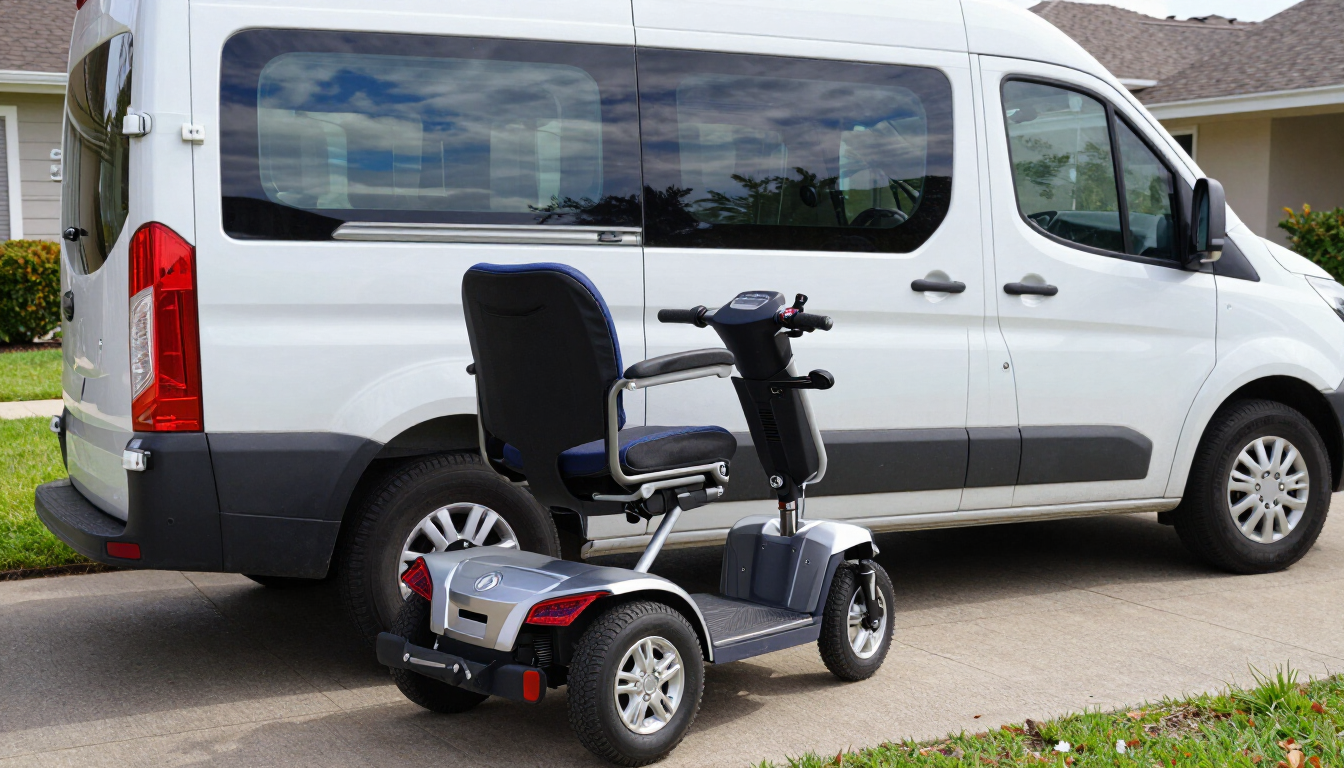
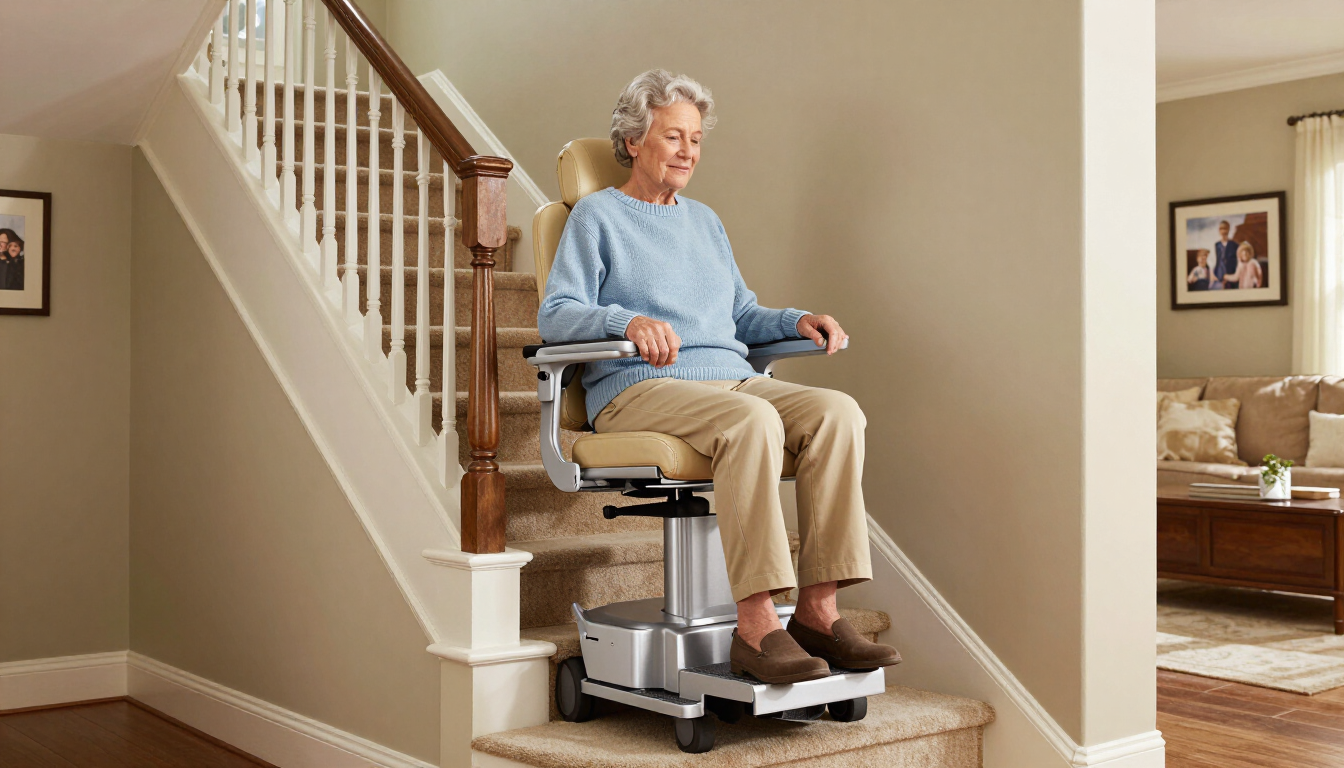
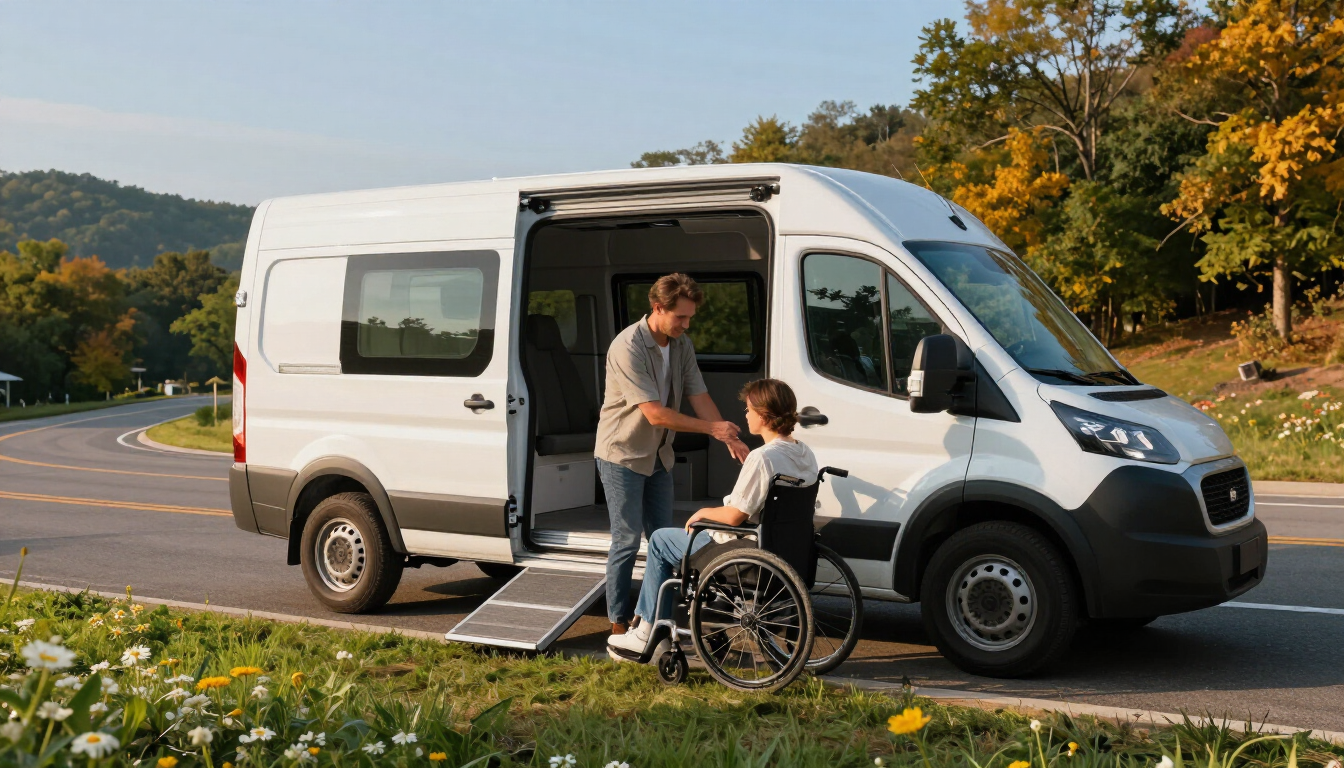
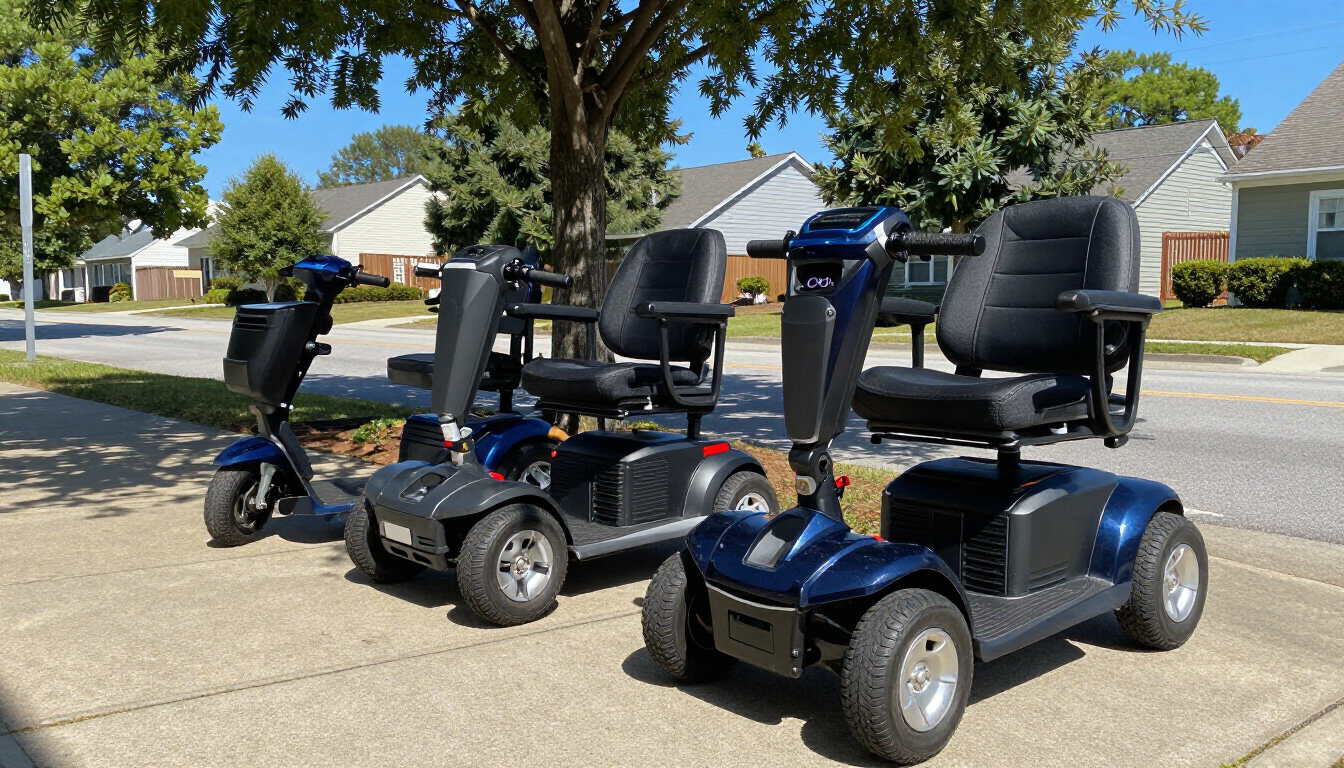
Sometimes, even with the best efforts, getting around the house can become a challenge. If mobility is a concern, looking into accessibility solutions might be helpful. Companies like North Georgia Mobility have been helping folks in the area for years with things like vehicle modifications and home adjustments.
Remember, staying warm isn't just about feeling good; it's a key part of staying safe and healthy all winter long. Don't hesitate to use extra blankets or put on another sweater. Your body will thank you.
2. Prevent Slips and Falls
Winter weather can make even familiar surroundings tricky. Ice and snow outside are obvious hazards, but don't forget about the inside of your home. Wet floors from tracked-in moisture or even just a spilled drink can become a real problem.
Taking simple steps can make a big difference in staying safe.
Here are a few things to think about:
- Clear pathways: Make sure walkways inside and outside your home are clear of clutter. This means things like shoes, mail, or anything else that might be in the way. If you have rugs, make sure they lie flat and don't have curled edges that could catch a toe.
- Good lighting: Make sure all areas, especially stairways and entryways, are well-lit. Replace burnt-out bulbs promptly. Consider motion-sensor lights for hallways or outside steps.
- Proper footwear: Inside the house, wear shoes with non-slip soles. Slippers are cozy, but if they're worn out or have smooth bottoms, they can be dangerous. Outside, if you have to go out, wear sturdy boots with good traction.
Falls can lead to serious injuries, especially for seniors. It's not just about being careful; it's about making your environment as safe as possible. Think about grab bars in the bathroom, especially near the tub or toilet. Even small changes can help prevent a nasty tumble.
3. Prepare for Power Outages
Winter weather can sometimes mean losing electricity, and that can be a real problem, especially for seniors. It's a good idea to have a plan in place before it happens. Having a basic emergency kit ready can make a big difference.
Think about what you'll need if the lights go out for a while. Here are some things to consider:
- Light sources: Keep flashlights and extra batteries handy. Candles can work, but be super careful with them – maybe battery-operated ones are a safer bet.
- Warmth: Have extra blankets, warm clothing, and maybe even a sleeping bag. If you have a fireplace, make sure you have dry firewood.
- Communication: A battery-powered radio is good for getting updates. Make sure your cell phone is charged, and consider a portable charger.
- Food and Water: Stock up on non-perishable food items that don't need cooking, like canned goods, granola bars, and bottled water. Don't forget a manual can opener!
If you rely on medical equipment that needs electricity, talk to your doctor or equipment provider about backup power options. This is really important for your health and safety.
It's also smart to know how to manually open electric garage doors and to have some cash on hand, as ATMs and credit card machines won't work without power. Staying informed about local weather alerts can help you prepare. You can find out about community events and news from groups from local authorities or community organizations.
Don't forget to check on your neighbors, especially if they live alone or have mobility issues. A little help can go a long way during a power outage.
4. Check Heating Systems
Winter in North Georgia can bring some chilly days, and making sure your heating system is up to snuff is a big deal. Nobody wants to be caught with a furnace that decides to take a vacation when the temperature drops. It's really important to get your heating system checked out before the cold really sets in.
Here are a few things to think about:
- Schedule a professional tune-up: A qualified technician can spot potential problems before they become major issues. They'll check the thermostat, clean filters, inspect the blower, and make sure everything is running safely and efficiently. Think of it like a doctor's visit for your furnace.
- Change air filters regularly: Dirty filters make your system work harder and can reduce air quality. Most filters need changing every 1-3 months, depending on the type and how much you use your system. It’s a simple task that makes a big difference.
- Know your system's age: Older heating systems might not be as efficient and could be more prone to breaking down. If yours is getting up there in years, it might be worth looking into replacements or at least having it inspected more thoroughly.
Keeping your heating system in good shape isn't just about comfort; it's also about safety. A malfunctioning heater can pose risks like carbon monoxide leaks. Regular maintenance helps prevent these dangerous situations and keeps your home warm and safe all season long. For more on preparing your home for winter, check out these essential safety tips.
Don't wait until you're shivering to think about your heater. A little bit of preventative care now can save you a lot of trouble, and maybe even some money, down the road. It’s a smart move for staying warm and comfortable through the winter months.
5. Stay Hydrated
It might seem odd to think about drinking enough water when it's cold outside, but staying hydrated is just as important in winter as it is in summer. Our bodies still need fluids to work right, even if we don't feel as thirsty. Dehydration can sneak up on you, making you feel tired, dizzy, or even confused, which isn't good for anyone, especially seniors.
Don't wait until you feel parched to drink something.
Here are a few simple ways to keep your fluid intake up:
- Keep a water bottle or a glass of water nearby throughout the day. Maybe put a reminder on your phone if you tend to forget.
- Try warm beverages like herbal tea, broth, or even warm water with a bit of lemon. They're comforting and hydrating.
- Eat foods with high water content. Things like soups, stews, and even some fruits and vegetables can add to your daily fluid intake. You can find great seasonal produce that helps with hydration, even in the colder months seasonal fruits and vegetables.
Sometimes, medications can also affect how much fluid your body needs or how it retains it, so it's always a good idea to chat with your doctor about your specific hydration needs.
Winter air can be dry, both outside and inside with heating systems running. This dryness can pull moisture from your body, making dehydration a bigger risk than you might think. Paying attention to your fluid intake helps your body manage temperature and keeps everything functioning smoothly.
6. Eat Nutritious Meals
When the weather gets cold, it's easy to just want to stay inside and eat comfort foods. But keeping your body fueled with the right stuff is super important, especially for seniors. Good nutrition helps keep your immune system strong and gives you the energy you need to stay active and alert.
Think about adding more warming, nutrient-dense foods to your plate. Things like hearty soups and stews are great because you can pack them with vegetables and lean protein. Root vegetables, for example, are fantastic this time of year. They're full of good things your body needs and can help keep you feeling full and satisfied. You can find some great ideas for winter vegetables that are perfect for these kinds of meals.
Here are a few ideas to get you started:
- Warm Soups and Broths: Easy to digest and can be loaded with veggies and lean meats.
- Root Vegetables: Carrots, sweet potatoes, and parsnips are great roasted or added to stews.
- Whole Grains: Oatmeal for breakfast or adding brown rice to meals provides sustained energy.
- Lean Proteins: Chicken, fish, beans, and lentils help maintain muscle mass.
Eating well in winter isn't just about staying warm; it's about giving your body the building blocks it needs to fight off illness and keep your energy levels up. Don't forget to drink plenty of water too, even if you don't feel as thirsty as you do in the summer.
Making sure you're eating balanced meals can make a real difference in how you feel day-to-day. It supports your overall health and can help prevent some of those wintertime blues.
7. Get Vaccinated
Winter is a prime time for colds and the flu, and seniors often have a harder time fighting these off. It's a good idea to get your flu shot before the really cold weather hits. And don't forget about the pneumonia vaccine, especially if you're over 65. These shots aren't just about feeling a little under the weather; they can help prevent serious complications that might land you in the hospital.
Staying up-to-date on vaccinations is one of the simplest yet most effective ways to protect your health during the colder months.
Here's why it's so important:
- Flu Vaccine: Protects against the most common strains of influenza circulating each year. It's usually available starting in the fall and recommended for almost everyone.
- Pneumonia Vaccine: Protects against serious lung infections. There are different types, and your doctor can tell you which one is right for you and when you should get it.
- COVID-19 Boosters: Staying current with recommended COVID-19 boosters is also smart, as this virus continues to circulate.
It's not just about preventing illness for yourself. When you get vaccinated, you're also helping to protect those around you, especially people who might be more vulnerable. Think of it as a community effort to keep everyone healthier.
Talk to your doctor or pharmacist about which vaccines are recommended for you. They can help you figure out your vaccination schedule and answer any questions you might have. It's a small step that makes a big difference in staying healthy and active all winter long.
8. Stay Active
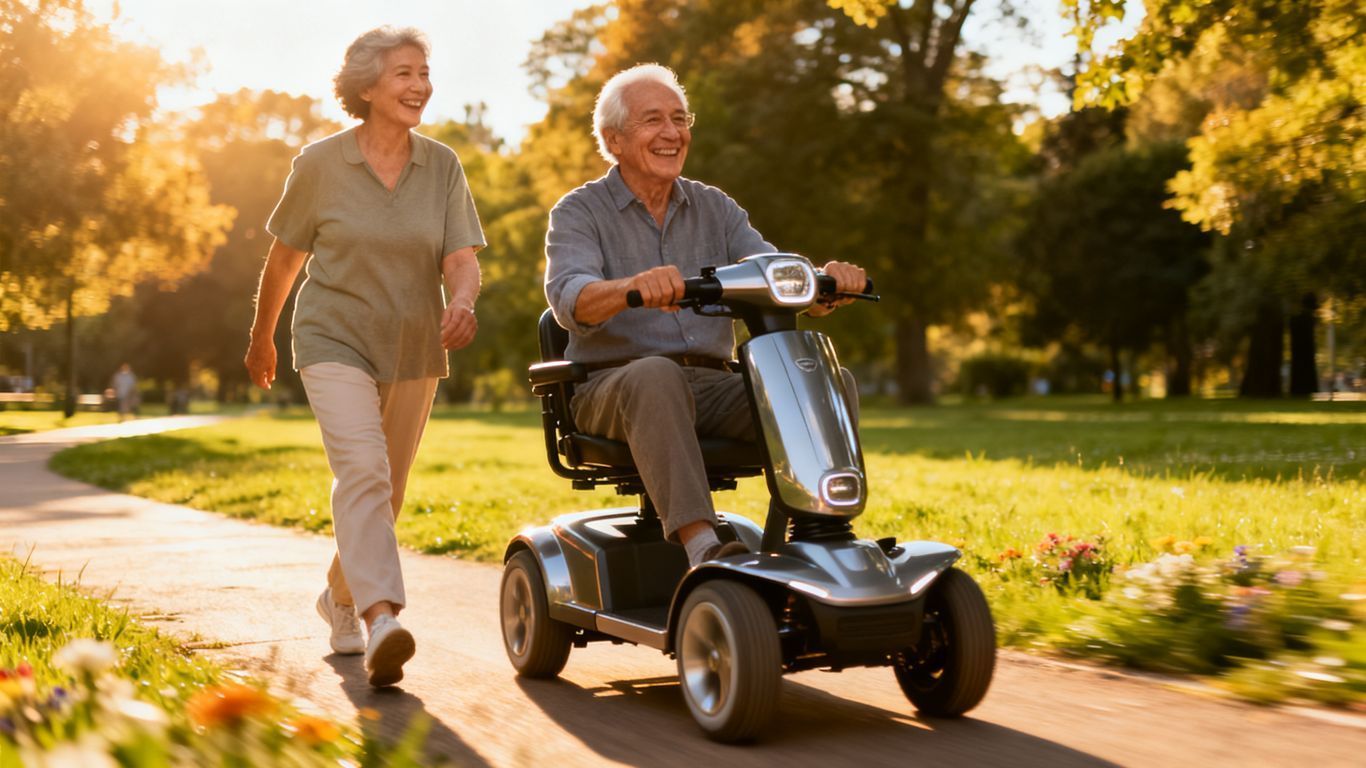
It might be cold outside, but that doesn't mean you have to become a couch potato. Keeping your body moving is super important, especially when the temperatures drop. Regular physical activity helps maintain strength, balance, and overall health, which are key to preventing those nasty winter falls. Even small amounts of movement can make a big difference.
Think about incorporating some gentle exercises into your daily routine. Here are a few ideas:
- Indoor Walking: Many community centers or even large malls offer indoor walking programs. It's a great way to get your steps in without worrying about ice.
- Chair Exercises: You can do a surprising amount of stretching and strengthening right from your favorite armchair. Think leg lifts, arm raises, and gentle twists.
- Light Strength Training: Using resistance bands or light weights can help keep your muscles strong. Focus on exercises that work major muscle groups.
- Dancing: Put on some music and just move! It's fun and a fantastic cardiovascular workout.
Remember, the goal isn't to run a marathon indoors. It's about consistent, gentle movement that keeps your joints from getting stiff and your muscles from weakening. If you're unsure about what exercises are safe for you, it's always a good idea to chat with your doctor first. They can help you find activities that fit your specific needs and abilities. Maybe even consider a winter birdwatching hike at Chattahoochee Bend State Park if the weather permits and you feel up to it.
Staying active also helps with circulation, which is another big plus during the colder months. It can even give your mood a little boost, fighting off those winter blues. So, find something you enjoy and make it a habit. Your body will thank you for it.
9. Drive Safely
Winter driving around LaFayette and Dalton can be tricky, even for the most experienced drivers. Ice and snow can make roads slick, and visibility can drop fast. It's really important to adjust your driving habits when the weather turns bad. Before you even think about heading out, give your car a once-over. Make sure your tires have good tread and are properly inflated. Check that your headlights, taillights, and windshield wipers are working well. You don't want to be caught off guard.
When you do need to drive, take it slow. Speed limits are for ideal conditions, not for when there's ice on the road. Give yourself plenty of extra time to get where you're going. That means leaving earlier than usual, so you don't feel rushed.
Here are a few things to keep in mind:
- Increase your following distance. Leave way more space between your car and the one in front of you than you normally would. This gives you more time to stop if you need to.
- Brake gently. Slamming on the brakes can cause your car to skid. Try to brake smoothly and early.
- Avoid sudden movements. Quick turns or lane changes can easily lead to losing control on slippery surfaces.
- Use your headlights. Even during the day, headlights can help others see you better in snowy or foggy conditions.
If you're not comfortable driving in winter weather, or if the roads look really bad, it's okay to just stay home. Sometimes the safest option is to wait it out.
If you have a vehicle that's been modified for accessibility, like those from North Georgia Mobility, make sure those features are also winter-ready. Check that ramps or lifts are clear of ice and snow before use, and that any controls are functioning properly. It's easy to forget these things when you're focused on the road conditions, but they're just as important for your safety.
10. Check on Neighbors
Winter weather can be tough, especially for older folks living alone. It's a good idea to reach out to your neighbors, particularly those who might need a little extra help.
A quick call or a short visit can make a big difference. Think about it – someone might be running low on groceries, need help clearing snow from their walkway, or just feel a bit lonely. Being a good neighbor means looking out for each other.
Here are a few things you can do:
- Call or text regularly: Just a quick check-in to see if they're doing okay and if they need anything.
- Offer practical help: Maybe they need a hand with shoveling snow, picking up prescriptions, or getting to an appointment.
- Share resources: If you know of local services that can help seniors during winter, pass that information along.
- Listen: Sometimes, just having someone to talk to can really lift spirits.
Checking in doesn't have to take a lot of time. Even a few minutes can show you care and help prevent someone from facing a problem alone. It builds a stronger community for everyone, especially when the weather turns cold.
Remember, we all benefit when we look out for one another. It’s about building connections and making sure everyone in LaFayette, Dalton, Ringgold, and Ft. Oglethorpe feels supported.
Looking out for your neighbors is a great way to build a strong community. A simple check-in can make a big difference, especially for those who might need a little extra help. It's about being a good friend and a caring neighbor. Want to learn more about how to support your community? Visit our website for tips and resources.
Stay Safe and Warm This Winter
Taking a few simple steps can make a big difference when the cold weather hits LaFayette, Dalton, Ringgold, and Ft. Oglethorpe. Remember to check in on neighbors, especially older folks. Keeping warm, staying active, and being prepared for icy conditions are key. If you or someone you know needs help with getting around or making your home safer, remember there are local resources like North Georgia Mobility ready to lend a hand. Let's all look out for each other and have a safe, cozy winter season.
Frequently Asked Questions
Why is it important for seniors to stay warm in winter?
Keeping warm is super important for older folks because cold weather can make health problems worse, like heart and lung issues. It also helps prevent things like hypothermia, where your body gets dangerously cold. Dressing in layers and keeping your home toasty are key!
What are the biggest risks for seniors when it comes to falling in winter?
Ice and snow make sidewalks and driveways slippery, which is a big fall hazard. Inside, things like rugs that slide around or poor lighting can also lead to tumbles. It's smart to wear sturdy shoes with good grip and make sure your home is well-lit and free of clutter.
How can seniors prepare for power outages during winter storms?
It's a good idea to have a backup plan. Keep flashlights and extra batteries handy, charge your phones, and maybe have a battery-powered radio. Stocking up on non-perishable food and water is also smart, just in case the power goes out for a while.
Why should seniors get their heating systems checked before winter?
Checking your heater before it gets really cold helps make sure it's working safely and efficiently. This prevents breakdowns when you need it most and reduces the risk of dangerous issues like carbon monoxide leaks. It's a simple step that offers big peace of mind.
Does staying hydrated matter as much in the winter?
Yes, absolutely! Even though you might not feel as thirsty in colder weather, your body still needs plenty of fluids. Drinking water helps your body work properly and can keep your energy levels up. Warm drinks like herbal tea are also a great choice.
How can seniors stay active and healthy during the winter months?
Even when it's cold outside, finding ways to move is beneficial. Try indoor exercises like walking around the house, gentle stretching, or even joining a senior fitness class. Staying active helps maintain strength, balance, and overall well-being, which is crucial for preventing falls and staying healthy.