How Home Accessibility Improves Quality of Life for Families
Making a home easier to get around in isn't just about ramps and grab bars, though those are important. It's really about making life smoother for everyone living there, especially when someone in the family has trouble moving around. When a home is set up with accessibility in mind, it can change things in big ways, making daily tasks simpler and giving people more freedom. Let's look at how these changes can really make a difference for families.
Key Takeaways
- Home accessibility changes help everyone in the family, not just the person with mobility issues. It makes daily life simpler and safer.
- Making a home accessible means people can do more for themselves, which feels good and builds confidence.
- When a home is easier to manage, caregivers have less physical stress, and families can spend more quality time together.
- The main home accessibility benefits include fewer accidents, more comfort, and potentially saving money in the long run.
- Simple updates like better doorways or grab bars can make a huge impact on how a family lives together.
Enhancing Daily Living Through Home Accessibility
Making your home work better for everyone in the family can really change things. It's not just about big renovations; it's about making everyday tasks smoother and less of a hassle. When a home is set up with accessibility in mind, it opens up possibilities for everyone, especially those who might have a harder time getting around.
Streamlining Movement Within The Home
Think about just moving from room to room. For some, this is simple. For others, it can be a daily challenge. Simple changes can make a big difference here. Wider doorways mean wheelchairs or walkers can pass through easily without bumping into things. Removing tripping hazards like thick rugs or uneven thresholds is also a big one. The goal is to create clear, open pathways. This makes getting around feel less like a chore and more like just living.
Adapting Spaces For Independent Living
It's important for everyone to feel like they can do things for themselves. Accessibility modifications help make this happen. In the kitchen, lower countertops or pull-out shelves can make cooking easier. In the bathroom, grab bars and a walk-in shower can prevent falls and make bathing less stressful. These adaptations aren't just about physical help; they're about maintaining a person's dignity and sense of self. It means less reliance on others for basic needs, which is a huge boost to anyone's confidence. You can find many solutions for
that fit different needs.
Creating Safer Living Environments
Safety is probably the biggest concern for most families when thinking about accessibility. Falls are a major risk, especially for older adults or those with mobility issues. Things like non-slip flooring in bathrooms and kitchens, good lighting throughout the house, and secure handrails on stairs can drastically cut down on accidents. It's about proactively making the home a place where people feel secure, not worried about getting hurt. Local experts can help assess your home and suggest practical modifications like grab bars and ramps to improve safety.
Boosting Independence and Dignity
Making a home accessible isn't just about physical changes; it's about giving people back their sense of self and their ability to do things on their own. When a home is set up to be easy to get around in, it really changes how people feel about their daily lives.
Empowering Individuals With Mobility Challenges
For anyone dealing with mobility issues, whether from age, injury, or a long-term condition, a non-accessible home can feel like a constant barrier. Simple tasks can become huge hurdles. But when you make changes, like adding ramps or grab bars, you're not just making things easier; you're giving someone back control. This shift can be profound, allowing individuals to move freely and confidently within their own living space. It's about respecting their desire for privacy and autonomy. For many, the goal is to continue aging in place with as much independence as possible.
Restoring Autonomy In Personal Routines
Think about the personal routines we all have – getting ready in the morning, preparing a meal, or just relaxing in a favorite chair. When these become difficult due to home design, it chips away at a person's dignity. Accessible bathrooms with walk-in showers, kitchens with adjustable counters, and wider hallways mean that these personal moments can be managed without constant help. It's about restoring the ability to manage one's own life, even in small ways.
Fostering A Sense Of Self-Reliance
When a home is designed with accessibility in mind, it naturally encourages people to do things for themselves. This isn't just about physical tasks; it's about the mental boost that comes from knowing you can do something. It reduces reliance on others for basic needs, which is important for everyone's self-esteem. This can be a big help for families where adult children are assisting aging parents and want them to maintain their independence.
The feeling of being able to manage your own affairs, even simple ones, is a huge part of feeling good about yourself. When a home supports this, it's a win for everyone involved. It builds confidence and reduces frustration.
Here are some ways independence is boosted:
- Easier access to different rooms.
- Ability to use the bathroom and kitchen without assistance.
- Reduced need to ask for help with everyday tasks.
- Greater participation in household activities.
Improving Family Dynamics and Inclusivity
Making a home accessible isn't just about the person with mobility challenges; it really changes things for the whole family. When a house is easier to get around in, it makes life smoother for everyone, especially those who help out. It shifts the focus from struggle to support.
Facilitating Easier Caregiver Support
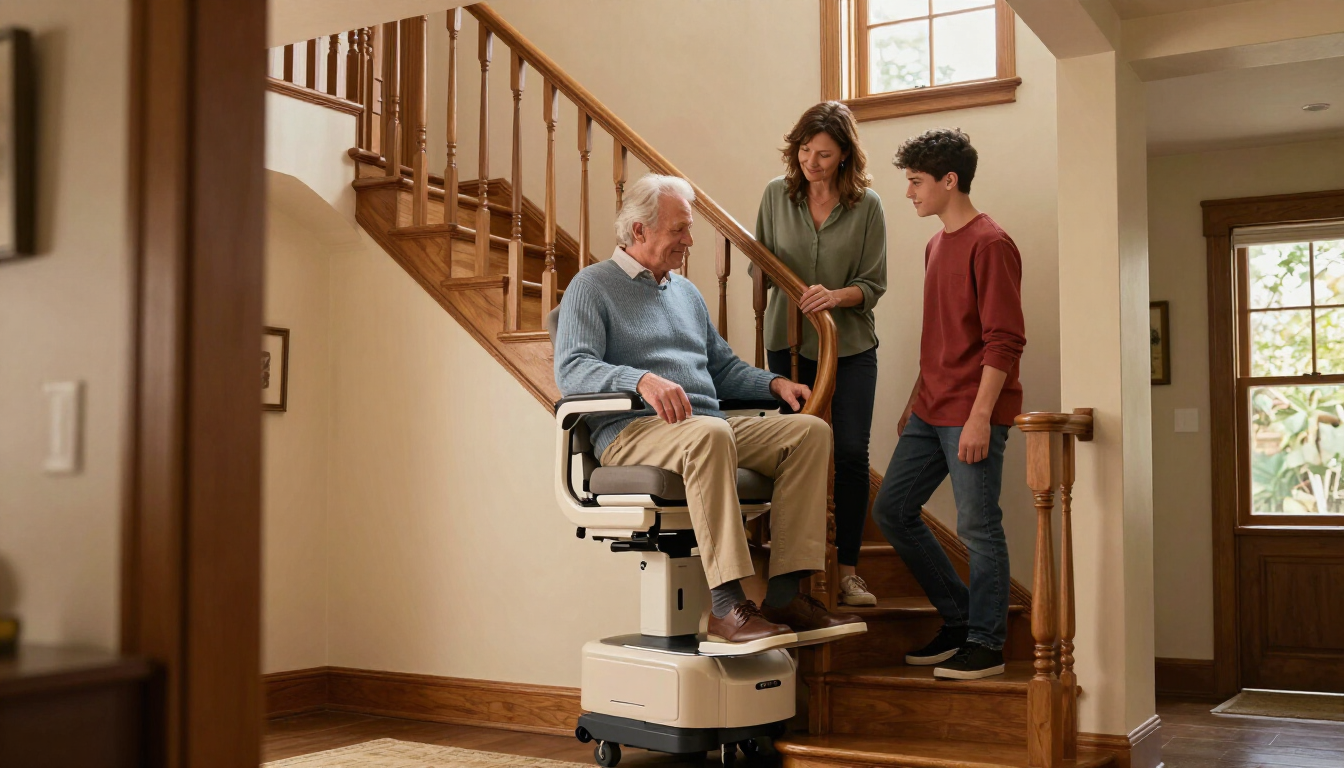
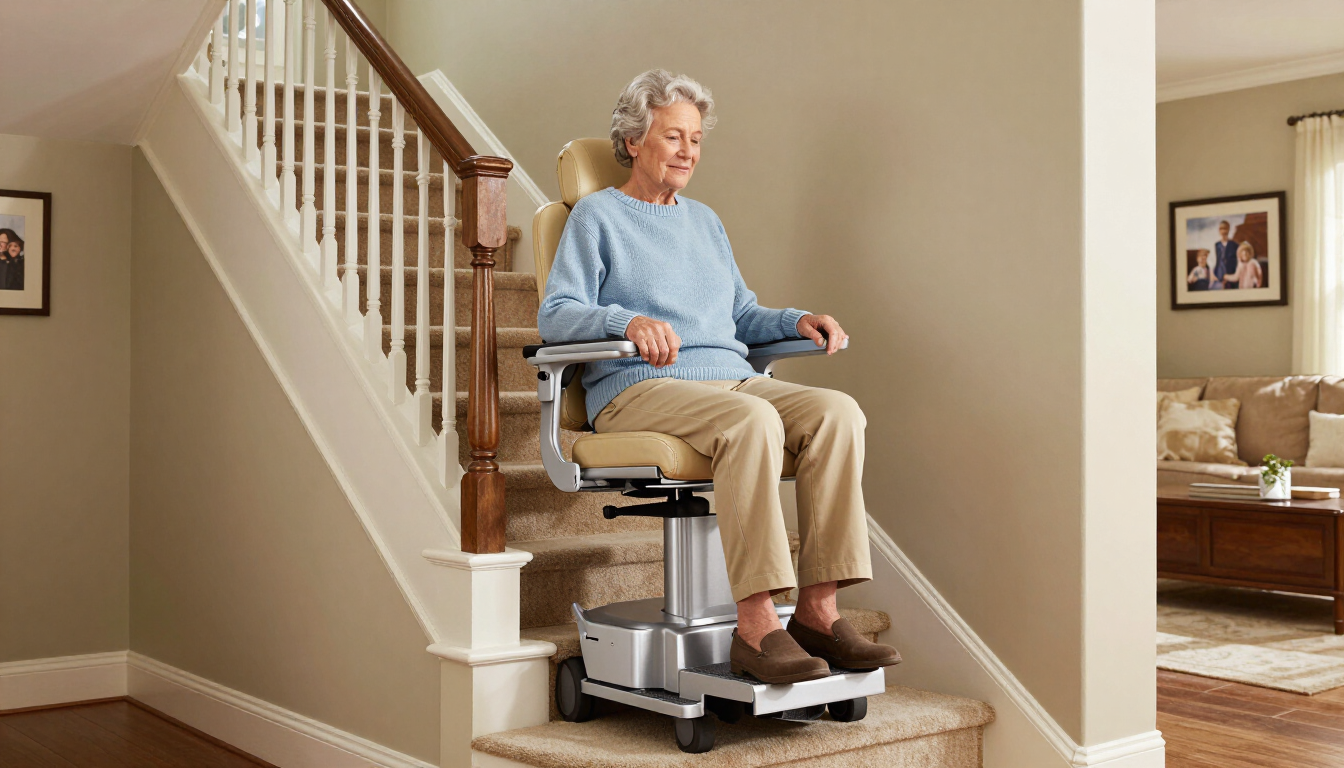
When a family member needs extra help, the home environment plays a big part. Modifications like grab bars in the bathroom or a stair lift can make a huge difference for the person providing care. It means less physical strain and more energy to focus on the person they're assisting. Think about the daily tasks: helping someone move from a bed to a chair, or assisting them in the shower. When these actions are made easier by the home's design, it reduces the risk of injury for both the caregiver and the person needing help. It's about making those moments less about a physical battle and more about connection and care. For those looking into upgrades, considering options like ramps and stairlifts can be a great starting point.
Encouraging Family Participation
An accessible home opens up more opportunities for everyone to be involved. Instead of one person being stuck in a specific room or needing constant assistance to join family activities, they can more easily participate. This means more shared meals, more time spent together in the living room, and generally a more connected family life. It breaks down barriers that might otherwise keep people isolated. When the house works for everyone, it naturally brings people closer.
Reducing Physical Strain On Loved Ones
Beyond the primary caregiver, other family members often pitch in. This could be a spouse, a child, or even visiting relatives. An accessible home means less heavy lifting and awkward maneuvering for everyone. It prevents the kind of wear and tear on bodies that can happen when you're constantly helping someone navigate a difficult space. This makes it easier for more people to contribute to care without feeling overwhelmed or risking their own physical well-being. It's a win-win for the entire household.
Making a home accessible is an investment in the well-being of the entire family unit. It's about creating a space where everyone feels comfortable, safe, and included in daily life, reducing stress and increasing opportunities for connection and shared experiences.
Key Home Accessibility Benefits For Families
Increased Safety And Reduced Fall Risks
Making your home more accessible isn't just about convenience; it's a big step towards keeping everyone safe, especially those who might be more prone to accidents. Think about it – a simple spill on the floor can be a major hazard for someone with mobility issues. By adding non-slip surfaces and removing tripping hazards, you're creating a much more secure environment. This proactive approach significantly cuts down on the chances of falls and injuries. It means fewer emergency room visits and less worry for everyone involved. It’s about creating a space where people can move around with confidence.
Greater Comfort And Convenience
When a home is set up with accessibility in mind, daily tasks just become easier. Imagine not having to struggle with narrow doorways or high thresholds. Things like wider hallways, accessible countertops, and easy-to-reach storage make a world of difference. It’s about making everyday living smoother and less of a chore. This applies to everyone in the family, not just those with specific needs. A well-designed accessible home is simply more comfortable and practical for all its residents. It's a win-win for the whole household, making daily routines feel less like a challenge and more like a breeze. You might find that simple changes, like installing grab bars in the bathroom, make a huge difference in daily living.
Long-Term Cost Savings
While some accessibility modifications might seem like an upfront expense, they often lead to significant savings down the line. For instance, adapting a home to allow someone to stay living independently can delay or even eliminate the need for more expensive assisted living facilities. Plus, preventing injuries from falls means avoiding costly medical bills and rehabilitation. It’s an investment in well-being that pays off. Think about the peace of mind knowing that your loved ones can remain safely in their familiar surroundings, which is priceless. Many veterans can also find financial aid for these types of home upgrades, which is a great resource to look into.
Making a home accessible is more than just adding ramps or grab bars. It's about creating an environment that supports the well-being and independence of every family member, reducing stress, and improving overall quality of life for years to come.
Essential Modifications For Accessible Homes
Making a home accessible isn't just about adding a few gadgets; it's about thoughtful changes that make a real difference in daily life. These modifications are designed to remove barriers and create a safer, more comfortable environment for everyone in the household.
Ramp and Stairlift Installations
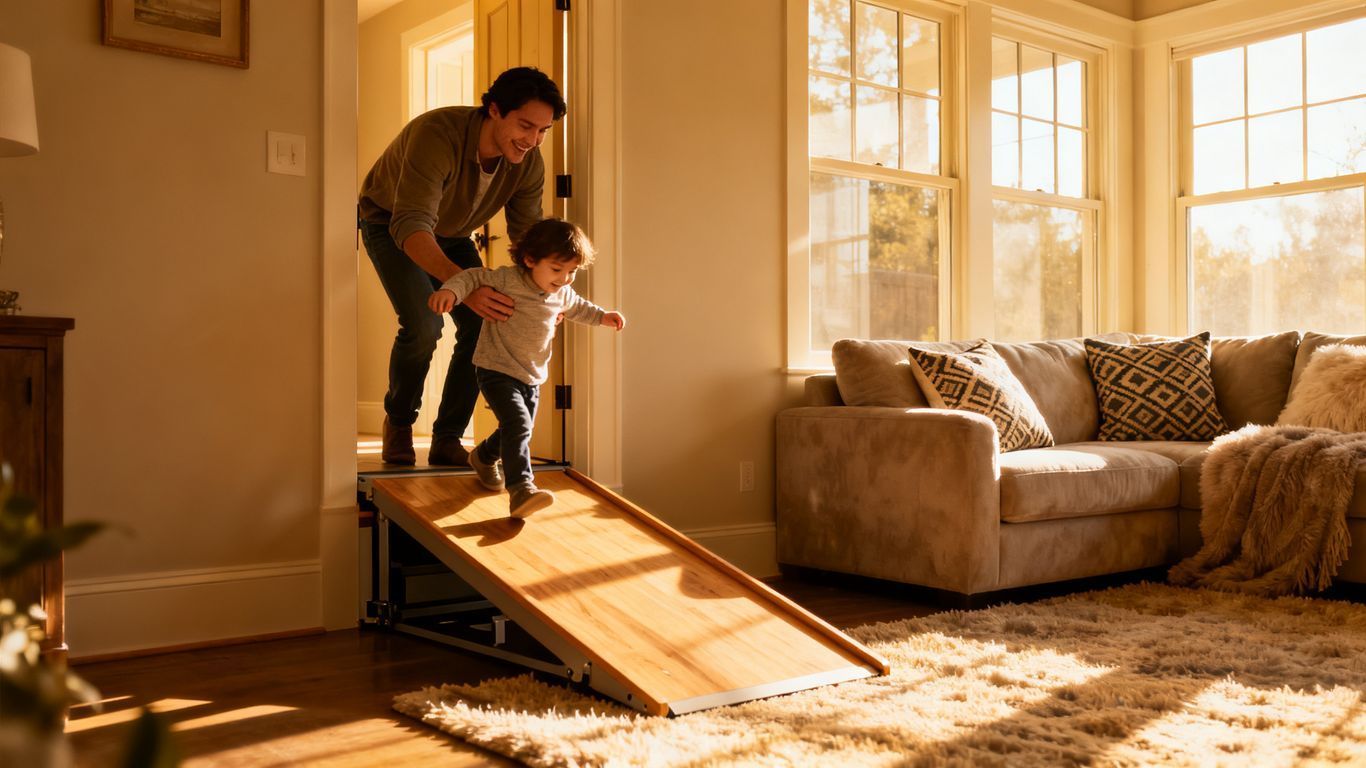
For individuals who have trouble with stairs, ramps and stairlifts are game-changers. Ramps can be installed outside the main entrance to allow wheelchair or walker access, eliminating the need to navigate steps. Inside the home, stairlifts provide a safe and easy way to move between floors. These solutions are key to maintaining independence and allowing full use of the home.
- Ramps: Can be permanent or modular, made from various materials like wood, metal, or concrete.
- Stairlifts: Come in various designs for straight or curved staircases, often with comfortable seating and safety harnesses.
- Vertical Platform Lifts: An alternative for homes with multiple levels or where a ramp isn't feasible.
Bathroom and Kitchen Adaptations
The bathroom and kitchen are often areas where accessibility is most needed. Simple changes can prevent accidents and make tasks much easier.
- Bathrooms: Consider installing grab bars near the toilet and in the shower/tub. Walk-in tubs or roll-in showers are also excellent options. Lowering countertops or installing accessible sinks can help too.
- Kitchens: Adjustable height countertops, pull-out shelves, and easy-to-reach appliances make a big difference. Lever-style faucet handles are easier to operate than traditional knobs.
These adaptations aren't just for people with current mobility issues. They often make life easier for everyone, from parents with young children to older adults who want to age in place. Thinking about these changes proactively can save a lot of hassle down the road.
Wider Doorways and Accessible Flooring
Getting through doorways and moving around the house can be a challenge with mobility aids. Widening doorways allows easier passage for wheelchairs and walkers. The type of flooring also plays a significant role in safety and ease of movement. Non-slip surfaces are particularly important in areas like bathrooms and kitchens. Removing tripping hazards, like thick rugs or uneven transitions between floor types, is also a simple yet effective modification. Exploring options for home accessibility can open up a world of possibilities for greater independence.
Finding ways to fund these changes is also important. There are various programs and resources available that can help make these necessary modifications more affordable, including grants and state programs designed to assist families with home accessibility costs.
Creating A Supportive Home Environment
The Role Of Assistive Technology
Assistive technology can really make a difference in how people live at home. Think about things like smart home devices that can be controlled with your voice, or special tools that help with everyday tasks. These aren't just gadgets; they're designed to make life easier and safer, especially for those who might have trouble with certain movements. It's about giving people more control over their own space. For example, automated lighting systems can prevent falls, and remote controls for doors or windows mean less strain. It’s amazing how much these tools can help with daily routines.
Designing For Future Needs
When you're thinking about making a home more accessible, it's smart to look ahead. What might someone need in five, ten, or even twenty years? This doesn't mean you have to do everything at once. It's more about making choices now that won't get in the way later. For instance, if you're renovating a bathroom, consider installing grab bars even if they aren't needed right now. Or, when choosing flooring, pick something that's easy to walk on and won't cause slips. Planning ahead can save a lot of hassle and money down the road.
Thinking about future needs means building flexibility into your home. It's about creating a space that can adapt as life changes, rather than needing major overhauls later.
Making Homes Welcoming For All
An accessible home isn't just about ramps and grab bars, though those are important. It's also about creating a general atmosphere where everyone feels comfortable and included. This means considering things like:
- Clear pathways so people using walkers or wheelchairs can move around easily.
- Good lighting throughout the house, especially in hallways and stairways.
- Furniture arranged in a way that doesn't block movement.
- Making sure common areas are easy to get to for everyone.
When a home is designed with everyone in mind, it naturally becomes a more pleasant place for the whole family. It reduces barriers and encourages more interaction. Simple changes can make a big impact on how everyone feels in their own house, and there are many resources available for home modifications that can help.
Making your home a safe and comfortable place is super important. Simple changes can make a big difference in daily life. Think about adding ramps or grab bars to make moving around easier. These adjustments help everyone feel more secure and independent. Want to learn more about making your home more accessible? Visit our website for helpful tips and solutions.
Making Home Work for Everyone
So, when you think about making changes around the house for better accessibility, remember it's not just about ramps or grab bars. It's about making life easier for everyone in the family. It means more independence for those who need it and less worry for the rest. Little adjustments can make a big difference in how everyone feels and functions day-to-day. It really comes down to creating a space where everyone can be comfortable and do their own thing, without feeling limited. It's a good investment in your family's happiness and well-being for years to come.
Frequently Asked Questions
What exactly is home accessibility?
Home accessibility means making changes to your house so that it's easier and safer for everyone to use, especially people who have trouble moving around. This could involve simple things like adding grab bars or more involved projects like installing ramps or wider doorways. The goal is to make your home a comfortable and functional place for all family members, no matter their physical abilities.
How can making my home more accessible help my family?
When a home is easier to navigate, it helps everyone. It means less worry about falls or accidents, especially for older adults or those with disabilities. It also allows people to do more things for themselves, which builds confidence and independence. For caregivers, it can make tasks simpler and less physically demanding, improving everyone's daily life and reducing stress.
What are some common accessibility upgrades for homes?
Some common upgrades include putting in ramps or stairlifts to help with different levels, making bathrooms safer with features like walk-in showers and grab bars, and adapting kitchens so they are easier to use. Widening doorways is also a big help for wheelchairs or walkers, and using non-slip flooring can prevent tumbles. These changes make a big difference in how easily people can get around.
Does accessibility only help people with disabilities?
Not at all! While accessibility features are crucial for individuals with mobility challenges, they benefit the entire household. Think about carrying groceries, moving furniture, or even just having a safe place to walk. Many accessibility features, like good lighting or sturdy handrails, make the home safer and more convenient for children, older adults, and anyone who might temporarily need a little extra support.
Can accessibility features save money in the long run?
Yes, they often can! By preventing accidents like falls, you can avoid costly medical bills and hospital stays. Making a home more accessible can also help people stay in their homes longer, delaying or avoiding the expense of moving to assisted living facilities. Plus, easier movement and independence can lead to better overall health and well-being, which is priceless.
Where can I find help with home accessibility modifications?
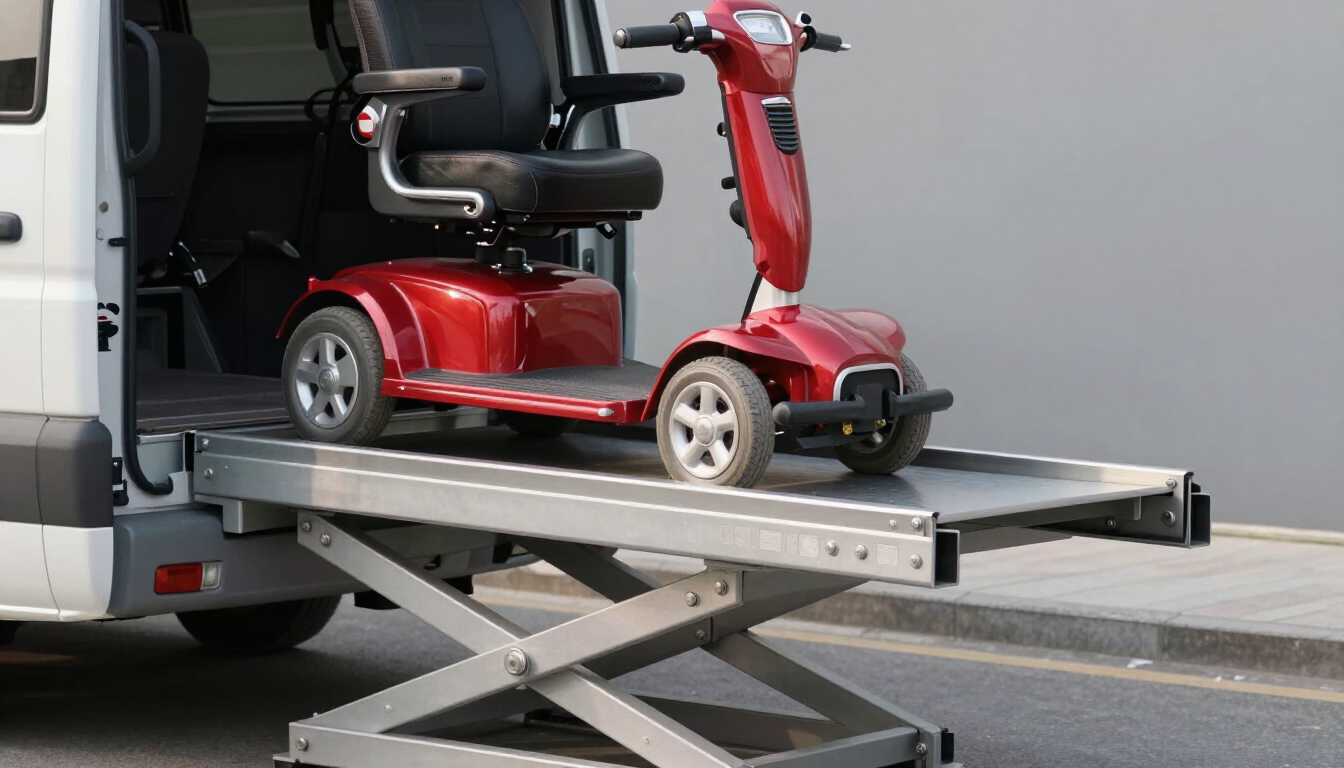
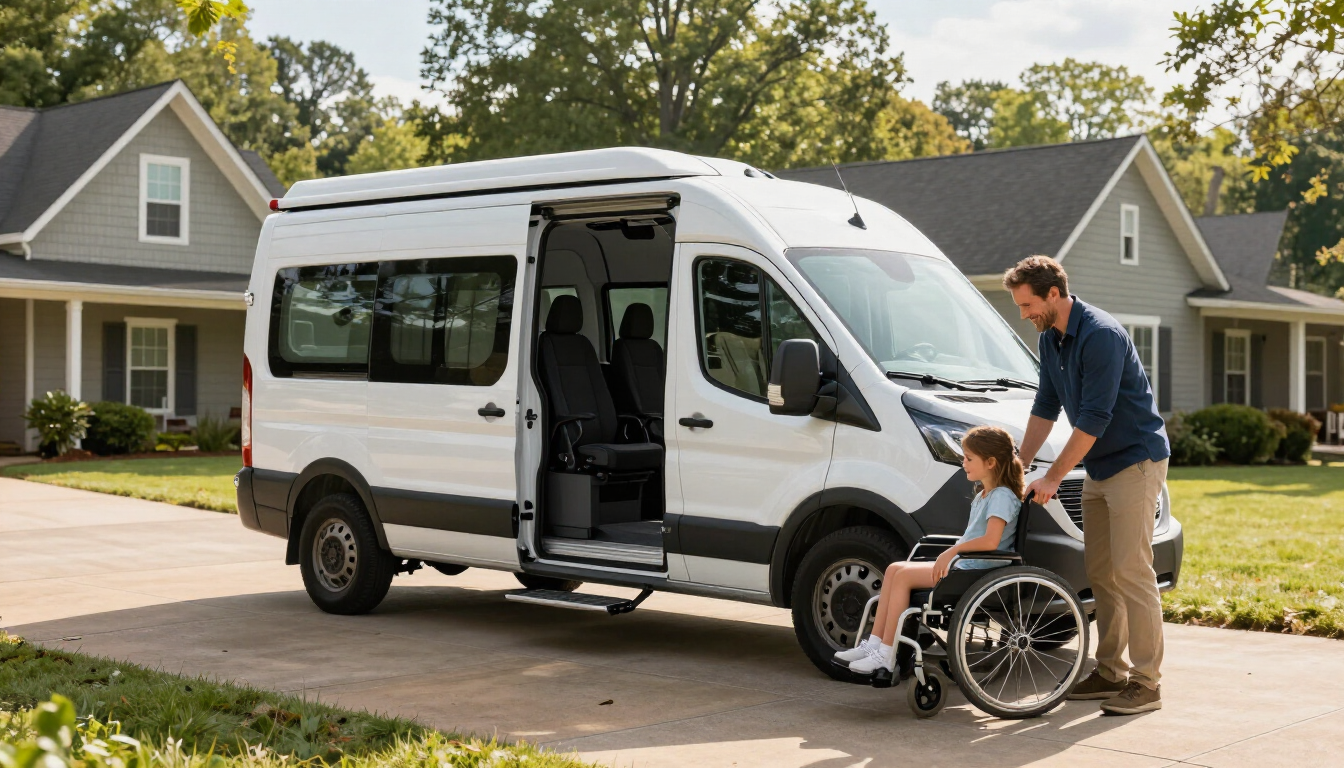
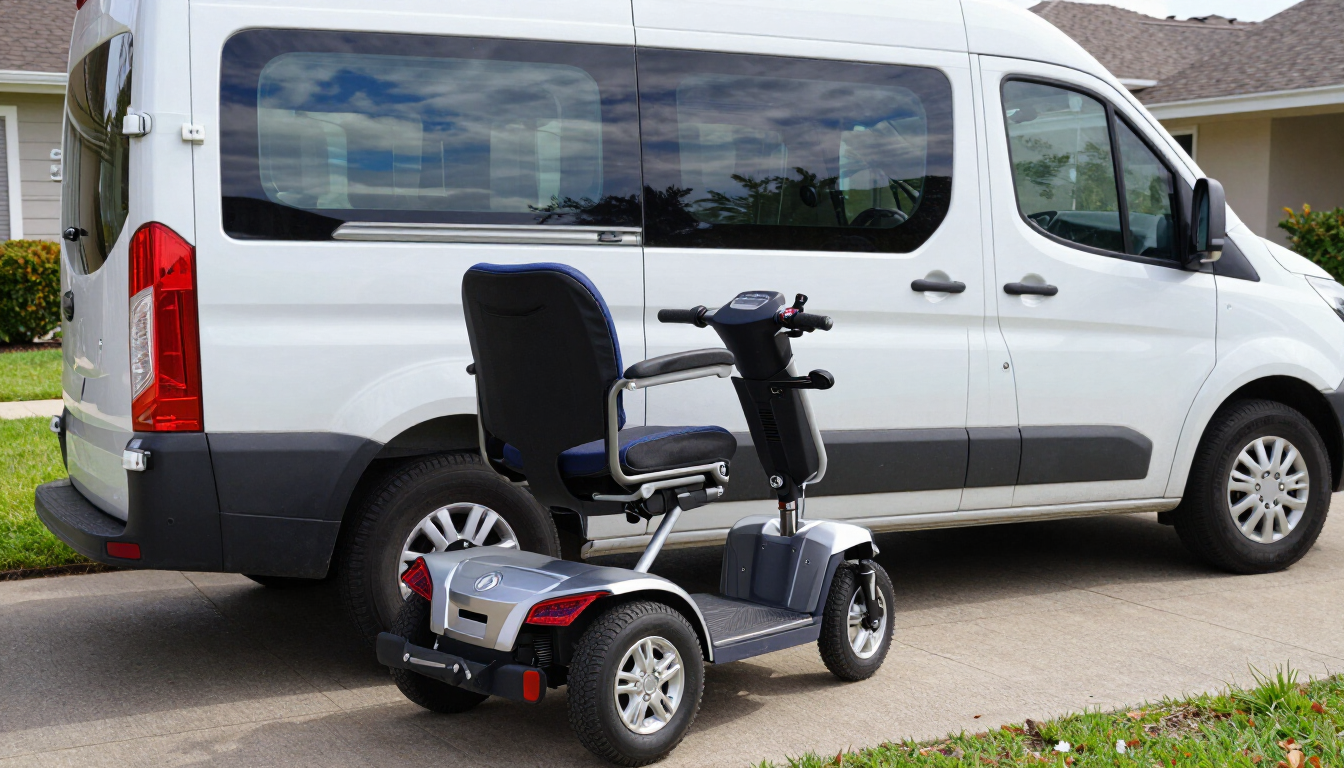
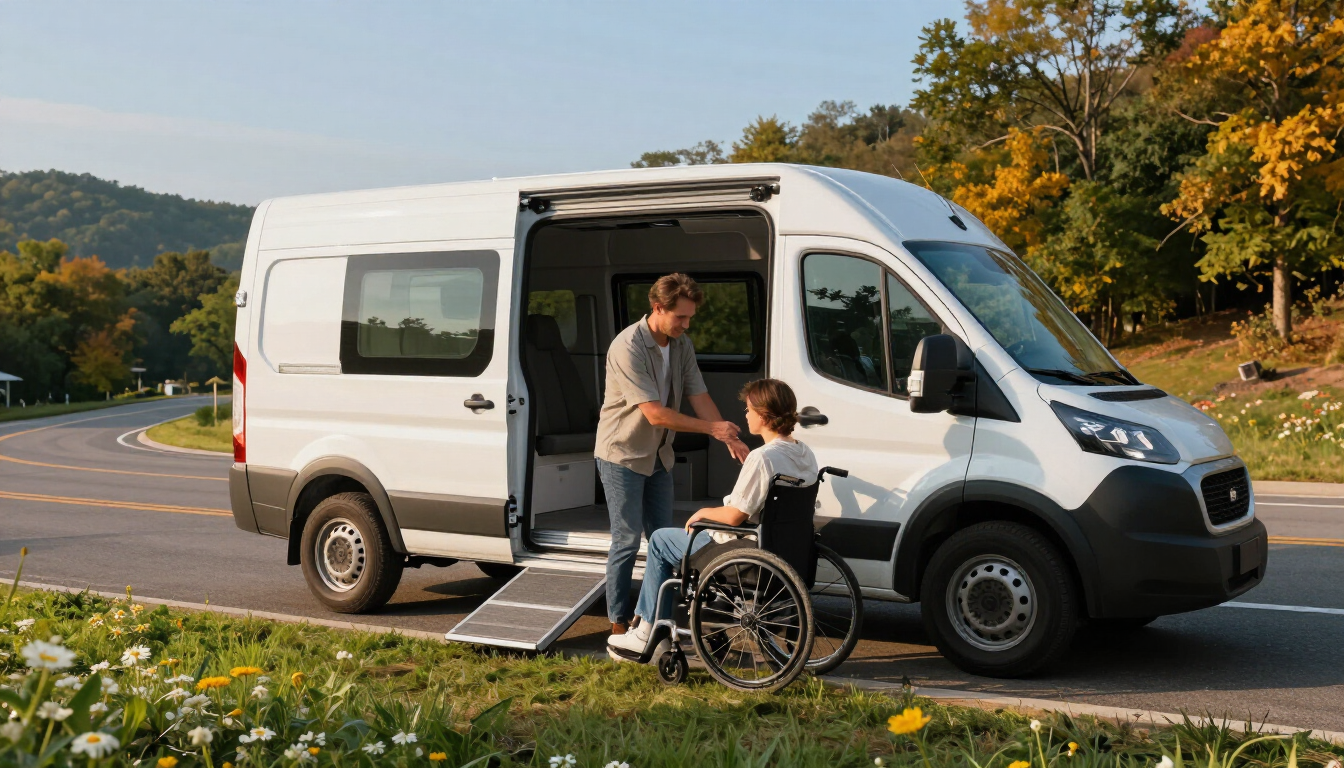
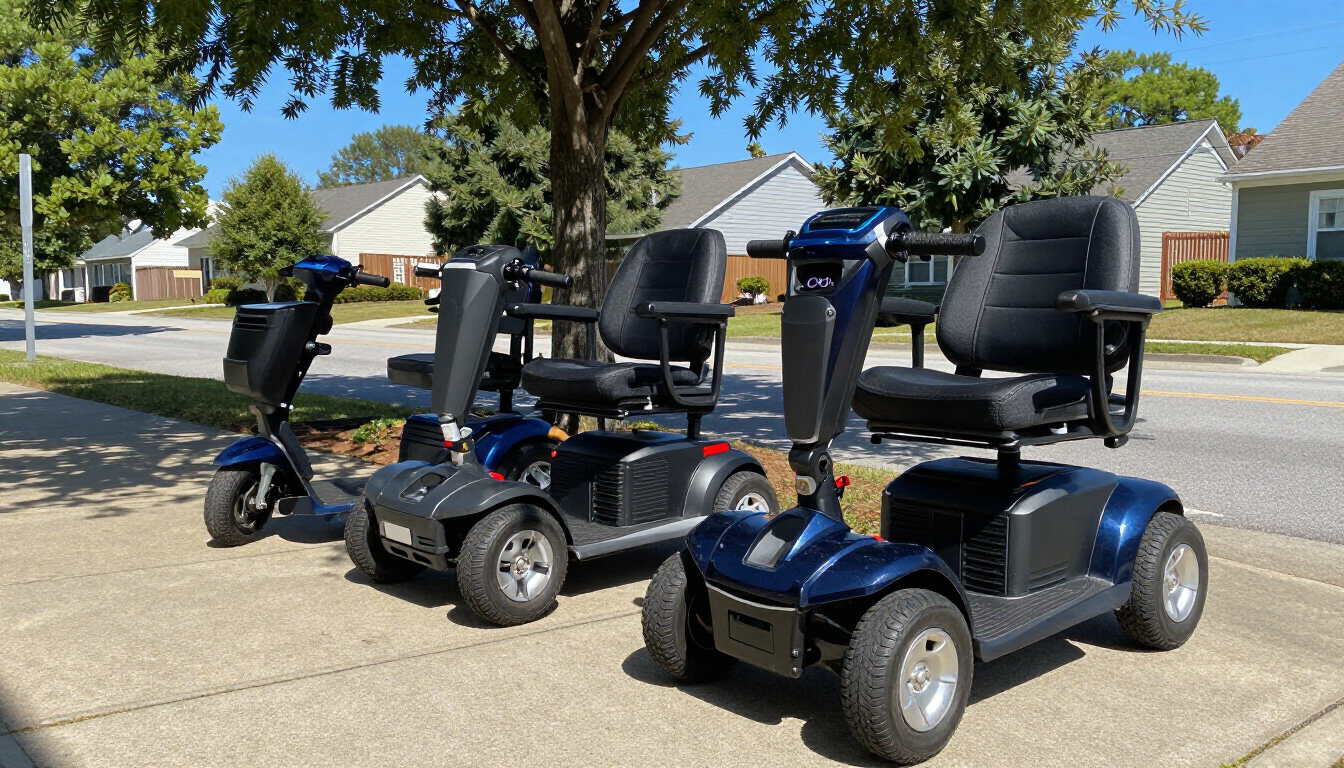
There are many professionals who can help you plan and complete accessibility projects. Companies that specialize in home modifications or mobility solutions can offer guidance and services. For example, North Georgia Mobility has been helping people with accessibility needs for many years, offering solutions for homes and vehicles. It's a good idea to look for local, experienced providers who understand your specific needs.