April Is Fall Prevention Month: How Mobility Equipment Helps Keep You Safe
April is here, and with it comes Fall Prevention Month. It’s a good time to think about staying safe, especially as we get older. Falls can really change things, but the good news is there are ways to lower the risk. One big help comes from using the right mobility equipment. This stuff isn't just about getting around; it's about keeping you steady and independent. Let's talk about how these tools, along with some smart home changes, can make a big difference in preventing falls.
Key Takeaways
- Understanding why falls happen is the first step in preventing them, with common causes including vision problems, medication side effects, and home hazards.
- Using fall prevention mobility aids like walkers, rollators, canes, and wheelchairs can provide necessary support and improve balance.
- Making simple home modifications, such as adding grab bars in bathrooms or installing ramps, can significantly reduce fall risks.
- Choosing the correct mobility equipment involves assessing personal needs and consulting with professionals to find the best fit.
- Mobility solutions help maintain independence, reduce the fear of falling, and can incorporate technology for added safety.
Understanding Fall Risks and Prevention Strategies
Common Causes of Falls in Older Adults
Falls don't just happen out of nowhere. Usually, there's a mix of things that make them more likely. For older adults, these reasons can pile up. Think about vision changes – it's harder to see that rug edge or a step. Then there are health issues. Chronic conditions like arthritis can affect balance and strength. Medications are another big one; some can make you dizzy or sleepy. Even simple things like walking on uneven surfaces or wearing slippery shoes can be a problem.
- Vision impairment
- Muscle weakness and balance issues
- Side effects from medications
- Chronic health conditions (e.g., diabetes, arthritis)
- Environmental hazards (e.g., poor lighting, clutter)
It's easy to dismiss a fall as just bad luck, but often, it's a sign that something in a person's health or surroundings needs attention. Looking at the whole picture helps figure out why falls happen.
The Importance of Proactive Fall Prevention
Waiting until after a fall to think about prevention isn't the best plan. Being proactive means taking steps before a fall occurs. This approach is about staying ahead of the curve. It's about maintaining independence and quality of life for as long as possible. When we focus on prevention, we're not just avoiding injuries; we're also building confidence and reducing the fear of falling, which can itself lead to less activity and more isolation.
How Mobility Equipment Enhances Fall Prevention
This is where mobility equipment really shines. These tools aren't about limiting someone; they're about providing support and stability. A walker or a cane, for example, gives you an extra point of contact with the ground, making you steadier. Rollators offer even more stability and a place to rest if needed. For those who need more significant support, wheelchairs and scooters open up possibilities for getting around safely without the constant worry of tripping or losing balance. Using the right equipment can make a huge difference in staying safe and active.
Mobility Aids for Enhanced Safety and Independence
Falls can really shake your confidence, making everyday tasks feel a lot harder. That's where mobility aids come in. They're not just about getting around; they're about giving you back a sense of security and freedom. These devices are designed to provide extra support, improve balance, and reduce the physical strain that can lead to a tumble.
Walkers and Rollators: Stable Support for Movement
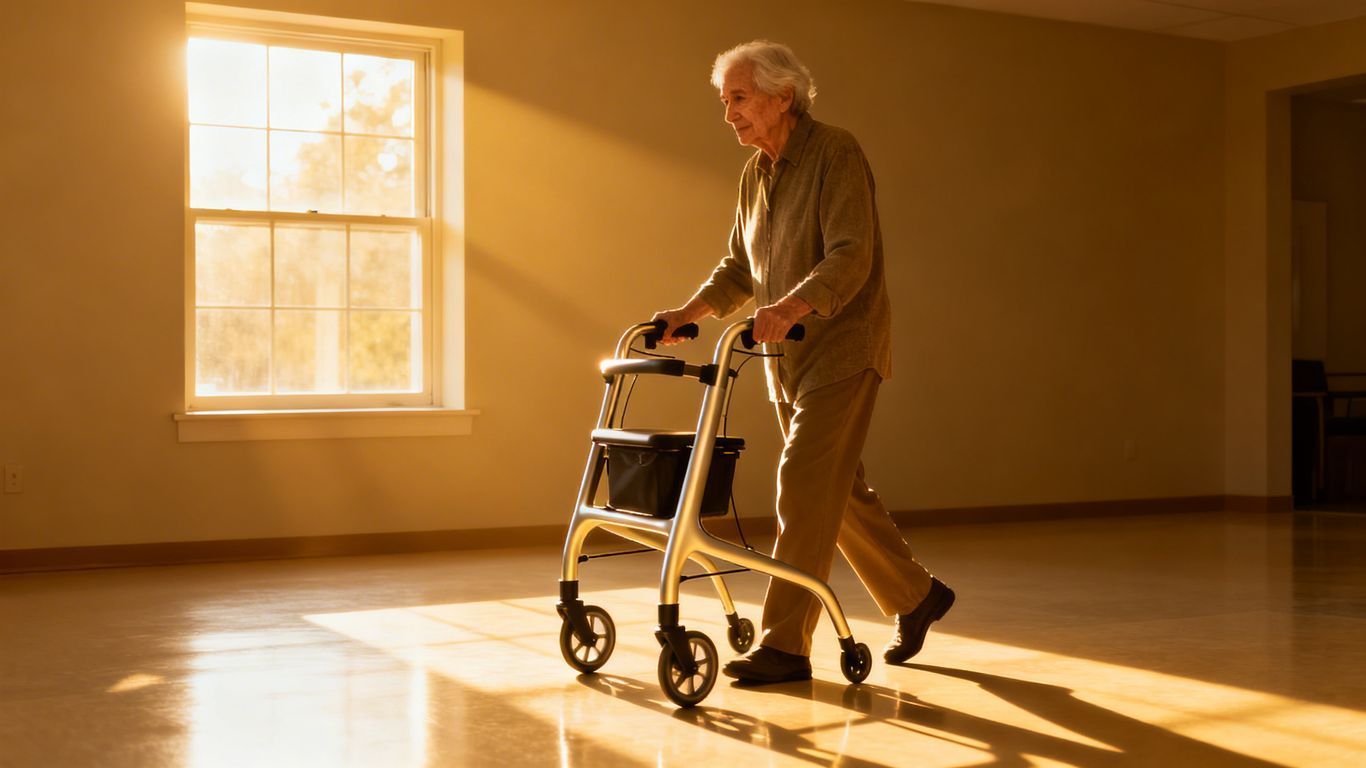
Walkers and rollators are fantastic for people who need a bit more stability than a cane can offer. A basic walker gives you four points of contact with the ground, making it super steady. Rollators take it a step further with wheels, making them easier to maneuver, especially if you're walking longer distances or just want to keep moving without lifting. Many rollators also come with a built-in seat, which is a lifesaver when you need to rest.
- Stability: Provides a wider base of support.
- Maneuverability: Rollators with wheels allow for easier movement.
- Convenience: Seats on rollators offer a place to rest.
Canes and Crutches: Essential Tools for Balance
When you need just a little extra help with balance or want to take some weight off an injured leg, canes and crutches are the go-to tools. A cane can make a big difference in your confidence when walking on uneven surfaces or just getting up from a chair. Crutches are usually for more significant support, often after an injury, helping you get around while you heal.
Choosing the right type of cane, like a quad cane for maximum stability or a standard single-point cane for everyday use, can significantly impact your safety. It's about finding the tool that fits your specific needs.
Wheelchairs and Scooters: Enabling Greater Mobility
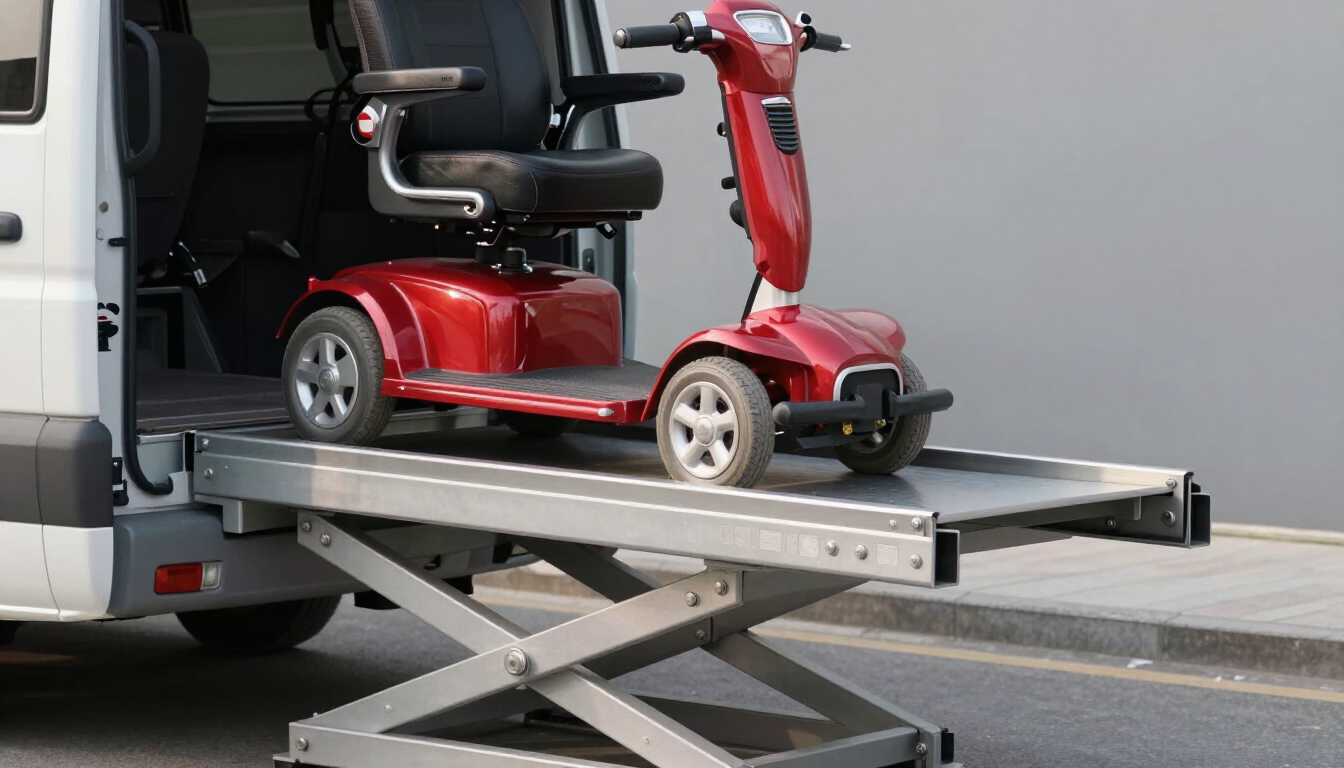
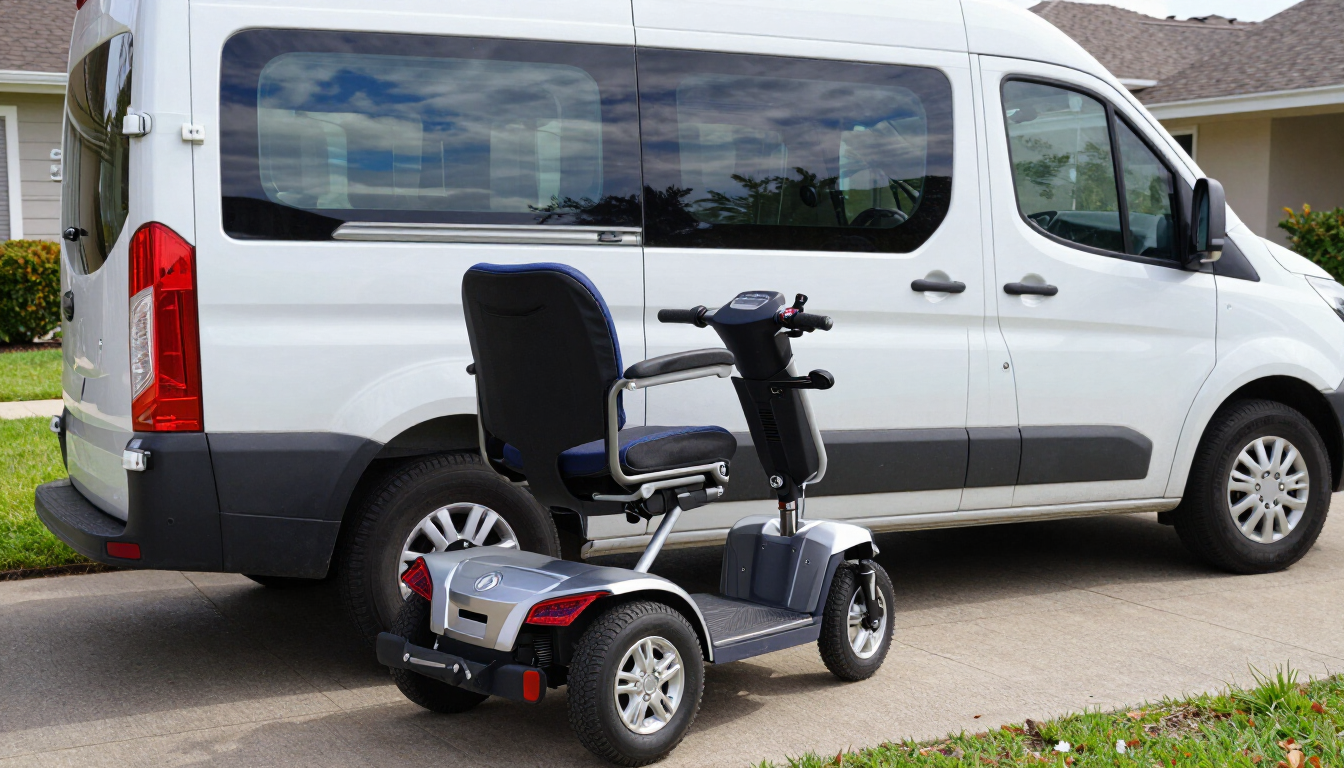
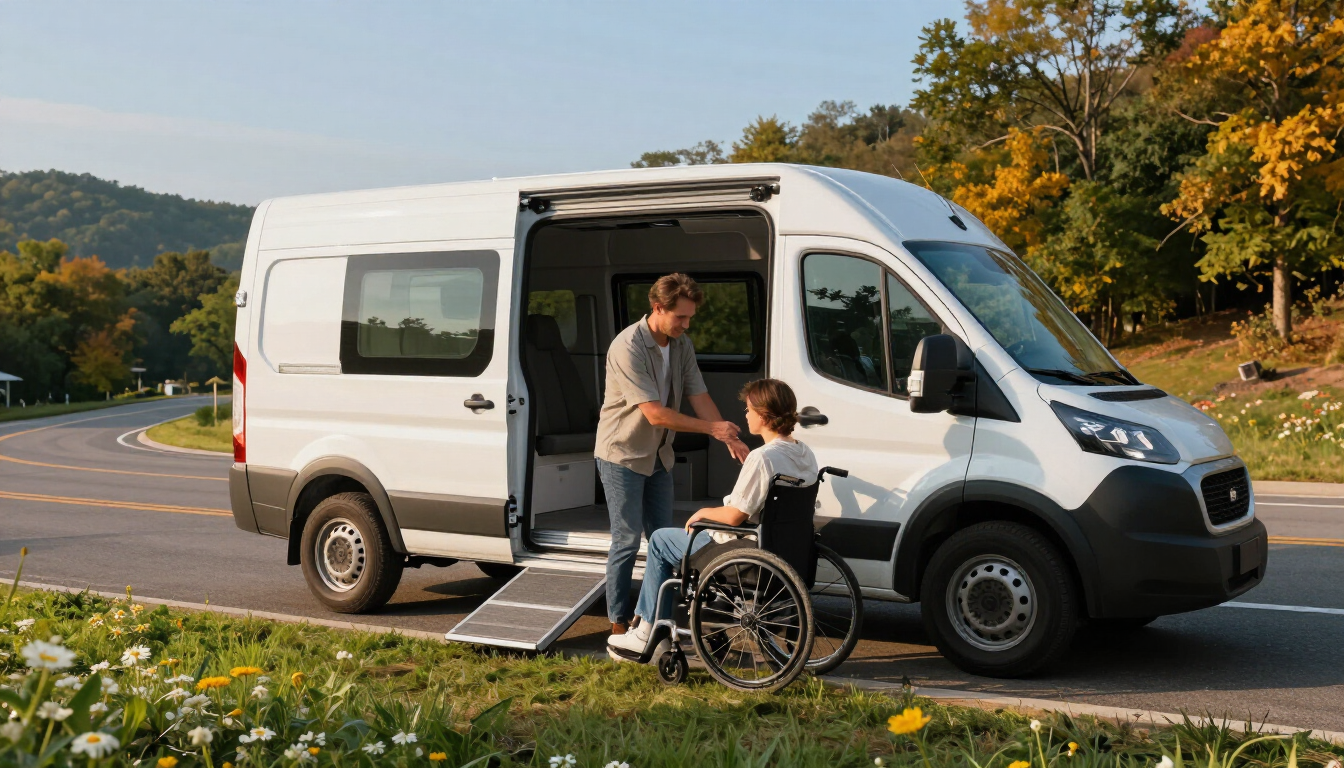
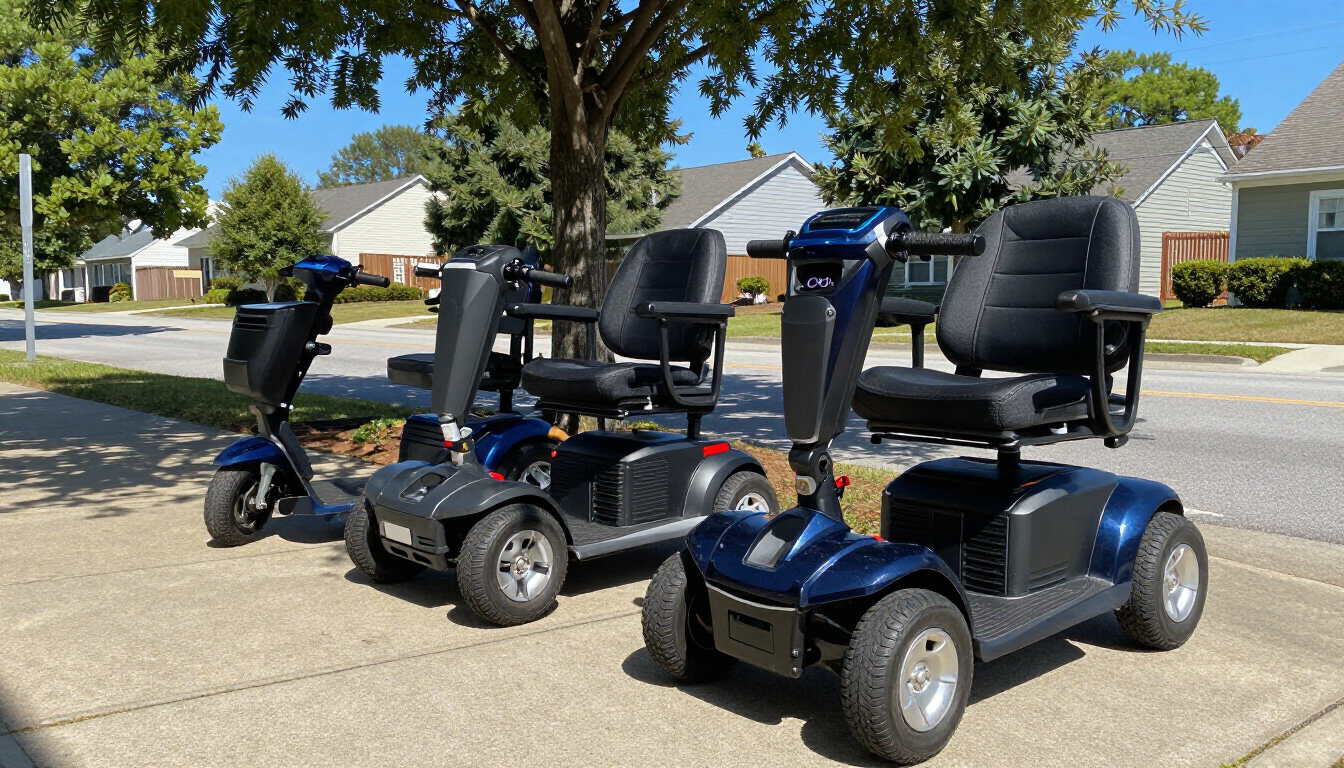
For those who find walking itself challenging, wheelchairs and mobility scooters open up a world of possibilities. They allow you to travel further distances and participate more fully in activities without the worry of fatigue or falling. These devices are key to maintaining an active social life and independence, letting you go to the store, visit friends, or enjoy a day out.
- Manual wheelchairs offer independence with self-propulsion.
- Power wheelchairs and scooters provide motorized assistance for longer distances.
- Both can be adapted for various needs and environments, making them versatile assistive devices.
Using these aids isn't about giving up; it's about adapting smartly to stay safe and keep doing the things you love.
Home Modifications for a Safer Living Environment
Sometimes, the biggest risks aren't outside the home, but right inside it. Making a few changes around the house can make a huge difference in preventing falls. It's about looking at your living space with fresh eyes and spotting potential hazards before they become a problem. Even small adjustments can significantly boost safety and help you keep your independence.
Bathroom Safety Solutions
The bathroom is a common spot for falls, mostly because surfaces can get wet and slippery. Think about adding non-slip mats inside and outside the shower or tub. Installing grab bars near the toilet and in the shower is also a really smart move. These give you something solid to hold onto when you need it most. A raised toilet seat can make sitting down and standing up much easier, too.
Stair Lifts and Ramps for Accessibility
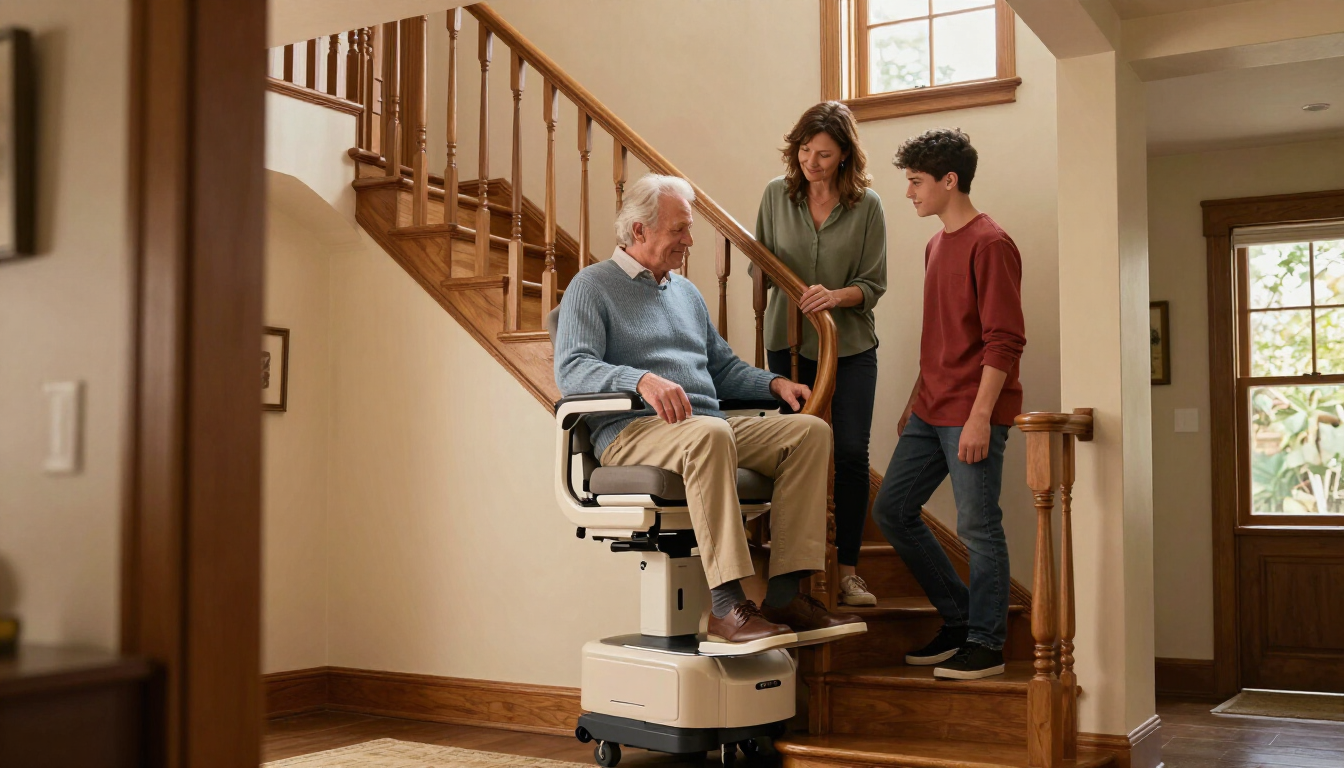
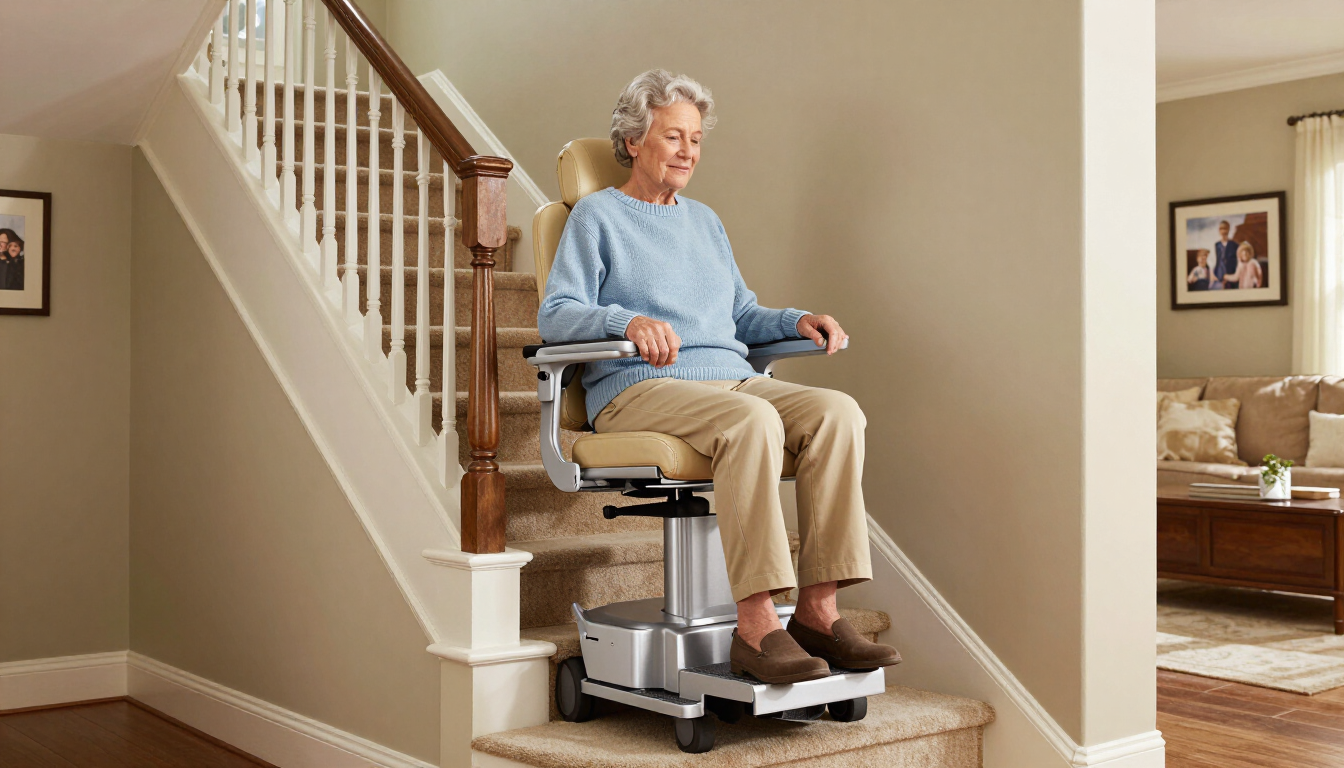
Stairs can be a real challenge, especially if mobility is becoming an issue. For multi-story homes, a stair lift can be a game-changer, allowing you to move between floors without the strain. If you have a few steps leading up to your entrance, a ramp can make getting in and out much simpler and safer. These modifications help keep your whole home accessible.
Grab Bars and Handrails for Support
Beyond the bathroom, think about hallways and staircases. Adding sturdy grab bars or handrails along walls, especially on stairways, provides extra support when walking. This is particularly helpful for anyone who feels a bit unsteady on their feet. It's a simple addition that offers a lot of peace of mind and can be a part of aging in place modifications.
Making your home safer doesn't always mean big, expensive renovations. Often, it's about thoughtful additions that address specific challenges. Consider what parts of your home feel less secure and look for practical solutions. The goal is to create a living space that supports your mobility and reduces the chance of accidents.
Choosing the Right Fall Prevention Mobility Equipment
Picking out the right gear to help prevent falls isn't a one-size-fits-all deal. It really depends on what you need day-to-day. Thinking about your own movement and what makes you feel steady is the first step. What works for your neighbor might not be the best fit for you, and that's totally okay.
Assessing Individual Mobility Needs
Before you even look at a walker or a cane, take a good, honest look at how you get around. Are you mostly fine indoors but struggle a bit outside? Do you have trouble with stairs? Maybe your balance is a bit shaky, or perhaps you get tired easily when you walk. Answering these questions helps narrow down the options.
- How stable do you feel when standing or walking?
- What kind of surfaces do you typically move on (carpet, pavement, grass)?
- Do you need help carrying things while you move?
- How much support do you think you'll need?
Features to Look For in Mobility Devices
Once you have a better idea of your needs, you can start looking at specific features. For walkers and rollators, think about whether you need a seat to rest on or a basket for your belongings. For canes, consider the handle type for comfort and the tip for grip. Adjustability is key for most devices, making sure they can be set to the right height for you.
- Grip: Is it comfortable and non-slip?
- Weight: Is it light enough for you to manage?
- Stability: Does it feel solid when you use it?
- Portability: Can you fold it up or move it easily?
It's easy to get overwhelmed by all the choices out there. Sometimes, the simplest solution is the most effective. Don't be afraid to try a few different things to see what feels right. The goal is to find something that makes you feel more secure and less worried about taking a tumble.
Consulting with Mobility Specialists
Honestly, the best way to figure this all out is to talk to someone who knows their stuff. Professionals can help you figure out what kind of equipment will truly help you. They can assess your specific situation and recommend devices that are a good match. Many places that sell mobility aids also have staff who can guide you through the process, like the folks at North Georgia Mobility. They can help you understand the different types of equipment and what might work best for your lifestyle.
Maintaining Independence Through Mobility Solutions
Empowering Seniors with Mobility Aids
It's a common worry as we get older: will I lose my independence? The good news is, with the right tools, you can keep doing the things you love. Mobility aids aren't about slowing down; they're about keeping you moving safely and confidently. Think of them as your partners in staying active and engaged with the world around you. They help you get from your living room to the garden, or to visit friends, without that constant worry of taking a tumble.
Reducing Fear of Falling
That nagging fear of falling can really hold people back. It makes you hesitant to walk around your own home, let alone go out. But when you have a walker that gives you steady support, or a cane that helps you keep your balance on uneven paths, that fear starts to shrink. Knowing you have reliable support makes a huge difference in your confidence. It's like having a safety net, allowing you to relax and enjoy your day.
The Role of Technology in Fall Prevention
Technology plays a bigger part than you might think in keeping us safe and independent. Beyond the obvious mobility devices, there are other smart gadgets that can help.
- Personal Alert Systems: These are small devices you can wear. If you do fall, you can press a button to call for help.
- Smart Home Devices: Some systems can detect unusual activity, like if someone hasn't moved for a while, and alert a caregiver.
- Wearable Sensors: Newer technologies are being developed that can monitor gait and balance, potentially flagging issues before they lead to a fall.
These tools aren't meant to replace human connection or common sense, but they add an extra layer of security. They give both you and your loved ones peace of mind, knowing that help is within reach if needed. It's about using modern solutions to support a life lived fully and safely.
Choosing the right equipment is key. It's not a one-size-fits-all situation. What works for one person might not be the best fit for another. Taking the time to figure out what you need, and perhaps talking to a professional, can really pay off in terms of safety and comfort.
Keeping your independence is key, and the right mobility tools can make all the difference. Whether it's navigating your home or getting out and about, we have solutions to help you stay active and free. Explore our range of products designed to support your lifestyle and keep you moving with confidence. Visit our website today to discover how we can help you maintain your freedom.
Keep Moving Safely
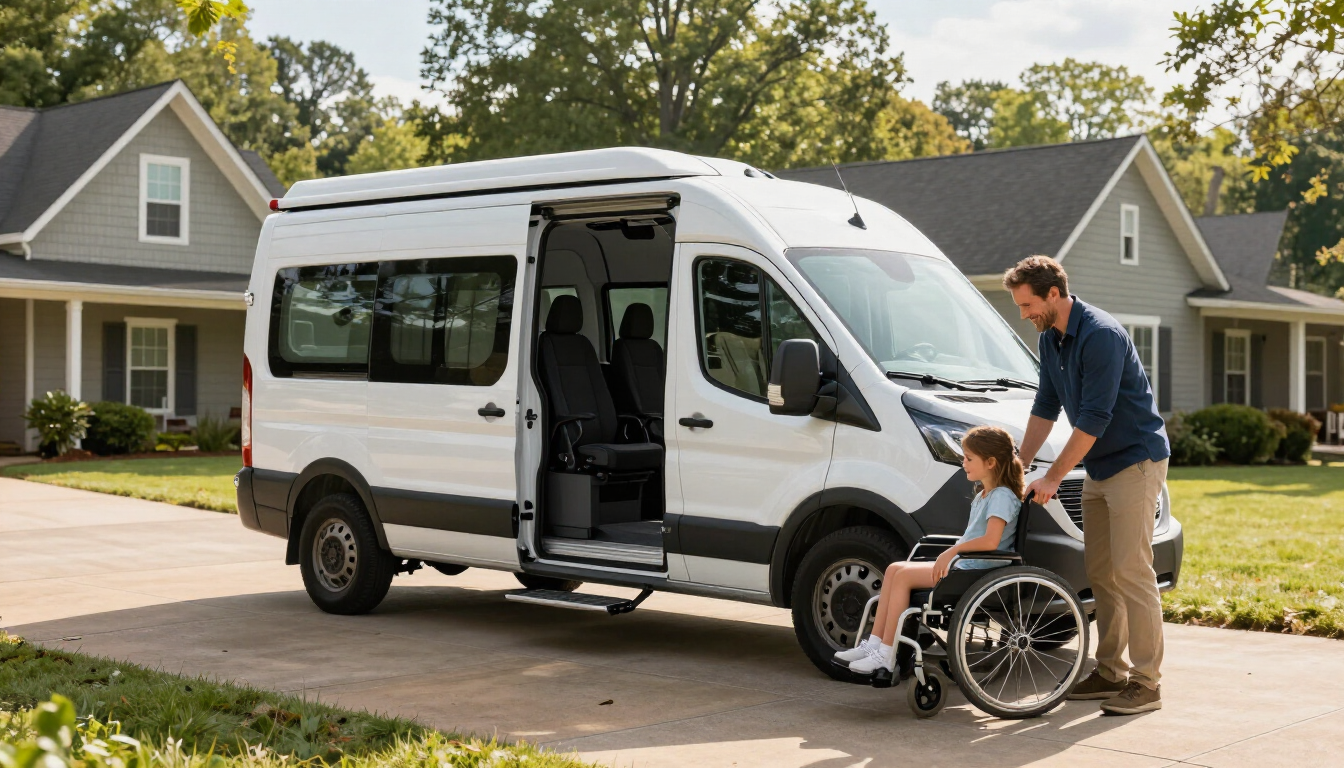
So, April is Fall Prevention Month, and we've talked about how important it is to stay safe, especially as we get older. Mobility equipment might seem like a big step, but honestly, it can make a huge difference. Things like grab bars, ramps, or even a good walker can help you keep your independence and avoid nasty falls. It's not about admitting you can't do things; it's about finding smart ways to keep doing them safely. If you're thinking about making your home or your car easier to get around in, there are people who can help. Don't wait until something happens. Taking a look at what might help you move around better is a good idea for anyone. It's all about staying active and safe in your own home and community.
Frequently Asked Questions
What are the main reasons older adults fall?
Many things can cause falls in older adults. Sometimes it's because their muscles aren't as strong as they used to be, or their balance isn't great. Vision problems can make it hard to see obstacles. Certain medicines can make people feel dizzy. Even simple things like slippery floors or uneven sidewalks can be tripping hazards.
How can using walking aids help prevent falls?
Walking aids like walkers and canes give you extra support and stability when you move. They help distribute your weight, making it easier to keep your balance. This means you're less likely to stumble or lose your footing, which significantly lowers your risk of falling.
Are there special devices for making bathrooms safer?
Yes, definitely! You can add grab bars in the shower or near the toilet to hold onto. Non-slip mats for the shower floor and even raised toilet seats can make a big difference. These simple changes help prevent slips and make it easier to get up and down.
What's the best way to choose a mobility aid?
The best way is to think about what you need help with. Do you need a little extra support while walking, or do you need help getting around longer distances? It's also smart to talk to a doctor or a specialist who understands these devices. They can help you find something that fits your body and your lifestyle perfectly.
Can mobility equipment really help someone feel more independent?
Absolutely! When you have the right tools, like a walker or a scooter, you can move around more confidently. This means you can do more things on your own, like going to the store or visiting friends. Feeling capable of getting around reduces worry and boosts your sense of freedom.
What if I'm worried about falling, even with equipment?
It's normal to feel a bit worried. Using mobility equipment is a great first step. Also, keeping your home safe, doing exercises to improve strength and balance, and talking to your doctor about any concerns can help a lot. Remember, the goal is to help you feel secure and confident as you stay active.