Supporting Independence at Any Age with Mobility Equipment

Getting around and doing things for yourself is a big part of feeling good, no matter your age. Sometimes, though, life throws us a curveball, making everyday tasks a bit harder. That's where mobility equipment comes in. It's not about slowing down; it's about finding smart ways to keep your independence mobility strong. Think of these tools as helpers that let you keep living your life, your way. We'll look at how different aids and simple changes can make a real difference in staying active and independent.
Key Takeaways
- Mobility equipment helps people keep their independence mobility, allowing them to do more on their own.
- Choosing the right equipment means looking at what you need, what types are out there, and how you live your life.
- Making your home easier to get around in, like in bathrooms or by the entrance, can greatly improve daily independence.
- Modifying vehicles or using special driving tools makes travel and getting places much simpler for many.
- Support from family, friends, and community groups, along with new tech, all play a part in maintaining independence mobility.
Enhancing Independence Through Mobility Equipment
Sometimes, life throws us a curveball, and our ability to get around changes. It doesn't mean we have to stop living life to the fullest, though. Mobility equipment is all about keeping you doing the things you love, on your own terms. It’s not about admitting defeat; it’s about finding smart ways to keep moving forward.
Understanding Mobility Challenges
Getting older, or dealing with an injury or health condition, can make everyday tasks feel like a marathon. Things like reaching for items on a high shelf, walking longer distances, or even just getting out of a chair can become difficult. These aren't small inconveniences; they can really impact your daily life and how much you can do. It's about recognizing these changes and figuring out how to manage them so they don't control you.
It's easy to feel frustrated when your body doesn't cooperate like it used to. The key is to focus on what you can still do and find tools that help you do more of it.
The Role of Assistive Devices
This is where assistive devices come into play. Think of them as helpful tools designed to make life easier. They can provide extra support when you walk, help you get up from a seated position, or make it simpler to carry things. The goal is to reduce strain and increase your stability, making movement safer and less tiring. These devices are designed to fit into your life, not the other way around.
Some common examples include:
- Walkers and rollators for steady support
- Canes for balance assistance
- Grab bars for added safety in bathrooms
- Reachers or grabbers for picking up dropped items
Finding the right device can make a big difference in your day-to-day activities. It’s about getting personalized support that fits your specific needs, which is where local mobility support can be really helpful.
Achieving Greater Independence Mobility
Ultimately, the aim of using mobility equipment is to help you maintain your independence. It’s about being able to do things for yourself, whether that’s going to the grocery store, visiting friends, or simply moving around your home comfortably. When you have the right tools, you feel more confident and capable. This equipment helps prevent falls and injuries, which is a big part of staying independent and safe at home. It’s about living your life with more freedom and less worry about what you can't do, thanks to the support of mobility aids.
Choosing the Right Mobility Aids
Picking out the right mobility equipment can feel like a big decision, and honestly, it is. It's not just about getting something that helps you get around; it's about finding a tool that fits your life, your body, and your daily routine. The goal is to find something that makes things easier, not harder.
Assessing Individual Needs
Before you even start looking at different gadgets, you really need to think about what you need help with. Are you mostly staying indoors, or do you plan on going out a lot? What kind of surfaces will you be on? It’s also important to consider your physical condition. Things like your balance, strength, and how much you can move are all big factors. Talking to a doctor or a physical therapist can give you a clearer picture of what you can handle and what might be too much.
- What are your main mobility challenges?
- How much physical strength and balance do you have?
- What are your daily activities and routines?
Exploring Different Types of Equipment
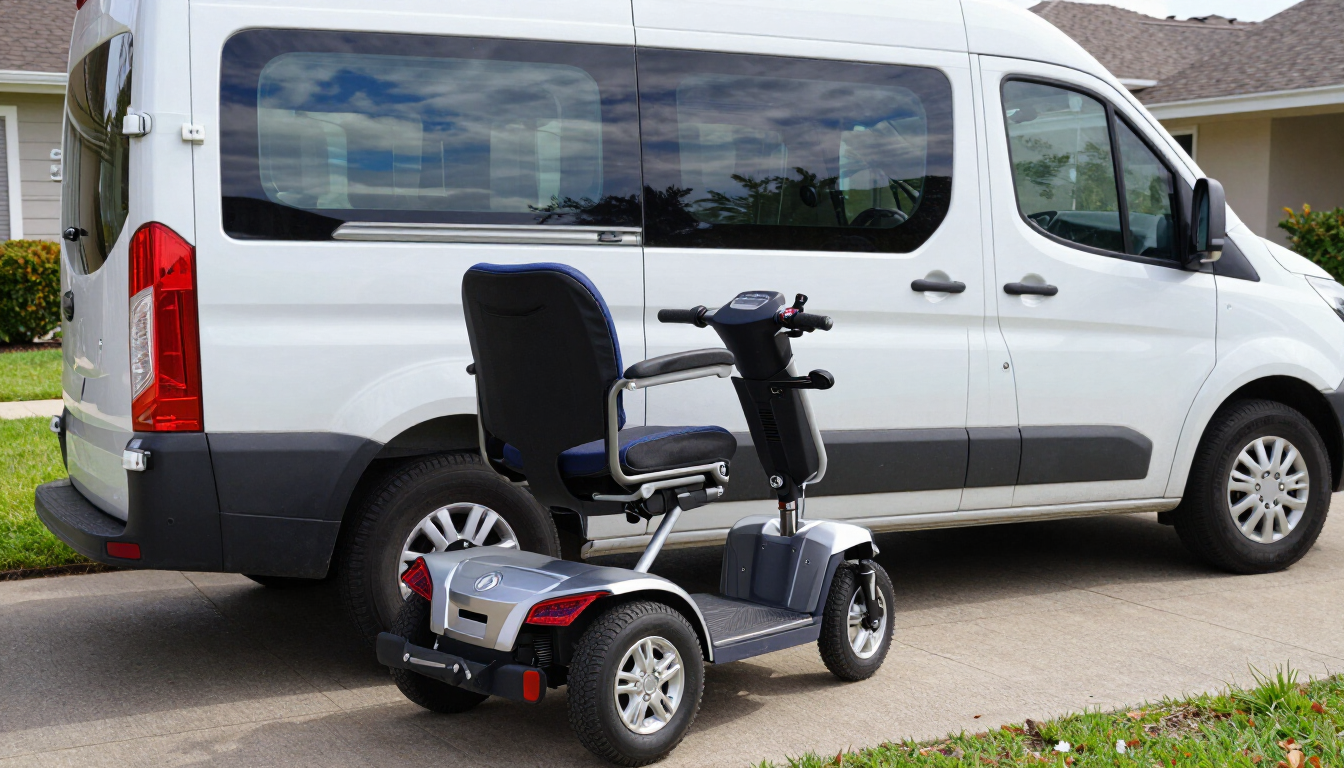
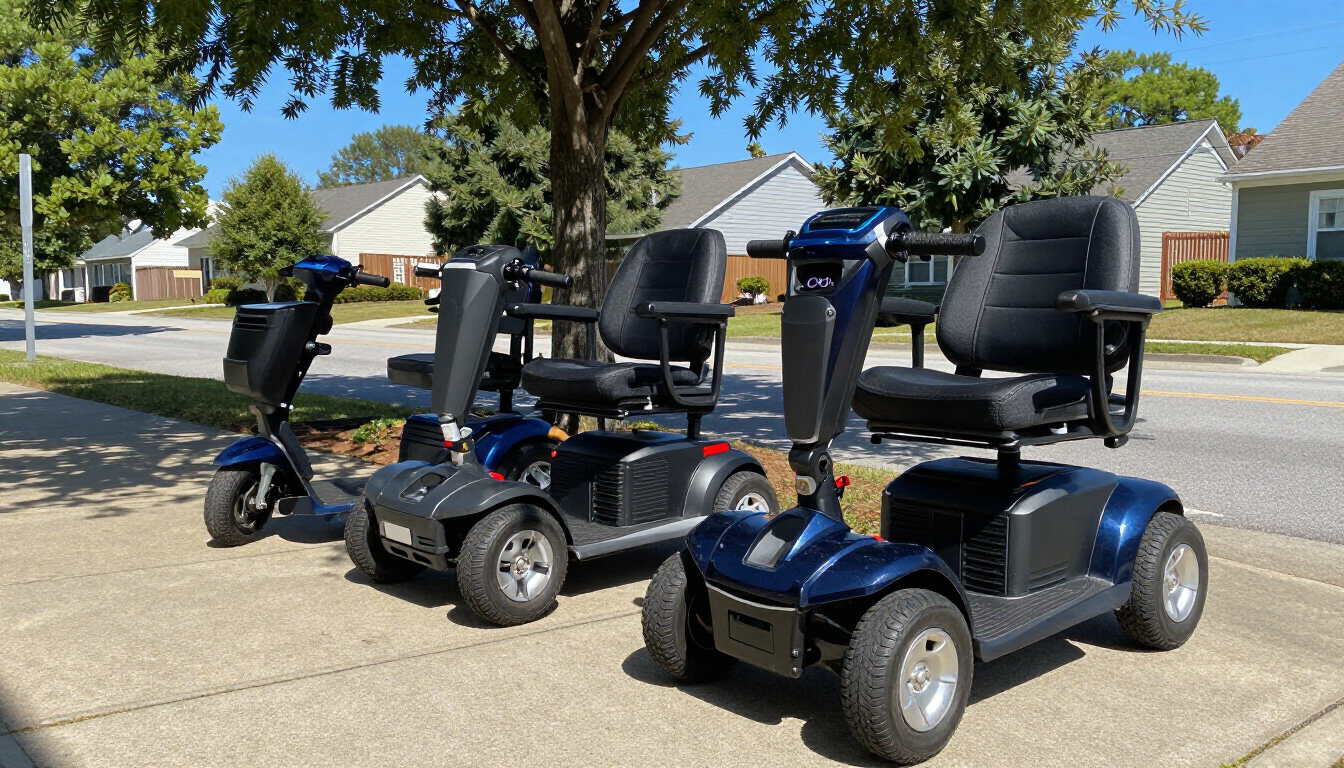
There's a whole world of mobility aids out there, and they all do different things. You've got your basic canes and walkers, which are great for a little extra support. Then there are rollators, which often come with seats and brakes, giving you more stability and a place to rest. For more significant needs, wheelchairs and mobility scooters come into play. These can really open up your world, letting you travel further and with more independence. It's worth looking into various mobility devices suitable for seniors to get a feel for the options.
Don't just pick the first thing you see or what a friend uses. What works for one person might not work at all for another. It's all about finding the best fit for you.
Considering Lifestyle and Environment
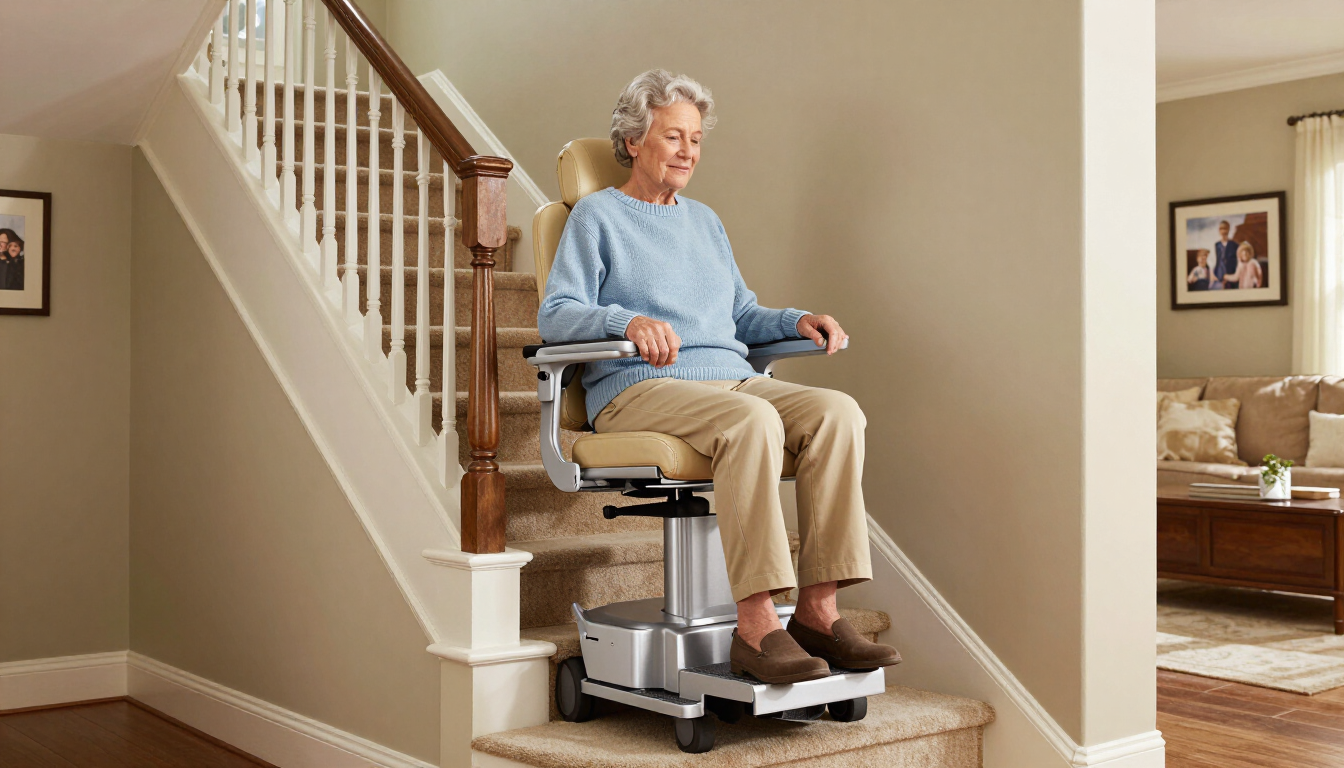
Your equipment needs to fit into your life, not the other way around. If you live in a city with lots of sidewalks and shops, you'll need something different than someone who lives out in the country with uneven terrain. Think about your home too. Are there stairs? Narrow doorways? If you plan on using your equipment for longer trips, like going to the grocery store or visiting family, you'll want something that's comfortable and easy to manage. For many, mobility scooters offer easy navigation for these kinds of outings.
Home Modifications for Enhanced Accessibility
Making your home work for you is a big part of staying independent. Sometimes, even familiar surroundings can become tricky to get around in as we age or if we face mobility issues. Thinking about how your living space can be adjusted is a smart move. The goal is to make your home a safe and easy place to live, no matter your physical abilities.
Creating Safer Living Spaces
Little changes can make a huge difference. Think about things like:
- Flooring: Slippery rugs or uneven carpets can be tripping hazards. Swapping them out for non-slip mats or smooth, low-pile carpeting can really help. It's about making sure every step you take feels secure.
- Lighting: Good lighting is often overlooked, but it's super important. Making sure hallways, stairs, and rooms are well-lit can prevent falls and make it easier to see where you're going. Consider adding motion-sensor lights in key areas.
- Furniture Arrangement: Sometimes, just rearranging furniture can open up pathways and make it easier to move around with a walker or wheelchair. Clearing clutter is also a big part of this.
A home that's easy to get around in reduces stress and boosts confidence. It means you can focus on living your life without constantly worrying about bumping into things or losing your balance.
Adapting Bathrooms and Kitchens
These two rooms are often where the most significant modifications are needed. In the bathroom, things like installing grab bars near the toilet and in the shower are a game-changer. A walk-in shower or a raised toilet seat can also make a big difference. In the kitchen, think about:
- Adjusting counter heights.
- Installing pull-out shelves or lazy Susans to make items easier to reach.
- Making sure appliances are accessible, perhaps with front controls.
These adjustments can make daily tasks much more manageable. For more ideas on specific changes, looking into home modifications for accessibility can be really helpful.
Improving Entryways and Pathways
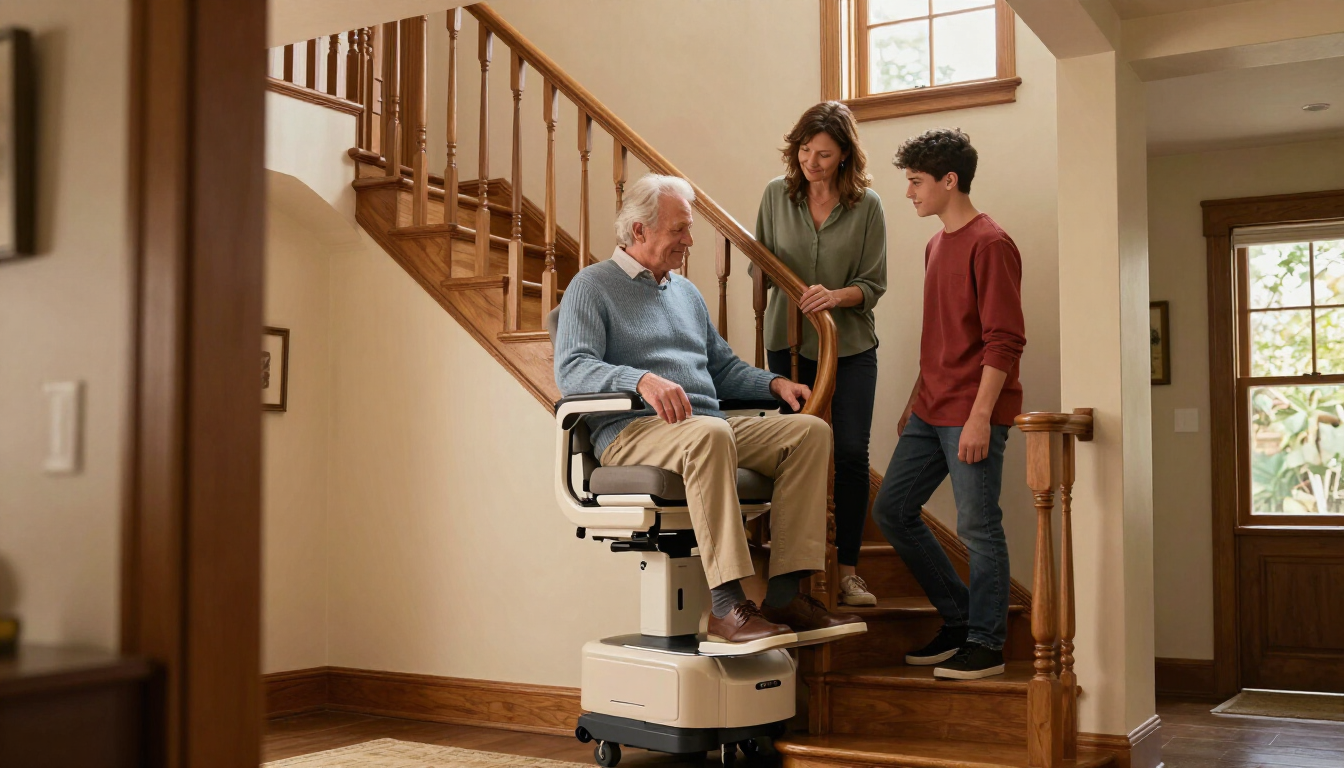
Getting in and out of your home should be simple. This might mean installing a ramp if you have a few steps leading up to your door. Wider doorways can also be a big help if you use mobility aids. Inside, ensuring hallways are clear and wide enough is key. Even small things like ensuring doorknobs are easy to turn can contribute to a more accessible home.
Vehicle Adaptations for Independent Travel
Getting around town or visiting family shouldn't be a hurdle. For many, adapting a vehicle is the key to maintaining that freedom. It's not just about having a car; it's about making sure you can use it comfortably and safely, no matter your mobility needs.
Accessible Van Conversions
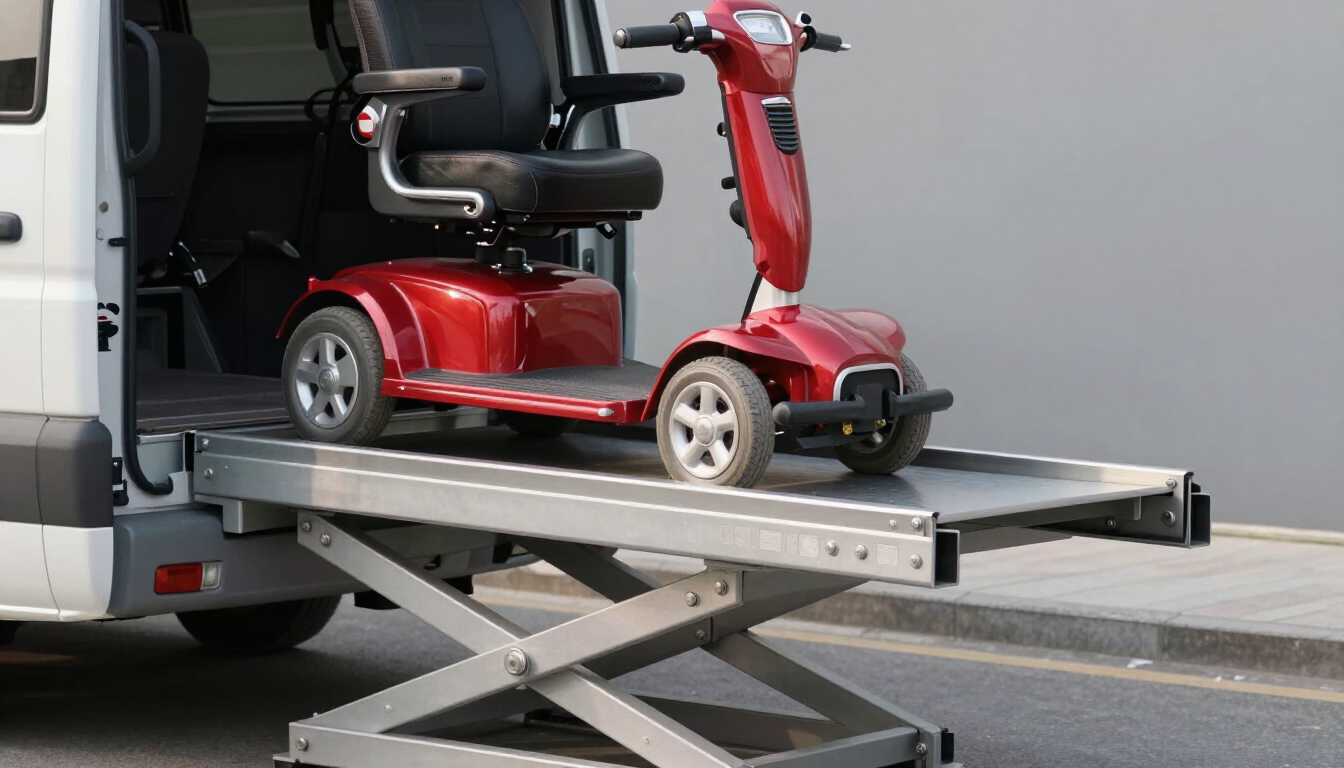
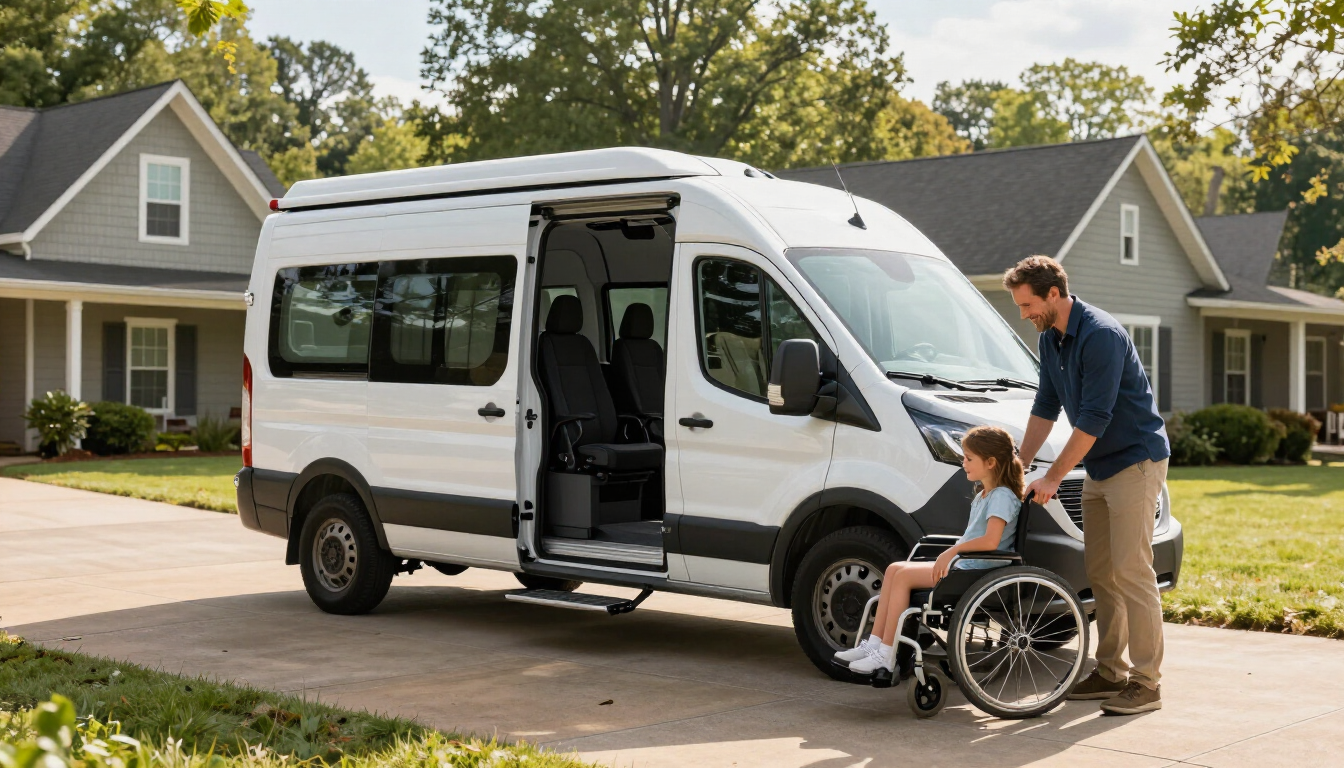
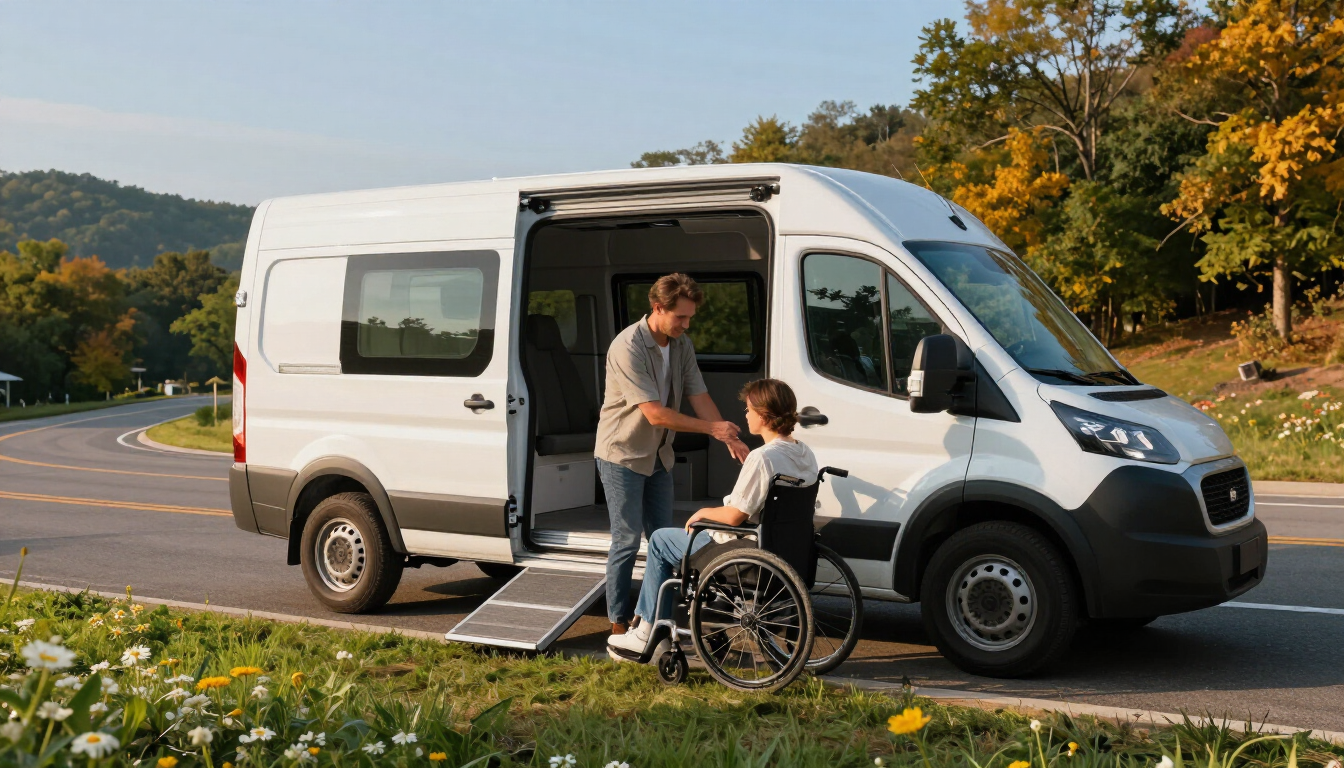
When standard vehicles just don't cut it, van conversions come into play. These aren't just minor tweaks; they're significant changes to make a van usable for someone with mobility challenges. Think lowered floors, wider doorways, and ramps or lifts that make getting in and out a breeze. These conversions are designed to accommodate wheelchairs and scooters directly. It's about creating a space where you can travel without relying on others for transport.
- Ramps: Often manual or automatic, these extend from the van to the ground. Some are designed for caregiver assistance, while others are fully automated for user independence.
- Lifts: For those who prefer to stay in their wheelchair or scooter, a lift can be installed to raise and lower the mobility device into the van.
- Tie-downs: Secure systems to keep wheelchairs or scooters firmly in place while the vehicle is in motion, preventing movement and ensuring safety.
Driving Aids and Controls
For individuals who want to drive themselves, specialized controls are a game-changer. These adaptations allow people with various physical limitations to operate a vehicle. It's amazing what's out there to help people get back behind the wheel. You can find a lot of information on driving aids for disabled drivers that can make a real difference.
- Hand Controls: These replace or supplement the foot pedals, allowing acceleration and braking to be controlled with the hands.
- Steering Aids: Devices like spinner knobs or reduced-effort steering systems can make maneuvering easier.
- Pedal Extensions: For individuals who need to reach the pedals more easily.
Passenger Mobility Solutions
Even if you're not the driver, there are ways to make travel more accessible. These solutions focus on making the passenger experience smoother and more comfortable. Companies specializing in these adaptations can really tailor a vehicle to your specific requirements. They look at everything from how you get in to how you sit once you're inside. Mobility solutions for vehicles can cover a wide range of needs.
Adapting a vehicle is a personal journey. It requires careful consideration of your specific mobility challenges, your daily routine, and your budget. Working with experienced professionals is key to finding the right modifications that truly support your independence.
- Transfer Seats: These seats can swivel or lower to help a person move from a wheelchair into the vehicle seat more easily.
- Seat Modifications: Adjustments to seat height, position, or even specialized seating can improve comfort and accessibility.
- Winch Systems: These can assist in pulling a wheelchair or scooter into the vehicle, reducing physical strain.
Support Systems for Continued Independence
Family and Caregiver Involvement
It's easy to think that independence means doing everything yourself, but that's not always the case. Sometimes, having a good support system in place actually helps you stay independent longer. Family and friends can play a big role here. They might help with tasks that have become difficult, like reaching high shelves or managing complex appointments. It's about finding that balance where you're still in charge, but you have a safety net. Open communication is key; talking about what you need and what they can realistically offer makes a world of difference. This isn't about losing control, it's about smart collaboration.
Community Resources and Services
Beyond your immediate circle, there's a whole world of community help out there. Local organizations often provide services specifically designed to help people maintain their independence. Think about things like:
- Transportation services for appointments or errands.
- Meal delivery programs that bring nutritious food right to your door.
- In-home support for tasks like cleaning or personal care.
- Social groups or clubs that help you stay connected and active.
Looking into these resources can open up new possibilities and make daily life much smoother. Many places offer assistance for seniors and individuals with mobility challenges, so it's worth exploring what's available in your area.
Maintaining Independence Mobility
Keeping up with your mobility equipment and your own physical well-being is also a big part of staying independent. This means regular check-ups for things like your wheelchair or scooter, and also paying attention to your own health. Staying active, eating well, and getting enough rest all contribute to your ability to get around and do the things you enjoy. It’s a holistic approach, really.
Sometimes, the biggest hurdle isn't the physical limitation itself, but the feeling of being alone or overwhelmed. Knowing that there are people and services ready to help can be incredibly reassuring. It allows you to focus on living your life, rather than worrying about the logistics of getting through the day. This kind of support is what makes a real difference in quality of life.
Don't forget about the technological side of things, too. Smart home devices and other gadgets can really help manage your environment and make daily tasks simpler. It's all about creating a supportive ecosystem, both human and technological, that allows you to live life on your own terms. For example, many companies specialize in accessibility solutions that can adapt your living space or vehicle.
Technology's Impact on Independence Mobility
It's pretty amazing how much technology has changed things for people who need a little help getting around. We're not just talking about basic walkers anymore. Think about smart walkers with sensors that can alert you if you're about to stumble, or GPS trackers built right in. These gadgets are making a real difference in how safe and free people feel day-to-day. It's like having a little extra support system that's always there.
Smart Home Devices
Smart home tech is a big deal for accessibility. You can control lights, thermostats, and even door locks with just your voice or a simple app. This means less fumbling around and more control over your living space. Imagine adjusting the temperature without having to get up, or turning off lights from your bed. It really simplifies a lot of everyday tasks.
Wearable Technology
Wearables are getting pretty sophisticated. Beyond just tracking steps, some devices can monitor vital signs and even detect falls. If something happens, they can automatically send an alert to a caregiver or emergency services. This kind of proactive safety gives both the user and their loved ones a lot of peace of mind. It's a step up from just having a panic button.
Communication Aids
For those who have trouble speaking, modern communication aids are a game-changer. Speech-generating devices can be customized to individual needs, allowing for clear and effective communication. Some even use eye-tracking technology, which is incredible for people with very limited mobility. Being able to express yourself fully is so important for maintaining connections and independence.
The pace of innovation means that what seems like science fiction today could be a common tool tomorrow. Keeping an eye on new developments can open up possibilities you might not have considered. It's worth looking into how newer equipment might better suit your changing needs, especially if your current aid feels wobbly or limits your freedom.
Here are a few ways technology is helping:
- Voice-activated assistants for controlling home functions.
- Fall detection sensors integrated into watches or pendants.
- Apps that help plan accessible routes for travel.
- Advanced mobility scooters with longer battery life and better maneuverability.
Technology is changing how people get around on their own. From special car lifts to smart home tools, new inventions are making it easier for everyone to travel and live independently. These advancements help people keep their freedom and do more things. Want to see how these tools can help you? Visit our website to learn more about the latest in mobility solutions.
Keep Moving Forward
So, getting the right equipment can really make a difference, no matter how old you are. It's not about stopping or slowing down; it's about finding ways to keep doing the things you love. Whether it's a simple walker or a more complex vehicle modification, these tools help people stay independent and connected. Think about what could help you or someone you know. Sometimes, a small change can open up a whole new world of possibilities. Don't hesitate to look into what's available – staying active and engaged is good for everyone.
Frequently Asked Questions
What exactly are mobility aids and why are they important?
Mobility aids are tools that help people move around more easily and safely. Think of things like walkers, wheelchairs, or even special grab bars in the bathroom. They're super important because they let people stay independent, do things for themselves, and keep their freedom, no matter their age or if they have trouble getting around.
How do I figure out which mobility equipment is best for me?
The best way to choose is to think about what you need help with most. Do you have trouble walking short distances? Do you need help getting in and out of a chair? It's also smart to consider where you'll use the equipment – at home, outside, or in your car. Talking to a doctor or an expert who knows about these devices can really help you make the right choice.
Can my home be changed to make it easier to get around?
Absolutely! You can make lots of changes to your home to make it safer and easier to navigate. This could mean adding ramps instead of stairs, putting in grab bars in the shower or by the toilet, or even rearranging furniture so there's more space to move. These simple fixes can make a big difference in your daily life.
Are there special ways to make vehicles easier to use for someone with mobility issues?
Yes, there are! You can get special lifts for wheelchairs or scooters to help get them into a car or van. Some vehicles can be changed so the driver can control things like steering and pedals with their hands. There are also ways to make it easier for people to get in and out of cars, like special seats that swivel.
What if I need help using my mobility equipment or making changes to my home?
Don't worry, there's support available! Family and friends can be a huge help. There are also community groups and services that offer assistance, advice, or even help with installations. Sometimes, just knowing you have people to rely on makes a big difference in feeling confident and independent.
How does new technology help people stay independent?
Technology is changing things in amazing ways! Smart home devices can let you control lights, temperature, or even door locks with your voice or a simple button press. Wearable gadgets can help with safety, like fall detection. And communication tools can make it easier to talk to others, which is key to staying connected and independent.