How to Keep Stair Lifts Safe in Winter Weather in Dalton, Ringgold, LaFayette & Surrounding Areas
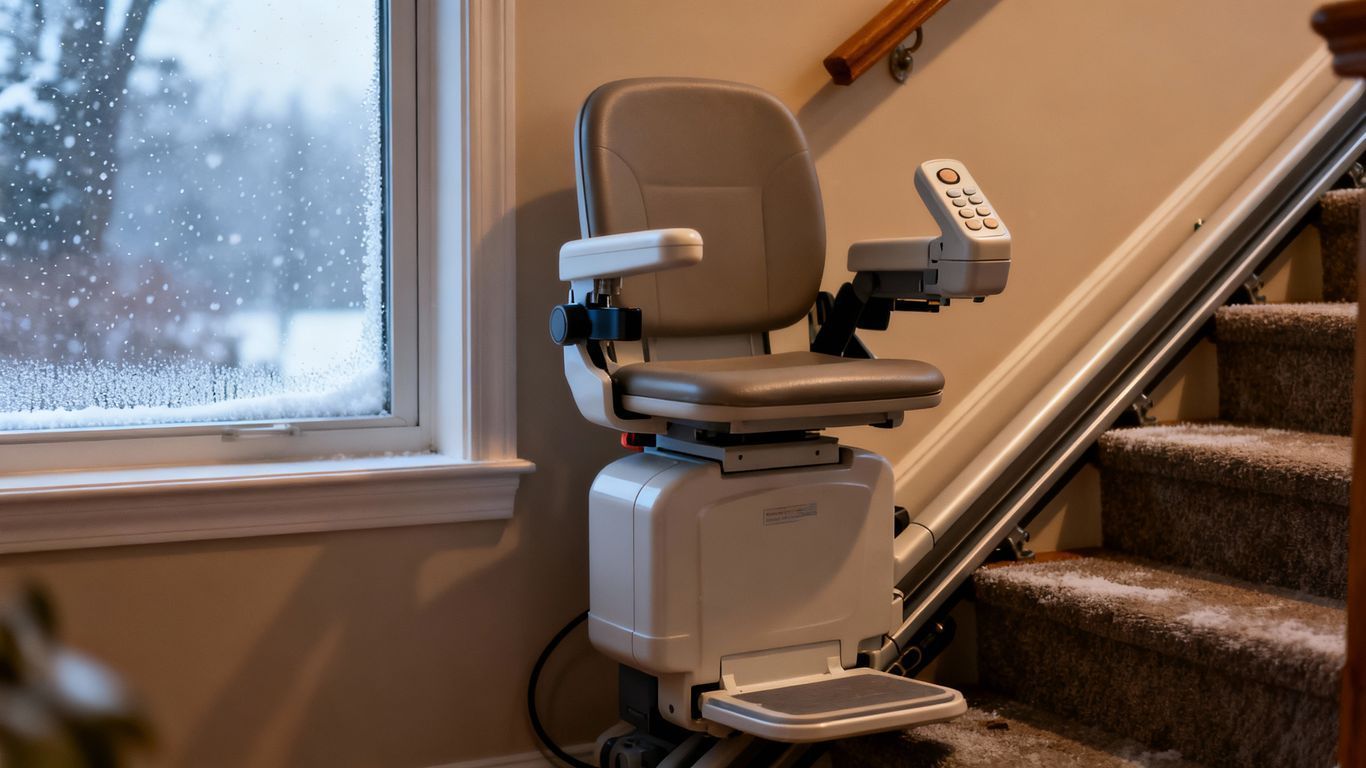
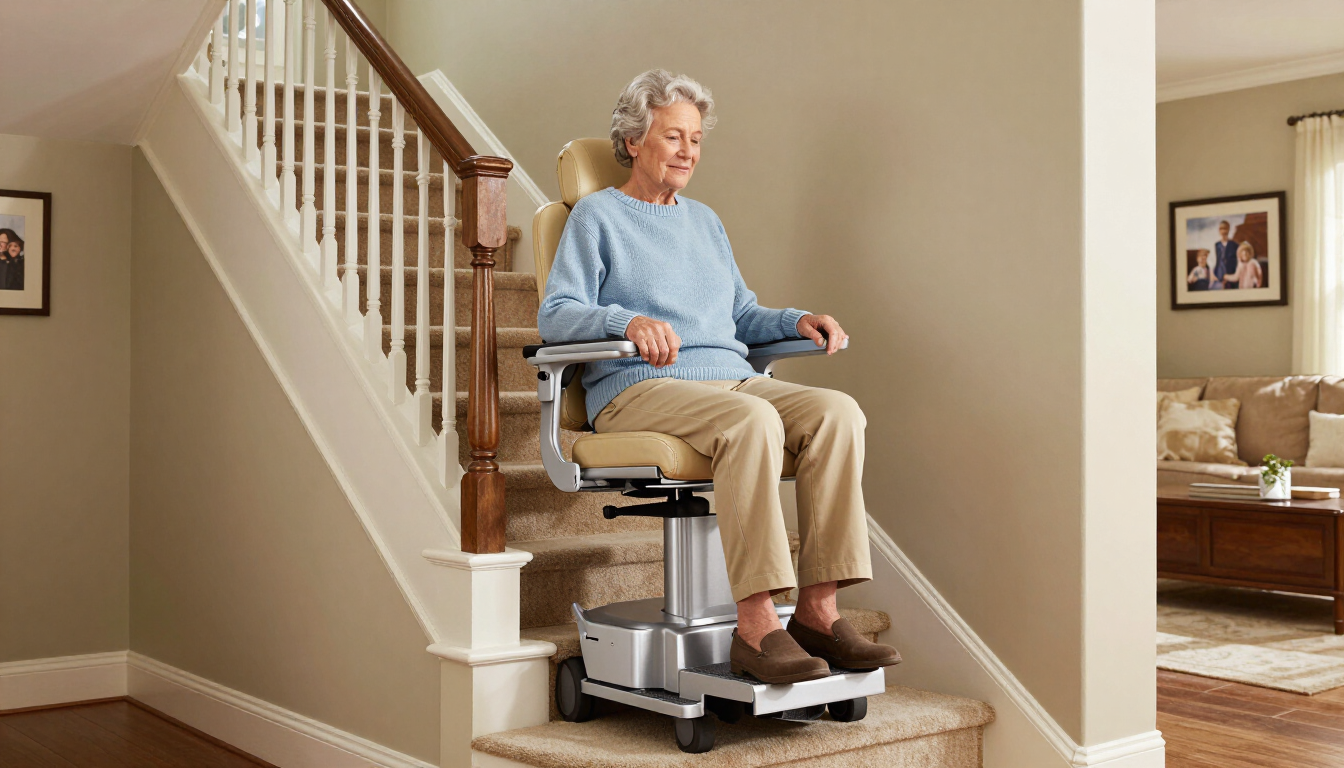
Winter's here, and if you rely on a stair lift, you'll want to make sure it's ready for the cold. We get all sorts of weather around Dalton, Ringgold, and LaFayette, from chilly rain to maybe even some ice. Keeping your stair lift in good shape means it'll work right when you need it, and that's what we're talking about today: stair lift winter safety.
Key Takeaways
- Keep your stair lift's tracks clear of ice and snow. This is super important for it to work smoothly.
- Check for regular upkeep. A well-maintained lift is a safer lift, especially when it's cold out.
- Know when the weather is too rough to use the lift. Sometimes, it's best to wait it out.
- Be careful when getting on and off. Cold weather can make things a bit slicker.
- If you notice anything weird, like strange noises or if it's not moving right, get it checked out by a pro.
Preparing Your Stair Lift For Cold Weather
Winter weather can be tough on just about everything, and your stair lift is no exception. Taking a few steps now can save you a lot of hassle later when the temperatures drop and things get icy. It’s all about being proactive.
Regular Maintenance Checks
Before the really cold weather hits, it’s a good idea to give your stair lift a once-over. Think of it like getting your car ready for winter driving. You want to make sure everything is in good working order.
- Check the battery: Cold weather can affect battery performance. Make sure it’s fully charged and holding its charge well. If it’s old, now might be the time to think about replacing it.
- Inspect the motor and gears: Listen for any strange noises when you use the lift. A little lubrication might be needed, but don't go overboard. Too much can attract dirt.
- Test the controls: Make sure the buttons and switches are responsive and not sticking. Sometimes a bit of dust or moisture can cause issues.
Clearing Outdoor Access Points
If your stair lift has an outdoor charging station or access point, keeping it clear is super important. You don't want to get to the lift and find you can't even get to it because of snow or ice.
- Shovel regularly: Keep the area around the lift's outdoor access clear of snow and ice. This means the path to it and the immediate vicinity.
- Use appropriate de-icers: If you use salt or other de-icing products, be mindful of where they go. Some can be corrosive and might damage the lift's components over time.
- Consider a cover: If your lift has an outdoor charging station, a simple cover can help keep snow and moisture out.
Protecting the Stair Lift Unit
When the stair lift isn't in use, especially if it's an outdoor model or parked near a drafty window, protecting it from the elements is key. Keeping the unit dry is the most important thing you can do.
- Use the cover: Most stair lifts come with a cover. Make sure you use it when the lift is not in operation. This is your first line of defense against dust, moisture, and light debris.
- Park it wisely: If possible, try to park the lift at the bottom or top of the stairs where it's less exposed to drafts or direct moisture.
- Wipe down regularly: Even with a cover, a quick wipe-down with a dry cloth can remove any accumulated moisture or dust before it becomes a problem.
Dealing with moisture and condensation is a big one in our area. Dalton and Ringgold can get pretty damp, and that moisture can sneak into moving parts. A little bit of attention now can prevent bigger headaches down the road when things start to freeze up.
Ensuring Stair Lift Winter Safety
Winter weather can bring some tricky conditions, and it's good to be aware of how it might affect your stair lift. Keeping things running smoothly means paying attention to a few key areas.
Keeping Tracks Free of Ice and Snow
This is probably the most important thing to watch out for. If ice or snow builds up on the stair lift track, it can stop the chair from moving properly, or worse, cause it from moving at all. You'll want to make sure the track is clear before you use it, especially after a snowfall or if there's been freezing rain.
- Gently brush away snow and ice. Use a soft brush, not something that could scratch the track.
- Check for ice buildup. If you see ice, try to carefully chip it away. Sometimes a little bit of warm water can help, but be careful not to get the motor wet.
- Consider using a track cover. If your stair lift has one, make sure it's on when not in use during bad weather.
Keeping the track clear is your first line of defense against winter problems. It might seem like a small thing, but it makes a big difference in how well your stair lift works when it's cold out.
Understanding Weather Limitations
Stair lifts are built to be tough, but even they have their limits when the weather gets really bad. Extreme cold, heavy snow, or icy conditions can sometimes make it unsafe or impossible to use the lift. It's always better to be cautious.
- Listen to local weather alerts. If conditions are severe, it might be best to avoid using the stair lift if you can.
- Don't force it. If the lift seems to be struggling or making odd noises, stop using it and investigate the cause.
- Plan ahead. If you know bad weather is coming, try to do any necessary trips up or down the stairs before the weather hits its worst.
Safe Boarding and Alighting Procedures
Getting on and off the stair lift needs a little extra care in winter. Your shoes might be wet or icy, and the floor around the lift could be slippery. Always make sure your footing is secure before you start your journey.
- Clear your shoes. Wipe your feet thoroughly before stepping onto the seat.
- Check the landing area. Make sure the floor at the top and bottom of the stairs is dry and free of any debris.
- Use handrails. If there are handrails on the stairs, use them for extra stability when getting on or off.
It's also a good idea to have things like ice melt ready for your outdoor access points. For example, using magnesium chloride ice melt on aluminum wheelchair ramps can be a good option to prevent slips, and it's different from the salt melts you might use on the ground prevent falls.
Addressing Common Winter Stair Lift Issues
Winter weather can sometimes throw a wrench in the works for your stair lift. Don't let a little cold or moisture stop you from getting around your home. Being prepared for common problems can save you a lot of hassle.
Dealing with Moisture and Condensation
Moisture is a big one in the winter. When the warm air inside your house meets the cold metal of the stair lift, condensation can form. This can lead to a few issues:
- Rust: If left unchecked, moisture can start to corrode metal parts.
- Reduced Lubrication: Water can wash away essential lubricants, making the lift harder to operate.
- Electrical Problems: While most stair lifts are designed for indoor use, excessive moisture can still affect sensitive electronic components.
To combat this, try to keep the area around your stair lift as dry as possible. If you notice condensation, gently wipe it down with a dry cloth. It's also a good idea to run the lift up and down the stairs a few times a week, even if you don't need to use it. This helps keep everything moving and can help evaporate any lingering moisture.
Troubleshooting Freezing Components
Sometimes, especially if your stair lift is near an unheated entryway or has an outdoor component, freezing can be a concern. If you notice the chair is stiff or won't move smoothly, it might be due to ice buildup.
- Check the Track: Look for any visible ice or frost along the stair lift's track. Sometimes, a simple visual inspection is all you need.
- Gentle Thawing: Never try to force a frozen stair lift. You could damage it. Instead, try using a hairdryer on a low setting to gently warm the affected area. Keep the hairdryer moving to avoid overheating any single spot.
- Lubrication Issues: Freezing can sometimes be a symptom of dried-out lubrication. Once thawed, consider having the track and moving parts checked and re-lubricated by a professional. You can find qualified technicians in Dalton who specialize in these repairs.
It's important to remember that stair lifts are built to last, but they do need a little extra attention during the colder months. Small steps now can prevent bigger headaches later. Think of it like giving your car an oil change before winter hits – it just makes sense.
Emergency Contact Information
Even with the best preparation, sometimes things go wrong. It's always wise to have the contact details for your stair lift provider or a local repair service readily available. Keep this information somewhere you can easily find it, perhaps on a nearby wall or in a frequently used drawer.
- Your Service Provider: The company that installed your stair lift likely has a service department. They know your specific model best.
- Local Repair Shops: Having a local number can be a lifesaver if you need a quick fix. North Georgia Mobility, for instance, has been providing accessibility solutions for a long time in the Ringgold and LaFayette areas.
- Emergency Numbers: In case of a serious malfunction, know who to call. Don't hesitate to reach out if you feel unsafe using the lift.
Local Resources for Stair Lift Care
When winter weather hits Dalton, Ringgold, LaFayette, and the surrounding areas, keeping your stair lift in good shape is super important. Sometimes, you just need a little help from the pros.
Finding Qualified Technicians in Dalton
If you're in Dalton and notice your stair lift acting up, especially when it's cold out, it's a good idea to find a local technician. They know the specific models and common issues that pop up in our climate. Look for someone who specializes in stair lifts and has good reviews. It's not just about fixing things; it's about getting it done right so you don't have more trouble later.
Support Services in Ringgold and LaFayette
For folks in Ringgold and LaFayette, there are businesses ready to help. These places often have technicians who can come to your home for repairs or check-ups. They understand that accessibility equipment is vital, and they aim to get you back up and running quickly. You might find services that offer:
- Emergency repair calls
- Scheduled maintenance appointments
- Parts replacement
North Georgia Mobility, for instance, has been helping people in Ringgold and the wider North Georgia area for years with various accessibility needs. They're a good example of a local business that understands the community's requirements.
Preventative Care Services
Don't wait for a problem to happen. Many local providers offer preventative care plans. This means they'll come out periodically to check your stair lift, clean it, and make sure everything is working smoothly before the worst of winter weather arrives. It's like an oil change for your car – it helps avoid bigger, more expensive issues down the road.
Regular check-ups can catch small problems before they become big headaches. Think about scheduling a service before the cold really sets in. It gives you peace of mind knowing your lift is ready for whatever the weather throws at it.
User Best Practices for Stair Lift Winter Safety
Winter weather can be tricky, and keeping your stair lift in good shape is important. It's not just about the machine; it's about how you use it too. Being smart about it can make a big difference.
Proper Usage During Inclement Weather
When the weather gets rough, like heavy snow or ice, it's best to be extra careful. Always check the weather forecast before you plan to use your stair lift, especially if you need to go outside. If conditions are really bad, it might be safer to wait it out. Think about it: if the outdoor access points are covered in snow or ice, getting to the lift itself could be a hazard. For outdoor lifts, make sure you're wearing shoes with good grip. You don't want to slip before you even get on the seat. It’s a good idea to have some sturdy footwear with deep treads ready for those days. Check local weather before heading out.
Keeping the Stair Lift Clean
Keeping your stair lift clean is always a good idea, but it's even more important in winter. Snow, ice, and salt can get tracked onto the stairs and the lift itself. This stuff can gum up the works and make things sticky. Try to wipe down the seat and armrests after each use, especially if you've been outside. Pay attention to the track; you don't want any debris building up there. A clean lift is a happy lift, and it'll work better when you need it.
Reporting Unusual Noises or Performance
Listen to your stair lift. If it starts making weird noises, like grinding or squeaking, that it didn't make before, don't just ignore it. That's usually a sign something isn't quite right. Maybe a part is freezing up, or something is getting stuck in the track. It's also important to notice if the movement feels jerky or slower than usual. These little things can be early warnings. If you hear or feel anything off, it's best to get it checked out. Contacting a technician sooner rather than later can prevent bigger problems down the road. You can find local support services in Ringgold and LaFayette if you need a hand.
Keeping your stair lift safe during winter is super important. Cold weather can make things tricky, but with a few simple tips, you can make sure it works smoothly all season long. Learn how to protect your stair lift from the cold and keep it running right. Visit our website for more helpful advice on stair lift winter safety.
Stay Safe and Mobile This Winter
So, keeping your stair lift in good shape during the cold months around Dalton and Ringgold is really about a few simple things. A little bit of regular care goes a long way. Think about checking the tracks, keeping things dry, and just being mindful when the weather gets rough. If you ever feel unsure or need a hand, remember there are local folks like North Georgia Mobility who know their stuff and are happy to help. They’ve been doing this for a long time, helping people stay mobile. Don't let winter slow you down – a little preparation means you can keep using your lift safely all season long.
Frequently Asked Questions
How can I make sure my stair lift is ready for winter?
Before the cold weather hits, it's a good idea to have your stair lift checked by a professional. Also, make sure the areas where you get on and off the lift, especially if they are outside, are clear of snow and ice. Keeping the unit covered when not in use can also help protect it from the elements.
What should I do if snow or ice gets on the stair lift track?
Never try to force the stair lift if the track is blocked by ice or snow. Gently clear the track with a soft brush or cloth. Avoid using salt or harsh chemicals, as these can damage the lift. If it's severely frozen, it's best to wait for it to melt or call for professional help.
Can I still use my stair lift in very bad weather?
While stair lifts are built to be sturdy, extreme weather like heavy snowstorms or icy conditions might make it unsafe or difficult to use. Always use your best judgment. If you're unsure, it's better to wait until the weather improves or seek assistance.
What if my stair lift seems to be acting strangely in the cold?
Cold weather can sometimes affect how electronics work. If you notice strange noises, slow movement, or if the lift stops working, don't try to fix it yourself. Check for obvious obstructions first, and if the problem continues, contact a local service company right away.
How can I prevent moisture problems with my stair lift during winter?
Moisture can lead to freezing parts. Try to keep the stair lift dry. If it's an outdoor lift, ensure it has a good cover. After using it in damp conditions, wipe it down with a dry cloth. This helps prevent water from freezing in the moving parts.
Who should I call if my stair lift needs repair in the winter?
For reliable service in the Dalton, Ringgold, and LaFayette areas, look for local companies that specialize in stair lift maintenance and repair. Companies like North Georgia Mobility have been serving the region for years and can help with winter-related issues. It's always good to have their contact information handy.