How to Maintain Wheelchair Ramps During Winter in LaFayette, Dalton, Chickamauga & Ft. Oglethorpe
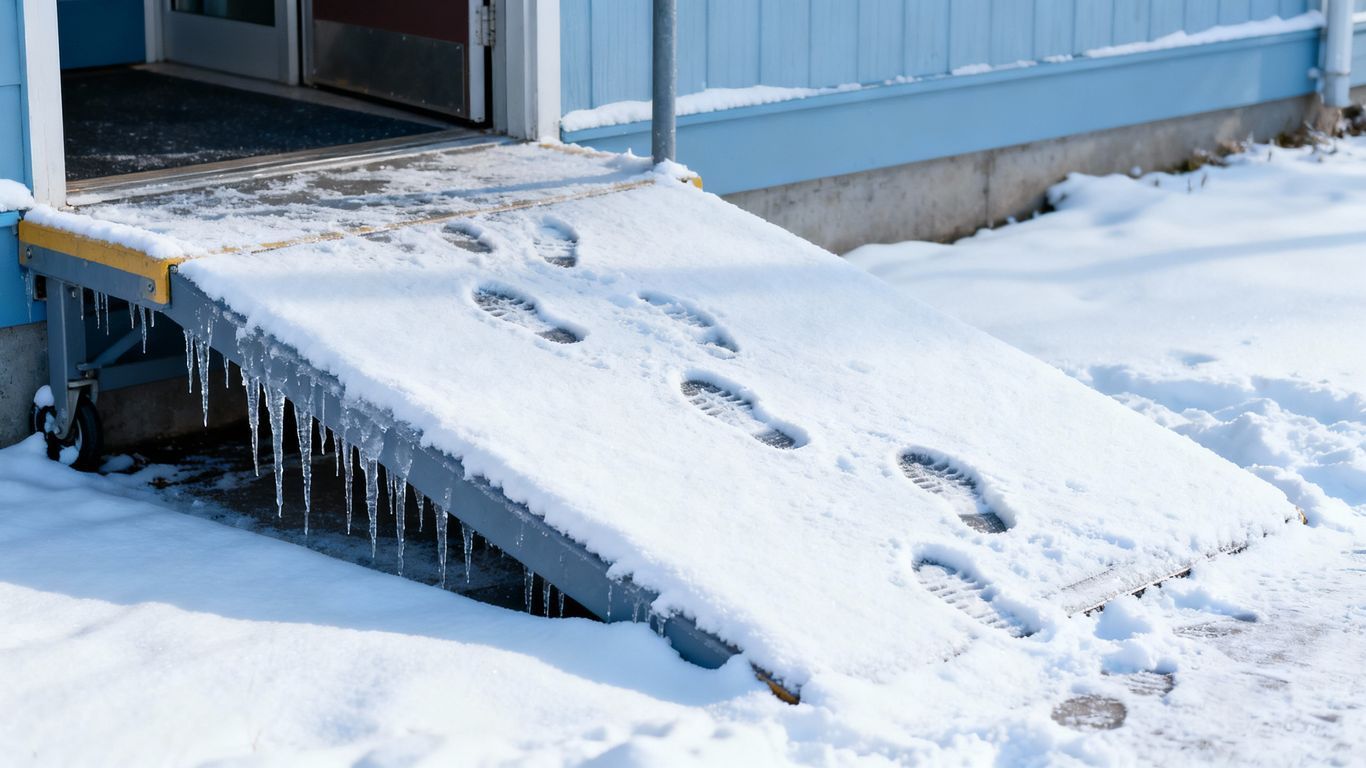
Winter weather can be tough on everyone, and that includes keeping things accessible. If you use a wheelchair ramp, especially around LaFayette, Dalton, Chickamauga, or Ft. Oglethorpe, you know how quickly snow and ice can make things tricky. This guide is all about making sure your ramp stays safe and usable all winter long. We'll cover the basics of wheelchair ramp winter maintenance, from clearing snow to keeping surfaces clear and making sure the whole area stays accessible.
Key Takeaways
- Regularly clear snow and ice from your wheelchair ramp to prevent slips and falls.
- Use safe de-icing products that won't damage your ramp material or the environment.
- Check your ramp's surface for any damage caused by winter conditions and repair it promptly.
- Keep the areas leading to and from the ramp clear of snow and ice.
- Prepare for winter by inspecting your ramp before the cold hits and having the right tools ready.
Essential Wheelchair Ramp Winter Maintenance
Winter weather can really make things tricky for wheelchair ramps. Keeping them clear and safe is a big deal, especially around here in North Georgia where we get our share of cold snaps and ice. It’s not just about making things look nice; it’s about making sure everyone can get around without a problem.
Clearing Snow and Ice Safely
When the snow starts falling or ice forms, the first thing you need to do is clear it off. You don't want anyone slipping or getting stuck. Here’s a good way to approach it:
- Start early: Don't wait for a huge storm to hit. If you see a little bit of snow or frost, tackle it right away. It's way easier to move a dusting than a foot of packed snow.
- Use the right tools: A sturdy shovel is your friend. For ice, a good ice scraper or a broom with stiff bristles works well. Avoid anything too sharp that could scratch up the ramp surface.
- Work from top to bottom: If your ramp has a landing at the top, clear that first. Then, work your way down the ramp itself. This way, you're not pushing snow or ice back onto an already cleared area.
- Be gentle: You don't need to go at it like you're digging a trench. A steady, consistent effort is usually enough. The goal is a clear, usable surface, not a workout.
Preventing Ice Buildup on Ramps
Clearing is one thing, but stopping ice from forming in the first place is even better. Ice can make a ramp super slick, and nobody wants that.
- Watch the forecast: Knowing when freezing rain or sleet is expected helps you get ahead of it. Sometimes, a quick application of something before the weather hits can make a big difference.
- Consider a protective layer: Before winter really sets in, you might want to think about what you're putting on the ramp. Some materials are just more prone to ice sticking.
- Drainage is key: Make sure water can run off the ramp and away from it. If water pools and then freezes, you've got a problem.
Keeping a ramp clear isn't just a chore; it's about making sure your home or building is accessible to everyone, no matter the weather. A little bit of regular attention can prevent a lot of headaches later on. Think of it as part of your home's upkeep, just like checking the gutters or making sure the heating works.
Choosing the Right De-icing Agents
When you need to melt ice, picking the right stuff matters. Not all de-icers are created equal, and some can actually damage your ramp or the surrounding environment.
- Salt (rock salt/sodium chloride): This is common and cheap, but it can eat away at concrete and metal over time. It's also not great for plants.
- Calcium chloride: Works at lower temperatures than rock salt and melts ice faster. It's a bit gentler on surfaces but can still cause damage if overused.
- Potassium chloride: Another option that works in colder temps. It's generally less damaging than rock salt but can still affect vegetation.
- Magnesium chloride: Melts ice quickly and works at very low temperatures. It's often considered one of the safer options for concrete and plants, but it can be more expensive.
- Environmentally friendly options: There are products made from things like sugar beet juice or corn cobs. These are usually the gentlest on surfaces and the environment, but they can be pricier and might not work as fast in extreme cold.
Protecting Your Ramp Surface During Winter
Winter weather can really do a number on your wheelchair ramp if you're not careful. The constant freeze-thaw cycles, the salt, and even just the moisture can wear down the surface over time. It’s not just about looks; a damaged ramp can become unsafe, with loose boards or slippery patches. Taking steps to protect your ramp's surface now can save you a lot of trouble and expense down the road.
Understanding Material Durability
Different ramp materials handle winter differently. Wood ramps, for instance, are susceptible to rot and splintering if not properly sealed. Metal ramps, especially aluminum, are generally quite tough, but they can still get scratched or dented, which might lead to rust if the protective coating is compromised. Composite materials often hold up well, but it's still a good idea to check for any signs of wear.
Applying Protective Coatings
This is where you can really make a difference. For wooden ramps, a good quality sealant or stain is your best friend. It acts like a shield against moisture and UV rays. For metal ramps, a clear coat or a specialized protective spray can add an extra layer of defense against corrosion. Think of it like putting a jacket on your ramp before the cold hits.
- Wood Ramps: Apply a water-repellent sealant or stain annually, ideally in late fall before the harsh weather sets in.
- Metal Ramps: Consider a protective spray designed for outdoor metal surfaces to prevent rust and minor abrasions.
- Composite Ramps: While often low-maintenance, check the manufacturer's recommendations for any specific winter treatments.
Keeping the ramp surface in good shape means it stays safer and lasts longer. It's a bit of upkeep, but it beats having to replace the whole thing because of winter damage.
Inspecting for Winter Damage
Once winter has settled in, and even after it's passed, give your ramp a good once-over. Look for:
- Any new cracks or splits in the material.
- Loose fasteners, like screws or bolts.
- Areas where the protective coating might be peeling or worn away.
- Any signs of rust on metal components.
- Loose or wobbly sections that could indicate a problem with the supports.
Maintaining Ramp Accessibility in Cold Weather
Keeping your wheelchair ramp usable when the temperature drops is more than just about clearing snow. It's about making sure the whole path to and from the ramp is safe and that the ramp itself stays put. Cold weather can really mess with things if you're not careful.
Ensuring Clear Pathways to the Ramp
This is a big one. Even if the ramp itself is clear, if the sidewalk leading up to it is a sheet of ice or buried under snow, it's still a no-go. You need to think about the entire journey.
- Clear the sidewalk leading to the ramp. This means shoveling or using a snow blower.
- Treat the pathway with de-icer. Make sure it's safe for wheels.
- Check for any obstacles. Sometimes snowdrifts can hide things.
The goal is to create a continuous, safe route from the door to the ramp's start.
Checking Ramp Stability and Integrity
Cold can make materials contract, and freeze-thaw cycles can loosen things up. A ramp that feels solid in the summer might feel a bit wobbly when it's freezing out.
- Inspect the ramp's connection points. Are the bolts still tight? Is anything looking rusted or weak?
- Check the ramp surface. Look for any cracks or loose planks that might have worsened.
- Test the handrails. Give them a good shake to see if they're still firmly attached.
Winter weather puts extra stress on structures. Even small shifts can become bigger problems over time, especially with repeated freezing and thawing.
Addressing Drainage Issues
Water is the enemy of accessibility in winter. If water pools on or around your ramp and then freezes, it creates slippery hazards and can damage the ramp material over time. Proper drainage helps prevent this.
- Ensure water can flow away from the ramp. Check that nearby drains aren't blocked by leaves or ice.
- Look for low spots. If water tends to collect, you might need to adjust the ground around the ramp.
- Consider temporary solutions. If drainage is a persistent issue, you might need to look into more permanent fixes, perhaps with help from a company like North Georgia Mobility that understands accessibility needs.
Seasonal Ramp Care for Local Areas
Winter weather can hit differently depending on where you are, and that's certainly true for our area. While LaFayette, Dalton, Chickamauga, and Fort Oglethorpe all experience cold spells, the specific conditions might vary a bit. Knowing these local nuances helps you keep your wheelchair ramps safe and usable all season long.
Winter Ramp Maintenance in LaFayette
LaFayette can sometimes see a good amount of snow and ice. For ramps here, it's really important to:
- Clear snow promptly. Don't let it pile up, as it can freeze and become a real hazard.
- Watch for ice forming, especially on shaded parts of the ramp or near the ground.
- Consider using salt or sand, but be mindful of how it might affect the ramp material over time.
Winter Ramp Maintenance in Dalton
Dalton often deals with freezing rain and sleet. This means ice can form quickly and stick stubbornly. Keeping an eye on ice buildup is key.
Freezing precipitation can make even a slight incline treacherous. It's better to be a bit overcautious with de-icing than to risk a fall.
Winter Ramp Maintenance in Chickamauga
Chickamauga's weather can be a mix, but when it gets cold, ice is the main concern. Think about:
- Using a good ice melt that's safe for your ramp's surface. Some chemicals can damage certain materials.
- Having a sturdy shovel or broom ready to go.
- Checking the ramp's connection points to the house or ground, as ice expansion can cause issues.
Winter Ramp Maintenance in Ft. Oglethorpe
Fort Oglethorpe might experience similar conditions to its neighbors, but it's always good to be prepared for anything. A proactive approach is best. This might involve looking into ramp maintenance guides specific to our region before the first freeze hits. Remember, a little preparation goes a long way in making sure your ramp stays accessible and safe throughout the winter months.
Proactive Steps for Wheelchair Ramp Winter Preparedness
Getting ready for winter doesn't just mean stocking up on firewood or checking your car's tires. For those who rely on wheelchair ramps, being prepared before the first snowflake falls is really important. It's all about making sure your ramp stays usable and safe when the weather turns cold and icy.
Regular Inspections Before Winter
Before the cold really sets in, take a good look at your ramp. You want to catch any small issues before they become big problems once snow and ice are around. Think of it like giving your ramp a check-up.
- Check the surface: Look for any cracks, loose boards, or worn-out spots. These can get worse with freezing and thawing.
- Inspect the handrails: Make sure they're sturdy and securely attached. You don't want them wobbling when someone needs to hold on.
- Examine the connections: See if the ramp is still firmly attached to the house and the ground. Any shifting can make it unstable.
- Clear out debris: Remove any leaves, dirt, or other stuff that might have collected under or around the ramp. This helps with drainage later.
Having Necessary Tools Ready
Having the right gear on hand makes a big difference when winter hits. You don't want to be caught without what you need when the snow starts piling up.
- Snow shovel: A good quality shovel, maybe one with a plastic edge so it doesn't scratch the ramp surface.
- Ice melt: Have a supply of pet-friendly and ramp-safe de-icing agents ready to go. Avoid rock salt if possible, as it can damage some materials.
- Broom: A stiff-bristled broom is great for sweeping away light snow or ice chips.
- Scraper: A sturdy ice scraper can help chip away at stubborn ice.
Being proactive means you're not scrambling when the weather changes. It's about having a plan and the right equipment so that winter doesn't become a barrier to getting around your home. This kind of preparation is key for maintaining accessibility throughout the colder months.
Understanding Local Weather Patterns
Knowing what kind of winter LaFayette, Dalton, Chickamauga, and Ft. Oglethorpe usually get helps a lot. Are we talking about light dustings of snow, or do we get those icy spells that last for days? Understanding this helps you prepare the right way. For example, if you know heavy snow is common, you'll want a more robust snow removal plan. If ice is the bigger worry, focusing on de-icing agents and preventing ice buildup becomes the priority. Staying informed about weather forecasts is also a smart move, allowing you to get ahead of any incoming storms. This local knowledge is part of making sure your ramp stays functional, just like knowing about accessibility solutions in the area.
Getting ready for winter with your wheelchair ramp doesn't have to be a hassle. Simple steps can make a big difference in keeping it safe and usable all season long. Think about clearing snow regularly and using ice melt products that are safe for your ramp's material. Making sure the ramp is clear and not slippery is key to preventing falls and making access easy for everyone.
Don't let winter weather slow you down. Visit our website today to learn more about keeping your mobility equipment in top shape, no matter the season. We have all the tips and products you need to stay mobile and safe.
Wrapping It Up
So, keeping those ramps clear this winter around LaFayette, Dalton, Chickamauga, and Ft. Oglethorpe is really about making sure everyone can get around safely. It doesn't take a whole lot, just a bit of regular attention. Think about it like keeping your walkways clear after a snowfall – it just makes life easier for everyone. If you ever need a hand with ramp setups or have questions about keeping things accessible year-round, folks like North Georgia Mobility have been doing this for a long time and can point you in the right direction. Staying prepared means fewer headaches and more freedom for folks who use ramps, no matter the weather.
Frequently Asked Questions
Why is it important to keep wheelchair ramps clear in winter?
Keeping ramps clear of snow and ice is super important because it makes sure everyone can get around safely. Slippery ramps can cause bad falls, and blocked ramps can stop people from getting into their homes or buildings. It's all about making sure everyone has a safe way to move, no matter the weather.
What's the best way to clear snow from a ramp?
The best way to clear snow is to use a soft brush or a plastic shovel. Avoid metal shovels because they can scratch or damage the ramp's surface. It's also a good idea to clear the snow right after it falls so it doesn't get packed down and turn into ice.
How can I stop ice from forming on my ramp?
To stop ice, you can use special de-icing products made for ramps. Some work better than others depending on the ramp material. You can also try to cover your ramp with a tarp when you know bad weather is coming. Making sure water can drain away from the ramp also helps a lot.
Are there specific de-icing products I should use or avoid?
Yes, some de-icers can harm ramp surfaces, especially wood or certain metals. Look for products that are safe for concrete, wood, or metal, depending on what your ramp is made of. Avoid rock salt (sodium chloride) if possible, as it can cause damage over time. Calcium chloride or magnesium chloride are often gentler options, but always check the product label.
What should I do if my ramp gets damaged during winter?
If you notice any damage, like cracks, loose parts, or rust, it's important to fix it right away. Small problems can get much worse with winter weather. If you're not sure how to fix it, it's best to call a professional, like North Georgia Mobility, who knows about accessibility ramps.
How often should I check my ramp in the winter?
You should check your ramp pretty often, especially after snowstorms or icy weather. A quick look each day can help you spot problems early. It's also smart to do a more thorough check before winter really sets in and then again in the middle of the season.