How Mobility Technology Has Improved Independence in 2026
Getting around and living life independently is something many people value. In 2026, the way we do this has seen some big changes, thanks to new mobility technology. These tools and systems are making it easier for folks to travel, manage their homes, and stay connected with their communities. It’s all about giving people more control and freedom in their day-to-day lives.
Key Takeaways
- New personal mobility tech, like better navigation aids and smart devices, helps people travel on their own more easily.
- Vehicle changes, such as accessible vans and special driving tools, give people more freedom to get where they need to go.
- Smart home systems can automate parts of the house, making it simpler to get around and safer for people with mobility needs.
- Modern mobility equipment and support plans help people stay active and manage daily tasks without as much difficulty.
- Improved public transport options and digital tools connect people, helping them be more involved in their communities.
Advancements in Personal Mobility Technology
It feels like just yesterday we were amazed by basic electric wheelchairs, but wow, things have really changed. Personal mobility tech in 2026 is something else entirely. We're talking about devices that don't just help you get around, but actually give you back a sense of control and freedom.
Empowering Independent Travel
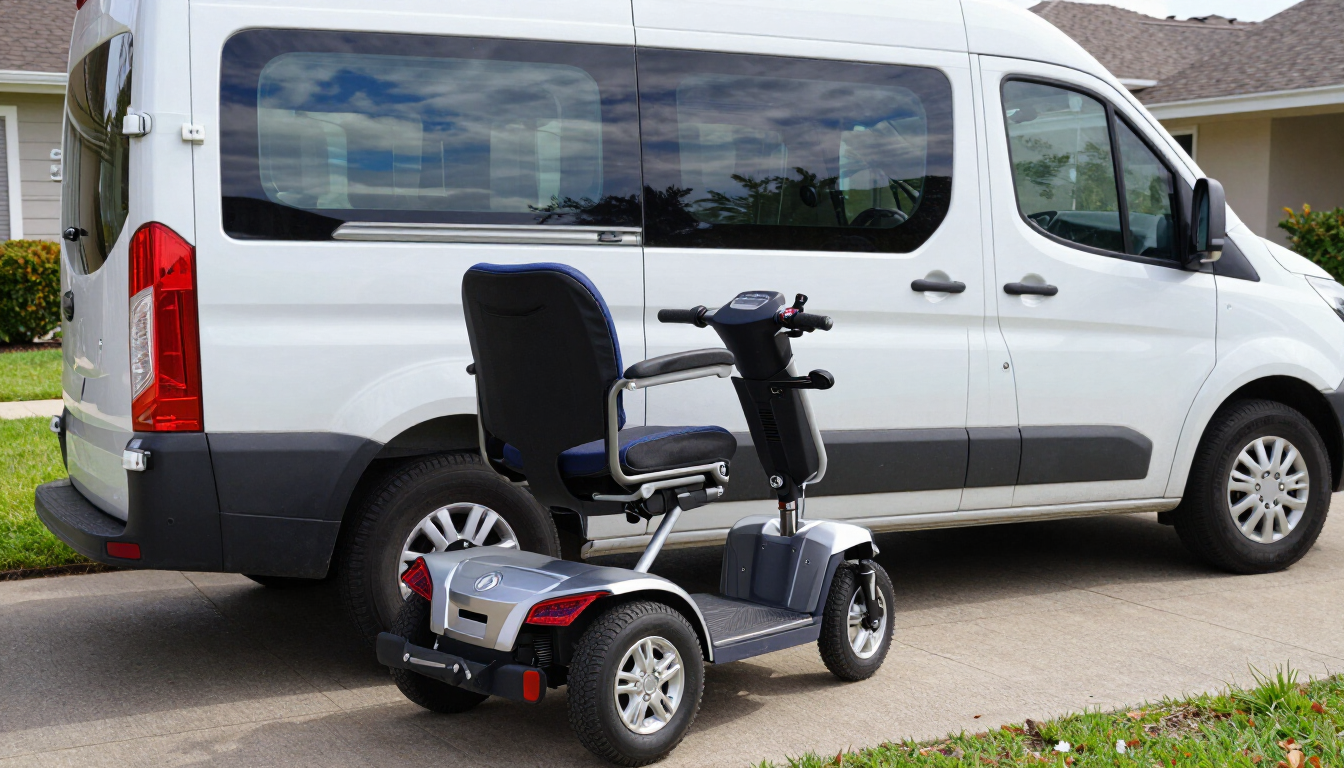
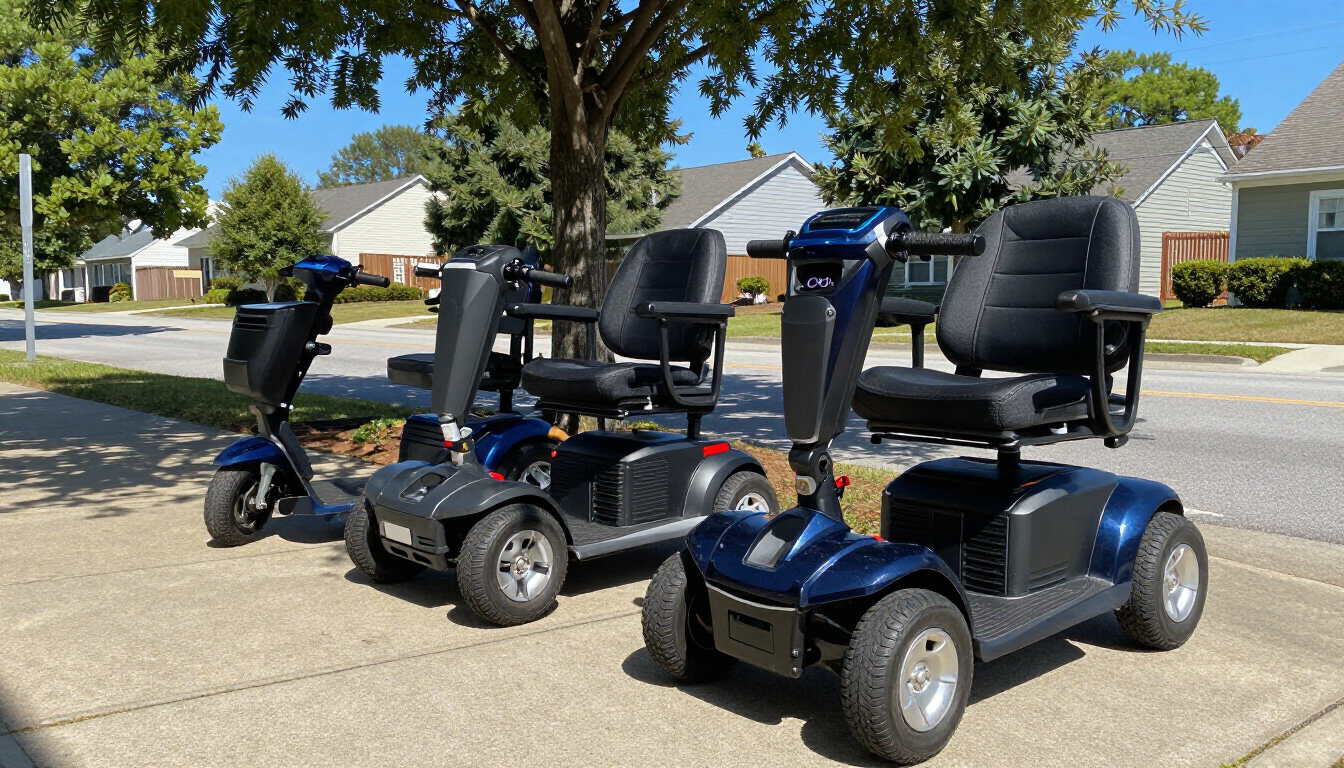
Getting out and about used to be a big hurdle for many. Now, it's becoming much more manageable. Think about lightweight, foldable scooters that can fit in a car trunk, or advanced power chairs that can navigate tricky terrain. These aren't just tools; they're tickets to rediscovering your neighborhood and beyond. It’s about making spontaneous trips possible again, without needing to plan every single step or rely on someone else.
Enhanced Navigation Tools
Getting lost is a worry for anyone, but for those with mobility challenges, it can be a real barrier. Today's navigation systems are way smarter. We've got:
- GPS devices specifically designed for pedestrians, with voice guidance that accounts for sidewalk accessibility.
- Apps that map out routes avoiding stairs or steep inclines.
- Wearable tech that can provide haptic feedback for directions, so you don't even need to look at a screen.
This kind of guidance makes exploring new places feel less daunting. It's like having a personal guide right with you. You can find accessible routes to your destination, making travel much less stressful. Check out the latest trends in senior technology to see how these tools are evolving.
Smart Assistive Devices
Beyond just moving around, personal tech is now about making daily tasks easier. Smart canes can detect obstacles, and some even have built-in fall detection. Voice-activated assistants are becoming more common, controlling everything from lights to communication devices. It's about creating a more connected and responsive environment around you.
The goal is to reduce the effort needed for everyday activities, allowing individuals to focus their energy on what they enjoy. This shift from basic assistance to intelligent support is changing lives.
These devices are becoming more intuitive, learning user preferences and anticipating needs. It's a big step towards greater autonomy for everyone.
Vehicle Modifications for Greater Freedom
Getting around in your own car can make a huge difference in your day-to-day life. It’s not just about going places; it’s about keeping your independence. Luckily, there are some pretty neat ways to change up vehicles so they work better for everyone.
Accessible Van Conversions
These aren't your average minivans anymore. Companies can take a standard van and really change it up. Think about:
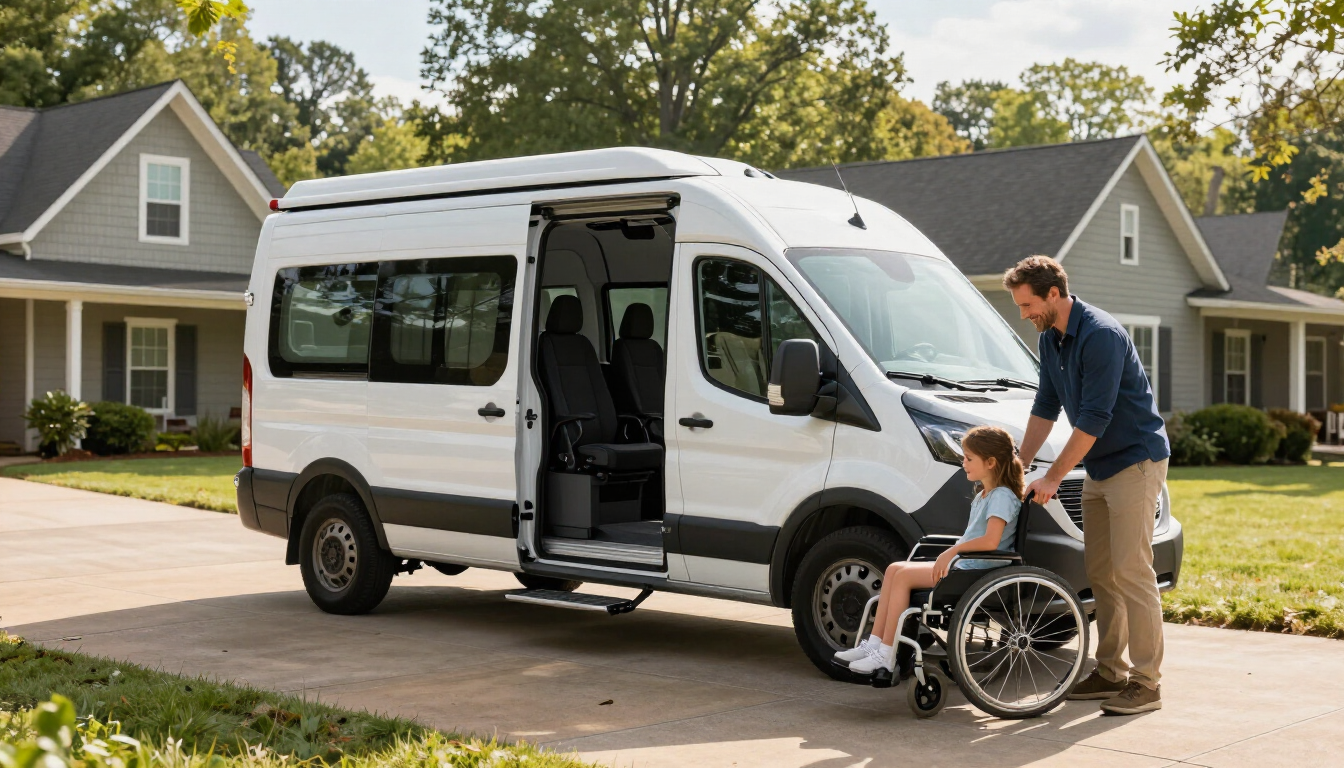
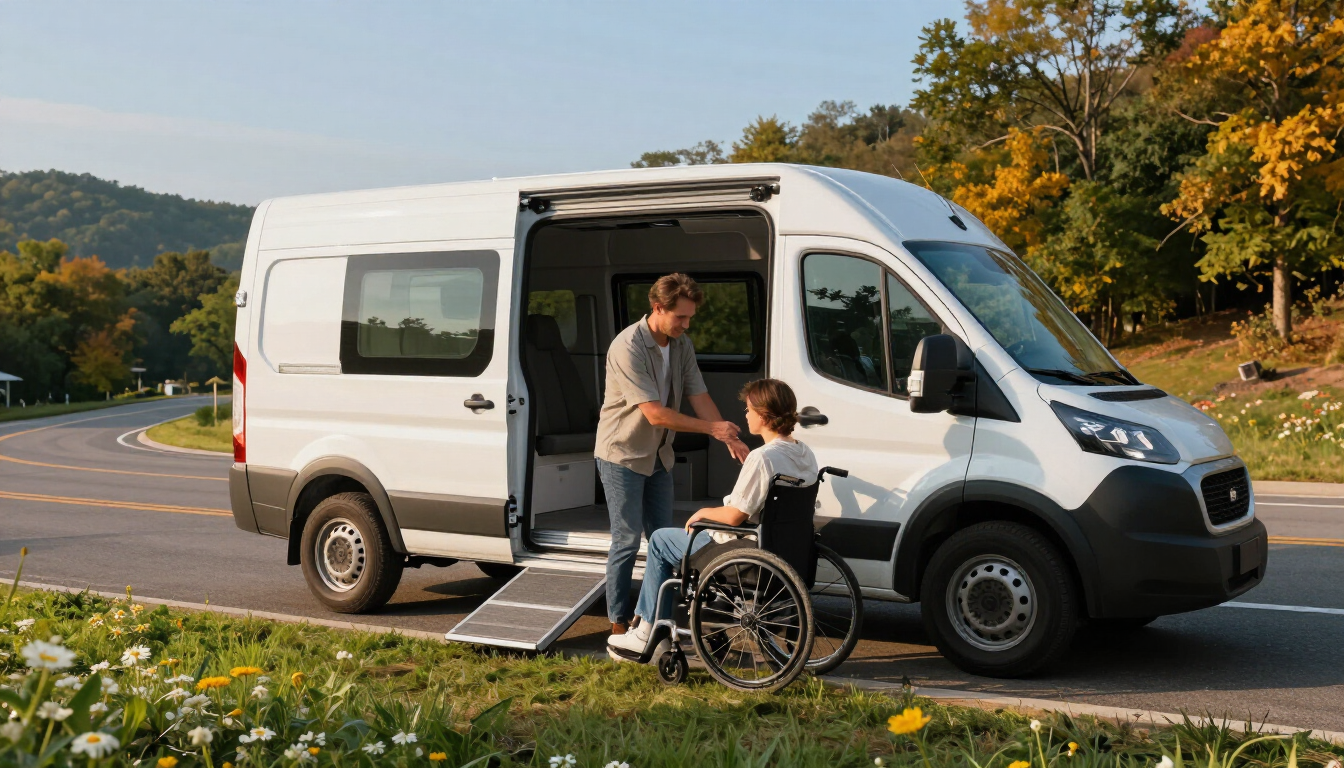
- Lowered floors: This makes it much easier to get in and out, especially if you use a wheelchair.
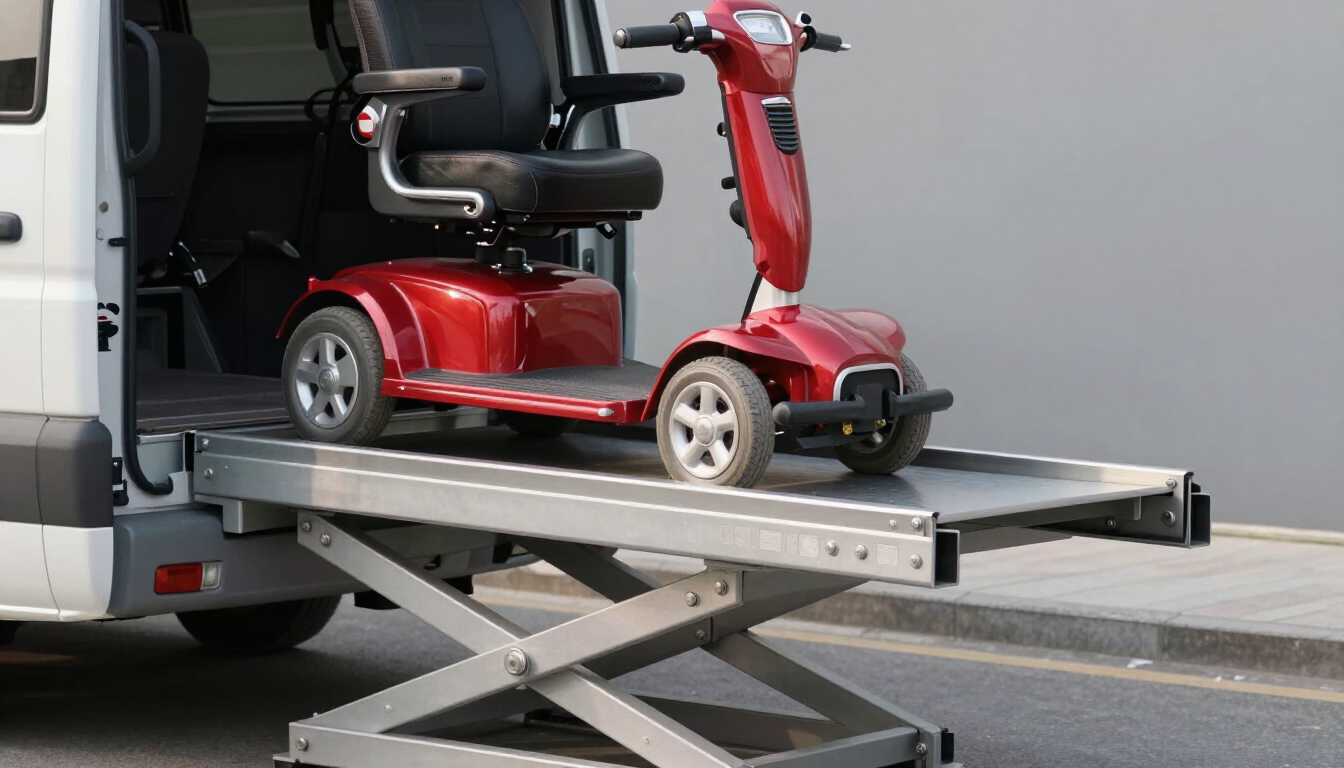
- Ramps or lifts: Whether it folds out or lowers down, these are key for getting a wheelchair or scooter inside without a struggle.
- More interior space: They often reconfigure the inside so there's plenty of room to maneuver.
These conversions are designed to make driving or riding as comfortable and simple as possible.
Hand Controls and Lifts
Even if you don't need a full van conversion, there are other ways to adapt a car. Hand controls are a big one. They let you steer, accelerate, and brake using just your hands, which is a game-changer for people who can't use their feet.
- Spinner knobs: These attach to the steering wheel for easier one-handed turning.
- Push/pull controls: You push for gas, pull for brake, or vice versa, all on a lever near the steering wheel.
- Transfer seats and lifts: If getting into the driver's seat is the tricky part, these can help you move from your wheelchair into the car seat more easily.
Adaptive Driving Features
Beyond the basics, modern cars can be fitted with all sorts of tech. It's all about making the driving experience safer and less tiring.
- Joystick steering: For those with limited upper body strength, a joystick can control steering.
- Custom pedal setups: If standard pedals are hard to reach or operate, they can be moved or modified.
- Voice command systems: While not strictly a modification, integrating advanced voice controls can help manage vehicle functions without needing physical interaction.
The goal with all these vehicle changes is pretty straightforward: to give people the freedom to travel where they want, when they want, without needing constant help. It’s about reclaiming that sense of personal mobility and the ability to just go. It really opens up possibilities for work, hobbies, and just seeing friends.
These modifications aren't just about convenience; they're about access and the ability to participate fully in life. It’s amazing how much a few smart changes to a vehicle can impact someone's independence.
Home Accessibility Through Smart Technology
It’s pretty wild how much our homes are changing, right? We're not just talking about new paint colors anymore. Smart tech is really stepping up to make living spaces work better for everyone, especially when getting around or doing everyday things gets a bit tricky. This isn't just about convenience; it's about reclaiming a sense of control and freedom within your own four walls.
Automated Home Environments
Think about your house, but with a brain. That's kind of what we're seeing now. Lights that turn on when you enter a room, or blinds that adjust themselves with the sun. It sounds futuristic, but it's here. For folks who might have trouble reaching light switches or opening heavy curtains, this is a game-changer. You can set schedules, control things with your voice, or even use a simple app on your phone. It takes away a lot of those little daily hurdles that can add up.
- Voice-activated lighting systems
- Automated window coverings
- Smart thermostats that learn your preferences
Smart Home Integration for Mobility
This is where things get really interesting. It’s not just about one gadget doing one thing. It’s about making everything talk to each other. Imagine being able to lock your doors, adjust your thermostat, or even start your coffee maker, all from one place – maybe your phone or a central smart display. For someone with limited mobility, this means fewer trips across the room or less strain trying to manage multiple tasks. It’s about creating a connected ecosystem that supports your needs. You can find a lot of helpful information on smart home devices that can offer a reliable safety net.
The goal here is to make the home environment responsive to the individual's needs, reducing physical effort and increasing the ability to manage daily routines independently. It’s about building a home that works for you, not against you.
Safety and Security Enhancements
Beyond just comfort, smart tech is making homes safer. Think about smart smoke detectors that can send alerts directly to your phone, or doorbells with cameras so you can see who's there without having to get up. There are also systems that can monitor for falls or unusual activity, giving both the resident and their family peace of mind. It’s a way to stay connected and protected, even when you're home alone. These systems are becoming more sophisticated, offering a layer of security that wasn't really possible before.
- Smart locks with remote access
- Video doorbells and security cameras
- Fall detection sensors and emergency alert systems
The Role of Mobility Aids in Daily Life
Innovative Mobility Aids
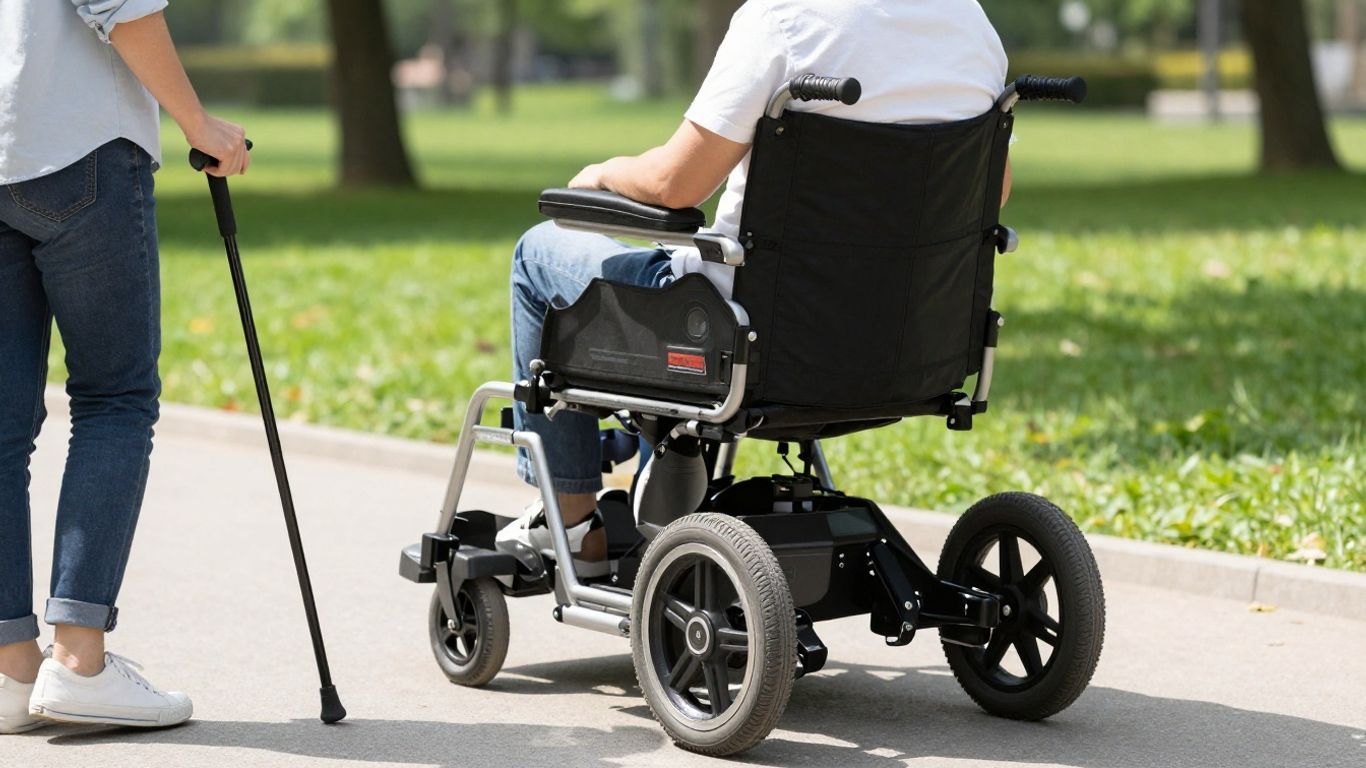
It’s pretty amazing how much the world of mobility aids has changed. Gone are the days when your options were pretty limited. Now, there are so many clever gadgets and tools out there designed to make everyday tasks simpler and more manageable. Think about lightweight, foldable walkers that are easy to take anywhere, or advanced wheelchairs that can navigate tricky terrain. These aren't just tools; they're keys to unlocking a more active and independent life.
Personalized Support Solutions
What works for one person might not work for another, right? That’s where personalized support comes in. It’s all about finding the right fit for your specific needs and lifestyle. This could mean:
- Getting a custom-fitted brace that offers just the right amount of support.
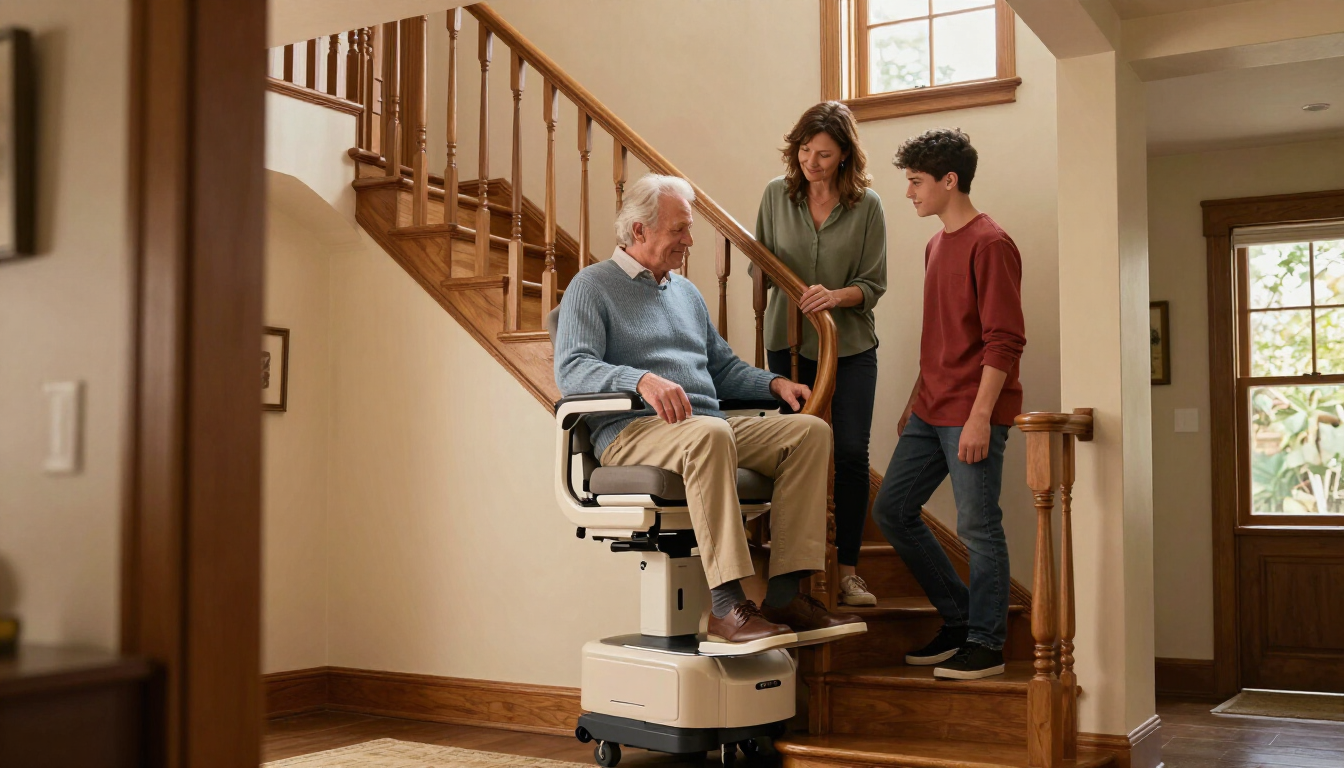
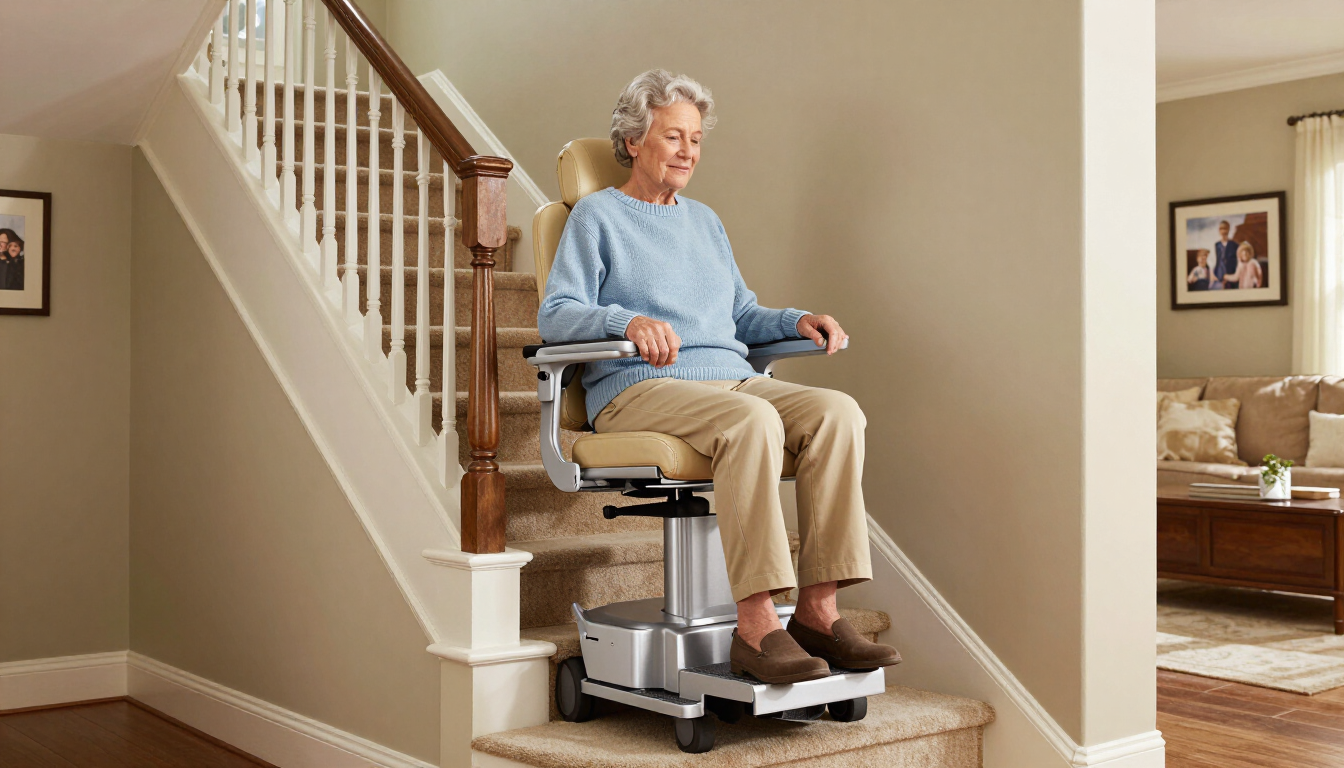
- Finding a stairlift that perfectly matches your home's layout.
- Working with a therapist to learn new ways to do things with assistive tools.
It’s about making sure the help you get actually helps you do what you want to do.
Maintaining an Active Lifestyle
Mobility aids aren't just for getting around the house. They play a big part in letting people stay involved in their communities and hobbies. Whether it's a specialized sports wheelchair or a simple grabber tool that lets you reach things without straining, these aids help keep you connected and engaged.
The goal is to remove barriers, not create new ones. When mobility aids are well-designed and suited to the individual, they allow people to participate more fully in life, from simple errands to social gatherings and physical activities. It's about maintaining dignity and the freedom to choose how you spend your day.
Staying active is good for everyone, and with today's technology, it's more possible than ever for people with mobility challenges to keep moving and enjoying life.
Community Integration and Mobility Technology
It's pretty amazing how technology is helping people get out and about more these days. When we talk about community integration, it's not just about being able to leave the house; it's about truly participating in what's happening around us. Mobility tech plays a huge part in making that happen.
Accessible Public Transportation
Getting around town used to be a real headache for many. Now, with smarter buses and trains, it's getting much better. Think about buses with ramps that deploy smoothly or train stations with clear audio announcements and visual aids. These improvements mean more people can hop on public transport without a second thought. It opens up so many possibilities for work, appointments, or just meeting up with friends. It's not perfect everywhere, of course, but the direction is definitely positive. We're seeing more transit systems working with disability advocates to get things right.
Connecting Through Digital Platforms
Beyond physical travel, the digital world is also a massive connector. Online communities, video calls, and accessible apps let people stay in touch and involved, no matter where they are. You can join a book club, attend a virtual lecture, or even work remotely, all thanks to these digital tools. It really breaks down barriers.
- Virtual social groups
- Online learning opportunities
- Remote work options
The goal is to make sure everyone has a way to connect and feel like they're part of things. Whether it's a physical ramp or a well-designed website, it all adds up to a more inclusive society. It's about removing obstacles, big and small.
Expanding Social Circles
When you can travel more easily and connect online, your world naturally gets bigger. You're not limited to just the people you see every day. You can meet new people with shared interests, join local clubs, or visit places you couldn't before. Companies like North Georgia Mobility are helping by providing the physical means, like specialized vehicle conversions, that make these outings possible. It's all about building a life with more options and less limitation. This really helps people maintain a vibrant social life and feel more connected to their community.
Making your home and travel more accessible is our goal. We help you find the right tools and make changes so you can move around more freely. From special lifts to ways to secure wheelchairs in cars, we have solutions to help you get where you need to go. We also offer van conversions and mobility scooters to boost your independence. Ready to explore your options? Visit our website today to learn more about how we can help you live life without limits.
Looking Ahead
So, it's pretty clear that the tech we have now is really changing things for people. Being able to get around more easily, whether it's a new car modification or some smart home gadget, just makes life simpler. It means more freedom to do what you want, when you want. This isn't just about fancy gadgets, though; it's about real people living fuller lives. As this technology keeps getting better, we can expect even more good stuff to come, making independence a reality for more and more folks.
Frequently Asked Questions
How has new technology made it easier for people to get around on their own?
Think about all the cool gadgets and smart tools available now! From apps that help you find the best routes to devices that make everyday tasks simpler, technology is like a personal assistant. It helps people travel independently, whether it's navigating a new city or just getting from their home to the store. It's all about making life easier and giving people more freedom.
What kind of changes can be made to cars to help people drive or ride more easily?
Cars can be specially changed to fit everyone's needs. For example, vans can be made with ramps or lifts so wheelchairs can get in and out easily. There are also special controls that can be added to help people steer or use the gas and brakes. These changes make driving or riding in a car much more comfortable and safe for people with different abilities.
How can smart technology in homes help people with mobility challenges?
Smart homes are like having a helpful robot butler! Lights can turn on and off with a voice command, doors can open automatically, and thermostats can be adjusted without moving. This means people can control their environment easily, making their homes more comfortable and safer to live in, all from one place.
What are some examples of new mobility aids that are helpful?
Mobility aids are tools that help people move around. We're seeing amazing new ones, like advanced wheelchairs that can go over rough ground or even stand up. There are also smart walkers that can help with balance and stability. These aren't just basic tools anymore; they're designed to be personalized and help people stay active and do the things they love.
How does technology help people connect with their community?
Technology is a big bridge! Accessible buses and trains, often with digital information systems, make public transport easier to use. Online platforms and apps connect people with others who share similar interests or needs, helping them make new friends and join groups. This helps everyone feel more included and less alone.
Where can I find experts who can help with mobility solutions?
There are specialized companies, like North Georgia Mobility, that focus on helping people find the right solutions. They can help with vehicle upgrades, provide different types of mobility aids, and even suggest home modifications. It's best to look for local businesses with experience and a good reputation who are dedicated to helping people live more independently.