Veteran Mobility Solutions: Supporting Independence Through Adaptive Equipment
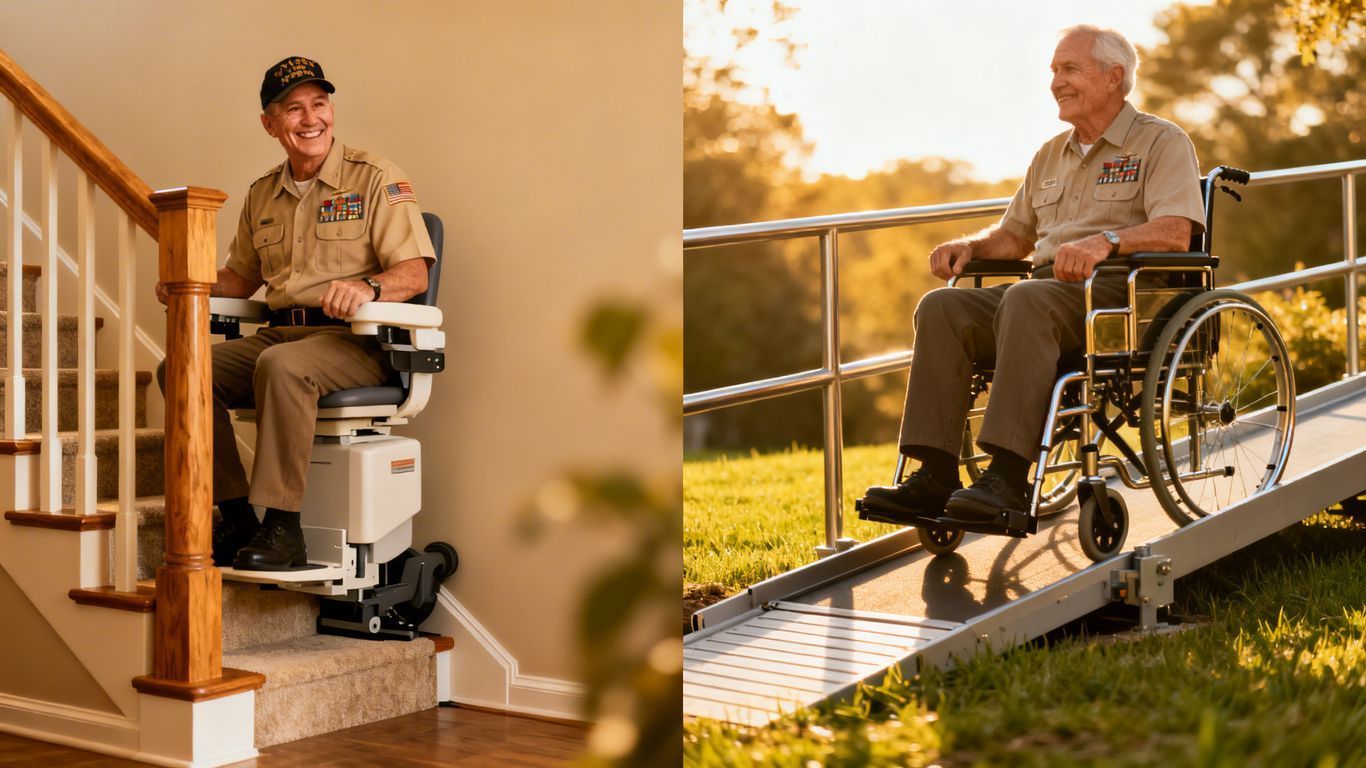
Veterans often face mobility challenges after their service. Thankfully, there are many tools and equipment options available to help them keep their independence. This article looks at different kinds of veteran mobility aids and how they can make a big difference in daily life. We'll cover everything from wheelchairs and home ramps to vehicle changes and how to pick the best gear.
Key Takeaways
- Veteran mobility aids include a wide range of equipment like wheelchairs, walkers, and adaptive driving tools.
- Independence is very important for veterans, and the right equipment helps maintain it.
- Common challenges veterans face include difficulty moving around their homes and getting in and out of vehicles.
- Vehicle modifications such as accessible vans and hand controls can greatly improve a veteran's ability to travel.
- Consulting with specialists and exploring VA approved options are good steps when choosing veteran mobility aids.
Understanding Veteran Mobility Aids
Defining Veteran Mobility Aids
Mobility aids for veterans are basically tools and equipment designed to help those who have served in the military with movement and daily living. Think of things like wheelchairs, walkers, or even special ramps for homes. These aren't just random gadgets; they're put in place to help veterans keep their independence and get around more easily, especially if they've faced injuries or health issues during their service. The goal is simple: to make life a bit easier and allow veterans to do more on their own.
The Importance of Independence for Veterans
For many veterans, staying independent is a big deal. It's about maintaining dignity and continuing to live life on their own terms. After serving, many want to keep that sense of self-reliance. Mobility aids play a huge part in this. When a veteran can move around their home, get to appointments, or even just go out for a bit without needing constant help, it makes a world of difference to their mental well-being and overall quality of life. It's not just about physical movement; it's about keeping that spirit of self-sufficiency alive.
Common Mobility Challenges Faced by Veterans
Veterans can run into all sorts of issues that affect how they move. Some common problems include:
- Injuries from combat or training, like back problems or leg injuries.
- Conditions that develop over time, such as arthritis or issues related to aging.
- Health problems linked to their service, like hearing loss or conditions from exposure to certain environments.
- Balance problems that can make walking tricky.
These challenges can make everyday tasks, like walking up stairs or even just getting out of a chair, pretty difficult. That's where the right equipment comes in to help bridge the gap.
Dealing with mobility issues after military service can be tough. It's not just about the physical side of things; it can affect how you feel about yourself and your ability to do the things you used to. Finding the right support makes a big difference in getting back to a good routine.
Types of Veteran Mobility Aids
When we talk about veteran mobility aids, it's a pretty wide category. These aren't just one-size-fits-all gadgets; they're tools designed to help folks keep their independence. Think of them as ways to get around easier, whether that's inside the house or out in the world. The right equipment can make a huge difference in daily life.
Wheelchairs and Scooters
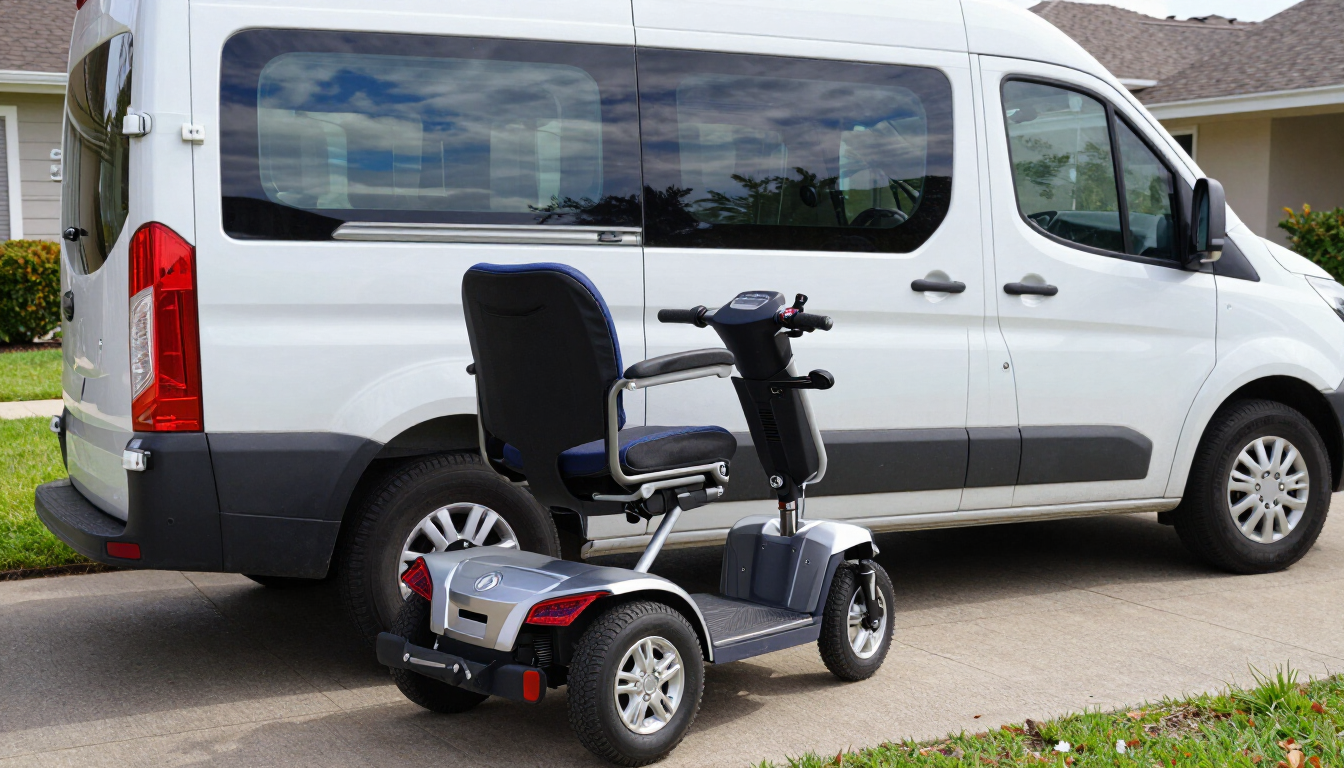
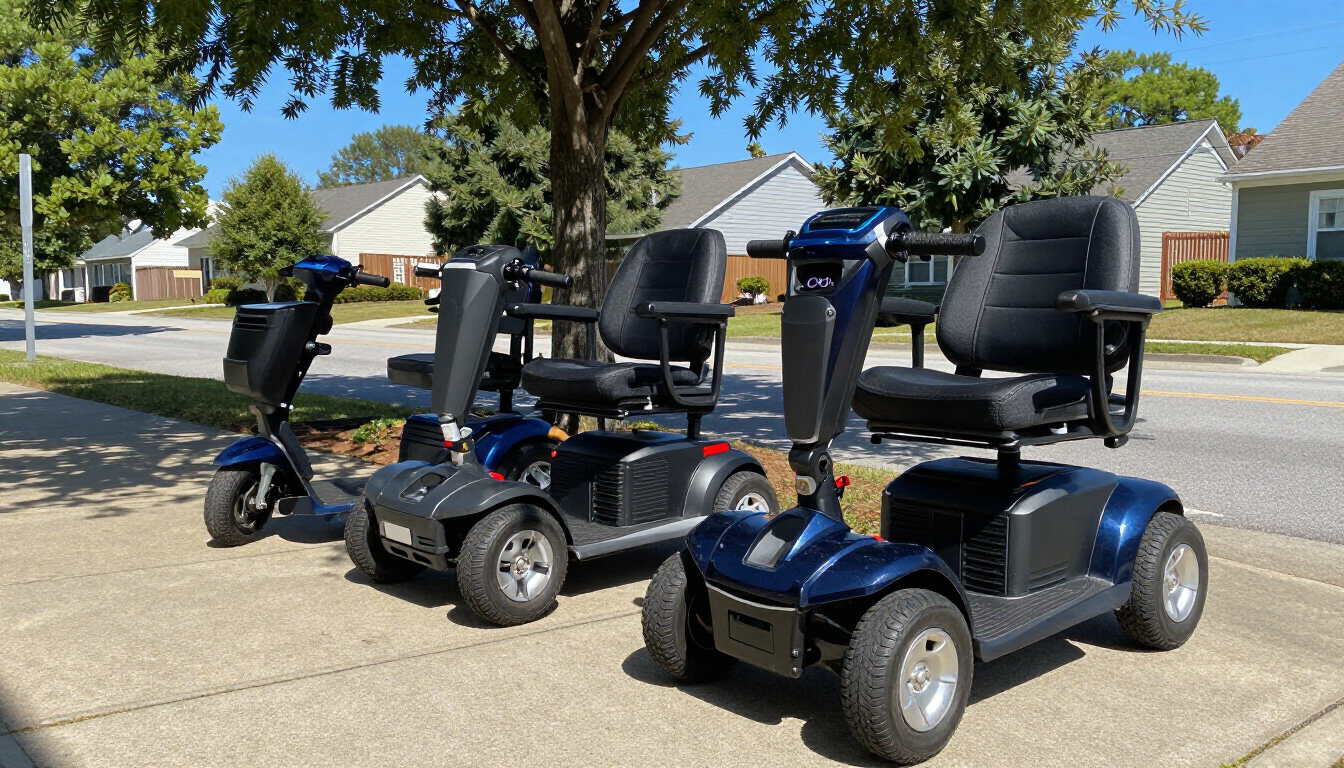
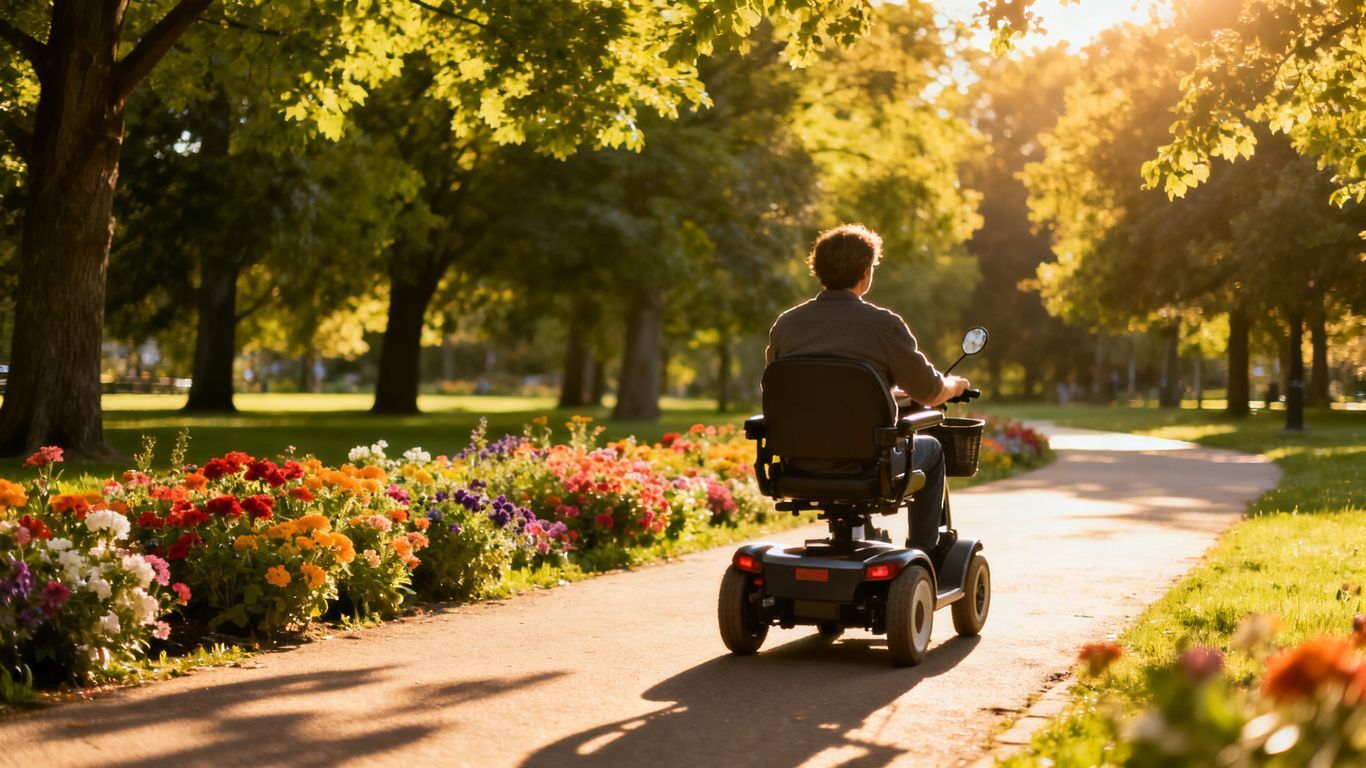
These are probably what most people picture first. We've got manual wheelchairs, which are great for shorter distances or when someone can help push. Then there are the power wheelchairs, which give a lot more freedom for longer trips or if pushing is tough. Scooters are another option, often a bit more compact than a power chair, and they're really good for getting around stores or neighborhoods. They come in different sizes, too, from lightweight ones you can fold up to more robust models for outdoor use. Finding the right fit often depends on how much you plan to use it and where.
Walkers and Canes
These are the more traditional mobility helpers. Canes are pretty basic, offering just a little bit of support and balance. Walkers step that up, giving you a wider base of support. You'll see different kinds: simple walkers with no wheels, ones with front wheels for easier gliding, and even rollators, which are like walkers with wheels, a seat, and hand brakes. These are fantastic for people who can still walk but need a bit of stability. They help prevent falls and make moving around feel more secure. It's all about finding that extra bit of steadiness.
Stair Lifts and Home Elevators
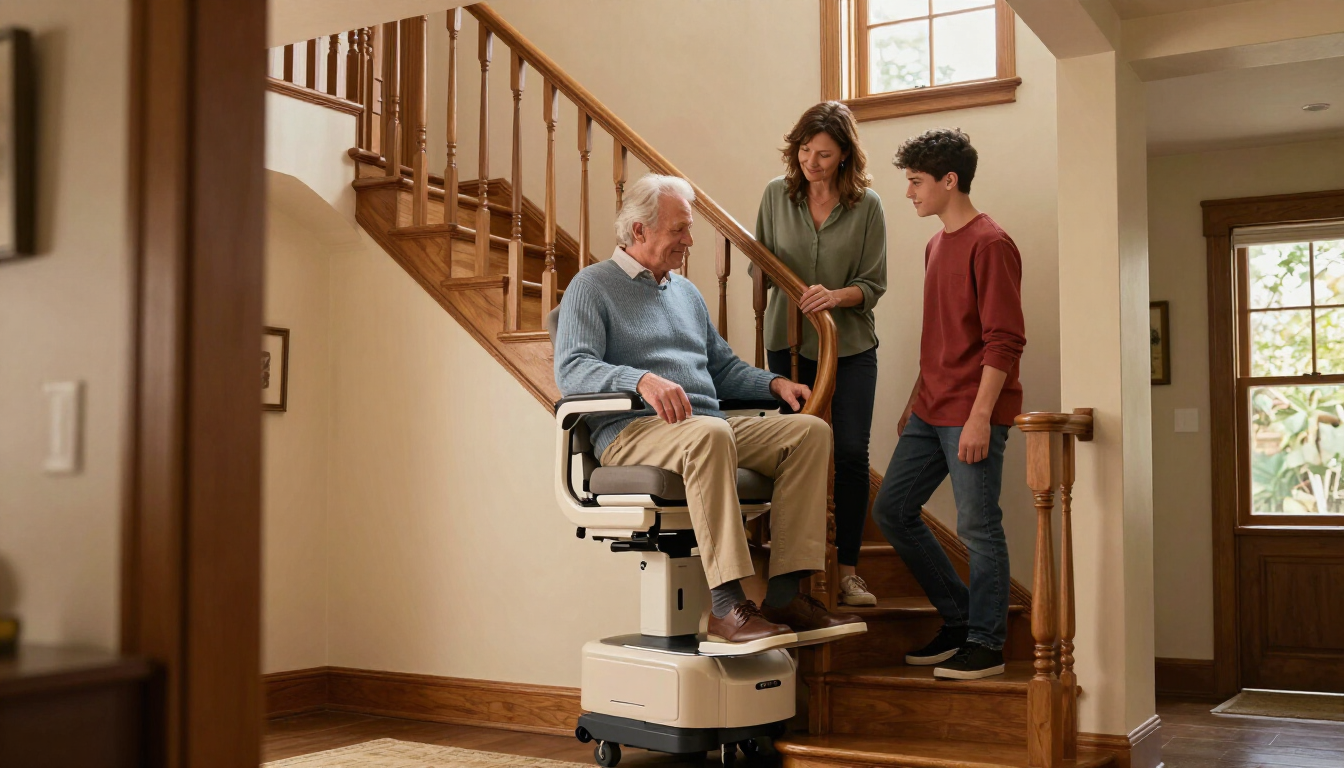
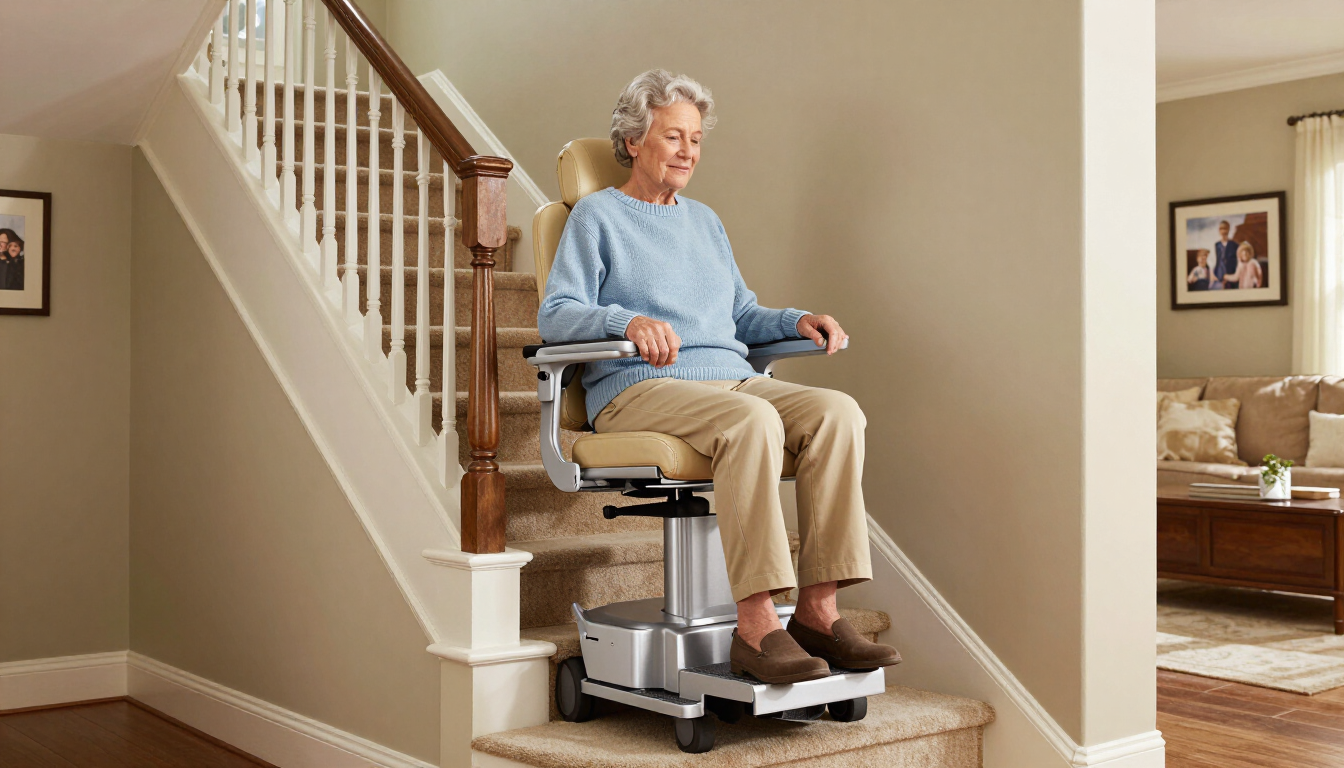
When stairs become a barrier, these are the game-changers. Stair lifts are basically chairs that travel up and down your staircase on a track. They're a much simpler and less invasive solution than a full home elevator. Home elevators, on the other hand, are like mini-elevators installed within your house. They can carry a person, a wheelchair, and even a caregiver. These are big investments, for sure, but they can completely open up a multi-story home for someone with significant mobility issues. It means not having to worry about navigating those tricky steps anymore.
These devices are designed to bridge the gap between a veteran's current physical capabilities and their desire to live independently. They are not about limiting movement, but about expanding possibilities and reducing the physical strain associated with everyday tasks. The goal is always to maximize freedom and participation in life's activities.
It's really about looking at what someone needs to do and what challenges they face. For example, someone who can walk short distances might just need a cane, while someone who needs to travel further or has more significant balance issues might benefit more from a scooter or a power wheelchair. And for those dealing with stairs, stair lifts or home elevators can be life-altering. It's a spectrum of solutions for a spectrum of needs, and thankfully, there are many veteran mobility solutions available to help.
Vehicle Modifications for Veterans
Getting around can be a big hurdle, but thankfully, there are ways to make vehicles work better for veterans with mobility needs. It's not just about getting from point A to point B; it's about keeping that sense of freedom and independence.
Accessible Van Conversions
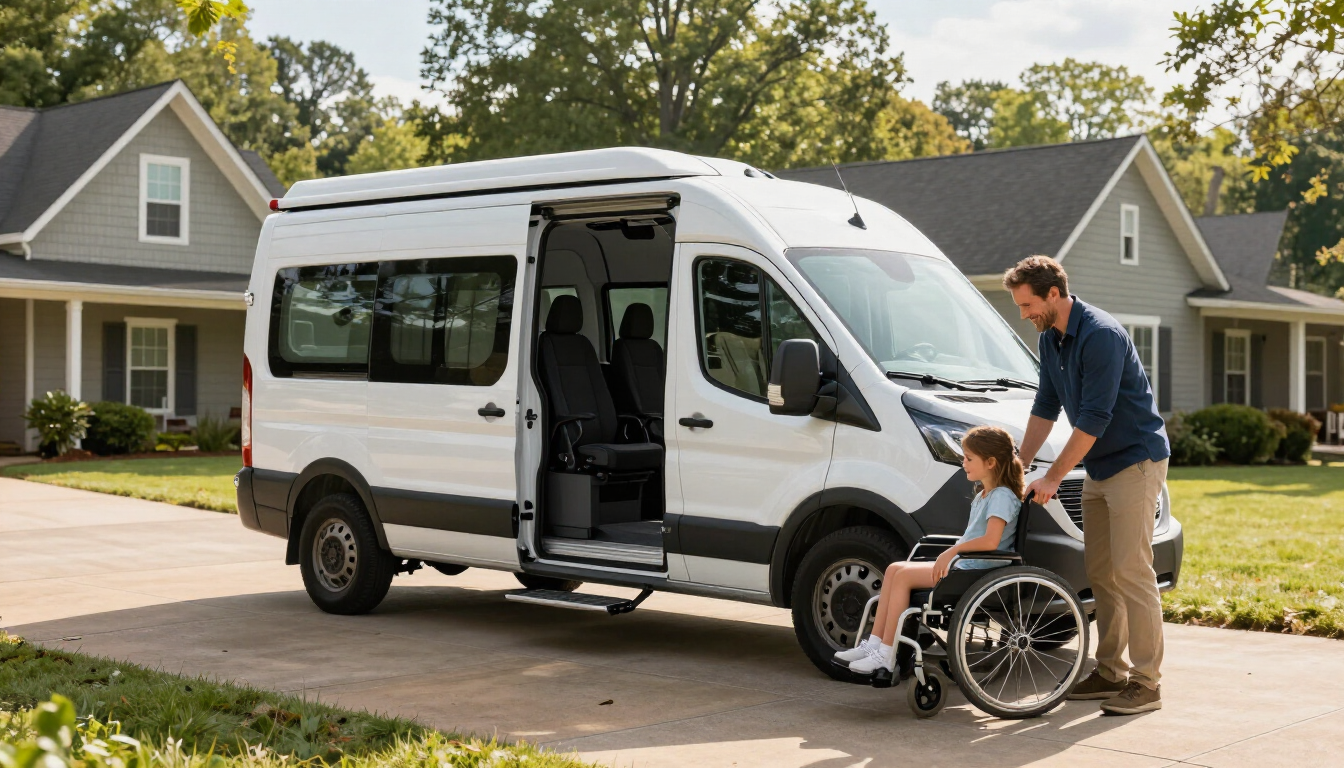
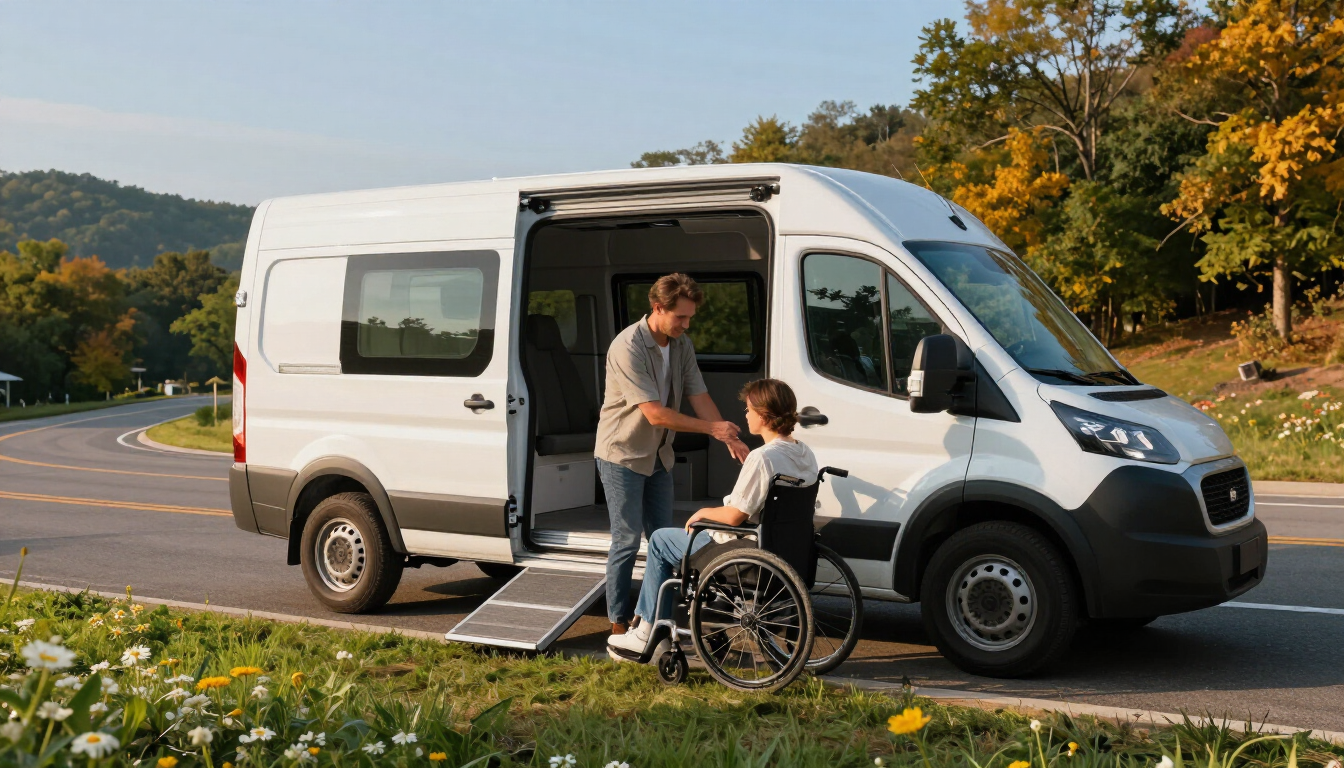
When a standard car just won't cut it, converting a van can open up a lot of possibilities. These conversions can include things like lowering the floor, adding ramps or lifts, and making sure there's enough space inside for a wheelchair. The goal is to make entering, exiting, and moving around inside the vehicle as easy as possible. It really makes a difference for daily errands or just getting out to see friends.
Hand Controls and Driving Aids
For veterans who can still drive but need some help with the controls, there are various aids available. These can include:
- Hand controls for acceleration and braking, which are operated by hand instead of foot.
- Spinner knobs for the steering wheel to help with one-handed steering.
- Modified pedals or extensions.
These modifications allow veterans to maintain their ability to drive, which is a huge part of staying connected and active.
Ramps and Lifts for Vehicles
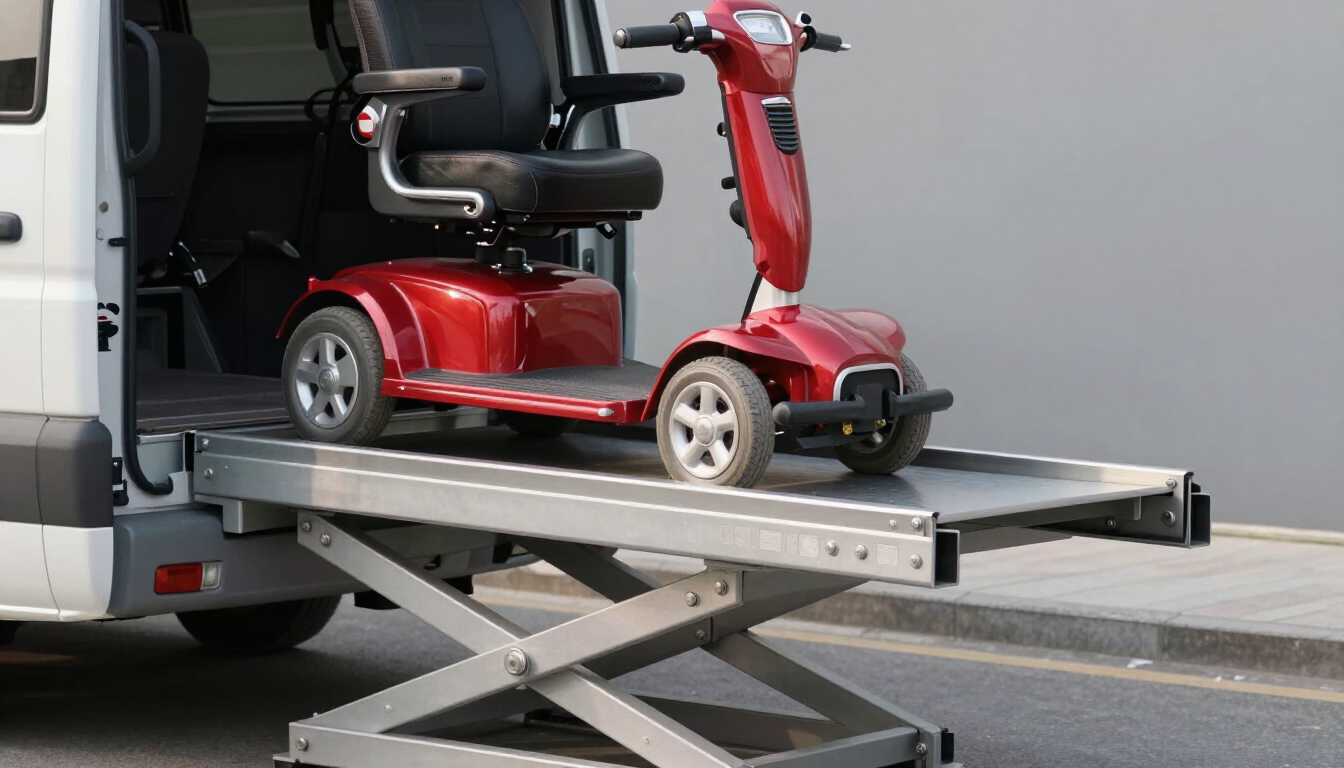
If a wheelchair or scooter is part of your mobility plan, getting it into and out of a vehicle is key. Vehicle ramps can be manual or automatic, folding out from the side or rear of the vehicle. Lifts are another option, especially for heavier mobility devices, as they mechanically raise and lower the equipment. Many veterans find these solutions make travel much more manageable, and you can find VA approved options through places like North Georgia Mobility.
Making sure your vehicle fits your needs is a big step towards keeping your independence. It might seem like a lot to consider, but the right modifications can truly change how you get around day-to-day.
Home Accessibility Solutions
Making a veteran's home a safe and easy place to live is a big part of keeping them independent. It’s not just about big changes; sometimes, small adjustments make a world of difference. Think about how much time is spent in the bathroom or kitchen – these areas often need the most attention.
Bathroom Modifications for Safety
Bathrooms can be tricky spots. Wet floors, tight spaces, and the simple act of getting in and out of a tub or shower can be a real challenge. We're talking about things like:
- Installing grab bars in strategic places, like next to the toilet and in the shower.
- Replacing standard tubs with walk-in showers, which are much easier to get into.
- Adding non-slip mats or special flooring to prevent falls.
- Raising the toilet seat height for easier use.
These changes help prevent accidents and give veterans more confidence when they need to use the facilities.
Ramps and Lifts for Home Entry
Getting into the house shouldn't be a hurdle. If there are steps leading up to the front door, or even a small porch, a ramp can make a huge difference. For homes with multiple levels or very steep inclines, a stair lift or even a small home elevator might be the best option. It means no more struggling with steps and easier access for anyone using a wheelchair or walker. It’s about making sure the home is welcoming from the outside in. You can find more information on Veteran Directed Care programs that might help with these kinds of home improvements.
Adaptive Kitchen and Living Space Designs
Beyond the bathroom and entryways, other parts of the home can be adapted too. In the kitchen, think about:
- Adjustable countertops and cabinets that can be lowered or raised.
- Pull-out shelves and easy-to-reach storage.
- Lever-style faucet handles that are easier to grip.
In living areas, wider doorways can help with wheelchair or walker maneuverability. Simple things like rearranging furniture to create clear paths can also improve daily life. The goal is to make every room functional and comfortable for the veteran.
Adapting a home doesn't always mean a complete overhaul. Often, a few well-chosen modifications can significantly improve a veteran's ability to move around freely and safely within their own space, supporting their desire to live independently.
Choosing the Right Veteran Mobility Aids
Assessing Individual Needs
Figuring out the best mobility aid isn't a one-size-fits-all deal, you know? It really comes down to what you need day-to-day. Think about your typical routine. Where do you spend most of your time? Are you mostly indoors, or do you get out and about a lot? What kind of tasks do you struggle with? Maybe it's reaching things on high shelves, getting up and down stairs, or just walking longer distances. Pinpointing these specific challenges is the first step to finding equipment that actually helps. Don't just guess; really take stock of your daily life and what makes it difficult.
Consulting with Mobility Specialists
Once you have a clearer idea of your needs, talking to a pro is a smart move. These folks aren't just salespeople; they understand the ins and outs of different mobility devices. They can look at your situation, maybe even watch you move around a bit, and suggest options you might not have even considered. They know about:
- Different types of wheelchairs and how they're used
- The pros and cons of various walker designs
- How adaptive equipment can fit into your home
They can also explain how things work and what to expect. It's like having a guide for a complicated map.
Exploring VA Approved Options
When you're a veteran, the VA often has specific programs and approved equipment lists. This can be a big help because it means the equipment has met certain standards. It's worth looking into what the VA covers or recommends for your situation. They might have a list of vendors or specific models that are known to be reliable and suitable for veterans' needs. Asking your VA representative or checking their official resources can save you a lot of time and potential headaches down the road. It's good to know you're looking at options that are recognized and supported.
Sometimes, the sheer number of choices can feel overwhelming. It's easy to get lost in all the technical specs and features. Remember, the goal is to make your life easier and safer. Don't be afraid to ask questions, even if they seem simple. The right equipment should feel like a natural extension of your abilities, not a burden.
Maintaining Independence with Adaptive Equipment
Getting the right adaptive equipment is a big step, but it's just the beginning. The real goal is to keep that independence going strong, day in and day out. It’s about making sure these tools work for you, not the other way around.
The Role of Technology in Mobility
Technology is changing how we approach mobility challenges. Think about smart home devices that can control lights or thermostats with your voice, or advanced wheelchairs that offer more control and comfort. Even simple apps can help with scheduling appointments or reminders, which can make a big difference in managing daily life. These innovations are designed to make everyday tasks easier and more accessible. It’s amazing what’s out there now, helping people stay connected and in control.
Training and Support for New Equipment
When you get a new piece of equipment, whether it's a stair lift or a specialized driving aid, it's important to know how to use it properly. Don't just assume you'll figure it out. Most providers offer training, and it's worth taking advantage of that. Getting the hang of it means you'll use it more, and use it safely.
- Ask for a demonstration of all features.
- Practice using the equipment in a safe environment.
- Understand basic troubleshooting steps.
Sometimes, the learning curve with new gear can feel steep. It’s easy to get frustrated, but remember why you got the equipment in the first place – to make life easier. Patience and a little bit of practice go a long way. Don't hesitate to ask for help if you're struggling.
Ensuring Long-Term Equipment Functionality
To keep your mobility aids working well for years to come, a little regular care is needed. This isn't just about avoiding breakdowns; it's about making sure the equipment continues to support your independence effectively. Think of it like maintaining a vehicle – regular check-ups prevent bigger problems down the road. Many providers offer maintenance plans, or you can learn simple upkeep tasks yourself. For veterans looking for custom-built adaptive devices, there are options available at no cost, aiming to improve quality of life and independence custom-built adaptive devices. Keeping your equipment in good shape means it's always ready when you need it.
Keeping your independence is important, and sometimes, the right tools can make all the difference. Our section on 'Maintaining Independence with Adaptive Equipment' explores how special devices can help you live more freely. These clever tools are designed to make everyday tasks easier and safer. Ready to see how adaptive equipment can help you? Visit our website to learn more and discover the possibilities!
Moving Forward with Confidence
So, we've talked about how different kinds of equipment can really make a difference for veterans. It's not just about getting around easier, it's about keeping that sense of independence. Things like ramps, lifts, or even modified vehicles can open up a lot of possibilities that might have seemed out of reach before. If you or someone you know could use a hand with this stuff, remember there are places like North Georgia Mobility that have been doing this for a long time. They know the ins and outs and are there to help figure out what works best. It’s about finding the right tools to keep life moving forward, on your own terms.
Frequently Asked Questions
What exactly are mobility aids for veterans?
Mobility aids for veterans are special tools and equipment designed to help them move around more easily and safely. Think of things like wheelchairs, walkers, or even special lifts that make getting around the house or in a vehicle much simpler, especially if they have injuries or health issues that make moving difficult.
Why is staying independent so important for veterans?
For veterans, independence means they can continue to live their lives with dignity and control. It's about being able to do everyday tasks on their own, like getting dressed, cooking, or going out. Having the right equipment helps them achieve this, boosting their confidence and overall happiness.
What are some common problems veterans face with moving around?
Many veterans face challenges with mobility due to injuries from their service, aging, or health conditions. This could mean trouble walking, climbing stairs, getting in and out of cars, or even just balancing. These issues can make simple daily activities feel like big obstacles.
Can mobility aids help with getting around in a vehicle?
Absolutely! There are many ways to make vehicles more accessible for veterans. This includes things like special ramps or lifts to get wheelchairs into a van, or hand controls that make driving easier. These changes can open up a world of possibilities for travel and independence.
How can I figure out the best mobility equipment for myself or a veteran I know?
The best way to find the right equipment is to talk to experts who know all about it. Professionals can help assess what kind of help is needed, considering specific challenges and daily routines. They can also guide you toward options that are approved by the VA, which can help with costs.
Does the VA offer help with getting these mobility solutions?
Yes, the Department of Veterans Affairs (VA) often helps veterans get the mobility equipment and home modifications they need. They have programs and approvals for various solutions, and working with VA-approved providers, like North Georgia Mobility, can make the process smoother.