Signs It’s Time to Upgrade Your Mobility Equipment

Sometimes, you just know it's time for a change. Maybe your trusty old scooter isn't as comfortable as it used to be, or perhaps your walker feels a bit wobbly. It's not just about things getting old; it's about how they work for you now. Your needs change, and so does the technology out there. Thinking about a mobility equipment upgrade isn't just about getting something new, it's about making sure you can keep moving freely and safely. Let's look at some signs that might mean it's time to consider a change.
Key Takeaways
- Your body might tell you it's time for a mobility equipment upgrade if you're feeling more pain or discomfort when using your current device, or if you notice it's looking worn out and acting up more often.
- If your health condition has changed, or your home and daily routine require different things, it could be time to look into a mobility equipment upgrade for better support.
- Safety is a big one. If your current equipment makes you feel less stable or increases the risk of a fall, a mobility equipment upgrade is probably a good idea.
- Newer mobility equipment often comes with better technology, like longer battery life or easier controls, which can really help you stay independent.
- Constantly needing repairs or finding parts for your old equipment can get expensive and frustrating, pointing towards the need for a mobility equipment upgrade.
Physical Signs Your Mobility Device Is No Longer Sufficient
Sometimes, your body just tells you it's time for a change, and your mobility equipment is no different. You might not even realize it at first, but little things start to add up. Your current device might be holding you back more than it's helping.
Increased Discomfort or Pain During Use
Are you finding yourself aching more after using your wheelchair, scooter, or walker? Maybe your back hurts, your wrists feel strained, or your shoulders are just plain sore. This isn't just a bad day; it could be a sign that your equipment isn't providing the right support anymore. The angles might be off, or the cushioning might be worn out, forcing your body into awkward positions.
Visible Wear and Tear on Equipment
Take a good look at your device. Are the tires looking a bit bald? Is the frame scratched up or dented? Are the armrests or seat showing signs of serious fraying? These aren't just cosmetic issues. They can point to underlying problems that affect how the equipment functions. For instance, worn-out tires can reduce traction, and a bent frame might throw off the balance. It's like driving a car with worn-out brakes – just not safe.
Frequent Malfunctions or Unreliable Performance
Does your equipment seem to have a mind of its own lately? Maybe the battery dies unexpectedly, the brakes feel spongy, or a wheel wobbles when it shouldn't. These aren't just annoyances; they're red flags. When your mobility aid starts acting up regularly, it's a clear signal that it's struggling to keep up. You need equipment you can depend on, especially when you're out and about. Relying on something that might fail you can be stressful and, frankly, dangerous. It might be time to look into new durable medical equipment.
It's easy to get attached to the equipment that's been with you for a while. It's familiar, and you know its quirks. But when those quirks start causing you pain or making you worry about whether it will work when you need it to, that's a sign it's time to consider an upgrade. Your comfort and safety should always come first.
Changes in Mobility Needs Require an Update
Sometimes, it's not the equipment that's failing, but our own bodies and lives that are changing. What worked perfectly a year ago might feel like a struggle now. Your mobility device needs to keep up with you, not the other way around.
Progression of Medical Conditions
As time goes on, many medical conditions can advance. This might mean you need more support than your current device can provide. Maybe you're experiencing more fatigue, less strength, or a different kind of balance issue. It’s important to be honest with yourself about these changes. Ignoring them can lead to overexertion or even accidents.
Evolving Home or Lifestyle Circumstances
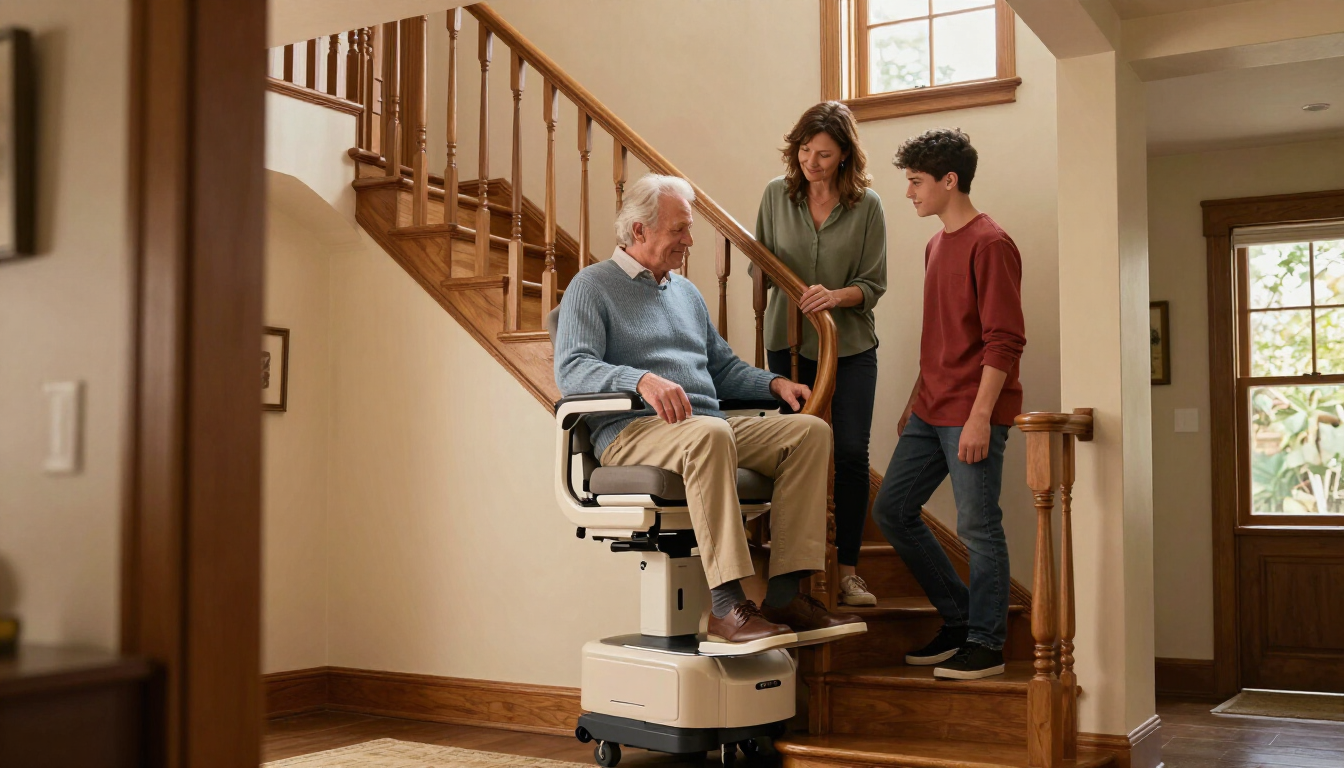
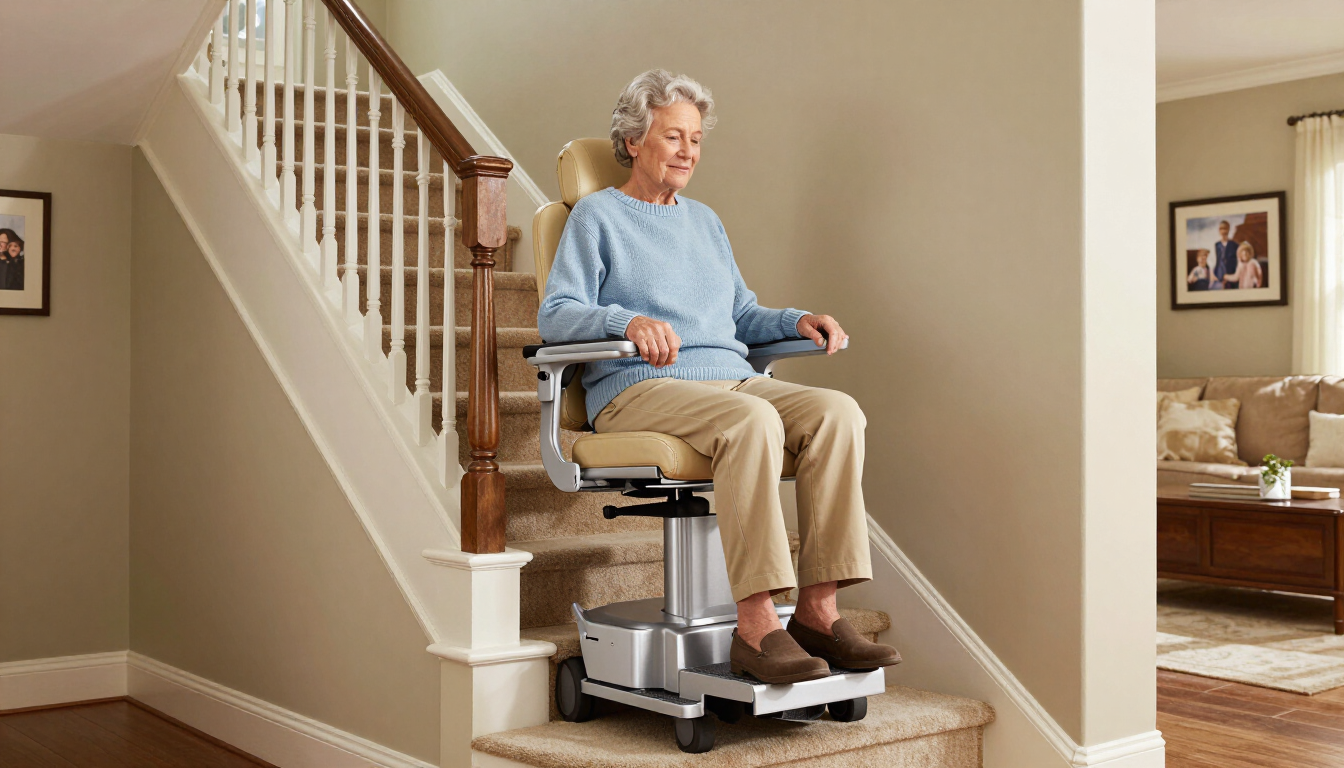
Life happens, and our surroundings change. Perhaps you've moved to a home with more stairs, or maybe your daily routine now involves more travel. Your current equipment might be fine for short trips around the house, but it could be a real headache if you suddenly need to navigate public transport or a more complex environment. Think about how your daily life has shifted and if your equipment fits the new picture.
Need for Additional Features Not Currently Available
Technology moves fast, and so do the options for mobility aids. Your current scooter or wheelchair might be basic, but newer models could offer features that would make a big difference. Think about things like:
- Better suspension for rougher terrain
- More advanced seating options for comfort and pressure relief
- Improved turning radius for tighter spaces
- Integrated lighting for better visibility
If you find yourself wishing your device could do more, it's probably a sign it's time to look at what's out there now.
It's easy to get used to what you have, even when it's not quite cutting it anymore. But staying stuck with equipment that doesn't match your current needs can really limit what you can do. Looking for an upgrade isn't about admitting defeat; it's about actively choosing to live a fuller, more independent life. It's about making sure your tools are helping you, not holding you back.
Safety Concerns with Outdated Mobility Equipment
Sometimes, the biggest reason to think about a new mobility device isn't just about comfort or convenience, it's about staying safe. Old equipment can start to feel a bit wobbly, and that's a serious problem when you rely on it to get around. When your mobility aid isn't as stable as it used to be, the risk of accidents goes way up.
Greater Risk of Trips and Falls
Think about it: if your wheelchair has worn-out tires or a frame that's seen better days, it might not handle uneven surfaces as well. A sudden bump that you used to power through could now send you off balance. The same goes for walkers or scooters that have lost their original sturdiness. It's easy to underestimate how much a little bit of wear and tear can affect your stability. This is especially true if you're dealing with progression of a medical condition that already impacts your balance.
Decreased Stability and Balance Support
Mobility devices are designed to give you support, but that support degrades over time. Brakes might not grip as well, armrests could become loose, or the overall structure might feel less rigid. This means you're not getting the same level of assistance you used to. You might find yourself compensating more, which can be tiring and, frankly, dangerous. It's like driving a car with worn-out tires – you just don't have the same control.
Non-Compliance with Current Safety Standards
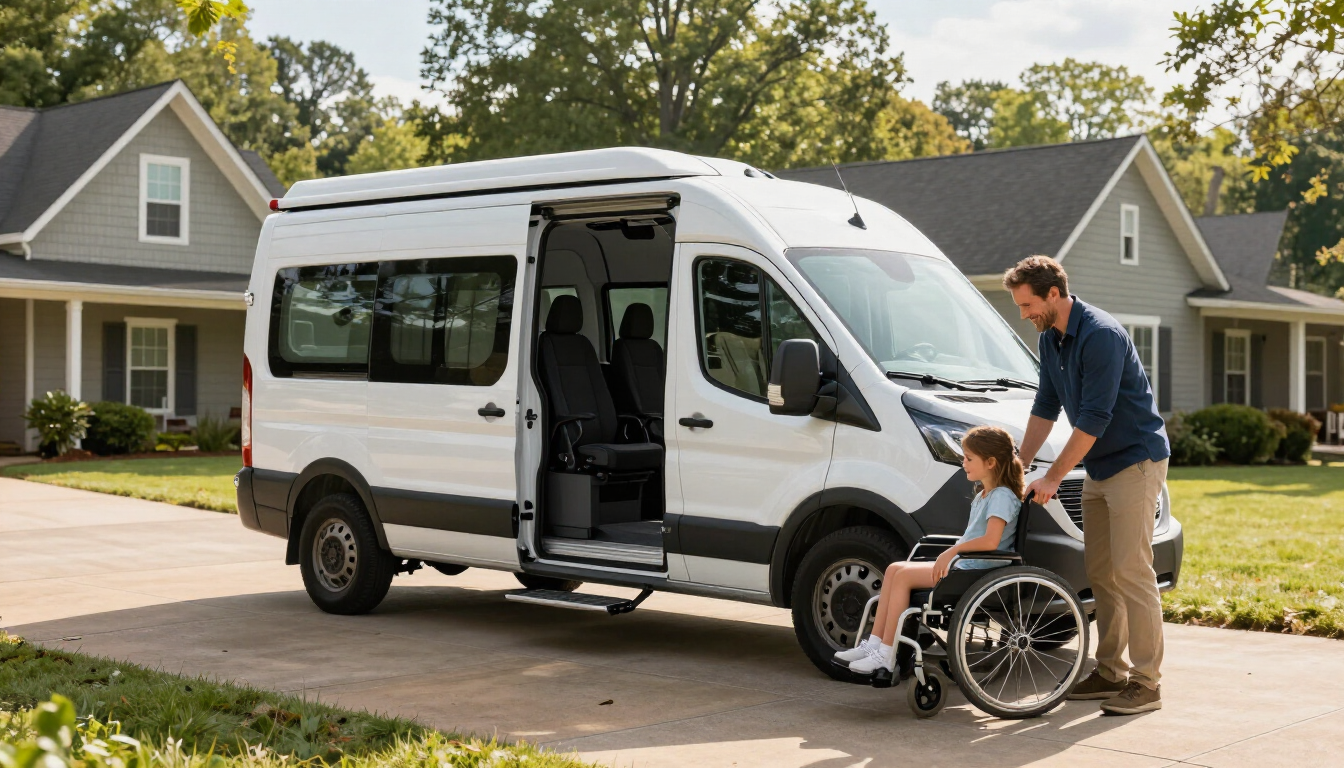
Manufacturers are always improving safety features on mobility equipment. Older models might not have the latest safety innovations, like improved braking systems or better anti-tip mechanisms. Plus, if you're looking at modifications or accessories, older devices might not be compatible with newer, safer add-ons. It’s worth checking out what the latest standards are, especially if you're considering vehicle conversions to make transport easier, like those offered by North Georgia Mobility.
The subtle changes in how your equipment performs can be easy to ignore day-to-day. You might just think you're having an 'off' day. But when these little issues add up, they create a situation where a minor stumble could turn into a significant fall. Prioritizing safety means recognizing when your equipment is no longer providing the reliable support you need.
Enhanced Technology and Modern Features Offer Improved Independence
It’s not just about getting around anymore; modern mobility equipment is packed with tech that can really make a difference in your day-to-day life. Think about how much easier things could be with a few smart upgrades. These new features aren't just fancy gadgets; they're designed to give you more control and freedom.
Integration with Smart Home Devices
This is pretty neat. Some newer mobility devices can actually talk to your smart home system. Imagine this: you're coming home, and with a simple command or even automatically, your lights turn on, and the thermostat adjusts to your preferred temperature. It means less fumbling around and more comfort the moment you walk in the door. It’s about making your living space work for you.
Advanced Battery Life and Efficiency
Battery life is a big one, right? Nobody wants to get stuck somewhere because their device ran out of juice. Today's equipment often comes with much better batteries. They last longer on a single charge, and they recharge faster. This means you can go out for longer periods, run more errands, or just enjoy a full day without constantly worrying about finding an outlet. It’s a real game-changer for spontaneity.
User-Friendly Controls and Comfort Enhancements
Manufacturers are really focusing on making these devices easier and more comfortable to use. You'll find things like:
- Intuitive control panels that are simple to understand and operate.
- Adjustable seating positions and better cushioning for longer periods of comfortable use.
- Smoother suspension systems that reduce bumps and vibrations, making your ride much more pleasant.
The goal here is to reduce the physical effort required to operate the equipment and to make the experience of using it as comfortable as possible. It’s about minimizing strain and maximizing your ability to just live your life without constant physical reminders of limitations.
These advancements mean you can do more, feel more confident, and generally have a much easier time managing your daily activities. It’s about regaining a sense of independence and making life a little less complicated.
Frequent Repairs Signal the Need for a Mobility Equipment Upgrade
Increasing Maintenance Costs
It’s easy to overlook the small repair bills that start to pile up. A loose screw here, a battery replacement there – they seem minor at first. But when you add them all up over a year, you might be surprised at how much you're spending just to keep your current mobility device running. These mounting costs are a clear sign that your equipment is aging and likely nearing the end of its reliable service life. Think about it: the money you're pouring into constant fixes could be put towards a new device that works without all the fuss.
Extended Downtime Due to Repairs
How often have you found yourself without your mobility aid because it's in the shop? Waiting for parts, waiting for a technician – it all adds up to lost time and lost independence. This downtime isn't just inconvenient; it can seriously disrupt your daily routine, making it hard to get to appointments, see friends, or even just run errands. If your device is frequently out of commission, it's not truly serving its purpose.
Limited Availability of Spare Parts
As mobility equipment gets older, manufacturers often stop producing replacement parts for it. This means that even if a repair is possible, finding the necessary components can become a real challenge. You might end up waiting weeks or even months for a part to be sourced, or worse, discover that the part is simply no longer available. This scarcity is a strong indicator that it's time to look for a newer model that uses readily available parts.
When your mobility device starts needing constant attention, it's a bit like having an old car that's always breaking down. You spend more time and money trying to keep it going than it's really worth. It's frustrating, and it limits what you can do. It's often more practical and less stressful in the long run to invest in something new that you can depend on.
Here are a few things to consider when your equipment needs frequent fixes:
- Track your repair expenses: Keep a log of all repair costs over the past year. You might be shocked at the total.
- Assess the downtime: Note how many days or weeks you've been without your device due to repairs.
- Research newer models: Look into current options that offer better reliability and potentially lower maintenance needs.
Adaptability Is Limited with Old Mobility Devices
Sometimes, the mobility equipment that served you well for years just doesn't keep up with your life anymore. It's not just about comfort; it's about how well your device fits into your daily routines and your environment. When your equipment starts feeling like a roadblock instead of a helper, it's a pretty clear sign it's time to look for something new.
Difficulty Traveling or Transporting Equipment
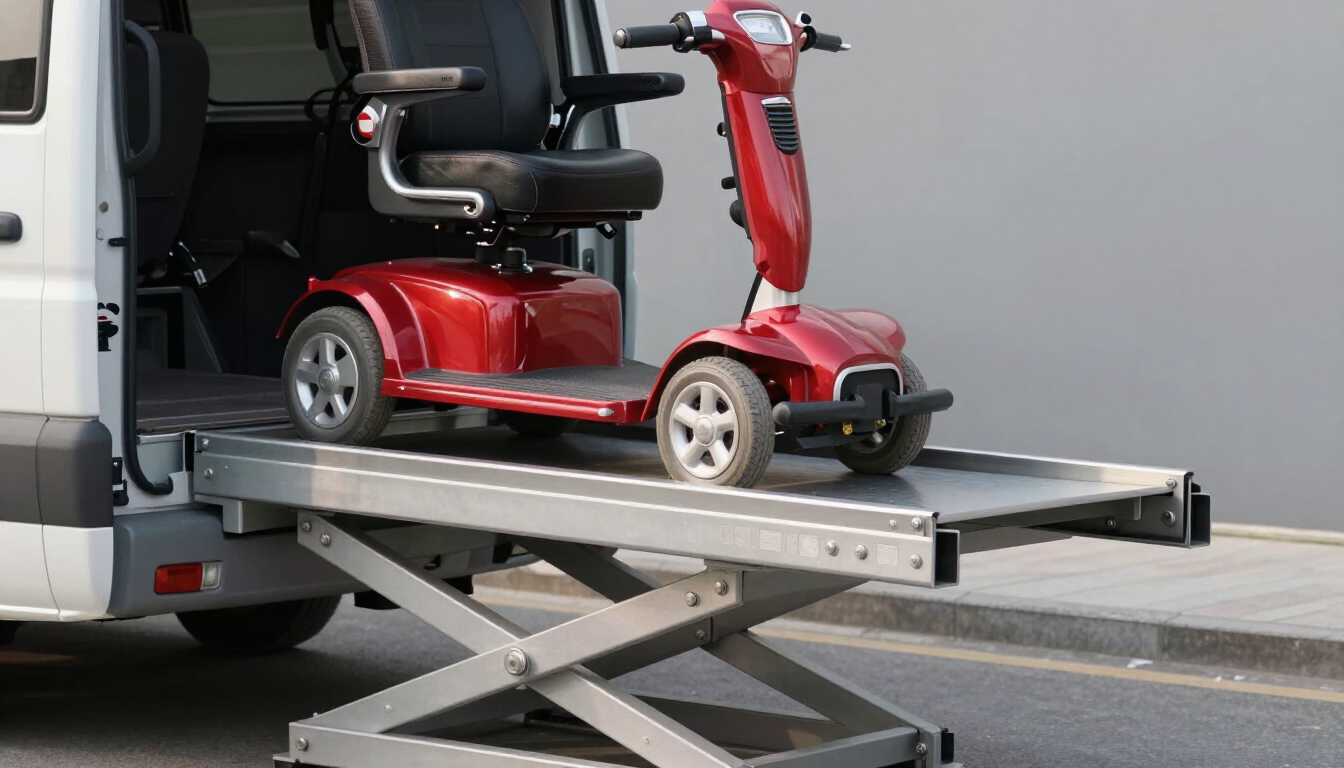
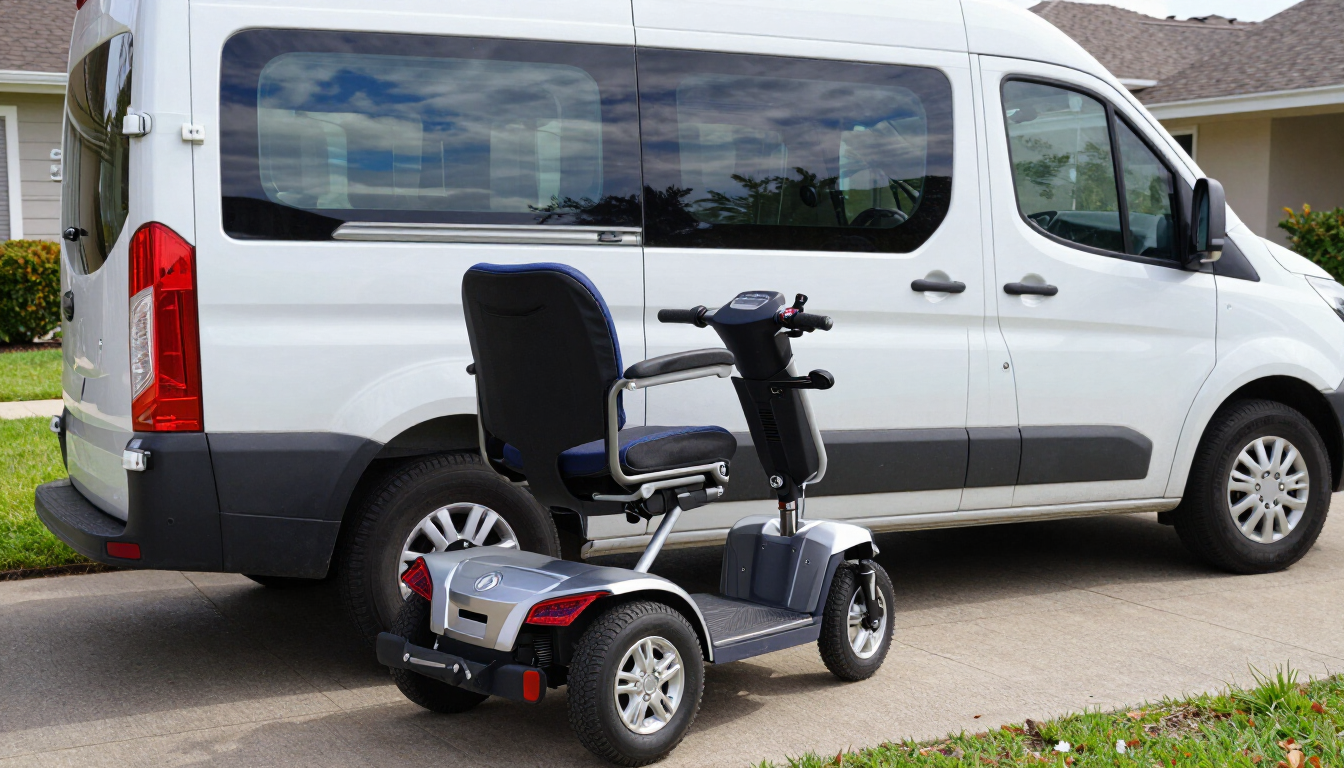
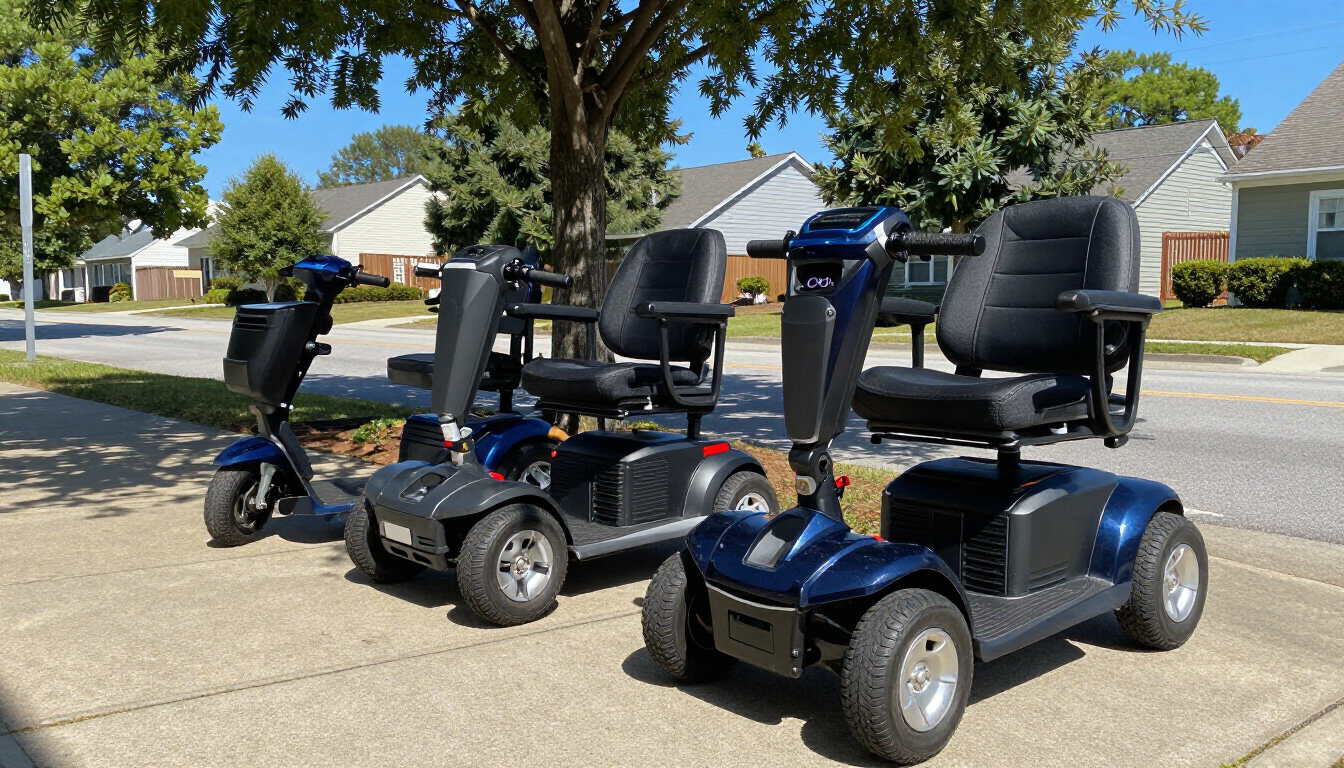
Older mobility devices can be bulky and heavy, making them a real pain to take anywhere. Think about trying to load a heavy scooter into a regular car trunk or figuring out how to get a large power wheelchair onto public transport. It can be a whole production, right? Modern equipment is often designed with portability and ease of transport in mind. Many newer models fold up more easily, are lighter, or have specialized features for car ramps or lifts. If your current setup makes trips to the grocery store or visits to family feel like a major expedition, it’s a sign.
Missing Accessibility Upgrades for Vehicles or Homes
Your needs might have changed, or maybe the world around you has. Perhaps you've moved to a home with different layouts, or you're looking to get a vehicle that's easier to manage. Older mobility aids might not work well with newer accessibility solutions for homes or cars. You might find yourself struggling with doorways that seem narrower than before, or perhaps your current device just won't fit into a modified vehicle. It’s frustrating when your equipment doesn't play nice with the spaces you need to access. Looking into options for vehicle modifications can make a big difference for your independence.
Challenges Adjusting Equipment to Changing Needs
Life isn't static, and neither are our bodies. What worked perfectly a year ago might not be the best fit today. Maybe you need a different seating position, or perhaps you require more support than your current device can offer. Older equipment often lacks the flexibility to be adjusted or modified easily to meet these evolving requirements. You might find yourself trying to make do, but it often leads to discomfort or even pain. It’s important that your mobility aid can adapt with you, not hold you back.
When your mobility equipment feels like a burden to move, transport, or adjust, it's not just an inconvenience. It directly impacts your freedom to go where you want, when you want, and how you want. It can limit your participation in activities and even affect your social life if getting out becomes too much of a hassle.
Quality of Life Improvements With New Mobility Solutions
Sometimes, it's not just about getting from point A to point B. A new mobility device can really change how you feel about your day-to-day life. It's about regaining a sense of freedom and independence that maybe you thought was gone for good.
Think about it. When your current equipment is holding you back, it can make simple things feel like huge hurdles. But a newer, better-suited device can open up a lot of doors. You might find yourself:
- Feeling more confident when you go out.
- Being able to join friends or family for activities you've been skipping.
- Exploring new places or revisiting old favorites without as much worry.
It's not just about the physical act of moving; it's about the mental and emotional lift that comes with it. When you're not constantly battling with your equipment, you have more energy and enthusiasm for everything else.
A lot of people don't realize how much their mobility device impacts their overall mood and social life. When you can move around more easily and comfortably, you're more likely to say 'yes' to invitations and feel like a part of things. It's a big deal.
With modern options, you can often find features that make a real difference:
- Customizable seating for better comfort on longer outings.
- Improved maneuverability for getting around crowded places.
- Lighter designs that make transport easier, so you're not stuck at home.
New ways to get around are making life much easier. Imagine moving freely and easily, enjoying more of your day without worry. These new mobility solutions are designed to help you live your life to the fullest. Ready to discover how these changes can improve your daily routine? Visit our website to learn more about the latest in mobility.
Wrapping It Up
So, if you've been noticing your current mobility gear isn't quite cutting it anymore, it might be time to look into something new. Think about how much easier life could be with updated equipment. It's not just about getting around; it's about making everyday tasks simpler and giving you back some freedom. Don't wait until things get really tough. Taking a look at what's out there now could make a big difference. If you're unsure where to start or what options are best for you, talking to folks who know the ins and outs of mobility solutions is a good next step. They can help you figure out the right fit so you can keep living life on your own terms.
Frequently Asked Questions
How do I know if my current wheelchair or scooter isn't working well anymore?
If you're feeling more aches and pains when using your mobility device, or if you notice it's breaking down a lot, it might be time for a change. Also, if parts look worn out or it just doesn't feel as steady as it used to, consider an upgrade.
Can my health condition affect my need for new equipment?
Yes, absolutely. As medical conditions change, your body's needs might change too. What worked before might not offer enough support or ease of use now. It's important that your equipment keeps up with you.
What if my home or lifestyle has changed?
Life happens! Maybe you've moved, or your daily routine is different. If your current equipment makes it harder to get around your home or do the things you enjoy, it's a sign that you might need something that fits your new life better.
Are older mobility devices less safe?
Often, yes. Older equipment might not have the latest safety features, making you more likely to have a tumble or feel unsteady. Newer devices are designed with better stability and up-to-date safety rules in mind.
What are the benefits of newer mobility technology?
Newer devices often have cool features like longer battery life, easier controls, and can even connect with smart home gadgets. They're built to make you more independent and comfortable, opening up more possibilities for your day.
When do frequent repairs mean I need a new device?
If you're spending a lot on fixing your current equipment, or if it's often out of service for repairs, it's probably costing you more in the long run than a new, reliable device would. Plus, finding parts for older models can be tough.