The Benefits of Home Accessibility Upgrades for Aging in Place
Thinking about staying in your own home as you get older? It's a common wish, and for good reason. Your home holds memories and comfort. Making a few changes can make a big difference in how safe and easy it is to live there. This is often called 'aging in place,' and it's something many people in Georgia are looking into. We'll talk about how simple upgrades can help you keep your independence and live comfortably right where you are. It’s about making your home work for you, now and in the future, especially if you're focused on aging in place GA.
Key Takeaways
- Making your home safer, like fixing slippery floors or adding grab bars, helps prevent falls and keeps you independent.
- Simple changes in bathrooms and kitchens, such as walk-in tubs or easier-to-reach counters, make daily tasks much simpler.
- Mobility solutions, from ramps to vehicle modifications, help you get around your home and out in the community.
- There are financial programs and aid available, including options for veterans, to help with the cost of these upgrades.
- Updating your home now means a better quality of life later, potentially saving on healthcare costs and letting you stay in a familiar, comfortable place.
Enhancing Safety and Independence for Aging in Place in GA
Deciding to stay in your own home as you get older is a big step, and making sure it's safe and easy to get around is super important, especially here in Georgia. It's all about making small changes that make a big difference in your daily life. The goal is to keep you living comfortably and independently for as long as possible.
Preventing Falls with Home Modifications
Falls are a big worry for many older adults. Simple fixes around the house can really cut down the risk. Think about:
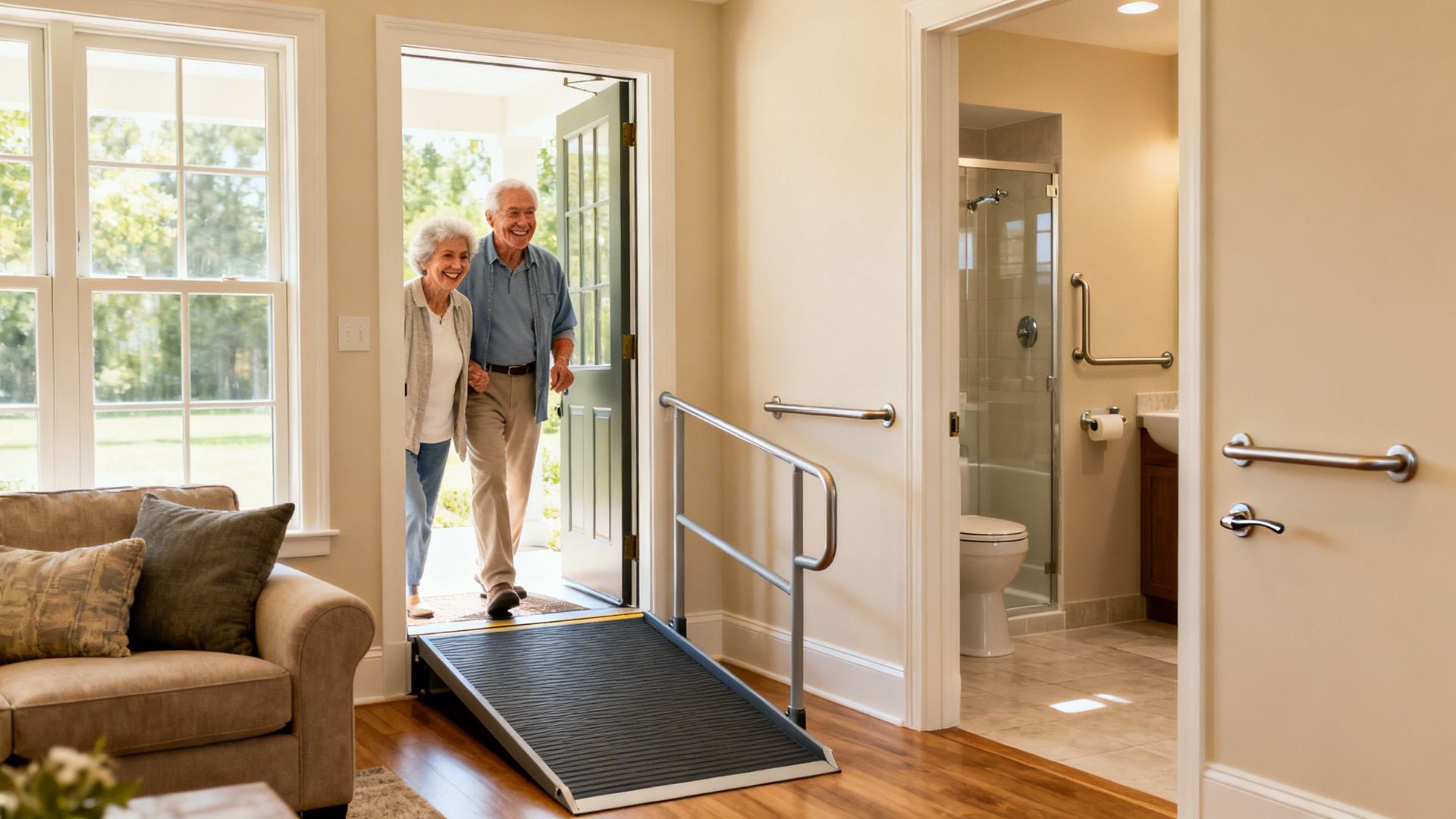
- Adding grab bars in bathrooms, especially near the toilet and in the shower.
- Putting in non-slip mats in wet areas like the kitchen and bathroom floors.
- Making sure walkways are clear of clutter and tripping hazards, like loose rugs.
- Improving lighting throughout the house, particularly on stairs and in hallways.
A well-lit home with fewer obstacles is a safer home. It's about creating an environment where you feel secure moving from room to room without constant worry.
Creating a Secure Living Environment
Beyond just preventing falls, a secure home means feeling safe and protected. This can involve:
- Installing deadbolt locks on doors for better security.
- Considering a video doorbell so you can see who's at the door without opening it.
- Making sure smoke and carbon monoxide detectors are working and easy to reach.
Supporting Continued Independence at Home
Independence is key to quality of life. Accessibility upgrades help maintain that freedom. This means:
- Ensuring you can reach everyday items without straining.
- Making sure doorways are wide enough for easier movement, perhaps even for walkers or wheelchairs.
- Having easy-to-use light switches and doorknobs.
These kinds of changes allow you to keep doing the things you love in the place you call home. It's about adapting your living space to your needs, not the other way around. For those looking into these kinds of updates, North Georgia Mobility has been helping people for years with various solutions.
Key Accessibility Upgrades for Aging in Place
Making your home work better as you get older is a smart move. It's not about huge renovations, but about small changes that make a big difference in daily life. These upgrades help you stay in your home longer and with more confidence.
Bathroom Modifications for Easier Access
The bathroom is often the trickiest room. Think about a few things:
- Grab Bars: These are a game-changer for getting in and out of the shower or tub, and for using the toilet. They give you something solid to hold onto.
- Walk-in Showers or Tubs: Stepping over a high tub edge can be a real hazard. A curbless shower or a tub with a low entry point makes bathing much safer.
- Non-slip Flooring: Wet bathroom floors are slippery. Adding textured tiles or mats can prevent nasty falls.
- Raised Toilet Seats: If bending down is difficult, a higher toilet seat can make a world of difference.
A well-designed bathroom isn't just about safety; it's about dignity and comfort. It allows for more personal care without needing constant help.
Kitchen Adaptations for Daily Living
Your kitchen is the heart of the home, and it should be easy to use. Consider:
- Accessible Countertops: Lowering some counter space or adding pull-out shelves can make it easier to prepare food.
- Easy-to-Reach Storage: Moving frequently used items to lower cabinets or shelves means less reaching and stretching.
- Lever Handles: Replacing round doorknobs or faucet handles with lever-style ones is easier for people with arthritis or limited hand strength.
- Appliance Placement: Think about where your microwave or dishwasher is. Can it be moved to a more convenient height?
Bedroom and Living Area Improvements
These spaces are for relaxing, but they also need to be safe and functional.
- Clear Pathways: Make sure there's enough room to move around without tripping over furniture or rugs.
- Good Lighting: Bright, even lighting throughout the house, especially in hallways and stairways, helps prevent stumbles.
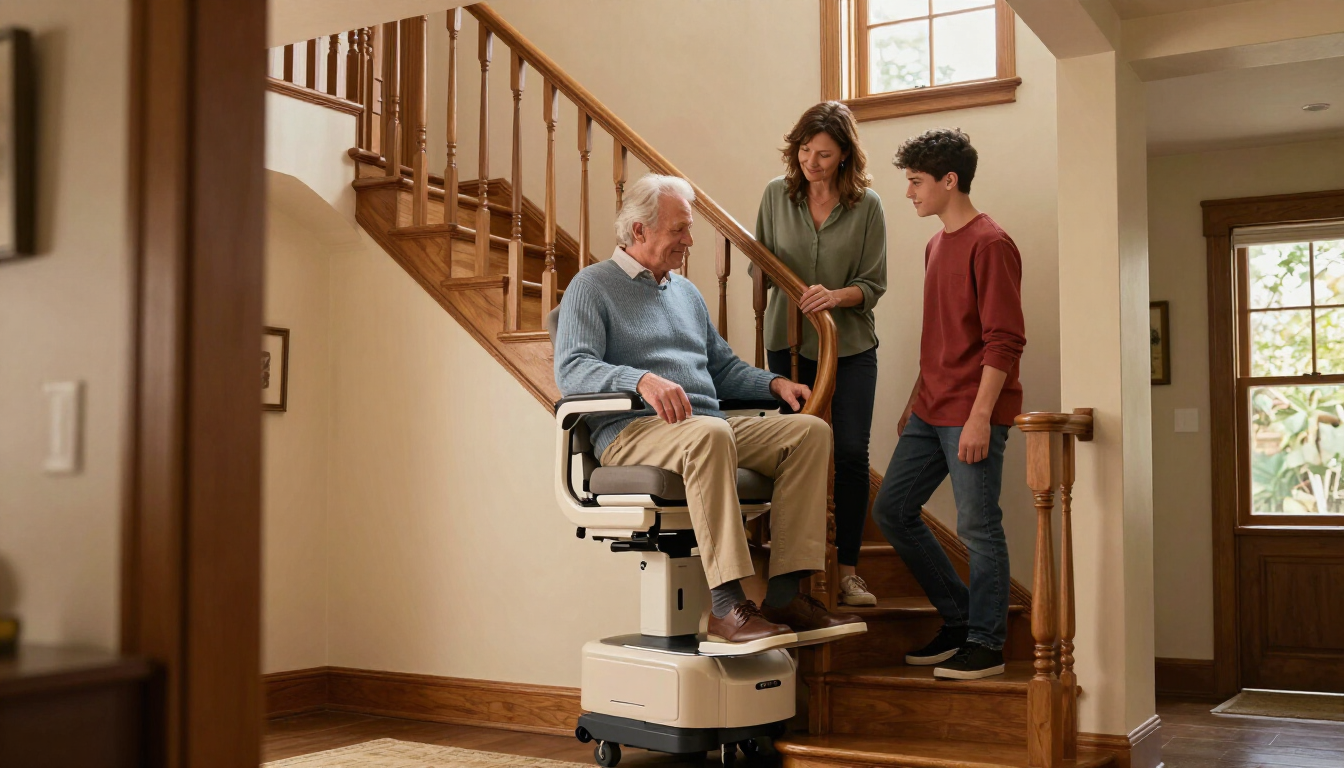
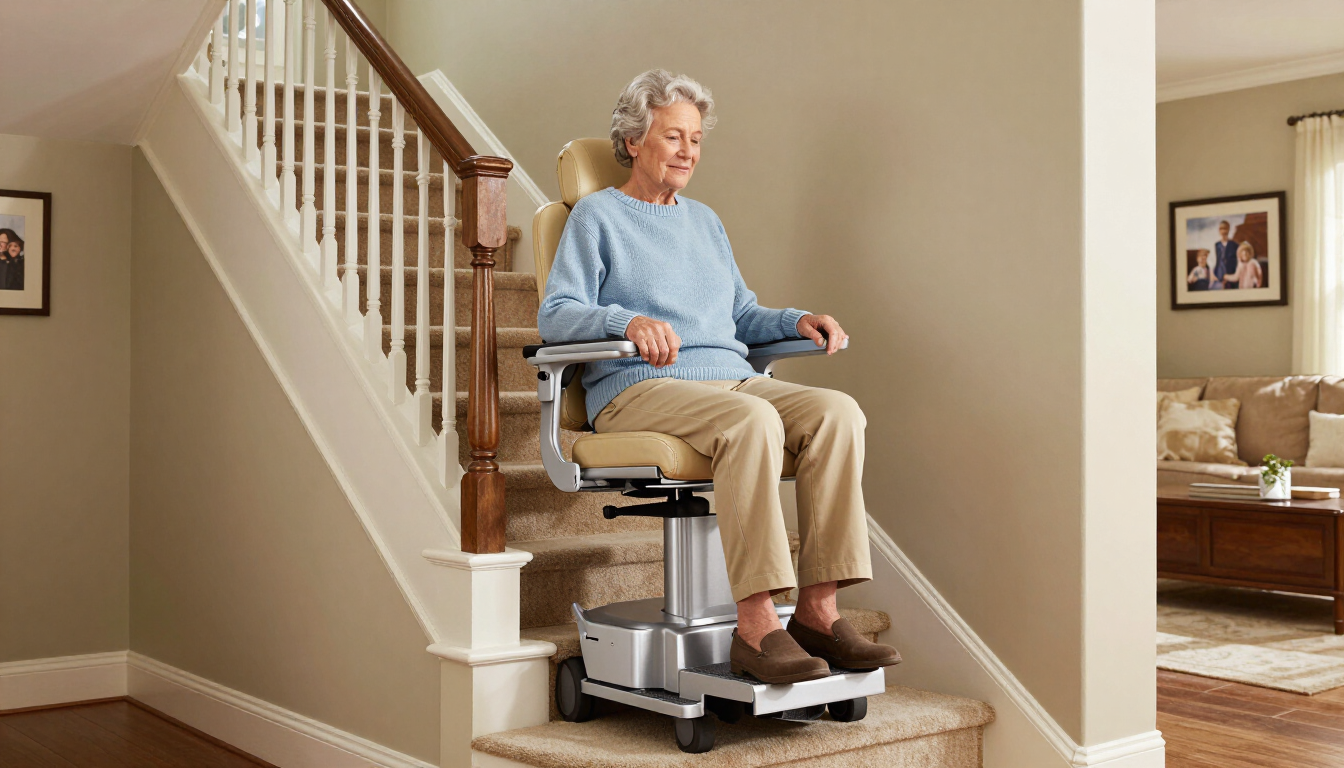
- Stair Lifts or Elevators: If you have multiple floors and stairs are becoming a problem, these can be a lifesaver.
- Adjustable Beds: For those with mobility issues, an adjustable bed can make getting in and out of bed much easier, and also help with comfort while resting.
These adaptations aren't just about making things easier; they're about maintaining your ability to live independently and comfortably in the place you know and love.
Leveraging Mobility Solutions for Aging in Place
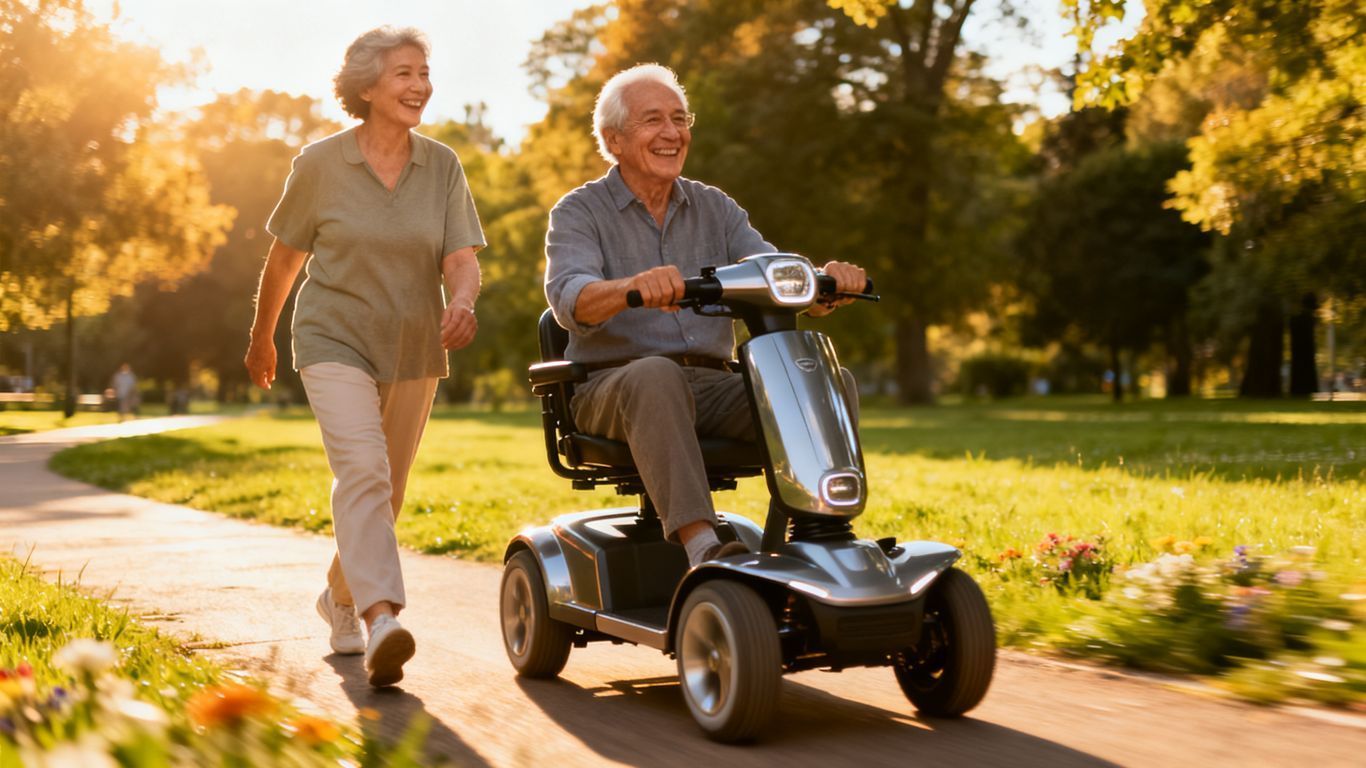
Getting around your home and out into the world can become a bit trickier as we get older. But there are some really smart ways to make things easier, so you can keep your independence. It's all about finding the right tools and making small changes that make a big difference.
Vehicle Conversions for Transportation Needs
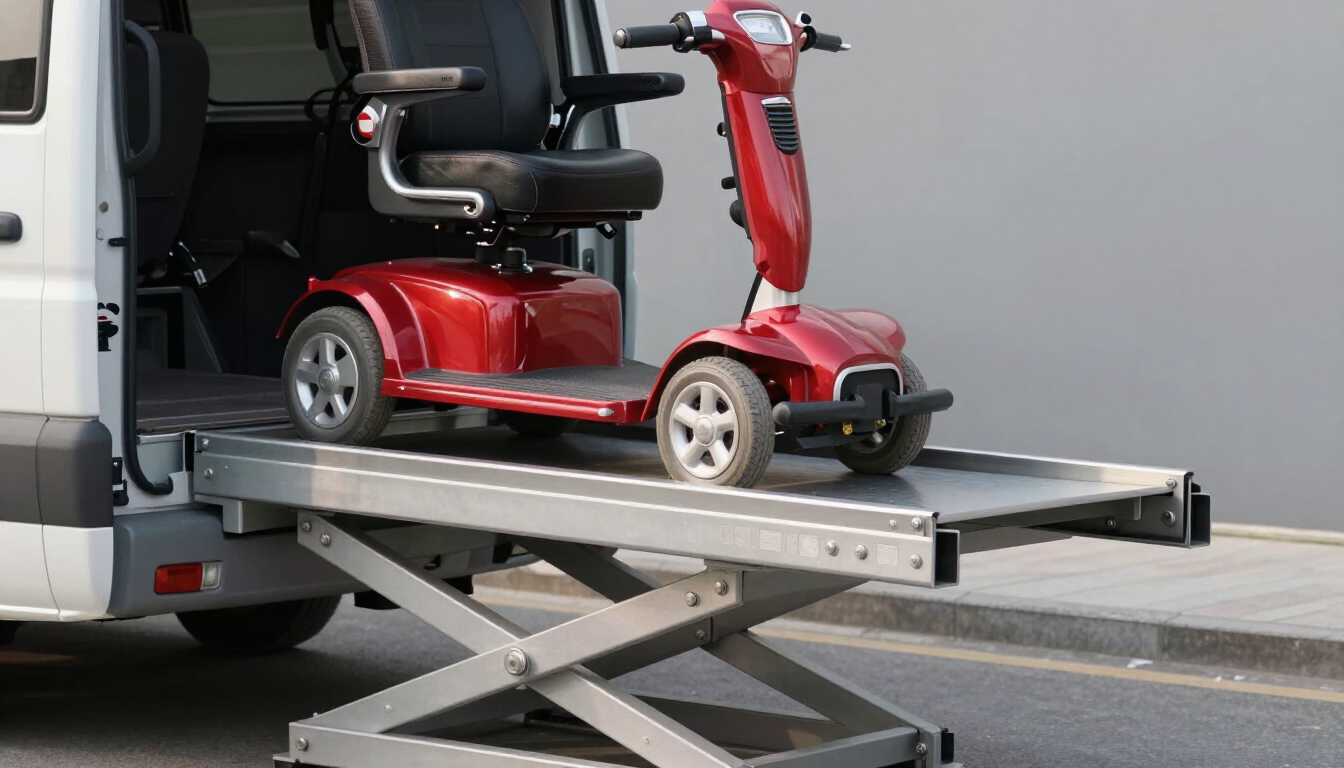
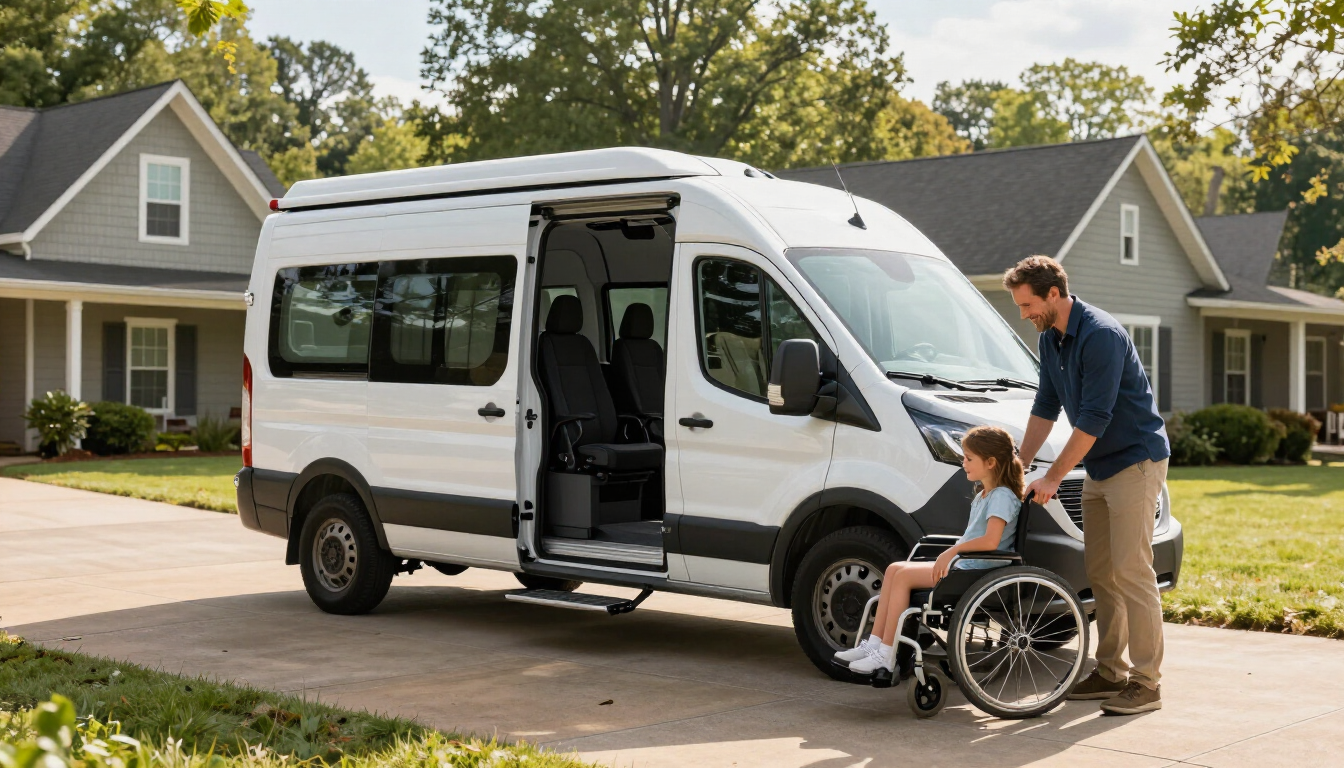
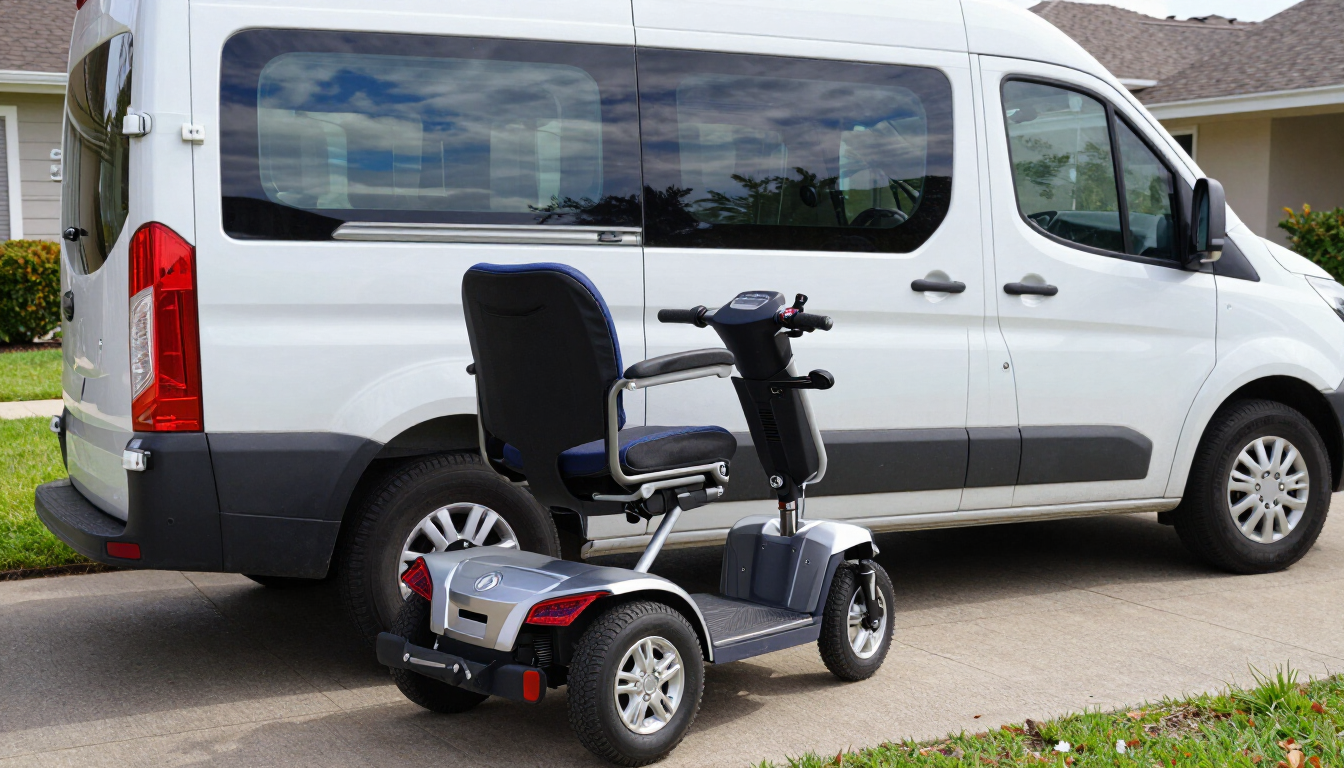
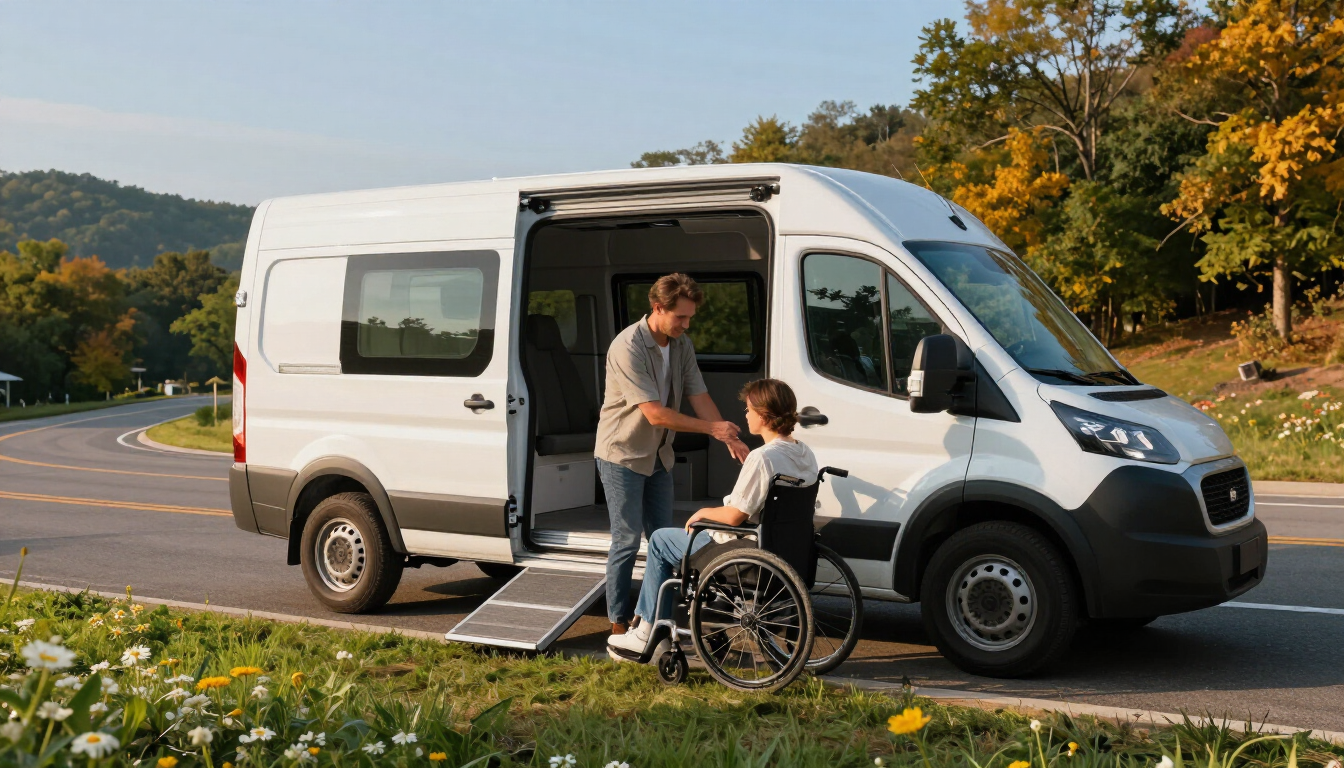
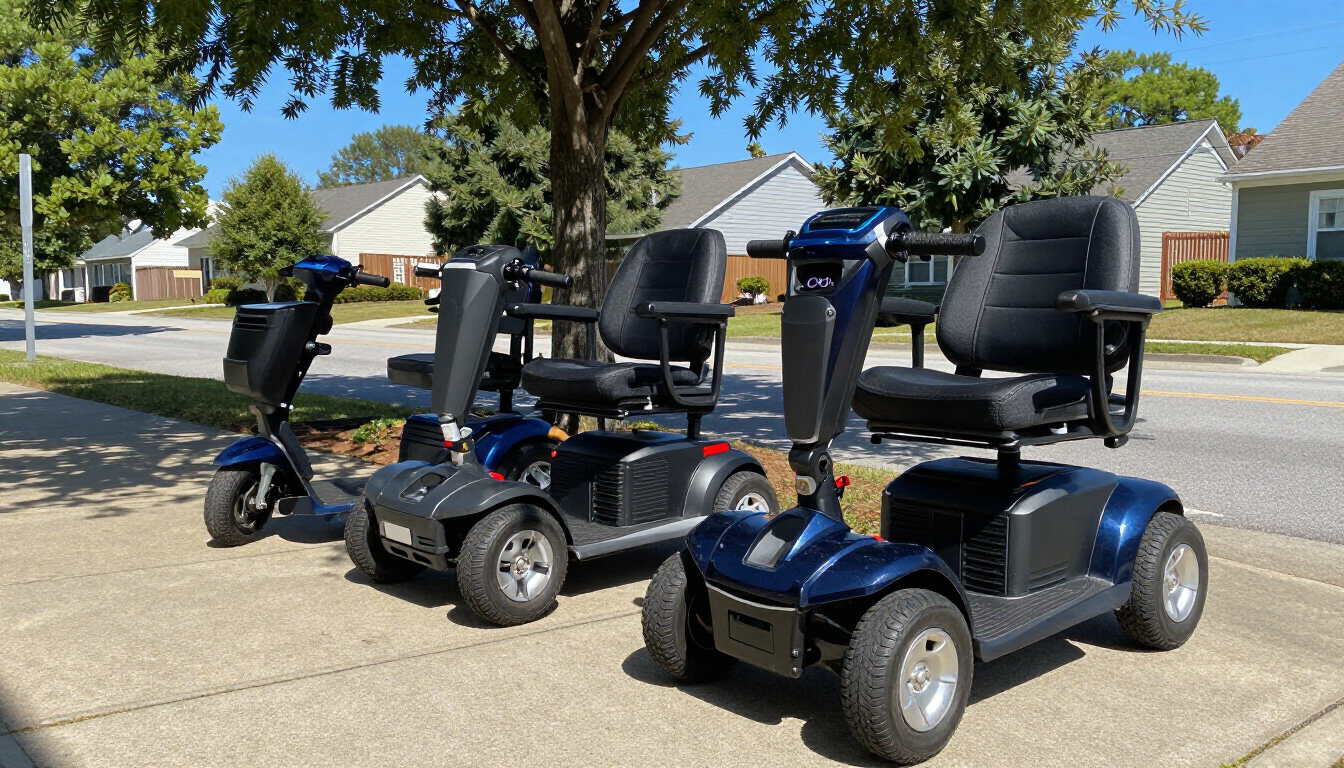
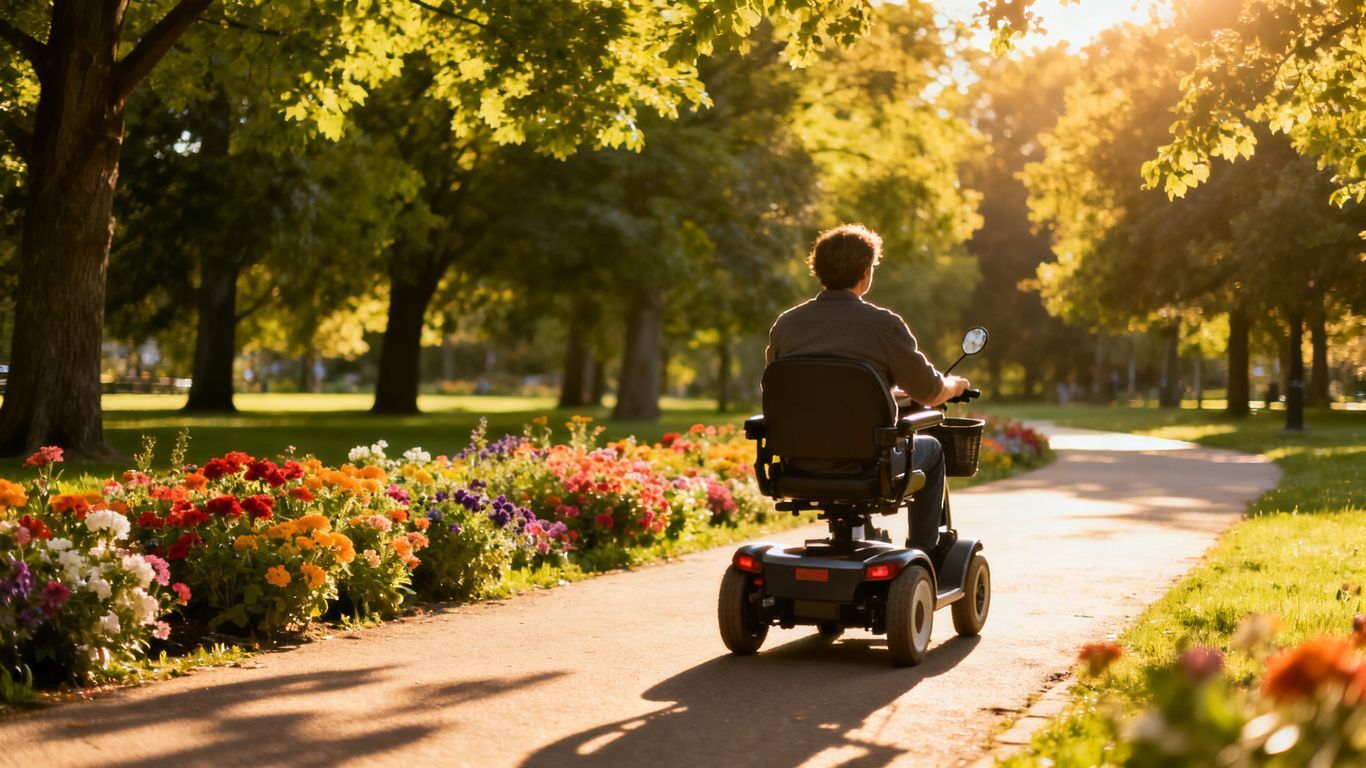
If you still drive or want to be able to get out and about, your vehicle might need some adjustments. Think about things like ramps or lifts that make it simpler to get a wheelchair or scooter into the car. Some people even get special hand controls installed if gripping a steering wheel or using pedals becomes difficult. These changes can open up your world again, letting you visit family, go to appointments, or just enjoy a drive.
- Wheelchair ramps and lifts
- Hand controls for driving
- Lowered floors for easier entry
Making your vehicle accessible means you're not stuck at home. It's about maintaining connections and the freedom to go where you want, when you want.
Mobility Aids for Indoor Navigation
Inside your house, there are plenty of options to help you move around more safely and easily. Grab bars in the bathroom are a classic for a reason – they give you something solid to hold onto. But there's more. Stairlifts can be a lifesaver if you have multiple floors, and even simple things like rearranging furniture to create wider pathways can help. We're talking about making your home work for you, not against you.
- Grab bars in bathrooms and hallways
- Stairlifts for multi-level homes
- Walkers or rollators with seats for rest
- Transfer benches for bathtubs
Professional Assistance for Accessibility Projects
Sometimes, figuring out what you need and how to get it done can feel overwhelming. That's where professionals come in. Companies that specialize in accessibility can assess your home and your needs, then suggest the best solutions. They can handle everything from installing a ramp to modifying your bathroom. It’s good to know there are people who understand these challenges and can help make the process smooth. They can also tell you about options like VA approved solutions if that applies to you.
Financial Considerations for Home Accessibility
Thinking about making your home more accessible for aging in place is a big step, and naturally, money is a big part of that conversation. It doesn't have to be a budget-buster, though. There are ways to manage the costs and even find help.
Exploring Grants and Financial Aid
It's not always about digging into your own savings. Many programs exist to help offset the costs of these important upgrades. You might be surprised at what's available.
- Local Government Programs: Check with your city or county for any initiatives supporting seniors or individuals with disabilities who want to modify their homes.
- Non-Profit Organizations: Various charities and foundations focus on improving living conditions for older adults. They often have grants or low-interest loans.
- State Agencies: Your state's Department of Aging or similar department can point you toward resources.
Understanding the Return on Investment
While the upfront cost of modifications can seem high, think about the long-term benefits. Making your home safer and more functional can prevent costly accidents and reduce the need for expensive in-home care or assisted living down the line. It's an investment in staying independent and comfortable in your own space.
The goal is to make your home work for you as your needs change. Small changes can make a big difference in daily life, preventing future problems and keeping you in familiar surroundings.
VA Approved Solutions for Veterans
If you or a loved one is a veteran, there are specific programs designed to help. The Department of Veterans Affairs offers various grants and benefits that can be used for home modifications. These can cover a wide range of improvements, from bathroom safety features to ramps. It's worth looking into these options if you qualify, as they can significantly reduce out-of-pocket expenses. Companies like North Georgia Mobility are VA approved and can guide you through these processes.
The Long-Term Value of Aging in Place Upgrades
Making changes to your home so you can stay put as you get older isn't just about convenience right now; it's a smart move for the future. These upgrades pay off in ways that go way beyond just having a ramp or grab bars. They're about keeping your life just as you want it, for as long as possible.
Maintaining Quality of Life at Home
When your home is set up to meet your changing needs, you can keep doing the things you love without a lot of hassle. Think about it:
- Easier movement around the house means you can keep up with hobbies.
- Having a safe bathroom reduces worry and makes daily routines smoother.
- Simple kitchen adaptations mean you can still prepare your own meals, which is a big deal for feeling independent.
It's all about keeping your daily life comfortable and manageable, so you don't feel like you're constantly struggling against your own living space. This kind of familiarity and ease really matters.
Reducing Healthcare Costs
This might not be the first thing you think of, but home modifications can actually save you money on healthcare down the line. Falls are a major reason for hospital visits among older adults. By making your home safer, you cut down on those risks. Fewer accidents mean fewer doctor visits, fewer emergency room trips, and less need for long-term care facilities. It's a proactive way to stay healthy and avoid expensive medical bills. For those who need specialized transportation, looking into options like vehicle conversions can also prevent accidents and stress.
Preserving Cherished Memories and Familiar Surroundings
Your home is more than just walls and a roof; it's where you've built a life. It holds memories of family gatherings, quiet evenings, and all the little moments that make up your personal history. Staying in your home means you don't have to uproot yourself from these important places. You get to keep your routines, your neighborhood connections, and the comfort of a space that feels truly yours. It’s about maintaining your connection to your past and your community.
Making your home accessible is an investment in your well-being and your future. It allows you to maintain your independence, stay connected to your community, and live comfortably in a place you love. The peace of mind that comes with a safe and functional home is truly priceless.
Making your home safer and easier to use as you get older is a smart move. These upgrades can help you stay independent and comfortable in your own space for years to come. Think about things like adding grab bars in the bathroom or making sure doorways are wide enough. These changes not only improve your daily life now but also add value to your home. Ready to explore how these improvements can benefit you? Visit our website today to learn more and get a free consultation!
Making Your Home Work for You
So, thinking about making some changes around the house? It really makes a difference. Little things, like adding a ramp or changing out a faucet, can mean staying in your own place for a lot longer. It's not just about safety, though that's a big part of it. It's about keeping your independence and comfort. You don't have to figure it all out alone, either. There are folks out there, like North Georgia Mobility, who know this stuff inside and out and can help guide you. Taking these steps now means a much easier time down the road, letting you live life on your own terms, right where you belong.
Frequently Asked Questions
What does 'aging in place' mean?
Aging in place simply means staying in your own home as you get older, instead of moving to a different place like a nursing home or assisted living facility. It's about living comfortably and safely in a familiar environment.
Why are home safety upgrades important for older adults?
Safety upgrades help prevent accidents, especially falls, which are common for seniors. Things like grab bars in the bathroom or better lighting make it easier and safer to move around the house, helping people stay independent longer.
What are some common home changes that help with aging in place?
Some popular changes include making bathrooms easier to use with walk-in showers or more grab bars, adapting kitchens so they're simpler to work in, and improving bedrooms and living areas for better comfort and safety. Even small changes can make a big difference.
Can mobility aids help me stay in my home?
Absolutely! Mobility aids like stairlifts, ramps, or even just sturdy handrails can make navigating your home much easier and safer. They help you move around without as much risk of falling or getting tired.
Are there financial programs to help pay for these home upgrades?
Yes, there are! Sometimes there are grants or special aid programs available, especially for veterans through the VA. Looking into these options can make the upgrades more affordable.
How do home accessibility upgrades benefit me in the long run?
These upgrades help you keep your independence and enjoy a better quality of life in your own home. They can also help lower healthcare costs by preventing injuries and keeping you healthier at home. Plus, you get to stay surrounded by your memories and familiar things.